Sea Run Fish

Restoration of river herring is critical to rebuilding coastal ecosystems and strengthening climate resilience as the Gulf of Maine continues to warm. Manomet supports community-driven river herring stewardship and is tracking the impact of such efforts on the health of river herring runs.
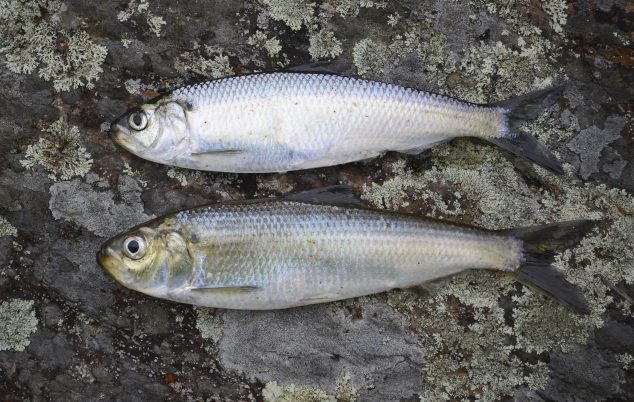
Blueback herring and alewife. Photo: UMaine

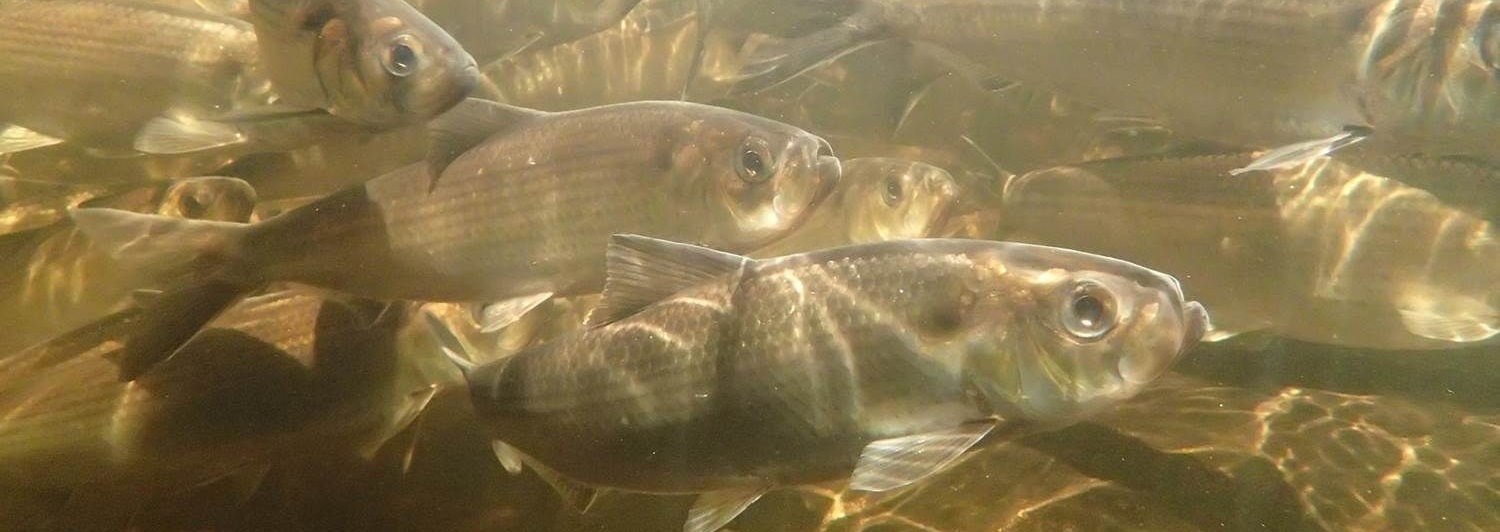
River herring is a collective term for two species, alewives and blueback herring. They are anadromous, which means they live primarily in the ocean and migrate upstream each spring to spawn in freshwater lakes and ponds before returning to the ocean. Historically, they have been foundational species in the Gulf of Maine ecosystem, comprising an important source of forage for birds, mammals, and commercially valuable species including cod and haddock. Over the last four hundred years, dams, offshore trawling, and pollution have reduced river herring populations to a small fraction of their historic levels. However, the passage of the Clean Water Act, removal of many dams and installation of fishways in many more, and limits on harvesting have jump-started the renewal of river herring populations in the Gulf of Maine.

Fishing for river herring on Maine rivers is managed jointly by the Maine Department of Marine Resources and municipalities with state-approved management plans. Local fishers have a stake in future harvests and ensure that rivers and fishways are free of obstructions, collect valuable data used to manage the fishery, and often lead restoration efforts on rivers blocked by failing culverts and abandoned dams. Manomet supports community-based management because it ensures not just one-time improvements in fish passage but ongoing commitments to maintaining such passage and to sustainable harvests.
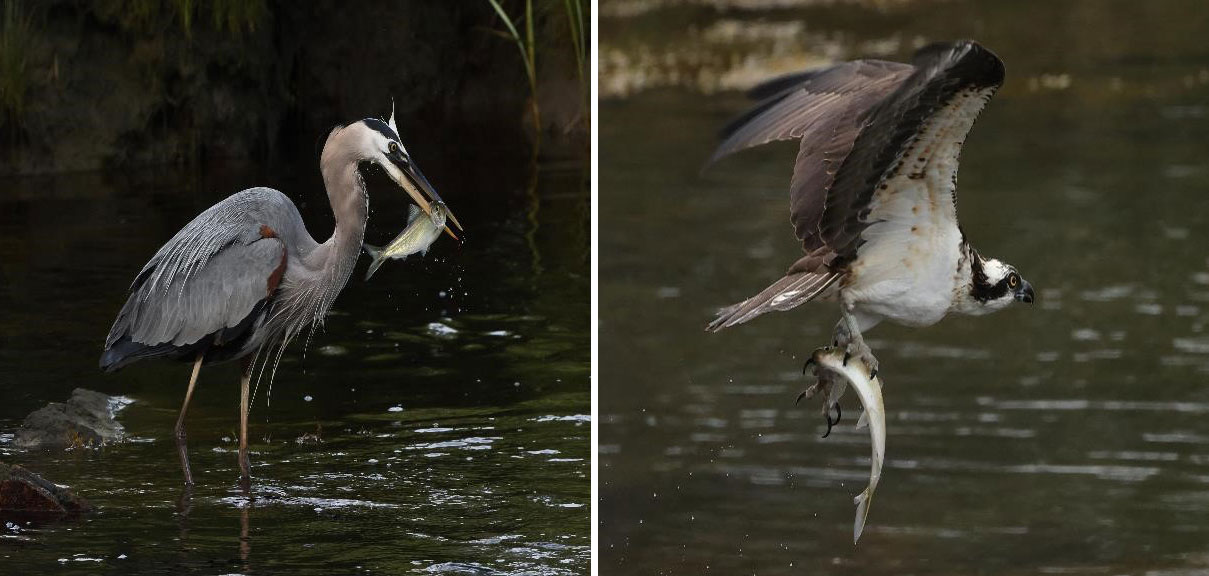
Fishing for river herring. Photos: Jon Albrecht

Shrimp and Shorebird Conservation

Many thousands of acres of shrimp farms have replaced areas of natural coastal habitat — mostly salt-pan flats and mangrove forests — which are critical areas for shorebirds in Mexico, Central America, and northern South America.

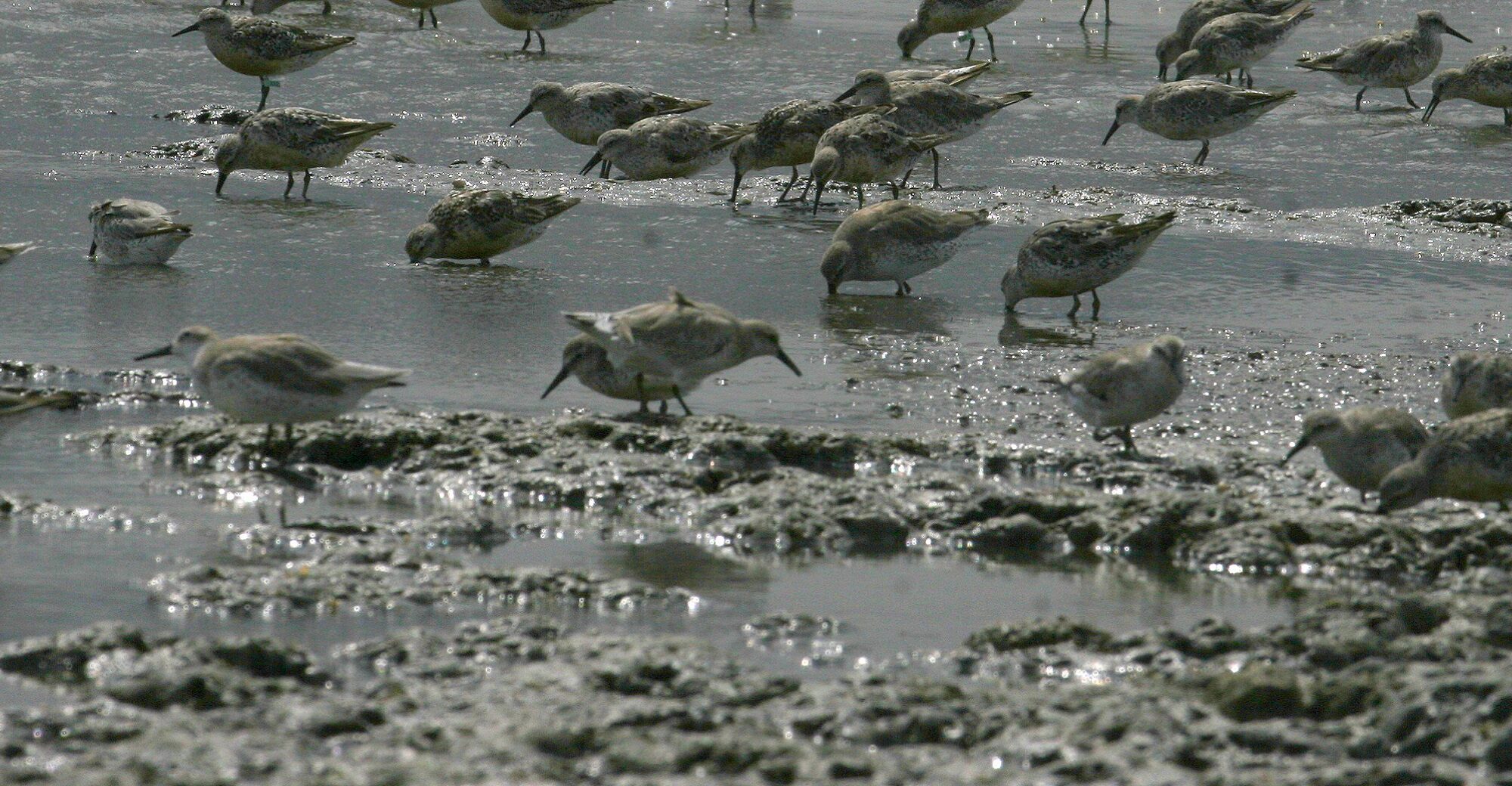
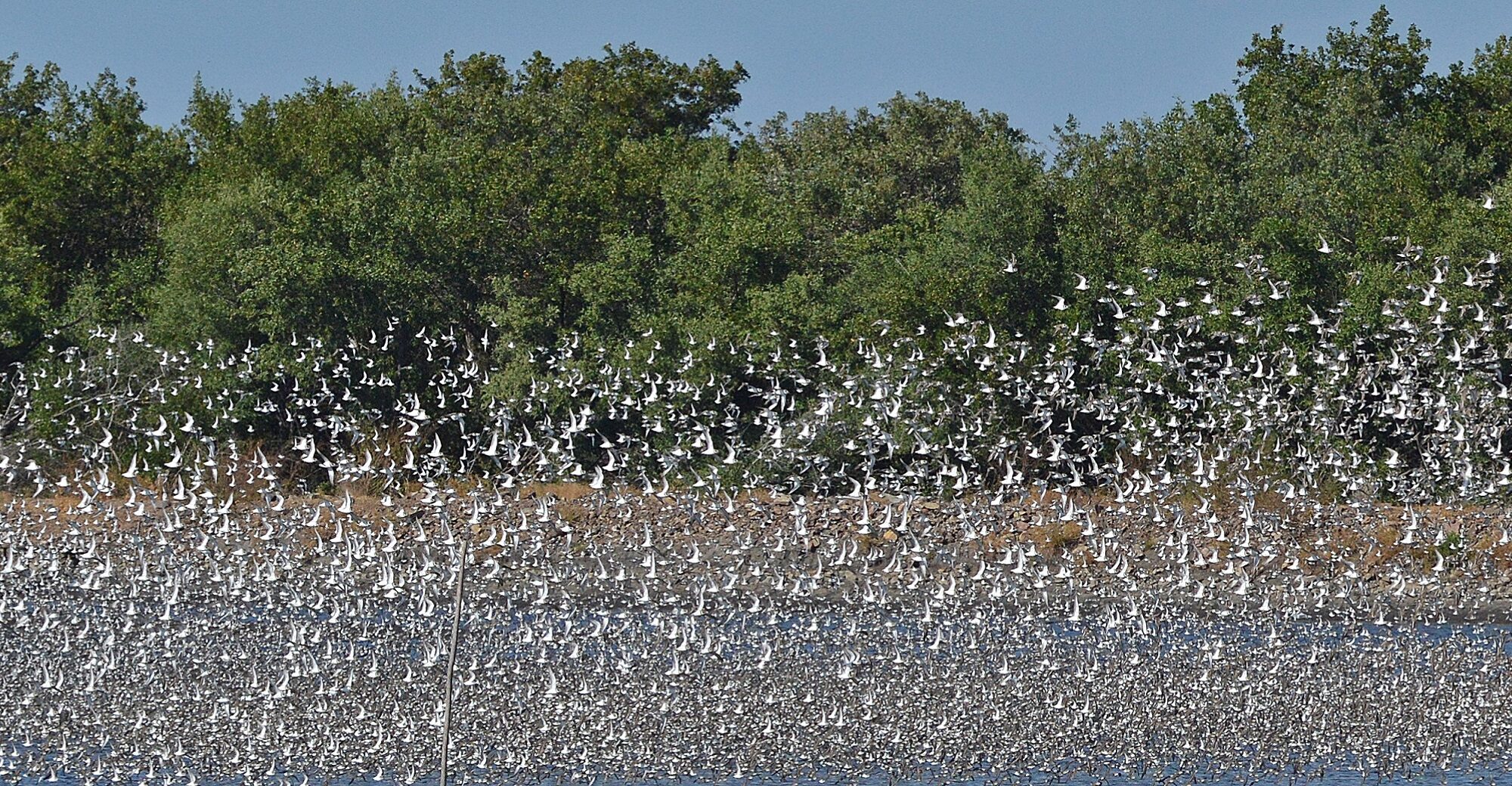
As long-distance migrants, shorebirds connect the Arctic with Argentina’s Tierra del Fuego along the Pacific Flyway, and the east coast of the United States to the Pacific coast of Central and South America. On all of these routes, shorebirds face distinct threats that require a coordinated response by different stakeholders throughout the hemisphere who work together to connect conservation with sustainable development.

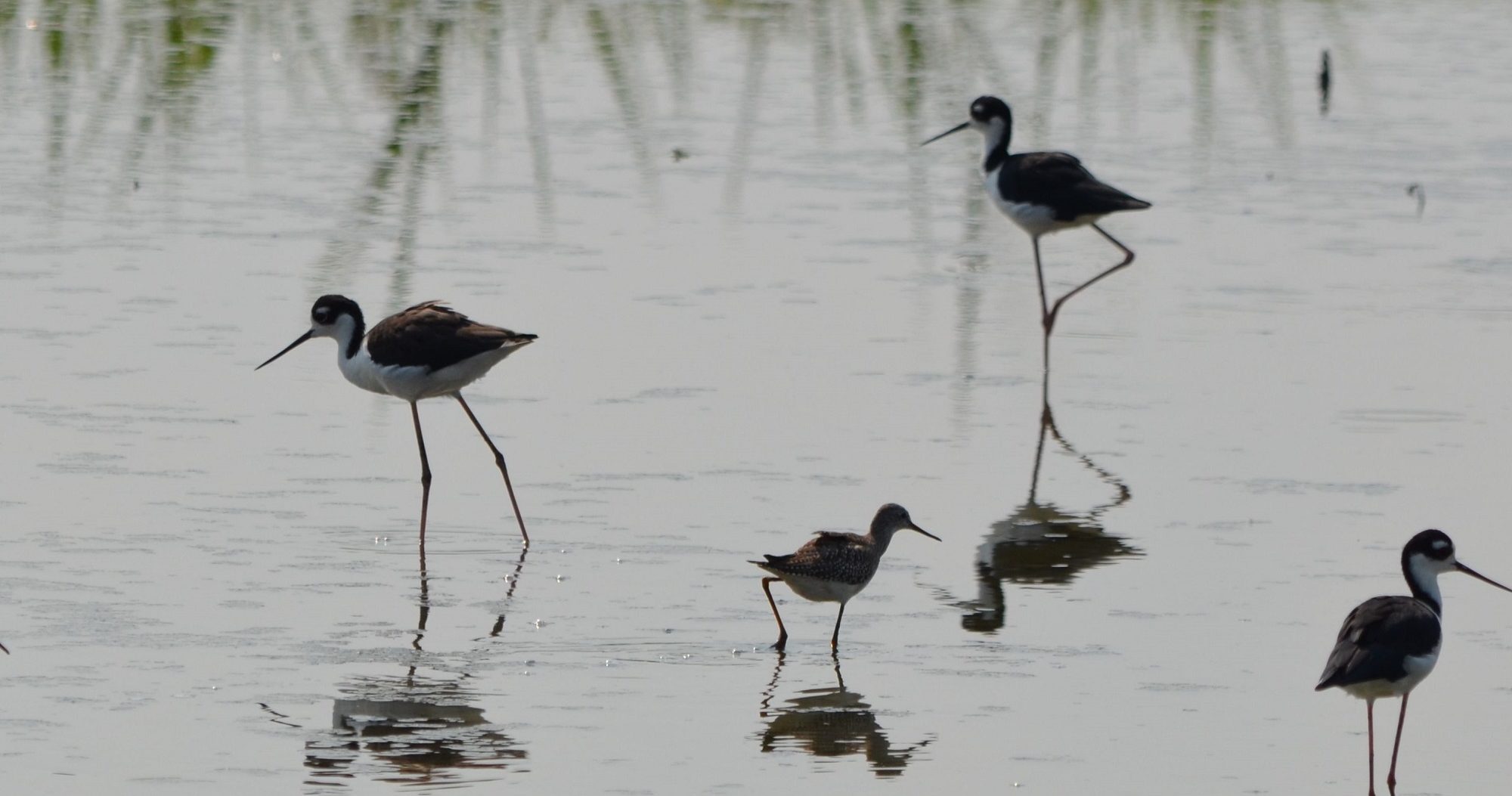
By working with shrimp farmers, we provide significant benefits for shorebirds and other species. Our partners at Quetzalli Nicaragua have been generating a greater understanding of how shorebirds use shrimp farms. It has been confirmed that recently harvested shrimp ponds provide a key ephemeral food source and roosting area. Today in Nicaragua, shrimp farms support 32% of the population of Wilson’s Plovers (Charadrius wilsonia), 2.8% of Whimbrels (Numenius phaeopus), 4.4% of Semipalmated Sandpipers (Calidris pusilla), 2.3% of Willets (Tringa semipalmata), and hundreds of individuals of other species. At least 14 species that regularly use shrimp farms are experiencing population declines, and one species – Semipalmated Sandpiper – is listed as Near Threatened.

Massachusetts Young Birders Club

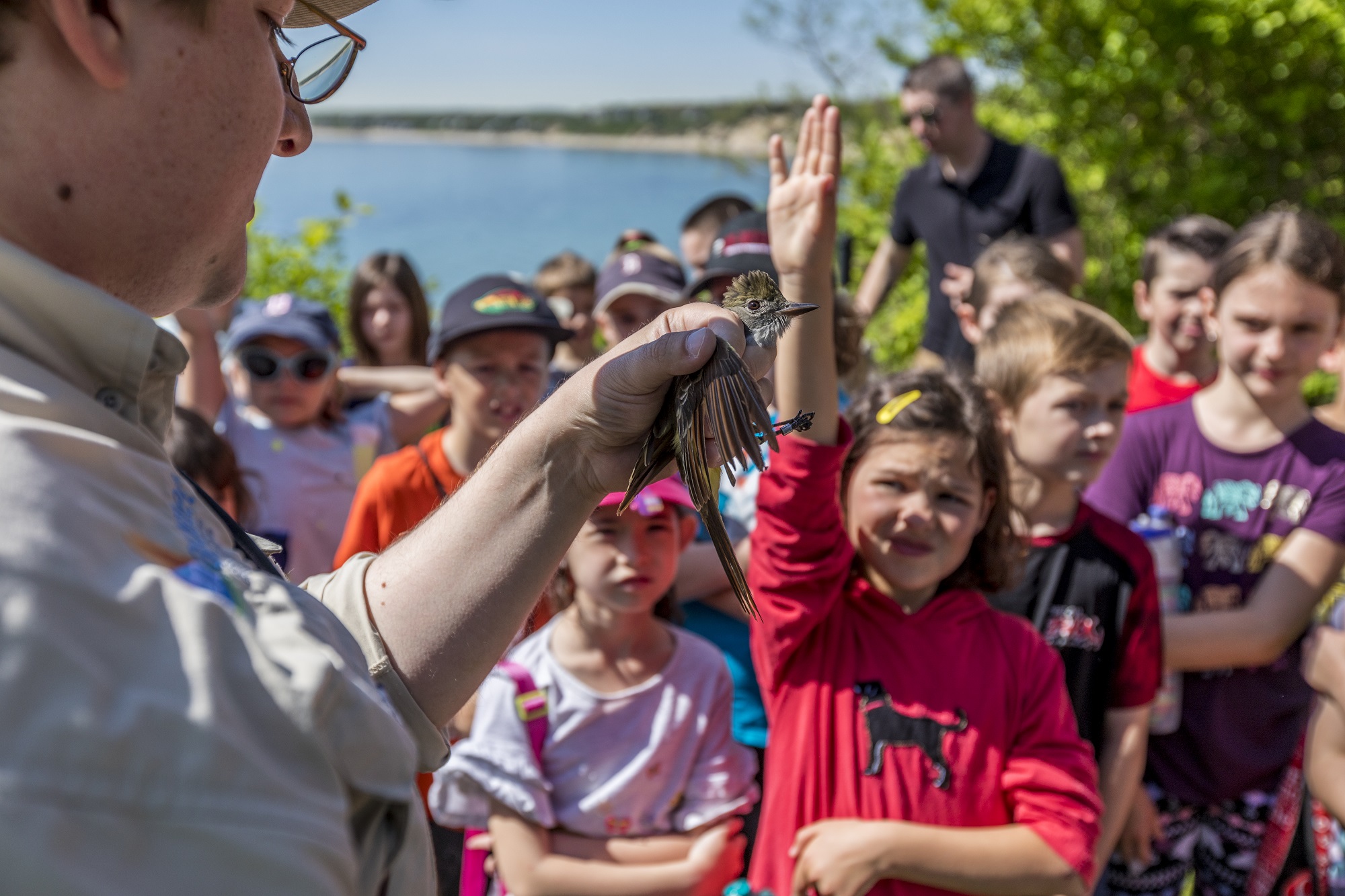
Building connections with nature begins at a young age.

The global community of birders is diverse and growing incredibly fast, with people of all ages and backgrounds discovering birding in recent years. But often, younger birders feel alone in their hobby and wish to connect with their peers.

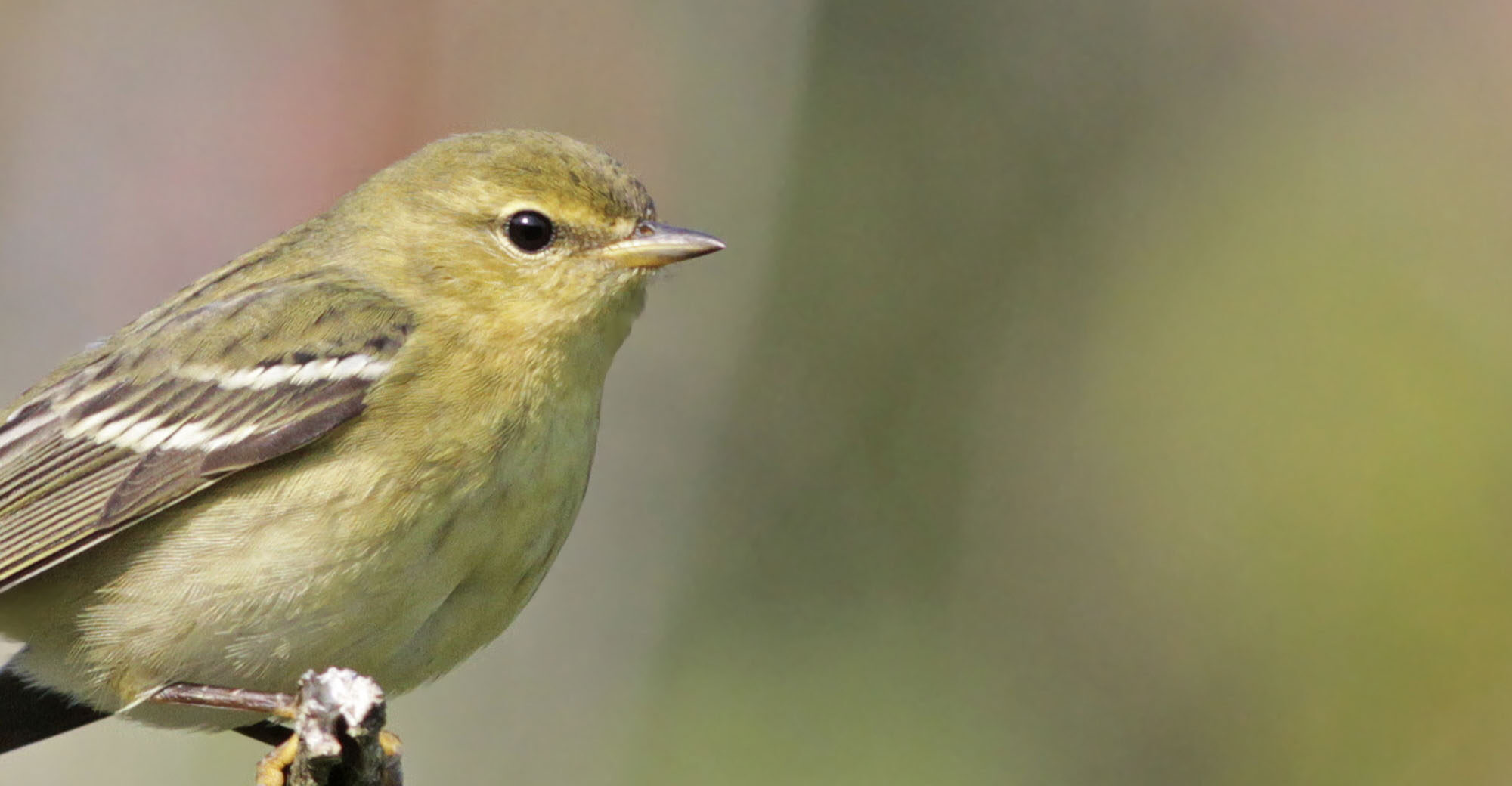
Some young people who have an untapped passion for birds and nature don’t have regular access to the outdoors or don’t have friends and mentors that can share knowledge and enthusiasm about birding. With a guiding principle of ‘birding is for everyone,’ the MYBC aims to provide a place for young people of all backgrounds to discover and share a new passion alongside a community of their peers. (Header image: Blackpoll Warbler. Credit: Ian Davies.)

Open Science

Manomet is committed to open science.

As evidence of changes in the Earth’s climate, its ecosystems, and biodiversity grows, the need for a concerted, collective response from scientists, natural resource managers, policy-makers, and society as a whole is clearer than ever before. Sharing research methods, data, and findings that inform inclusive practices more broadly improves the scientific process, increases science accessibility, and stimulates open debate over conservation and sustainable resource management best practices. Manomet has a long history of producing and sharing data and engaging the public in the scientific process. However, advances in online tools and technologies for collaborative research allow us to go further. Manomet is committed to open, accessible science and is currently developing the technical capacity to support this commitment.

Louisiana’s Working Wetlands

Shorebirds that migrate through the midcontinent can travel up to 18,000 miles between their wintering grounds in South America and their breeding grounds in the Arctic every year, with few stops along the way. For many of these species, Louisiana is their first stop in North America as they travel north in the spring, and their last chance to refuel in North America before they cross the open ocean as they return south in the fall. Over half a million shorebirds from 28 species rely on Louisiana’s wetlands along their journey, and another 3 species breed or winter here.

Our Work – An Opportunity in Working Lands

Historically, shorebirds used the 2.5 million acres of coastal marsh and wet prairie ecosystems in south Louisiana as well as inland wetlands along the Mississippi farther north to rest and forage. These habitats are increasingly rare and in need of protection. Agricultural lands such as rice and crawfish farms can provide alternative habitat for these feathered travelers, especially during their southward migration when the Lower Mississippi Valley Joint Venture has identified a lack of suitable stopover habitat within the region.

Manomet is working on the ground with the Natural Resources Conservation Service (NRCS) and other regional partners, landowners, and producers to promote on-farm practices that will increase habitat for shorebirds through the Working Lands for Wildlife Shorebirds of Louisiana Wetlands program.

Farmers represent a great opportunity to collaborate to achieve conservation goals. By adopting post-harvest practices to hold or collect water, fields that are used to produce essential food for humans can do the same for migratory shorebirds and other wildlife.