


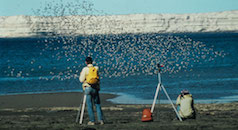

Climate change is reshaping coastal ecosystems and the communities that depend on them. Manomet works with local partners and communities to develop solutions that help people, livelihoods, and wildlife adapt together.
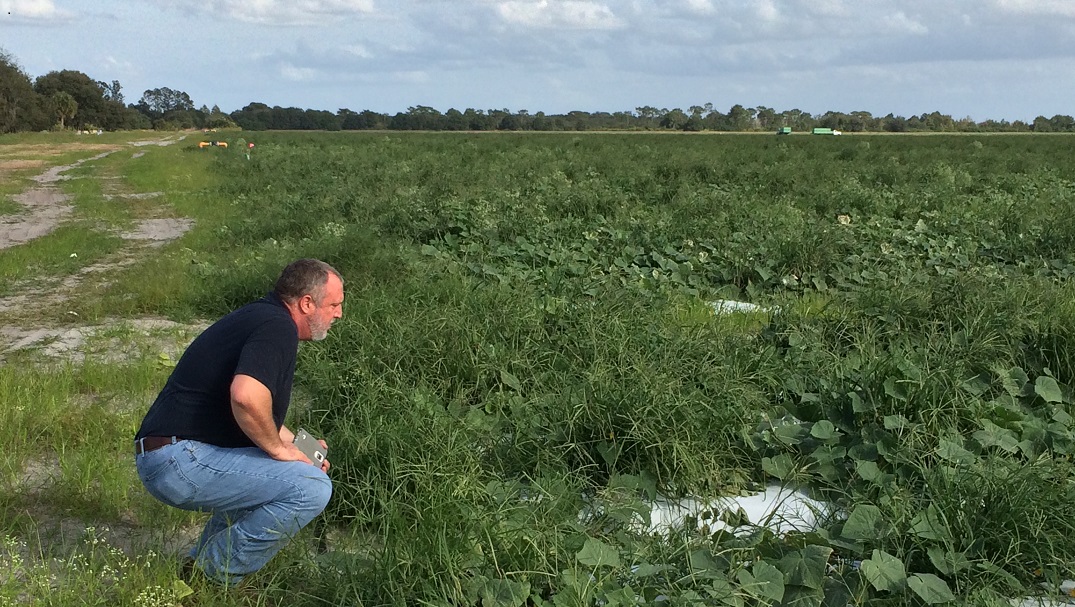
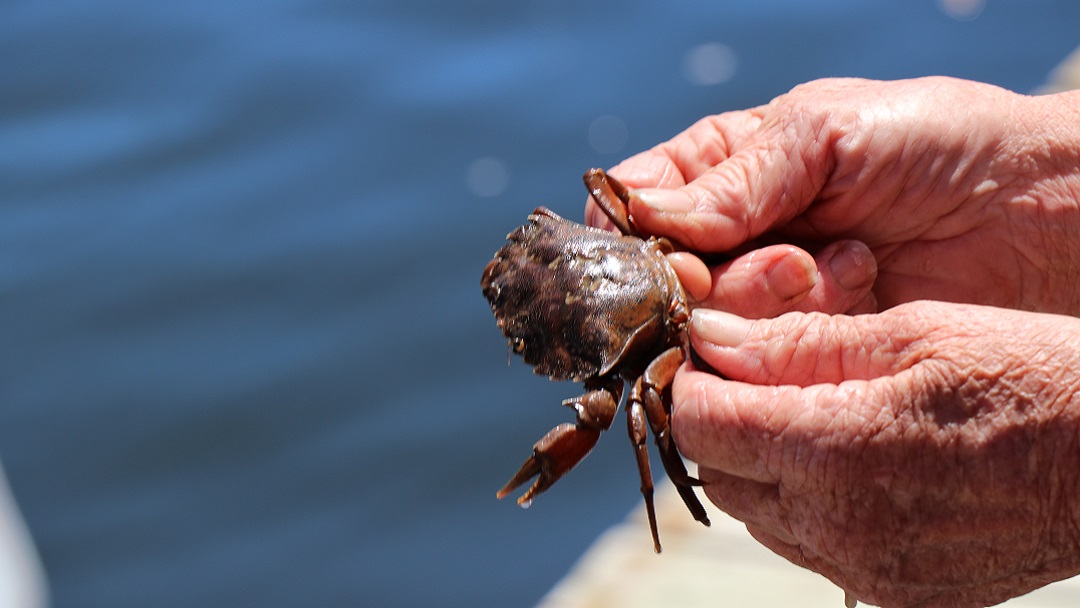
Fisheries
Climate change drives all the work we do in the Gulf of Maine, as we strive to understand the population trends of marine species impacted by unprecedented warming of these waters. Understanding this dynamic is paramount for local communities and decision-makers
to manage fisheries resources and build resilience. We will ensure that climate change and its communication is incorporated into monitoring and research findings. And, we will incorporate climate adaptation and mitigation strategies into all of our site conservation and management plans.
Education
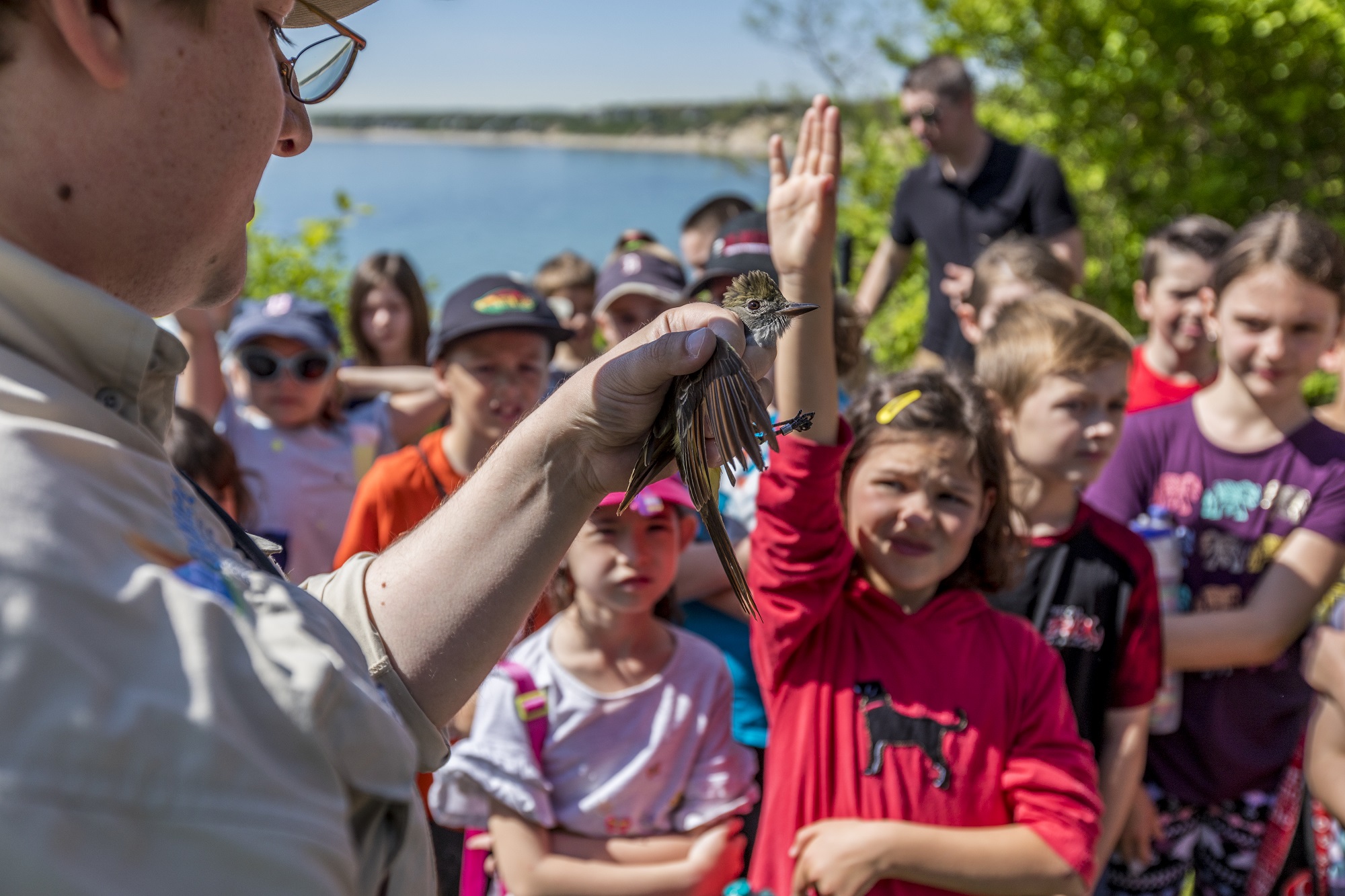
We aim to inspire, mentor, and guide educators and students both in and out of the classroom to create the next generation of informed citizens and future conservationists. The climate crisis will disproportionately impact Millennials and Gen Z, yet they have little or no power to make decisions and create solutions today that will most affect their futures. By giving today’s youngest adults practical sustainability knowledge coupled with professional and interpersonal skills, Manomet’s education programs across the Western Hemisphere helps these individuals gain agency over their futures and become active and effective change-makers.
Working Lands
Through Manomet’s Climate-Resilient Salt and Shorebird Conservation initiative in Honduras, local salt producers are adapting to a changing climate while protecting the coastal ecosystems that sustain both their livelihoods and migratory shorebirds. In San Lorenzo Bay, women are increasingly leading this work, adopting more resilient practices, protecting mangroves and nesting habitat, and helping ensure these working coastal landscapes continue to support people and wildlife.
Landbirds in a Changing Climate
Long-term research from Manomet’s banding lab shows that migratory songbirds are responding to warming temperatures by moving north earlier in spring. A recent study using more than 170 years of observations from Concord, Massachusetts, found that 18 species now arrive an average of seven days earlier than in the 1850s. But plants and insects are shifting even faster, raising the risk that migrating birds could miss the peak food resources they depend on to complete migration and successfully breed.