Habitats for Shorebirds

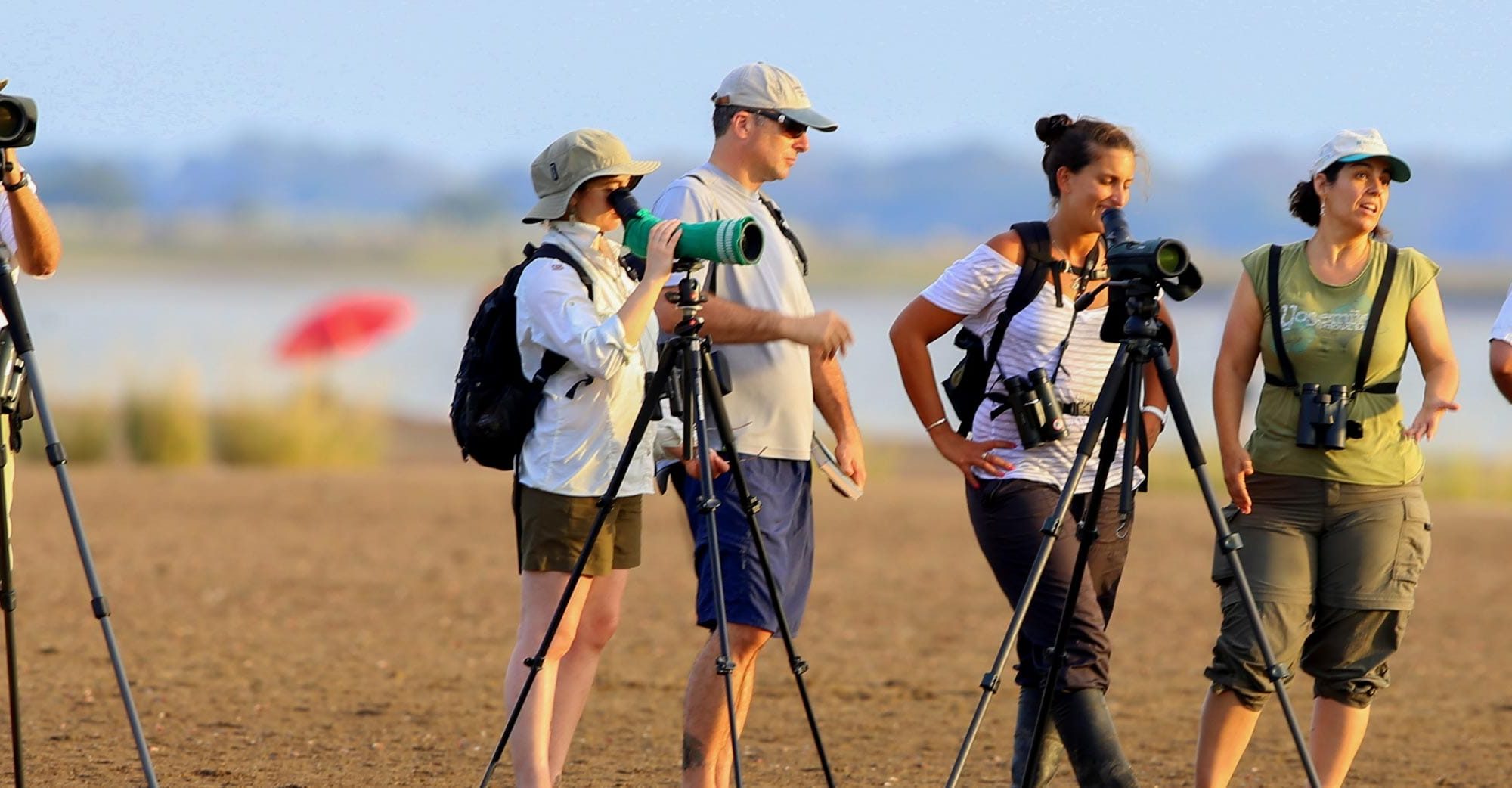
Staff with cameras looking for Shorebirds

Shorebirds have some of the longest known migrations of any animal group, making annual movements that link distant landscapes in 42 countries across the hemisphere from the Arctic to the southern tip of South America. To meet their daily needs and survive their annual migrations, shorebirds rely on a mix of habitats ranging from arctic tundra, wetlands, grasslands, beaches, lake edges, and even agricultural lands.

Wetlands and beaches are among the most highly threatened places throughout the world, and shorebirds depend upon them throughout the year. The loss or reduction of habitat in one place can have cascading negative effects, impacting geographic populations. Today, much of the land that shorebirds rely on has been lost, damaged, or is not managed effectively. As such, shorebirds are one of the most imperiled bird groups.

Population trends consistently show shorebirds to be undergoing some of the most significant and long-term declines of any bird group globally. These trends are likely to accelerate as human populations increase and the effects of climate change escalate. This motivates us into action to reverse these declining trends. We can help and so can you.
Trevor Lloyd-Evans Banding Lab

At the Trevor Lloyd-Evans Banding Lab, we use science and education to create opportunities that connect people to nature. Migratory and resident birds have been banded at our Manomet’s Plymouth, Mass. location since 1966.  Manomet’s Founding Director Kathleen (Betty) Anderson banded the first recorded bird – a Black-capped Chickadee.

For more than 55 years, Manomet has maintained a spring and fall migration bird banding program. Bird banding is an effective method of research that helps answer important questions on issues from conservation to climate change. Manomet’s banding lab, one of the first bird observatories established in North America, focuses on areas including:

  • Migration: When and where birds arrive can tell us about habitat and food availability. This information can be used to inform habitat management and land use strategies.
  • Population: With the data we collect in the lab, we can produce estimates on changes in population and notate trends over time.
  • Life history: Banding contributes valuable information on longevity, habitat, diet, and other physiological trends across species.
  • Productivity: Banding helps us detect shifts in age or sex ratios that would otherwise go undetected.

Manomet staff has recorded over 1,000 plant, animal, and fungus species on site, showing the value of our coastal forest and shoreline as a rich laboratory for research.


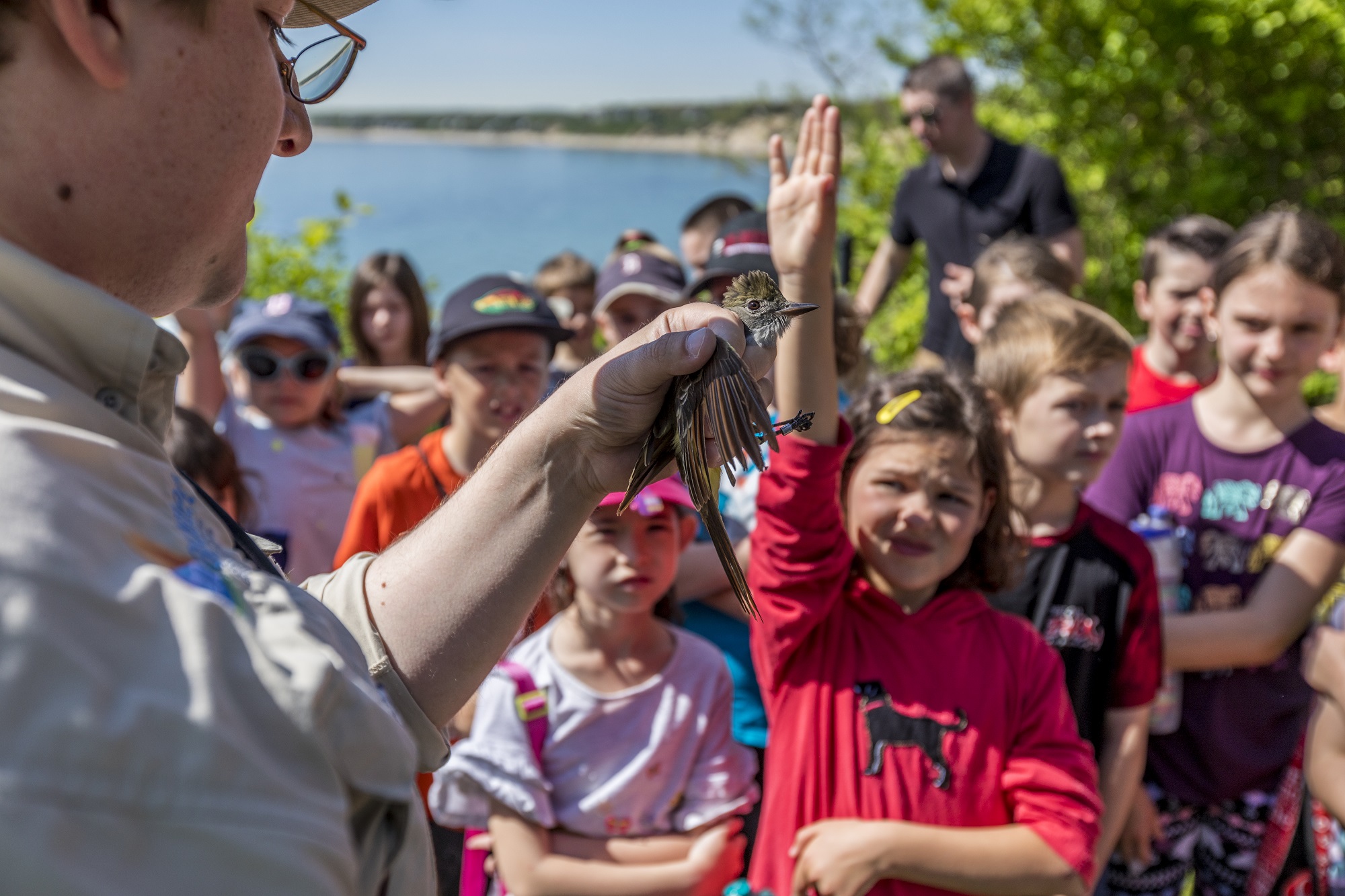
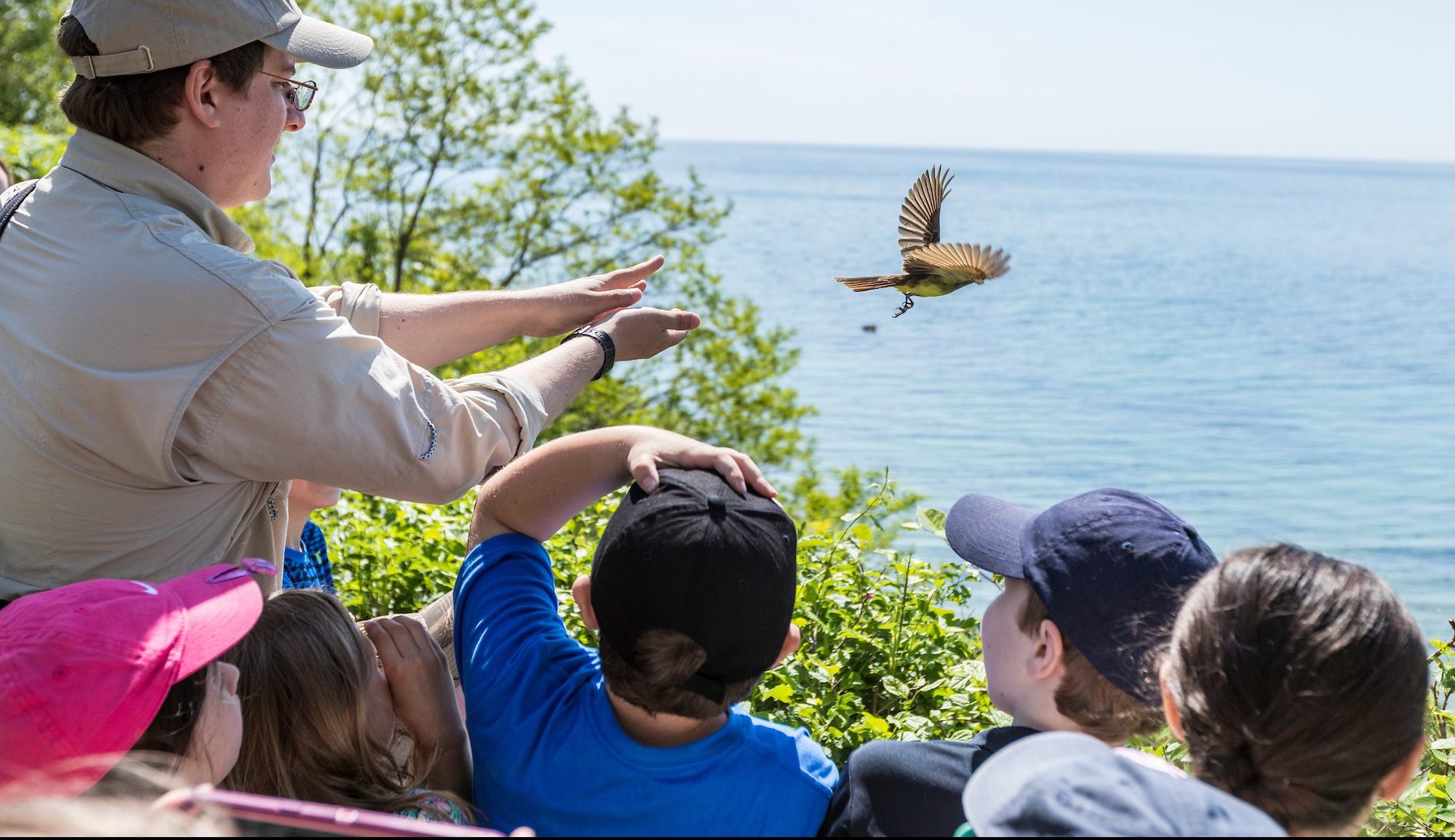
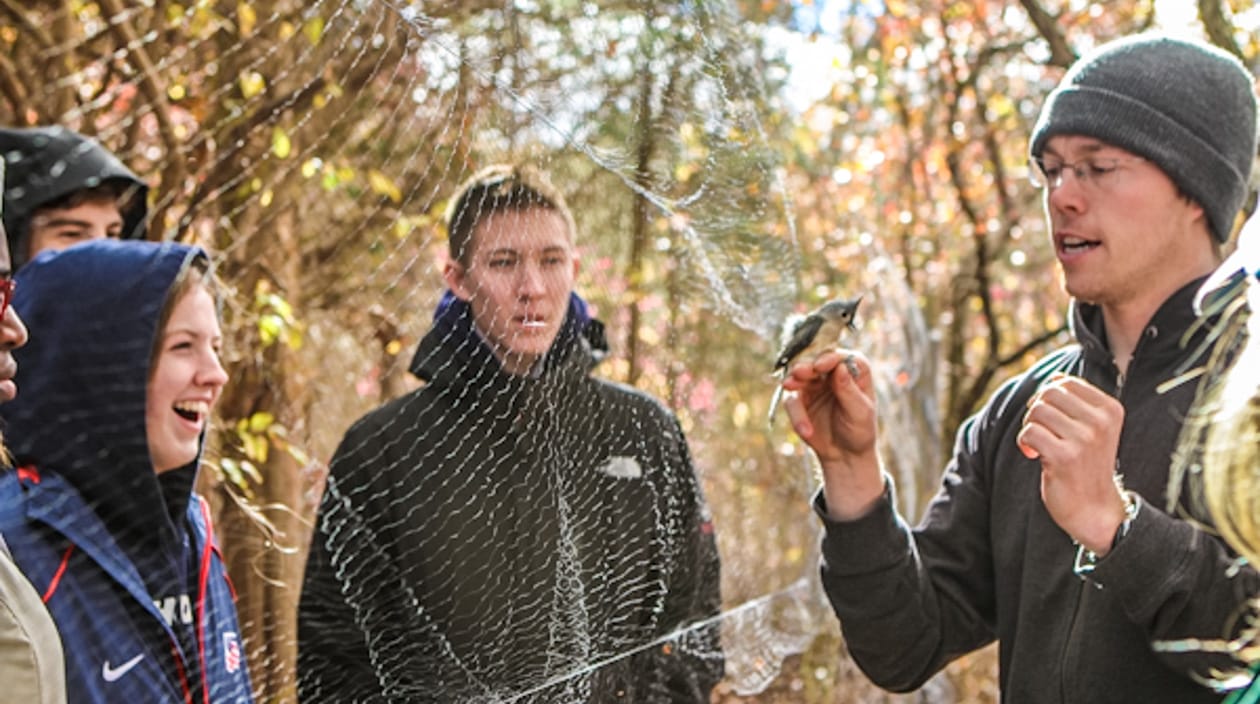
Staff banding lab birds


Why band birds?

Migratory bird banding operations represent an underutilized source of data about bird migration. Long-term data sets in ecology, like ours, may lead to discoveries often missed in shorter-term studies, and are critical for establishing baselines and tracking changes in the natural world. Because birds are widely surveyed by professional and amateur observers alike, and their natural histories are often well-understood, wild bird populations can be useful sentinels of environmental change and ecosystem condition.

The banding team operates 50 mist nets on the property surrounding Manomet headquarters in southeastern Massachusetts along Cape Cod Bay. Nets are kept open during daylight hours, Monday through Friday, in the spring and fall. Banders walk the net lanes, safely removing trapped birds and returning them to the lab where their species, age, sex, weight, and fat content are measured and recorded. We have banded over 250,000 birds and handled over 400,000 since banding began on the property in 1966. We band around 2,500 new birds each year.

As Manomet’s longest-standing program, the banding lab has helped train hundreds of prospective researchers, educators, and conservation advocates since its inception. We educate about 1,000 visiting school children, volunteers, and college students every year. We strive to engage people of all ages with nature and to measurably increase people’s understanding of environmental change.

American Oystercatcher Recovery

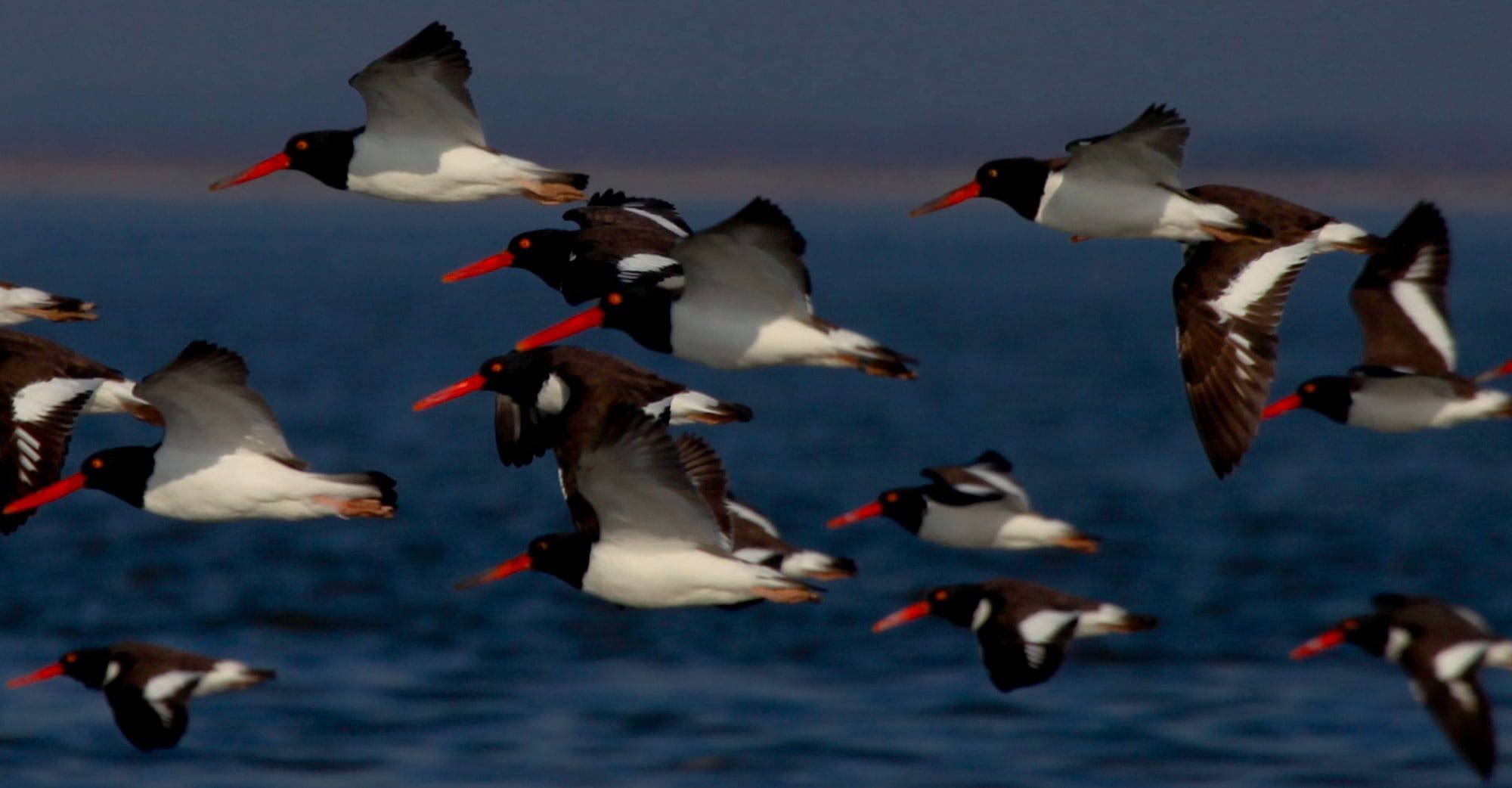
Amoy birds flying over ocean

By 2009, human encroachment, habitat loss, destruction and other threats had reduced the entire North American population of American Oystercatchers to around 10,200 individuals.

Our research team works to increase this number by coordinating the American Oystercatcher Working Group, which implements rangewide research and management efforts that promote the conservation of American Oystercatchers and their habitats. Manomet supports participating organizations with fundraising, coordinates the monitoring that serves as the common success measure for the initiative, and conducts research on factors limiting Oystercatcher populations. We currently manage and monitor nearly 400 nesting pairs of oystercatcher in the Northeast.

Our key strategies respond directly to the issues raised in the Business Plan for the Conservation of the American Oystercatcher, and include:

  • Predation and disturbance management
  • Coordinated monitoring through regular partner feedback and communication to implement management strategies and measure success
  • Habitat restoration by working with local partners to evaluate the greatest impacts on oystercatcher habitat and developing recommendations to employ modification and restoration strategies
  • Reduce knowledge gaps through the collection, analysis, and coastwide implementation of mark-resight data, which allow us to monitor key life history characteristics of oystercatchers including recruitment, survivorship, and dispersal in response to management activities.

These strategies, along with the collaboration of our team partners, will lead to a larger, more robust breeding population of oystercatchers on the Atlantic coast.