Coastal Zone Initiative

Healthy ecosystems and vibrant wildlife populations are critical to ensuring that human communities thrive. The Coastal Zone Initiative (CZI) is committed to addressing these issues and working toward maintaining and restoring resilient habitats that benefit wildlife and people. Manomet CZI works to increase the Beneficial Use of Dredged Material (BUDM) for habitat restoration and resource protection in the US. For decades dredged materials were simply viewed as a “Spoil” and something that need to be disposed. An effort is underway to treat these sediments as a resource to nourish our coasts and associated habitats. We facilitate conversations among Federal, State, Local, and NGO partners to identify lessons learned, challenges and opportunities for coastal habitat restoration.

Shellfish Science and
Co-Management

Shellfish represent the second most valuable fishery in Maine (after American lobster). Wabanaki people have relied on and stewarded shellfish fisheries for millenia, and shellfish continue to support livelihoods across Maine’s coastal communities today. Despite their importance, shellfish landings in Maine are at historic lows—due to the effects of climate change and an increase in predators like the invasive European green crab (Carcinus maenas) and milky ribbon worm (Cerebratulus lacteus). Manomet is working with shellfish harvesters, managers, and other partners on a suite of projects aimed at enhancing shellfish resources, improving our understanding of intertidal ecosystems, and strengthening co-management.

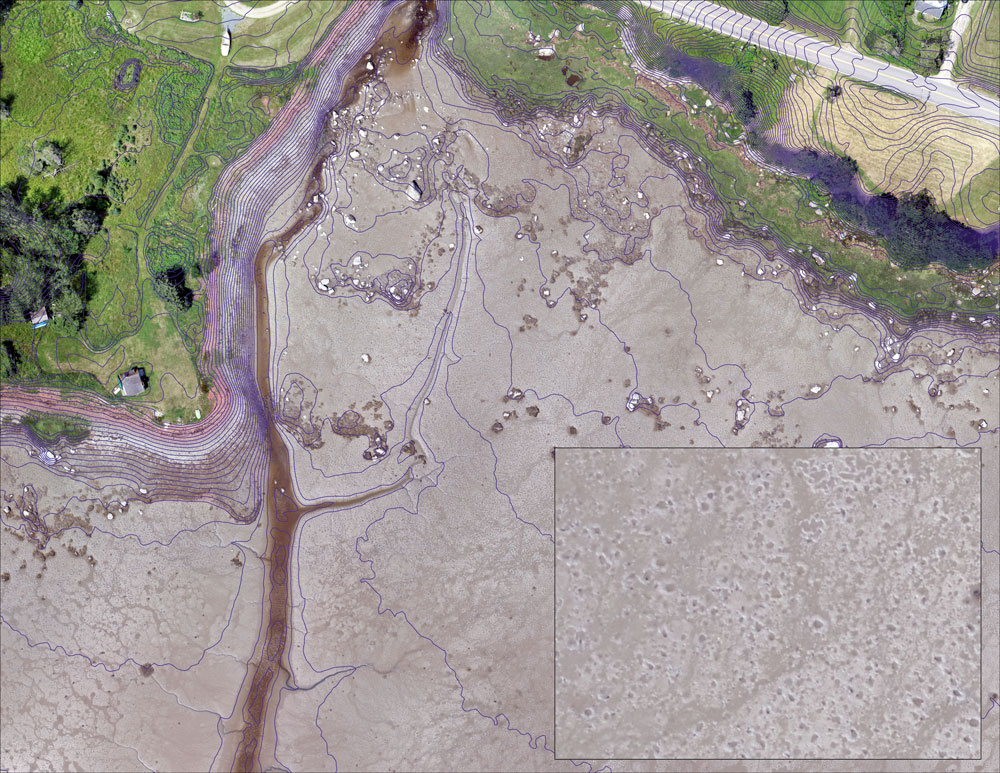
Drone imagery of Northern Bay in Penobscot, Maine. Insert shows evidence of green crab burrowing on the mudflats. Photo: Stefan Claesson, Nearview

Aquaculture

Aquaculture is growing in the Gulf of Maine, bringing both opportunities and challenges for coastal communities and ecosystems. Manomet is partnering with shellfish growers to develop opportunities to diversify the species they are growing on their farms, and working with diverse partners to support equitable and thoughtful aquaculture governance in Maine.

Habitat Restoration and Monitoring

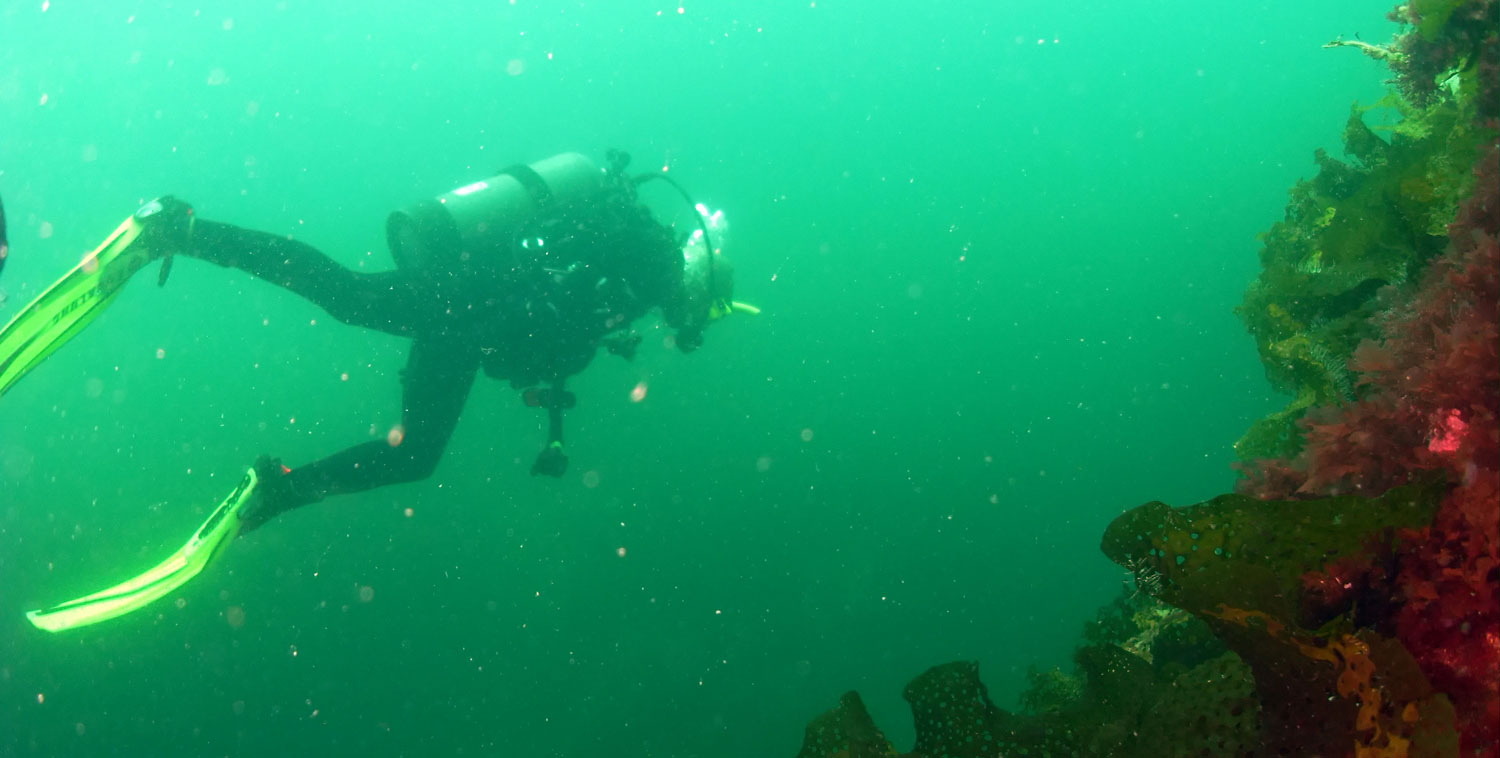
Marine ecosystems in the Gulf of Maine are facing unprecedented rates of climate-induced change. We conduct long-term monitoring of critical coastal habitats and species to better understand climate change impacts and inform adaptation strategies. We’re also conducting habitat restoration work with community partners and utilizing cutting edge research techniques to ultimately strengthen ecosystem and community resilience.

New Fishing Opportunities: Invasive, Emerging and Underutilized Species

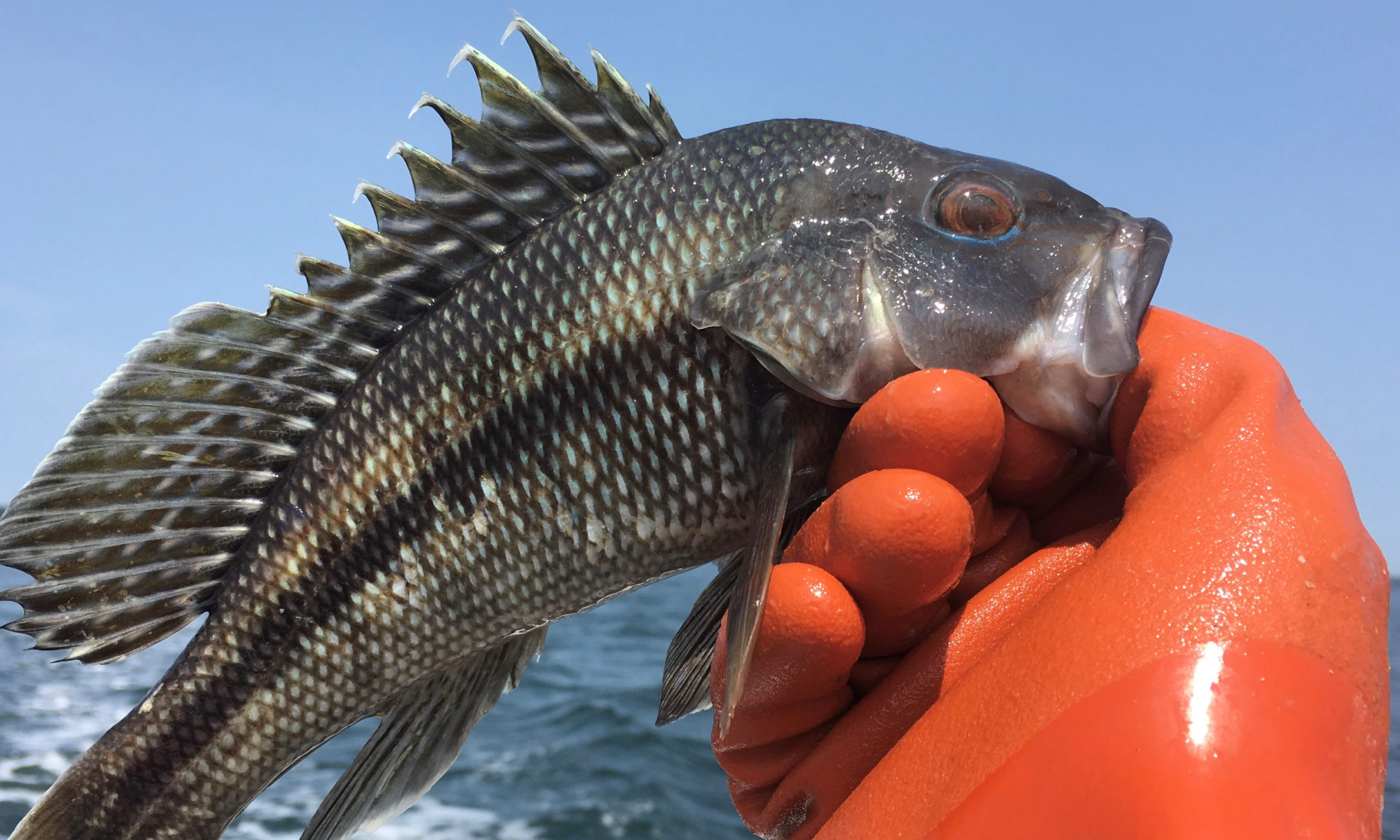
Fishing communities are being disproportionately impacted by climate change and are incredibly vulnerable in the Gulf of Maine where there is low diversity of fisheries resources and limited access to those resources. We are working to develop new fishing opportunities that support resilient coastal communities and ecosystems by targeting invasive, emerging, and underutilized species.