Agriculture

Agriculture’s economic role and impacts make it a critical part of achieving sustainability across the globe.  Agriculture employs over one billion people, produces over $1.3 trillion of food each year, and uses 50 percent of our habitable land.  As the demand for food increases, this pressure is growing rapidly.  Agriculture currently accounts for 20% of global GHG emissions and is the largest global threat to the environment. 

Not surprisingly, these trends are coming under scrutiny for its environmental and social impacts and the investment opportunity for investors.  Businesses that apply sustainability can outperform other businesses by increasing efficiency and reducing impacts while reducing costs and risk, fostering innovation, and maintaining a social license to do business.  Although there are globally hundreds of farm sustainability programs, most fail to balance societal concerns with the need to manage investment risk.  Such program would be used by investors if the programs balanced meeting the growing societal concerns for agriculture with sustainably managing farmland and investment risk in investor portfolios.

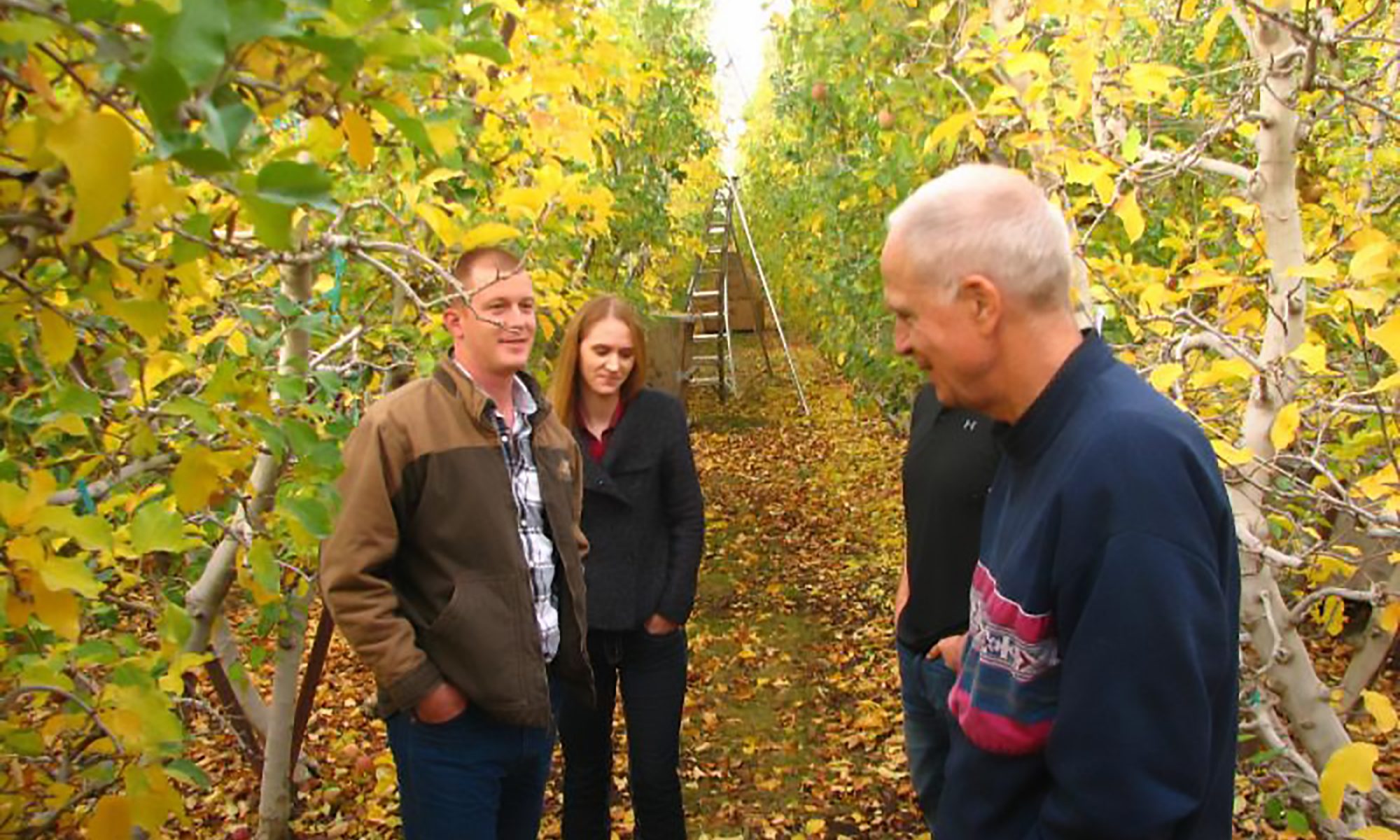
Farmland investment managers can use a framework of farm indicators to improve risk management and sustainability of farmland in their portfolio and address societal concerns.  From our previous work with farmers, we understand that farmers already manage farmland using sustainability indicators, whether they know it or not. Building on Manomet’s in dairy agriculture sustainability, Manomet helped Grantham, Mayo, Van Otterloo LLC, a farmland investment group, tackle sustainability by developing a framework of farmland environmental indicators.
Downeast Fisheries Partnership

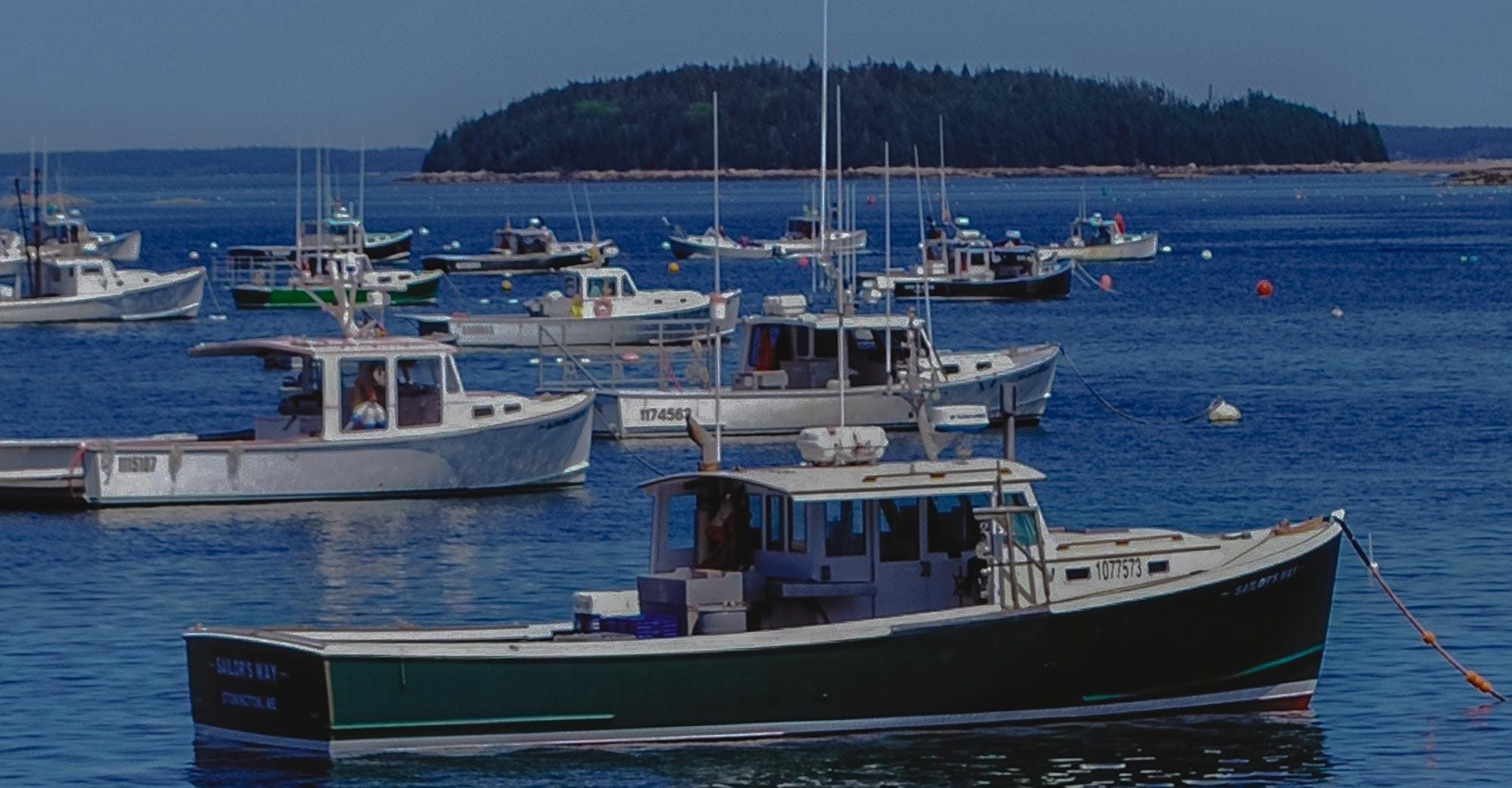
Stonington Harbor boats

The Downeast Fisheries Partnership is an unprecedented effort to restore one of the world’s great ecosystems by reconnecting the rivers of eastern Maine to its coastal waters.

The partnership, launched by Manomet and two other organizations in 2014, currently includes ten partners – and continues to grow. The collective action partnership came together to improve the health of communities in eastern Maine by rejuvenating the region’s once-thriving fisheries economy. The partners collectively represent economic and community development, research and education, conservation and sustainable management.

For more information on the Downeast Fisheries Partnership visit: https://downeastfisheries.org/

Climate Smart Land Network

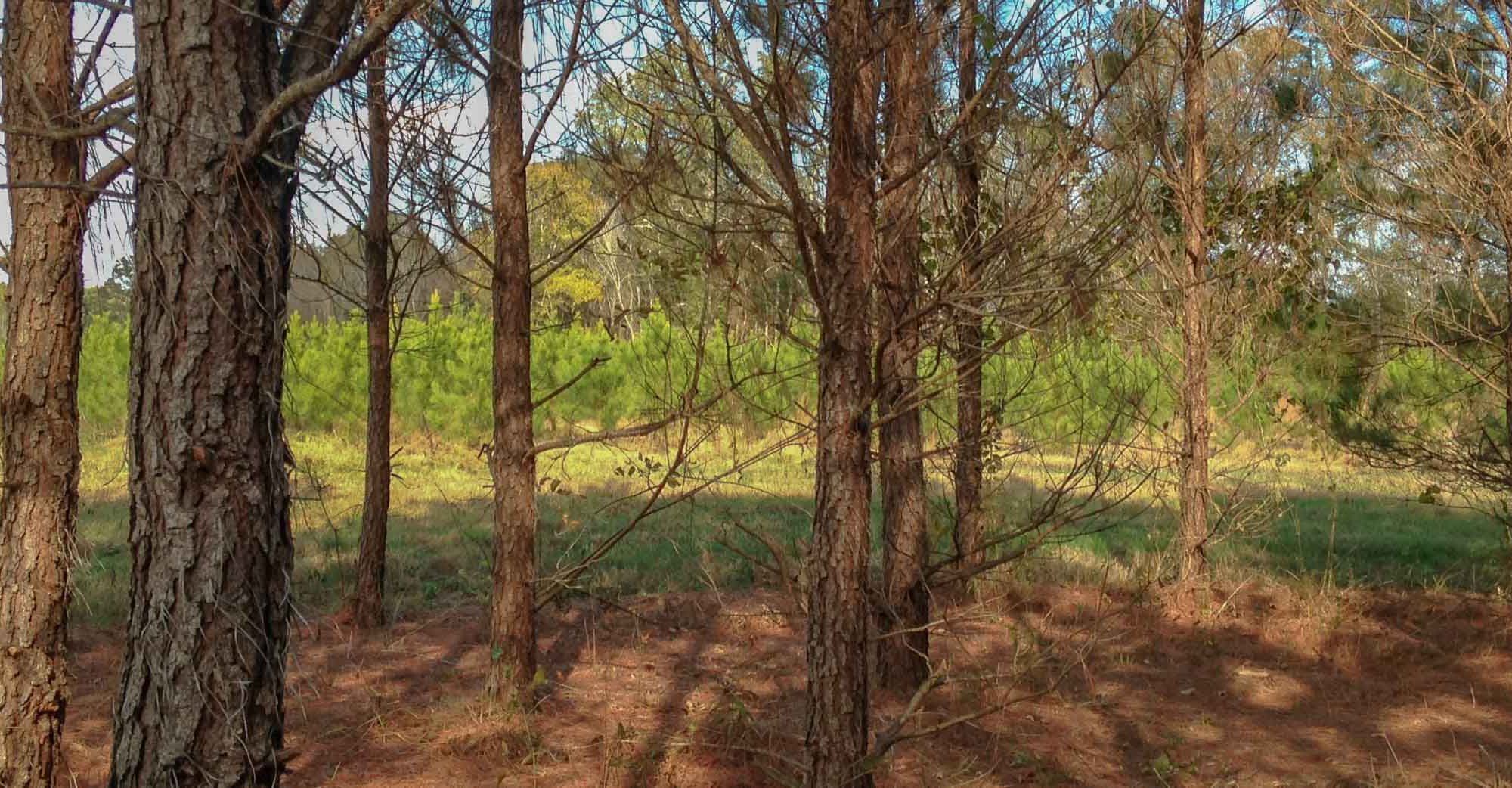
Pine tree forest

Climate change is impacting the health, productivity, and character of our forests and the industries and communities that rely on them. We depend on healthy forests to provide important services to society, such as carbon sequestration, air and water filtration, wildlife habitat, and others. A range of climate-related impacts are already becoming evident—from drought-induced forest mortality in some regions to shifts in the geographic range and outbreak frequency of certain forest pests. At the same time, a lengthening growing season and a carbon-rich atmosphere have the potential to boost forest growth. To minimize the ecological and economic risks, and capitalize on emerging opportunities, the individuals and organizations that own and manage forestland must both understand how climate and forests are changing and integrate that knowledge in their planning and management.

Western Hemisphere Shorebird Reserve Network (WHSRN)

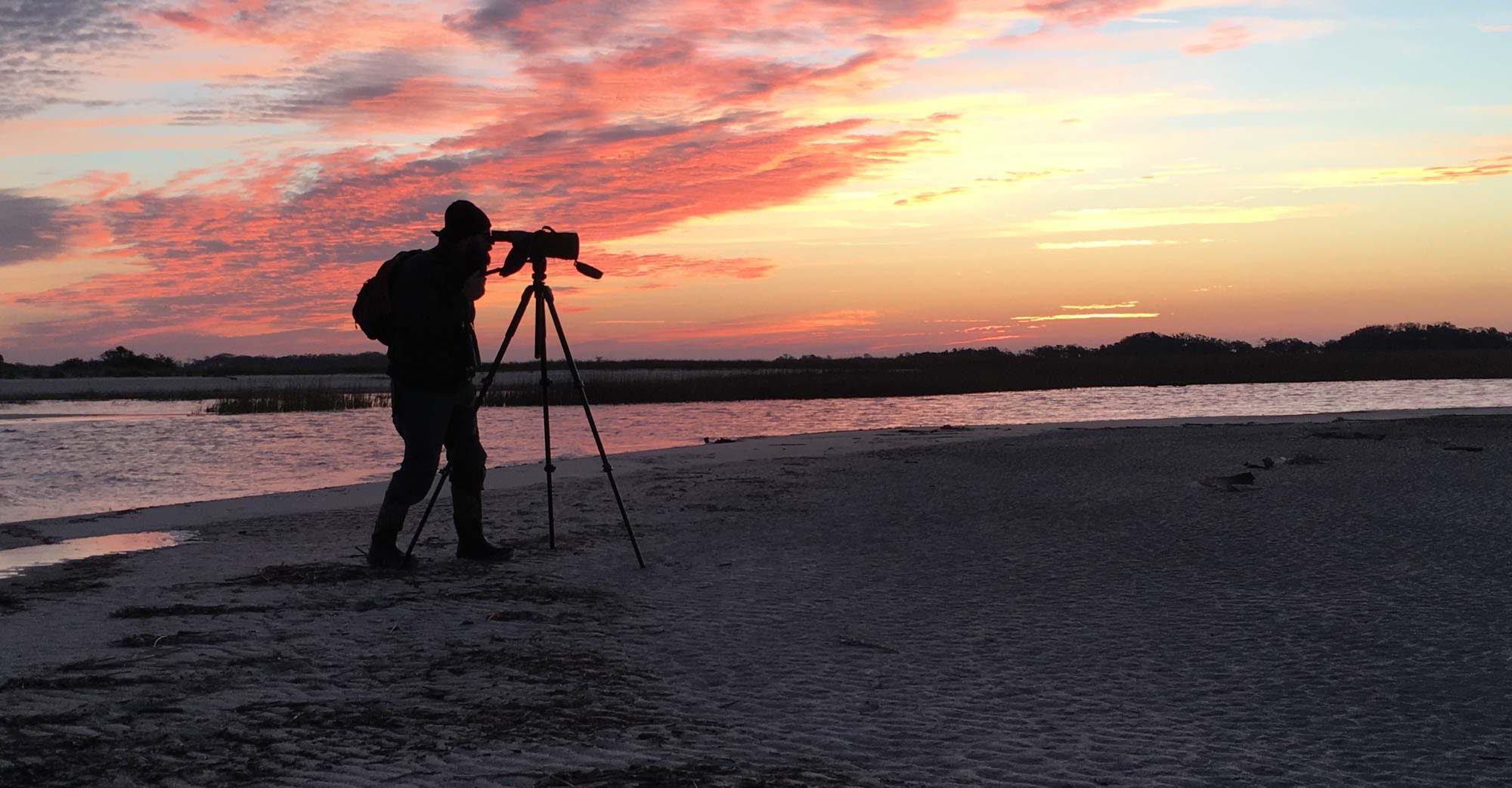
Man with camera at sunset on beach

Shorebirds are among nature’s most ambitious long-distance migrants, but their numbers are declining rapidly with some species projected to go extinct within our lifetime. Protecting these birds is an important international conservation priority that requires proactive and coordinated efforts within each of the countries these birds fly through during their vast, pole to pole migrations.

The Western Hemisphere Shorebird Reserve Network (WHSRN) is a science-based, partnership-driven, conservation initiative for protecting the ecological integrity of critical habitats for shorebirds throughout the Americas.

Started in the mid-1980s with the designation of Delaware Bay as the very first WHSRN site, the Network today includes 119 sites in 20 countries, covering 38.9 million acres of shorebird habitat. WHSRN is coordinated by an Executive Office that provides core staff, strategies, and services to the Network’s sites and partners under the direction of the WHSRN Hemispheric Council. For most of its history, the WHSRN Executive Office has been housed within Manomet, where it continues to this day as part of Manomet’s Flyways Program.

International Shorebird Survey

Birds flying through field

To know where conservation is needed — and if initiatives have been effective — shorebird scientists require a broad understanding of species populations and trends. In 1974, Manomet organized the volunteer-based International Shorebird Survey (ISS) to gather information on shorebirds and the wetlands they depend on. Through the work of dedicated volunteers conducting field surveys during spring and fall migrations, this monitoring network provides hemispheric data on shorebirds.  2024 marks the 50th anniversary of this incredible collaborative work!

The information gathered through the ISS has proven pivotal to a wide range of shorebird endeavors across the hemisphere including national shorebird conservation plans, site nominations for the Western Hemisphere Shorebird Reserve Network, and recently the 3 Billion Birds project. To date, hundreds of shorebird enthusiasts have conducted over 100,000 ISS field surveys during spring and fall migrations to gather information on shorebirds and to contribute to scientists’ understanding of species populations and trends.