In June of 2010, Manomet and its partners released the results of a six-month study to better understand the implications of using wood for energy in Massachusetts, titled “Biomass Sustainability and Carbon Policy Study.” The study was conducted for the Massachusetts Department of Energy Resources.
Fisheries
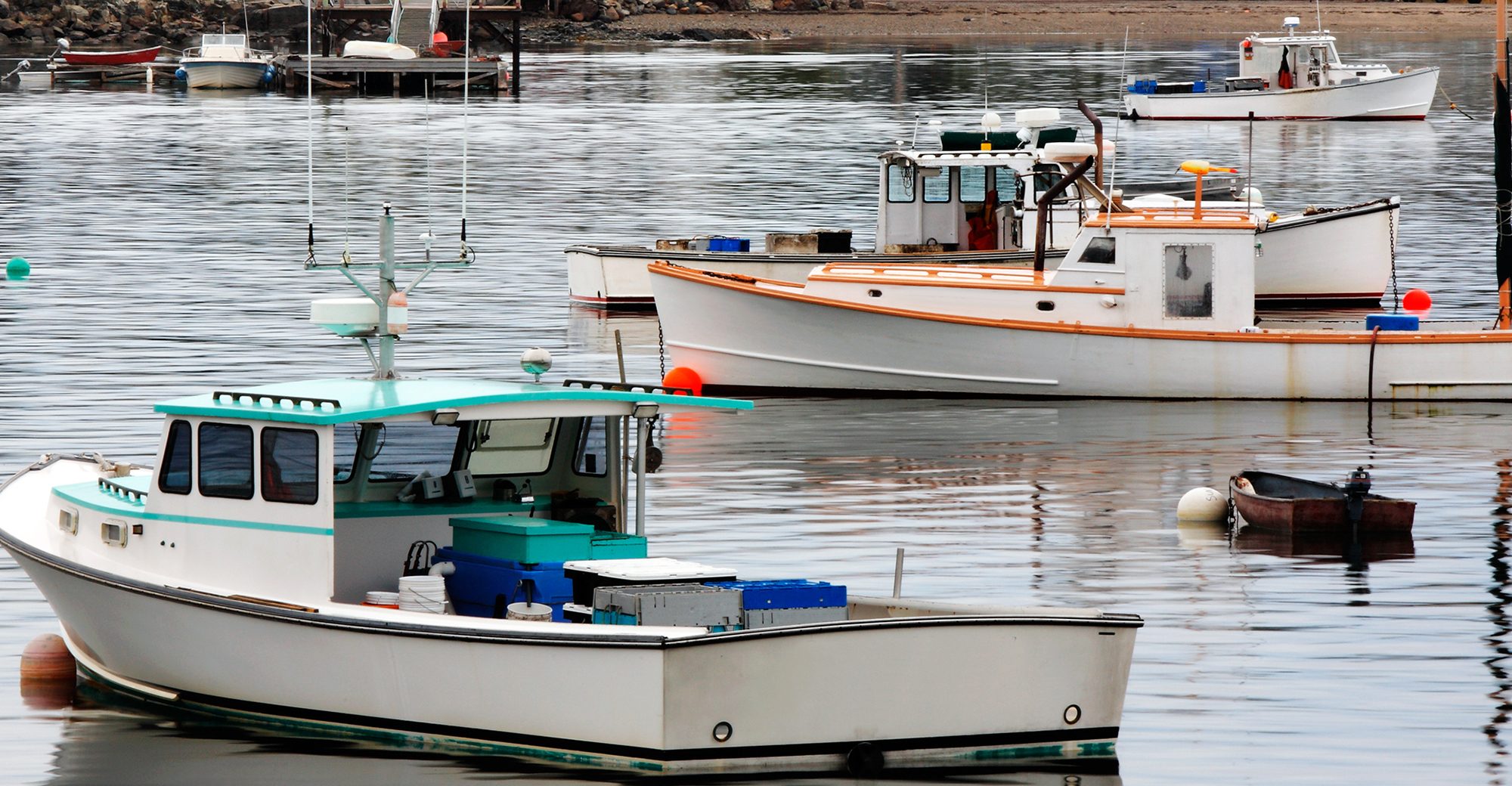
Manomet’s Fisheries team works to promote resilient and productive coastal ecosystems and communities through applied science and community engagement. Our work focuses on the Gulf of Maine, an area experiencing rapid climate-induced warming and immense ecological and social change. We work in partnership with coastal communities, fishers, and other industry members to co-develop climate change adaptation strategies that build greater social, ecological, and economic resilience.
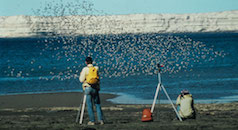
Arctic Shorebird Research
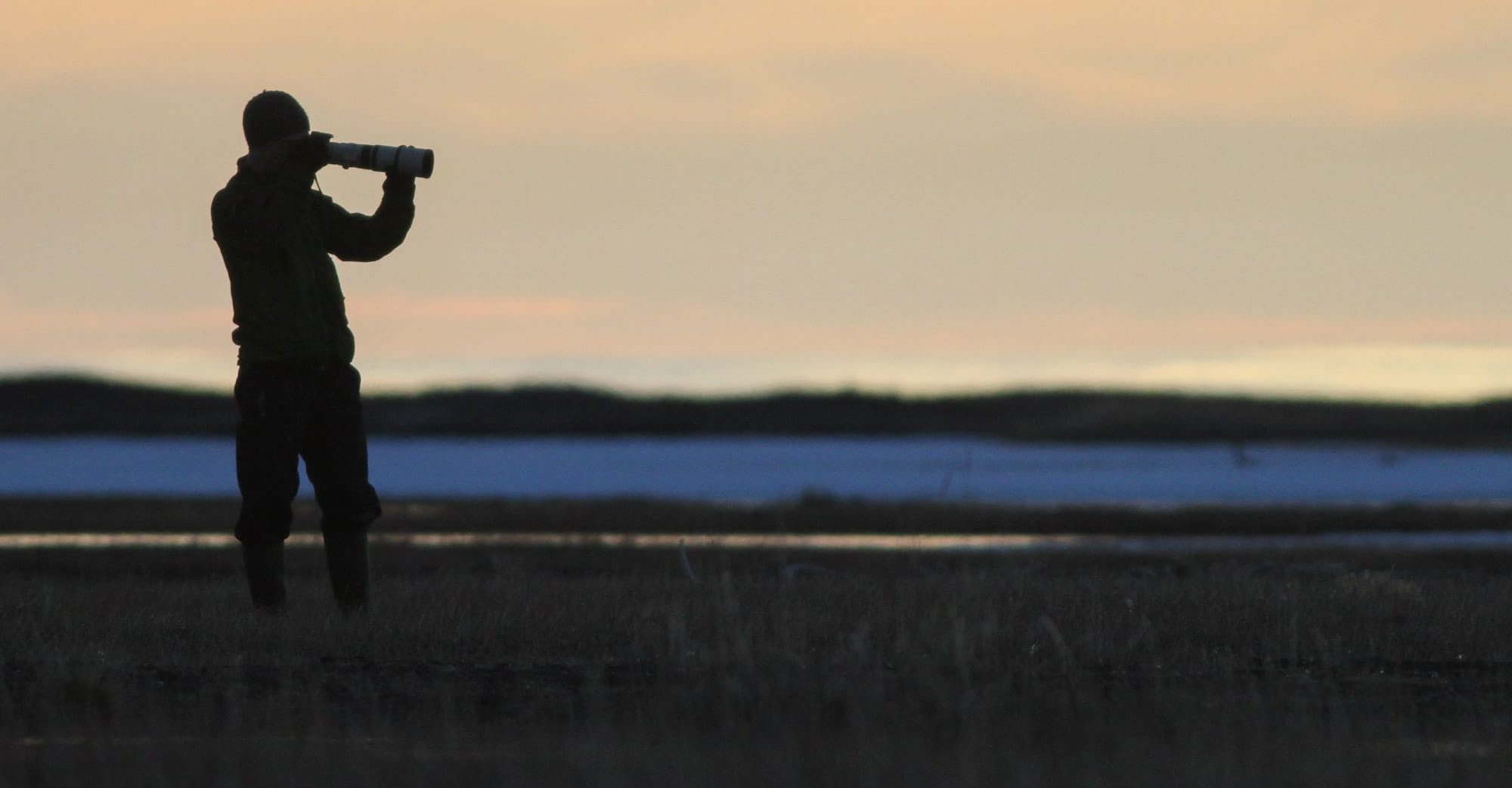
In recent decades, shorebird populations have plummeted. Without effective and immediate action, some species could disappear entirely in the coming decades. Scientists know that populations are falling precipitously, but they don’t know exactly why. Through our Arctic shorebird research, Manomet researchers hope to unlock some of the mysteries of these dramatic shorebird population declines.
Whimbrel Research and Conservation
Many populations of large, migratory shorebirds, including Whimbrel and other curlew, are experiencing significant declines at a global scale. These declines can be attributed to individual threats such as unregulated hunting on their wintering grounds, but most declines are the result of cumulative threats throughout the migratory life of each bird.
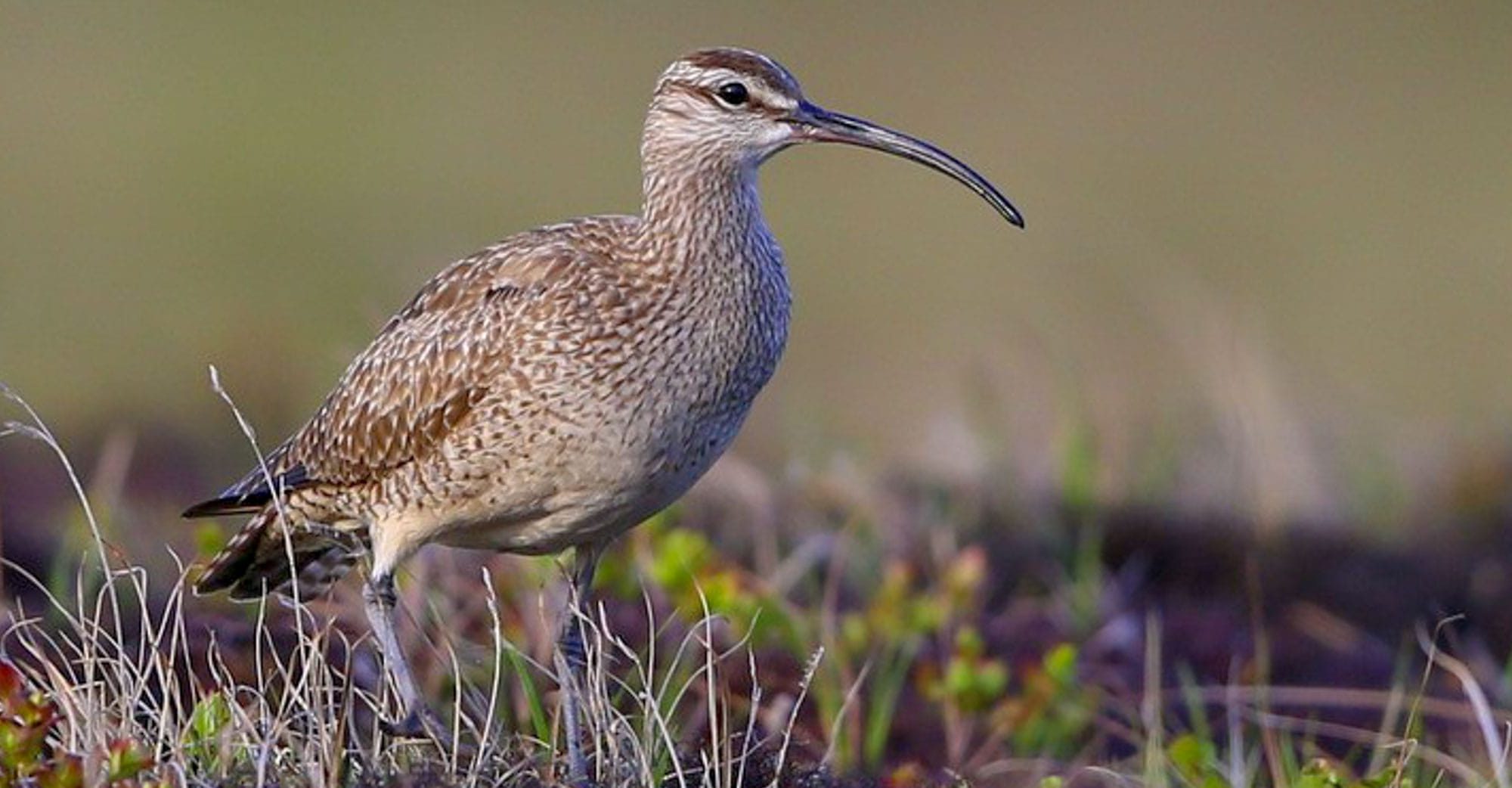
Manomet is studying Whimbrel (Numenius phaeopus) migrations to help understand where and when conservation actions are needed to improve the life-supporting conditions on the ground for this and all shorebirds. From July through late September, Whimbrel migrate southward from their Arctic and sub-Arctic breeding grounds and some spend up to a month with us along our coast. While in Massachusetts, Whimbrel spend almost all of their time in the saltmarshes feeding on fiddler crabs—an important staple in their diet. After replenishing their energy reserves, Whimbrel in Massachusetts will typically make a non-stop, trans-oceanic flight to their wintering grounds in the Caribbean Islands or all the way to the north coast of South America.
Whimbrel populations are particularly vulnerable to decline, given their adaptation to specific food resources, dependence on vulnerable coastal habitats, and exposure to hunting on their wintering grounds. Given these concerns, Manomet and our project partners have identified Whimbrel as a current priority for conservation and research. Through the use of new and emerging tracking technology, we are now able to understand more about what it takes to support Whimbrel populations and answer some of the remaining mysteries of the Whimbrel’s life history.
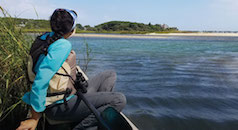
Watershed Resiliency
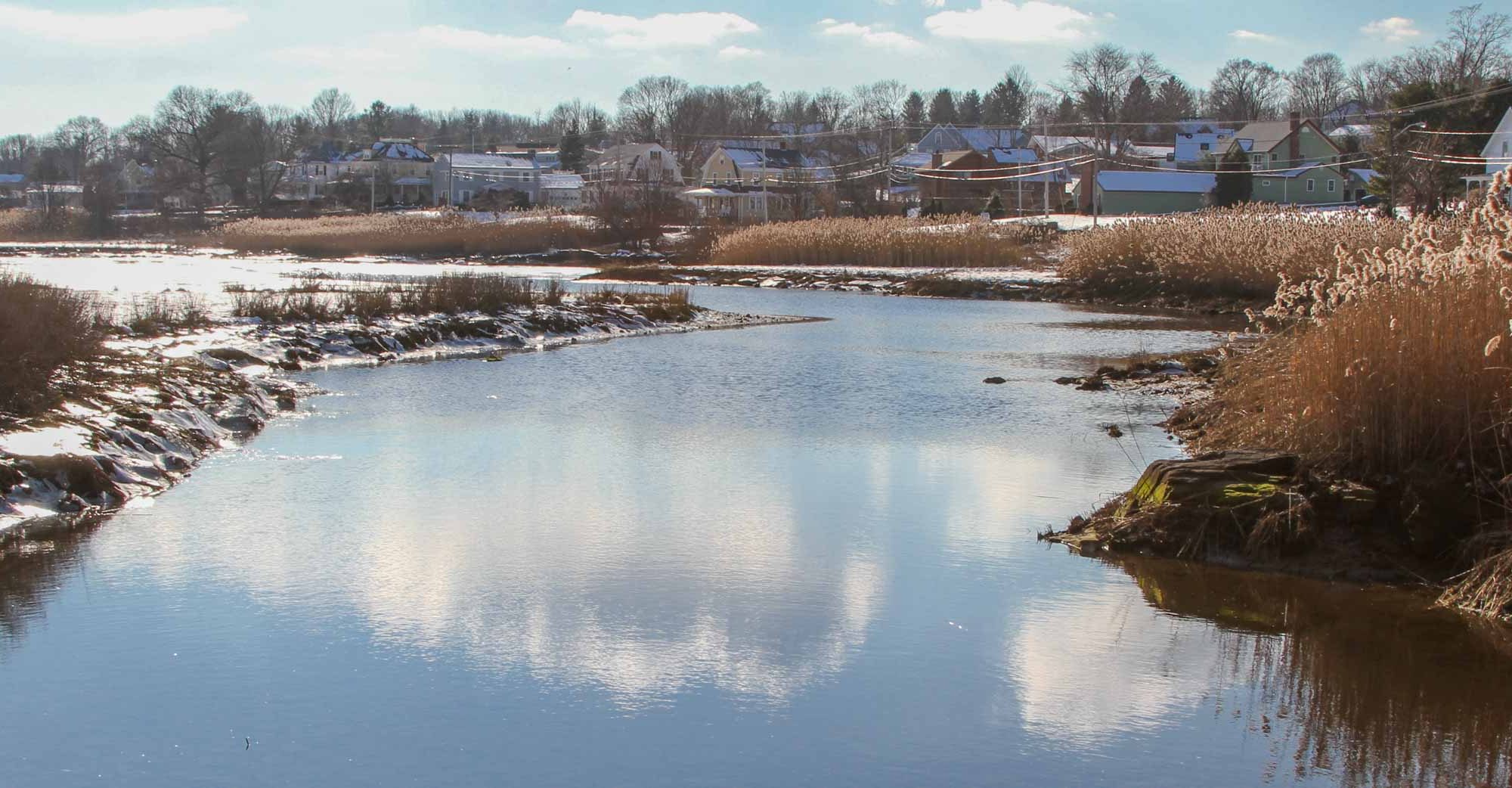
Climate change is affecting local communities through more intense rainfall events, higher temperatures, rising seas, and changing weather patterns that impact both natural ecosystems and the built environment. From rising sea levels that will reshape coastlines and exacerbate storm surge flooding, to changing precipitation patterns that will affect the quality and quantity of water resources at critical times of the year, there are a growing number of reasons why it benefits communities to take an integrated watershed approach to addressing these problems. Manomet believes people can best address climate change by capitalizing on the multiple benefits provided by intact, healthy ecosystems and our work on watershed resiliency is focused on putting this idea into practice.