


 Back to all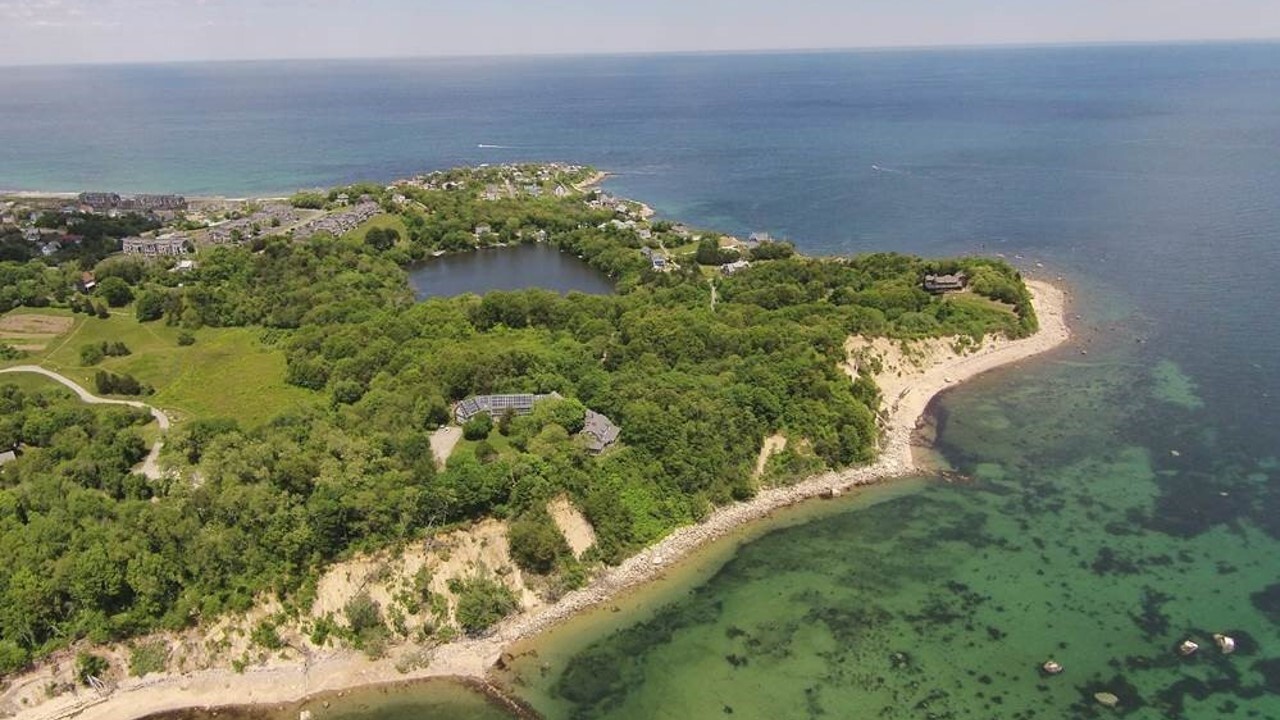

Dorie Klissas
For Immediate Release
Contact: Dorie Klissas at [email protected] | (917) 287-5643
Manomet Conservation Sciences to Transform Historic Simes House into a Community Hub for Conservation and Learning
Plymouth, Massachusetts (May 18, 2026) — Manomet Conservation Sciences, a science-driven nonprofit conservation organization headquartered in Plymouth, announced today that it has signed a Purchase and Sale Agreement with the Town of Plymouth to acquire and steward the historic Joseph A. Simes House. Manomet Conservation Sciences plans to transform the property into a vibrant, community-focused hub for environmental education, public programming, and civic engagement.
The Simes House is a 19th-century historic residence located along Manomet Point Road, less than half a mile from the Manomet Conservation Sciences headquarters. Built in the early to mid-1800s, the house is associated with Joseph A. Simes, a prominent Plymouth resident whose life and livelihood were closely tied to the maritime economy that shaped the region. Recognized for its Greek Revival architectural style, the house has long served as a visual and cultural landmark for the community.
Established in 1969 as the Manomet Bird Observatory, Manomet Conservation Sciences employs more than 60 staff members and works with over 365 partners across the Western Hemisphere. Headquartered in Plymouth on a 38-acre property along Manomet Point Road, the organization has spent more than five decades partnering with communities, scientists, and educators to help nature—and people—thrive. The Simes House offers a unique opportunity to extend the organization’s deep local roots in Plymouth, along with its national and international expertise, by creating an accessible, community-focused space for conservation, education, and civic engagement.
Building on its already growing slate of public events and programs, Manomet Conservation Sciences plans to use the Simes House and its grounds as a highly visible and accessible community space for year-round engagement. Programming will include lectures, hands-on workshops, and collaborative events with local organizations. The historic property will also host a variety of art and cultural events, community gatherings, and family-focused nature activities as early as this Summer.
“The Simes House represents a rare opportunity to honor Plymouth’s history while investing in its future,” said Lizzie Schueler, President of Manomet Conservation Sciences. “Last year, Manomet Conservation Sciences hosted 70 programs and events, welcoming over 5,000 attendees. This incredible engagement demonstrates the community’s interest in connecting with nature, and acquiring the Simes House will allow us to expand these efforts—creating a vibrant, welcoming space where families, students, educators, and neighbors can gather, learn, and explore the natural world together.”
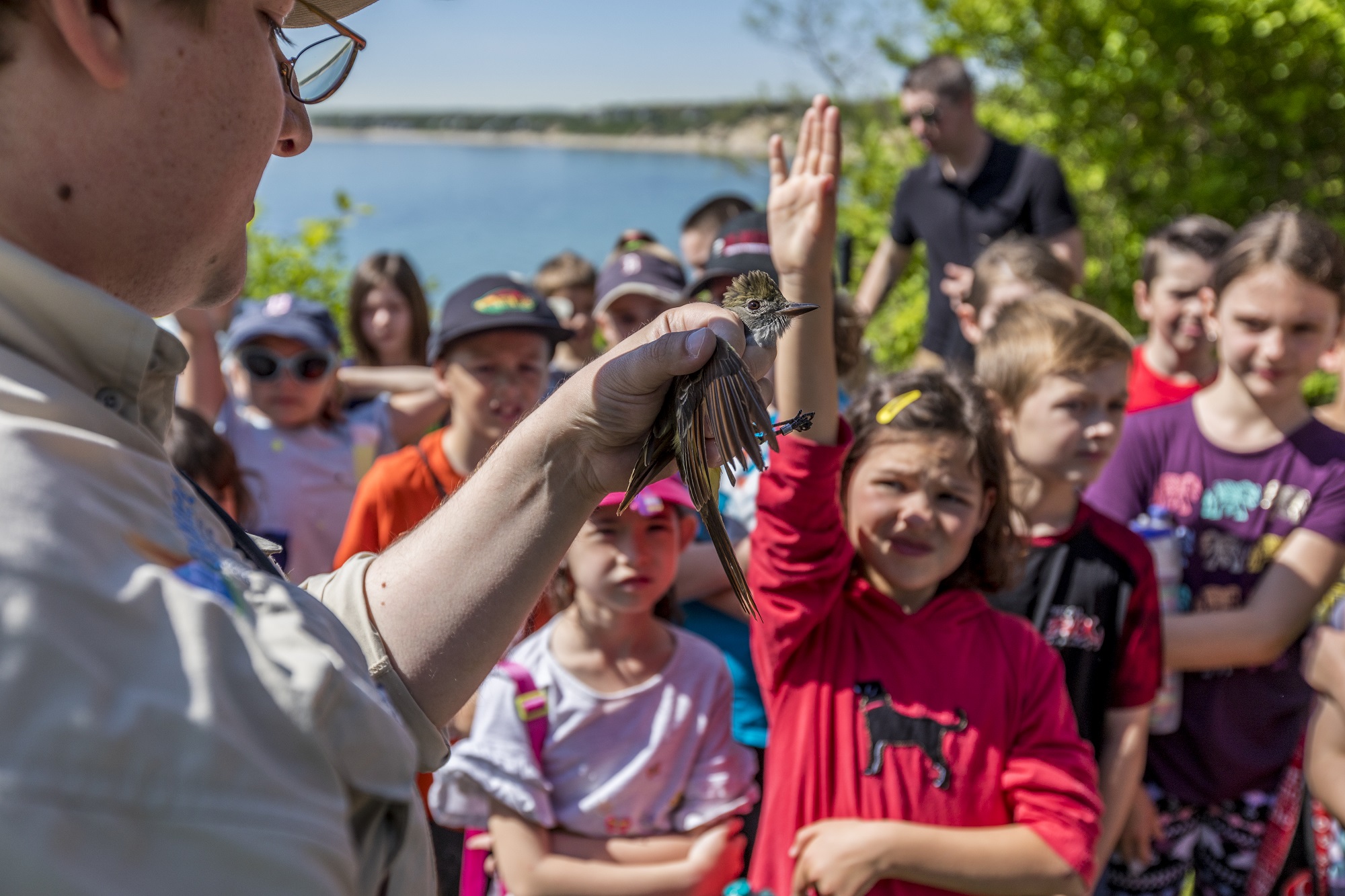
The Simes House will support Manomet Conservation Sciences’ rapidly growing outdoor science education programs, which currently serve more than 2,000 students annually through inquiry-based, hands-on learning aligned with Massachusetts science standards. The property may also host professional development programs for educators, including those affiliated with the Wade Institute for Science Education.
“Across the Americas—from the North Slope of Alaska to the southern tip of Argentina—Manomet’s scientists work to build a more resilient world,” Schueler said. “The Simes House allows us to share our global mission with the community, transforming a historic property into a living legacy for Plymouth and beyond.”
Upcoming events and programs at the Simes House will be posted on Manomet Conservation Sciences’ website at www.manomet.org/events and shared through the organization’s social media channels.
About Manomet Conservation Sciences:
Manomet is a science-driven conservation organization with deep roots in bird conservation. Teams across the Western Hemisphere focus on improving the health of flyways and ecosystems challenged by climate change and human activities. The organization’s goals are to reverse the decline in shorebird populations, promote coastal resilience, and educate and empower the next generation of conservationists. To learn more, go to: https://www.manomet.org/