

 Back to all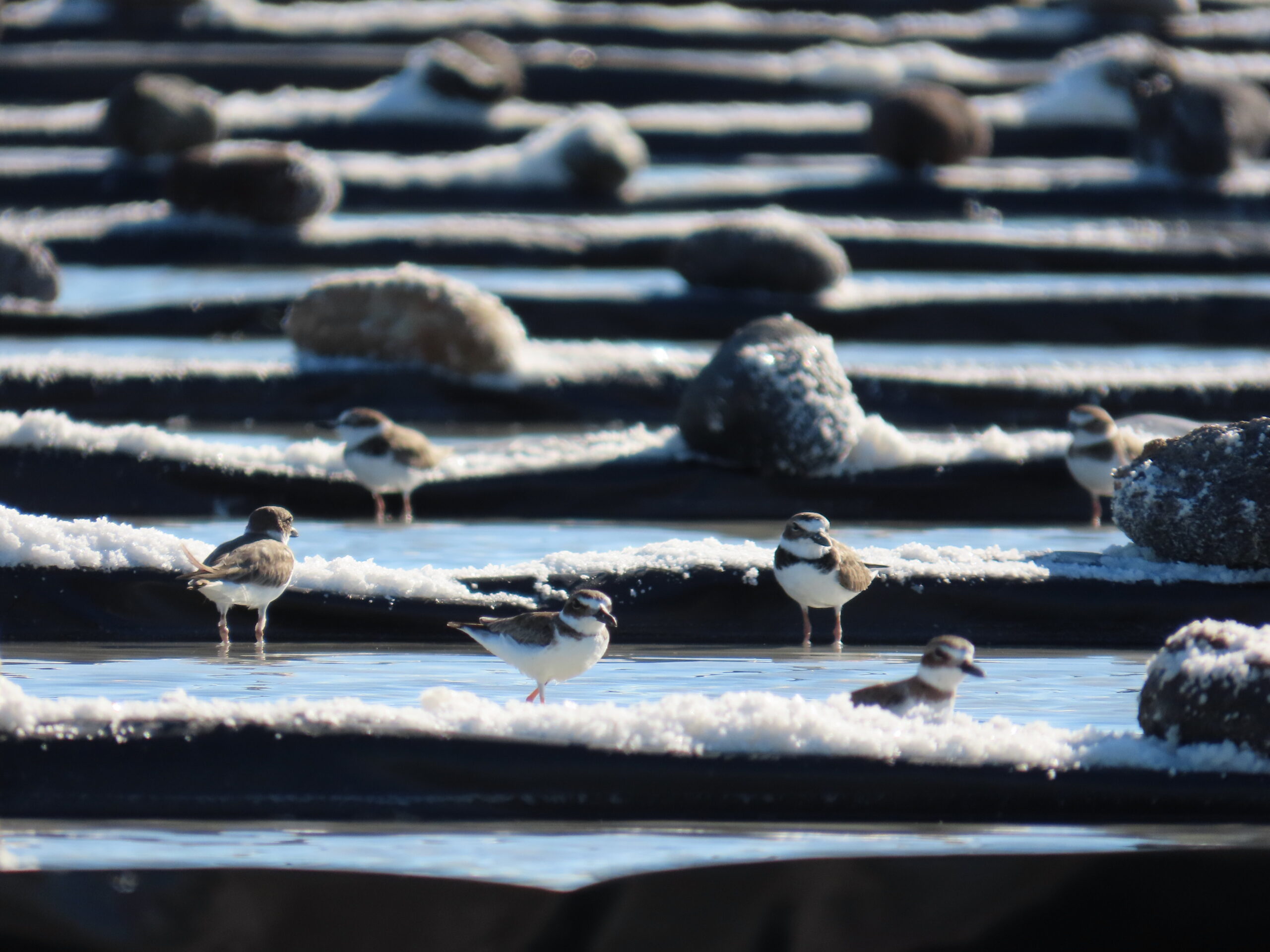

Julia Salazar
Salt and Shorebird Conservation Specialist
What began six years ago in Honduras’ artisanal salt farms as an effort to connect salt production with shorebird conservation is growing into a regional effort to explore how productive landscapes can support both people and biodiversity.
In San Lorenzo Bay, Honduras, redesigning and managing salt farms is helping producers build climate resilience while reducing pressure on mangroves and mudflats. The initiative has created 23 hectares of new shorebird habitat while increasing salt production by more than 40 percent. The results demonstrate that improving production and benefiting biodiversity do not have to be competing goals.
But the work in Honduras has also shown that lasting solutions require more than changes on individual farms. They depend on bringing producers, researchers, and conservation practitioners together to share knowledge, test approaches, and learn from one another. One key lesson learned is that lasting conservation solutions are built with producers, not simply for them. Producers bring generations of knowledge about salt production, water management, climate, and the landscapes where they work. Combining that knowledge with conservation science creates opportunities to improve productivity and climate resilience while maintaining and creating habitat for shorebirds.
This idea is at the heart of the Salt Landscapes Working Group, led by Manomet and established in 2019. The group connects salt producers, researchers, and conservation organizations across Latin America to share knowledge, promote sustainable salt farm management, and advance shorebird conservation. What began with individual experiences in places like Honduras is now helping build a broader Community of Practice around salt-producing landscapes.
From Local Experience to Regional Conversation
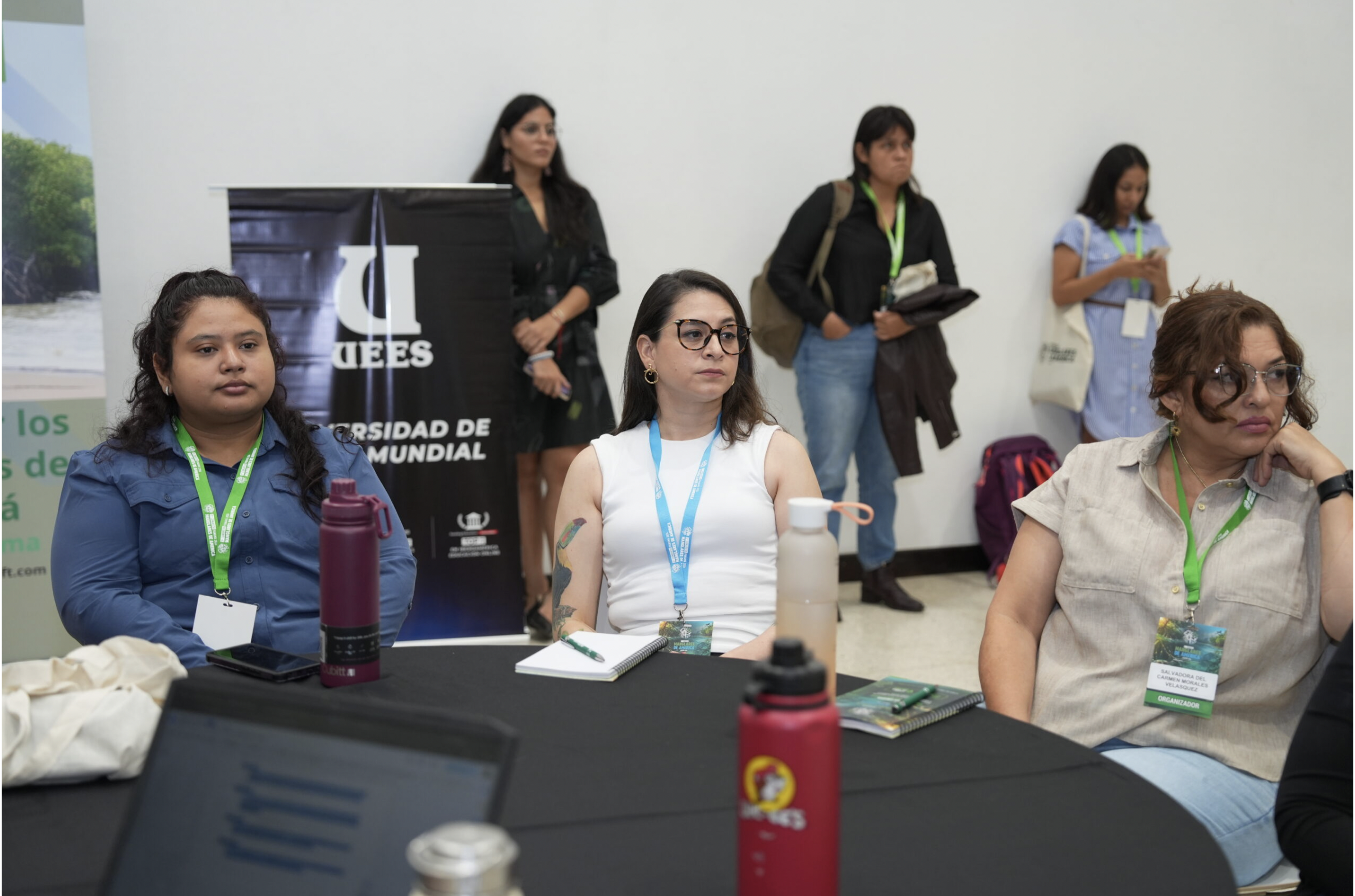
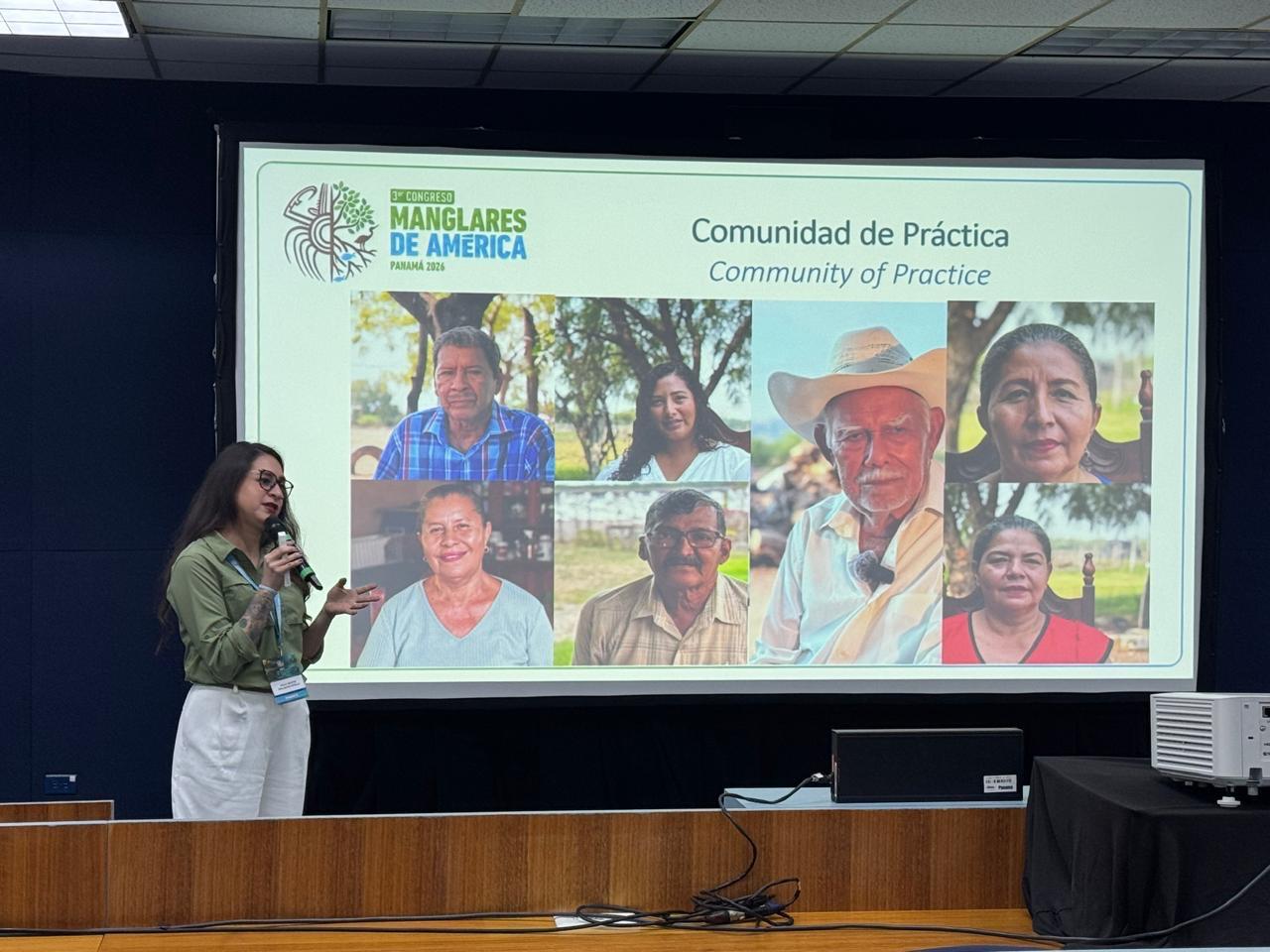
In July 2026, this growing network came together at the 3rd “Mangroves of the Americas Congress” in Panama, where Manomet brought lessons from its work with coastal communities in Honduras to a regional audience. The Congress brought together perspectives from El Salvador, Honduras, Nicaragua, Panama, and Guatemala, including a symposium on shorebird conservation in salt-producing areas.
The symposium gathered salt producers, researchers, and conservation organizations into the same conversation, creating space to compare experiences and explore a shared vision for the future of these productive landscapes. Discussions highlighted the different realities and opportunities across Central America, while also revealing common challenges and opportunities for collaboration. One key need is to maintain healthy coastal ecosystems while reducing pressure to expand salt production into natural mangroves and mudflats.
Rather than presenting the Honduras experience as a model to be replicated exactly, the discussion focused on what could be learned from it and adapted elsewhere. This means understanding each landscape as a connected system of salt farms, mangroves, mudflats, wetlands, shorebirds, and communities; developing solutions with producers; monitoring both conservation and production outcomes; and creating opportunities for different groups to learn directly from one another.
The goal is not to replicate one solution everywhere, but to build a shared body of knowledge that can help communities develop approaches suited to their own landscapes and needs.
From Conversations to Action in the Field
The regional exchange continued beyond the Congress conference rooms. After the event, participants visited salt farms in the Chitré area of Panama with representatives from the Ramsar Regional Center for Training and Research on Wetlands in the Western Hemisphere (CREHO–Ramsar) and FUNDAECO Guatemala.
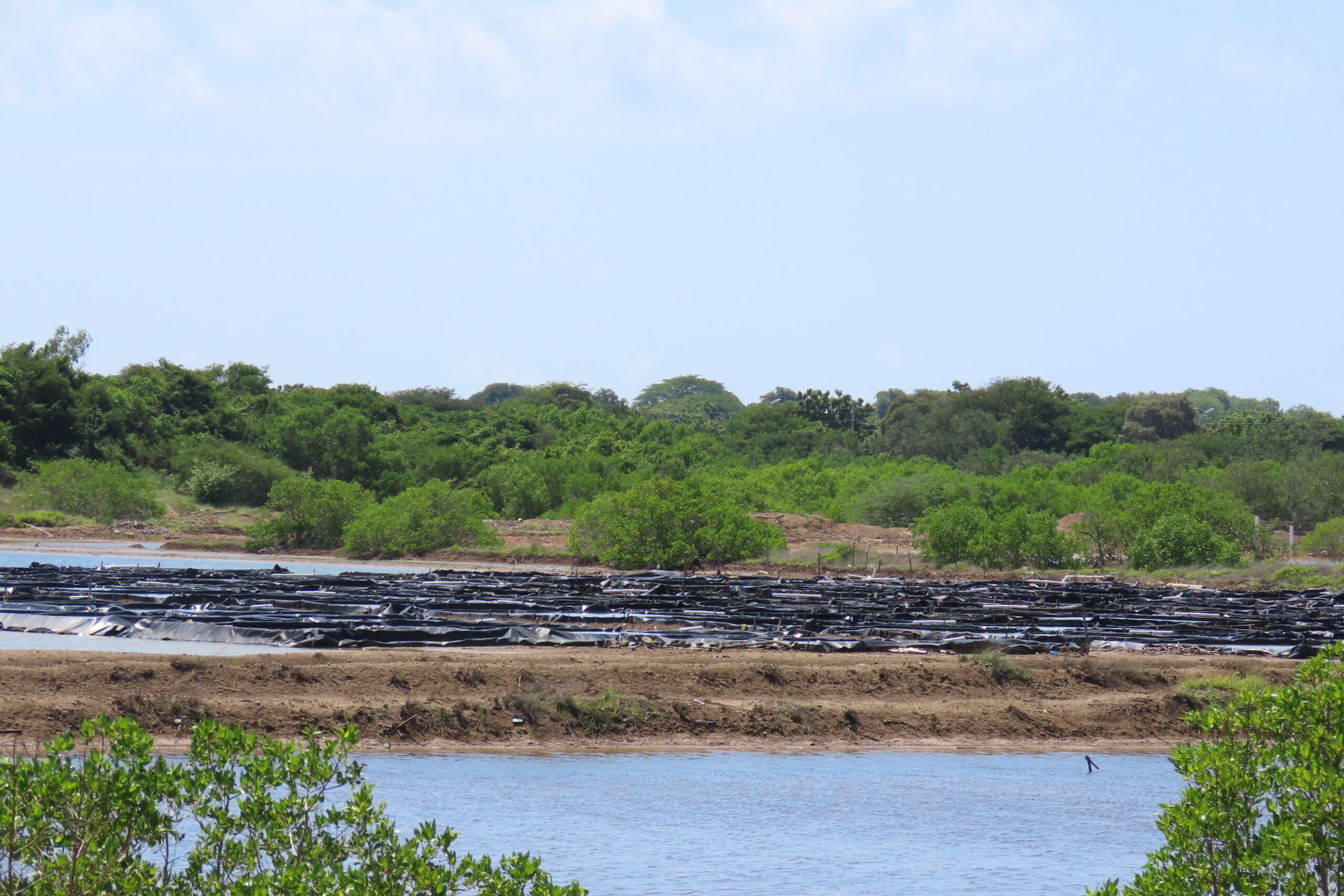
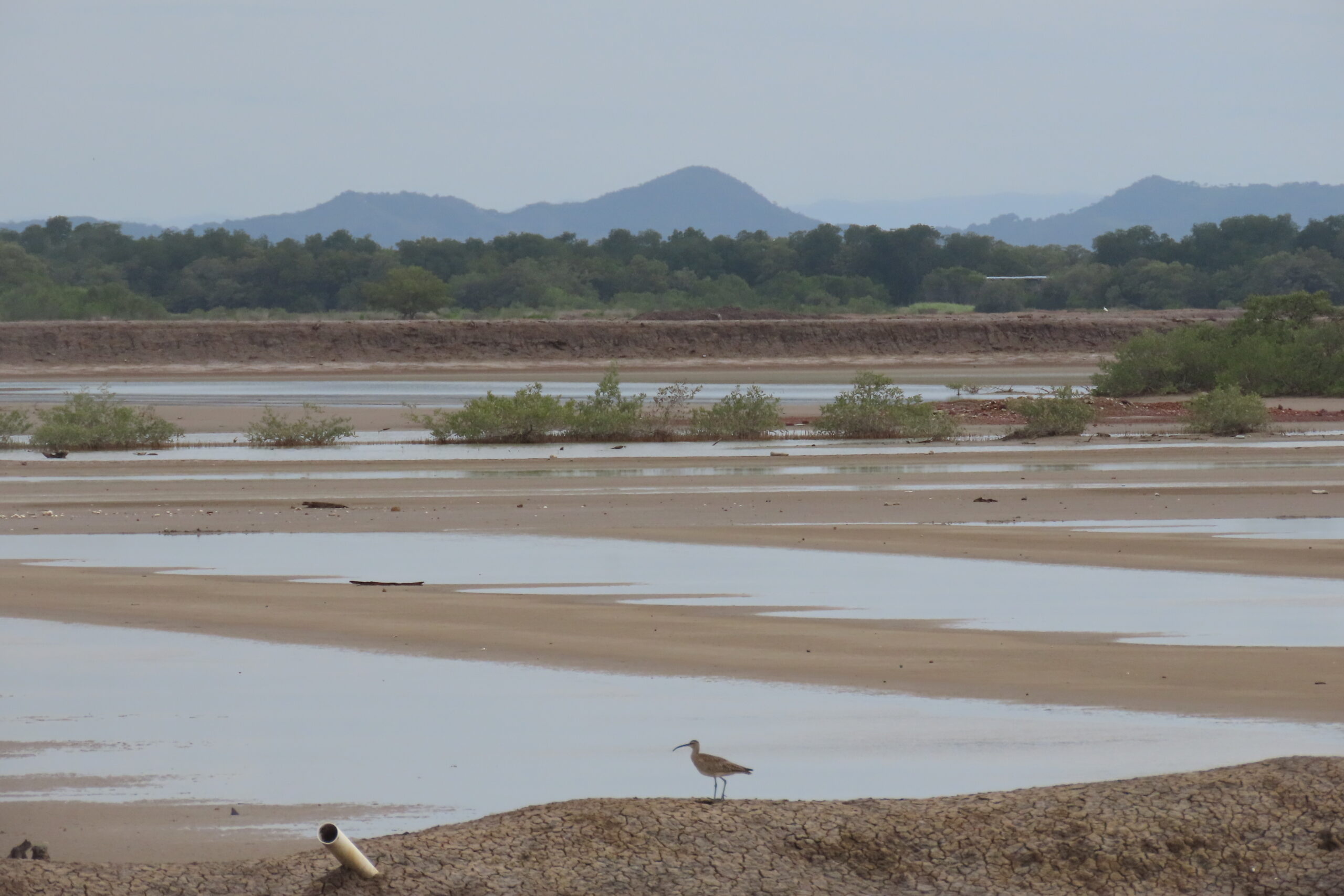
The group met with salt producers and the NGO Santa Clara Sostenible to learn about local practices and challenges while observing how shorebirds use these working landscapes. The visit turned regional discussions into a field-based exchange, highlighting practical opportunities to balance salt production, local livelihoods, and conservation.
The group also visited the Playa El Agallito and Playa El Retén WHSRN site, a 1,626-hectare coastal wetland that supports 10% of the global population of Wilson’s Plover (Anarhynchus wilsonia). Its proximity to the salt farms clearly illustrated the connections among salt farms, mudflats, mangroves, and other wetlands—and the importance of managing them as part of the same coastal system.
Building on What We Learn
The work in Honduras, the regional exchanges in Panama, and the relationships built through the Salt Landscapes Working Group all point toward the same goal: finding practical ways for productive coastal landscapes and biodiversity to thrive together.
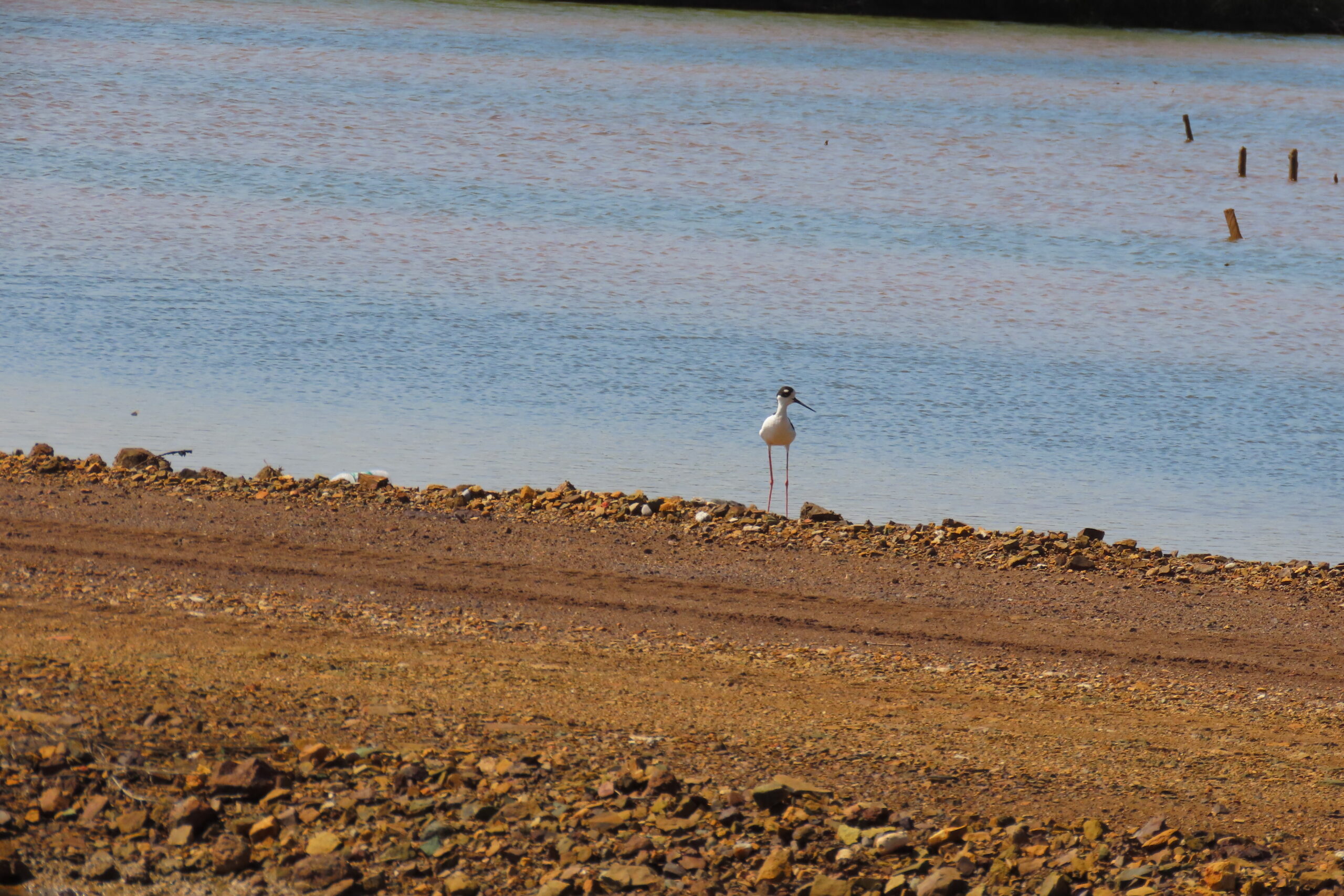
Looking ahead, Manomet will continue working directly with salt producers to redesign additional salt farms, improving habitat for shorebirds while strengthening salt production and climate resilience. This work will continue to explore solutions identified together with producers that can improve water management and productivity, increase suitable areas for shorebirds to feed, rest, and nest, and reduce pressure to expand salt production into surrounding mangroves and mudflats.
At the regional level, the Salt Landscapes Working Group will continue connecting these local experiences, creating opportunities for producers, researchers, conservation practitioners, and partners to exchange knowledge and build on one another’s work.
By connecting on-the-ground solutions with regional collaboration, Manomet hopes to turn lessons from individual salt-producing landscapes into shared knowledge—supporting locally appropriate solutions across Latin America and a future where sustainable salt production, healthy coastal ecosystems, shorebirds, and resilient communities can thrive together.