

 Back to all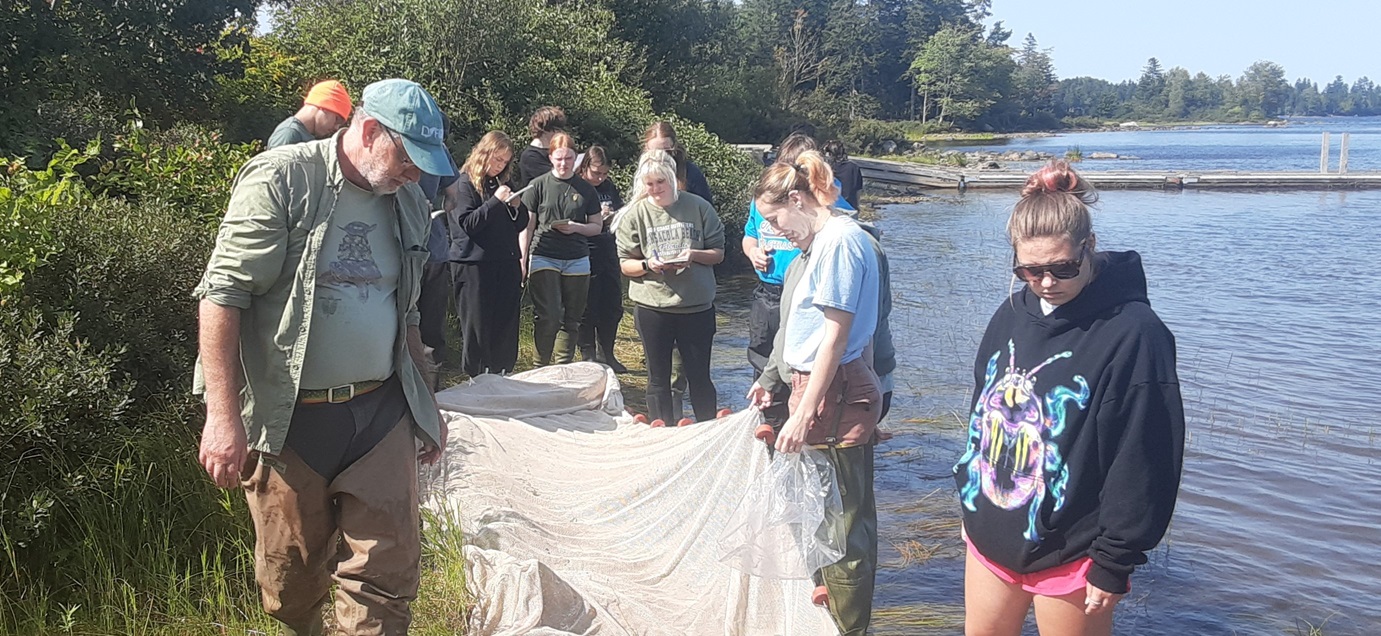
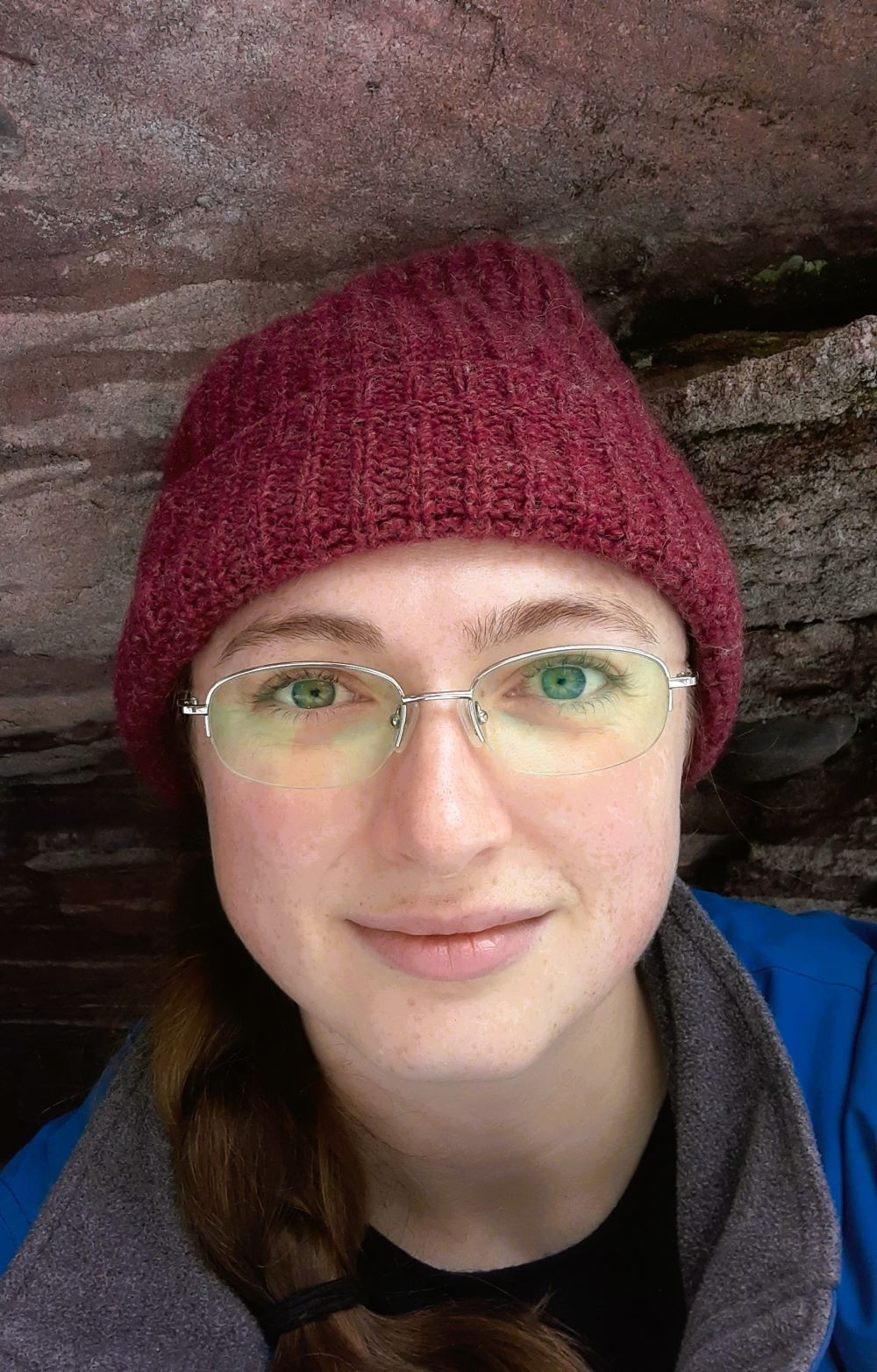
Anne Zegers
SEA RUN FISHERIES MONITORING COORDINATOR
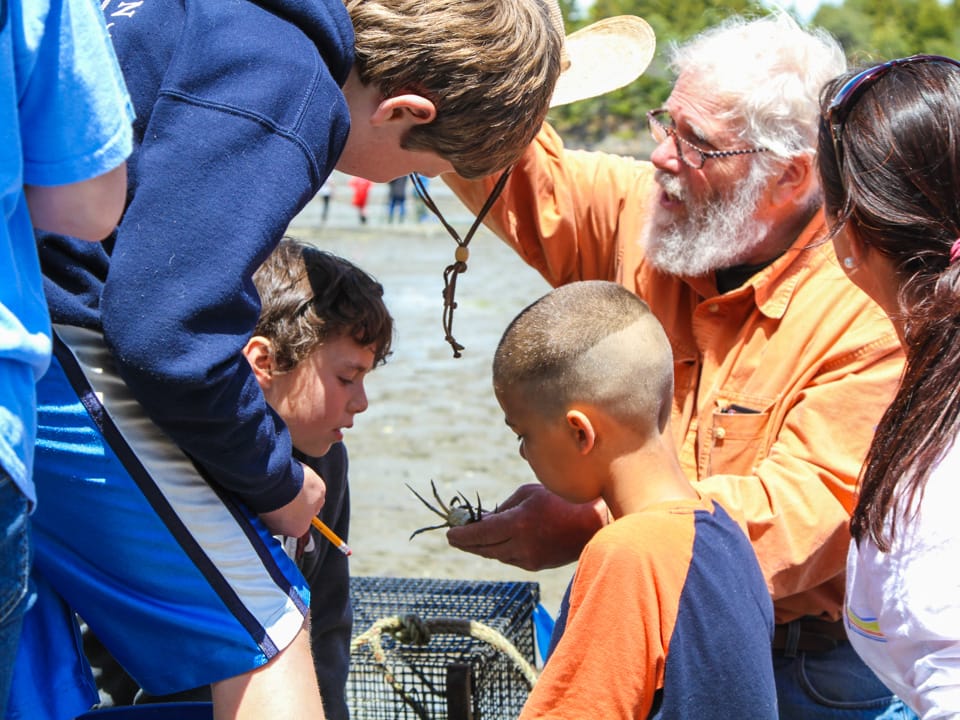
On one of the last days of a dry summer, a van turned onto a logging road off Maine Route 9. Dodging rocks and bumping through potholes, the van eventually stopped at the end of the road and disgorged sixteen students from the University of Maine at Machias. Dr. Gerry Zegers has been bringing students to Pokey Dam, at the outlet of Crawford Lake, for years. This group was part of Projects in Atlantic Salmon Conservation, and they had come to the headwaters of the East Machias River to meet Anne Zegers, Manomet’s Sea Run Fisheries Monitoring Coordinator, and take part in one of the less-glamorous parts of migratory fish stewardship: it was time to clean out the fishway.
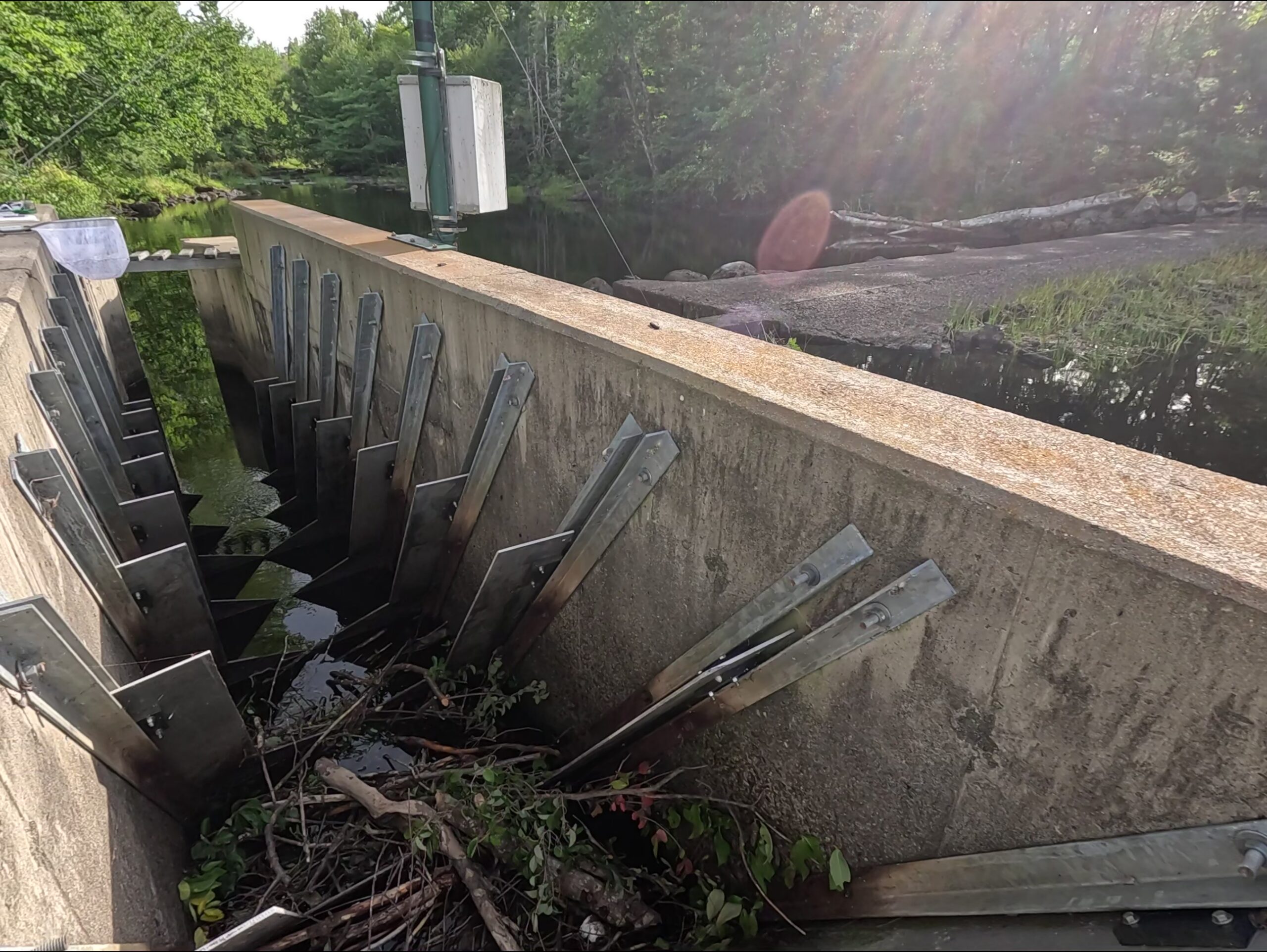
Restoring passage may begin with constructing a fishway, but it doesn’t end there. Debris can become entangled in baffles and grates, slowly reducing the water flow through the structures. Beavers accelerate this process and can quickly plug a fishway. In drought years, like 2025 and 2026, beaver activity is elevated as they try to maintain higher water levels. For adult fish migrating in the spring, these blockages can sometimes be negotiated or bypassed, but juvenile river herring migrating downstream are not strong swimmers; a relatively small blockage can entrap them for weeks. If a strong current sweeps them into a beaver dam, they can be strained out of the water and entangled in debris.
Finding two Zegerses by the same river is less of a coincidence than you might think; they’re father and daughter, and Gerry’s multi-decade commitment to restoring Atlantic Salmon to Maine’s rivers is a large part of what first led Anne to advocate for Maine’s other migratory fish species, including River Herring.
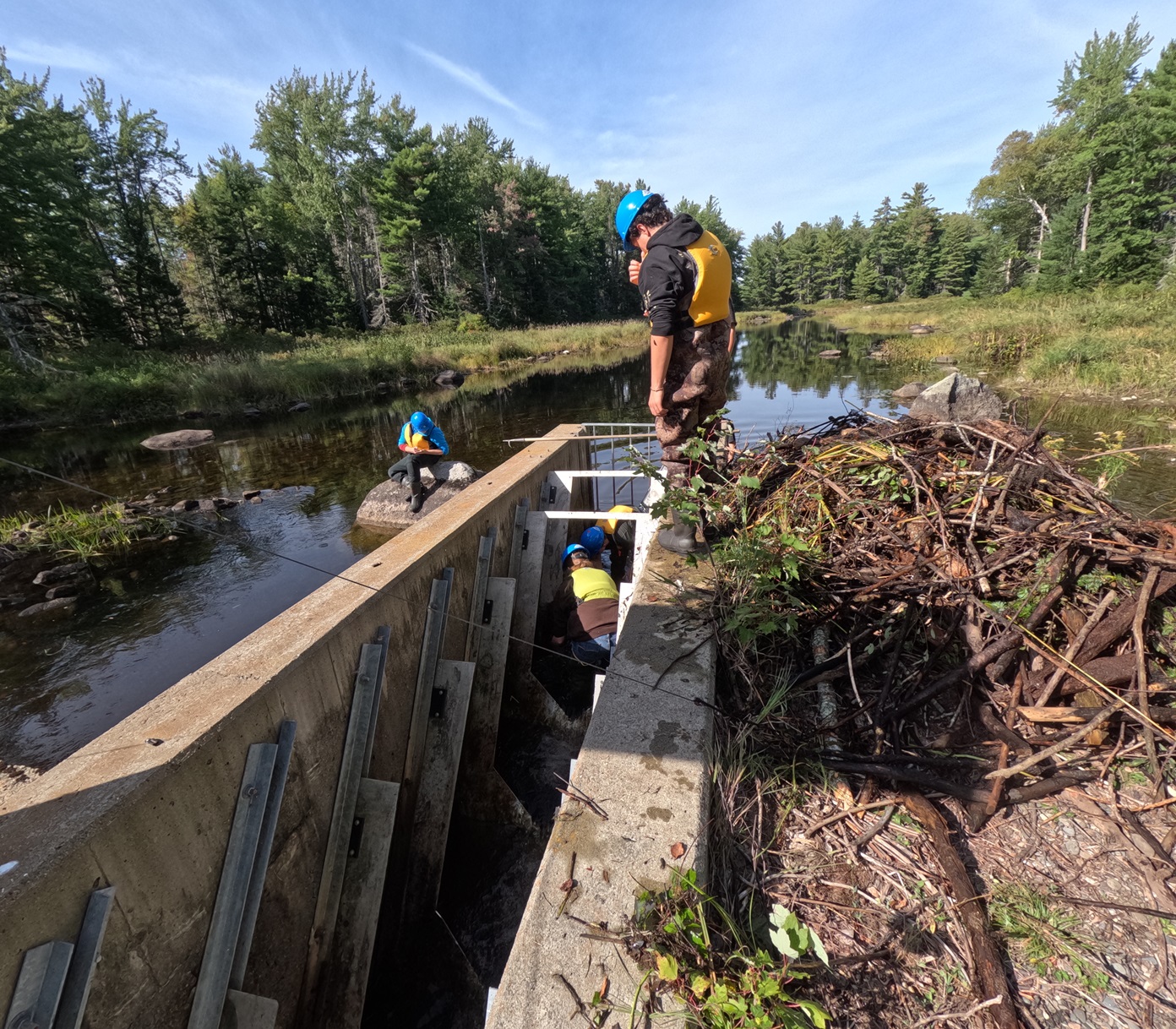
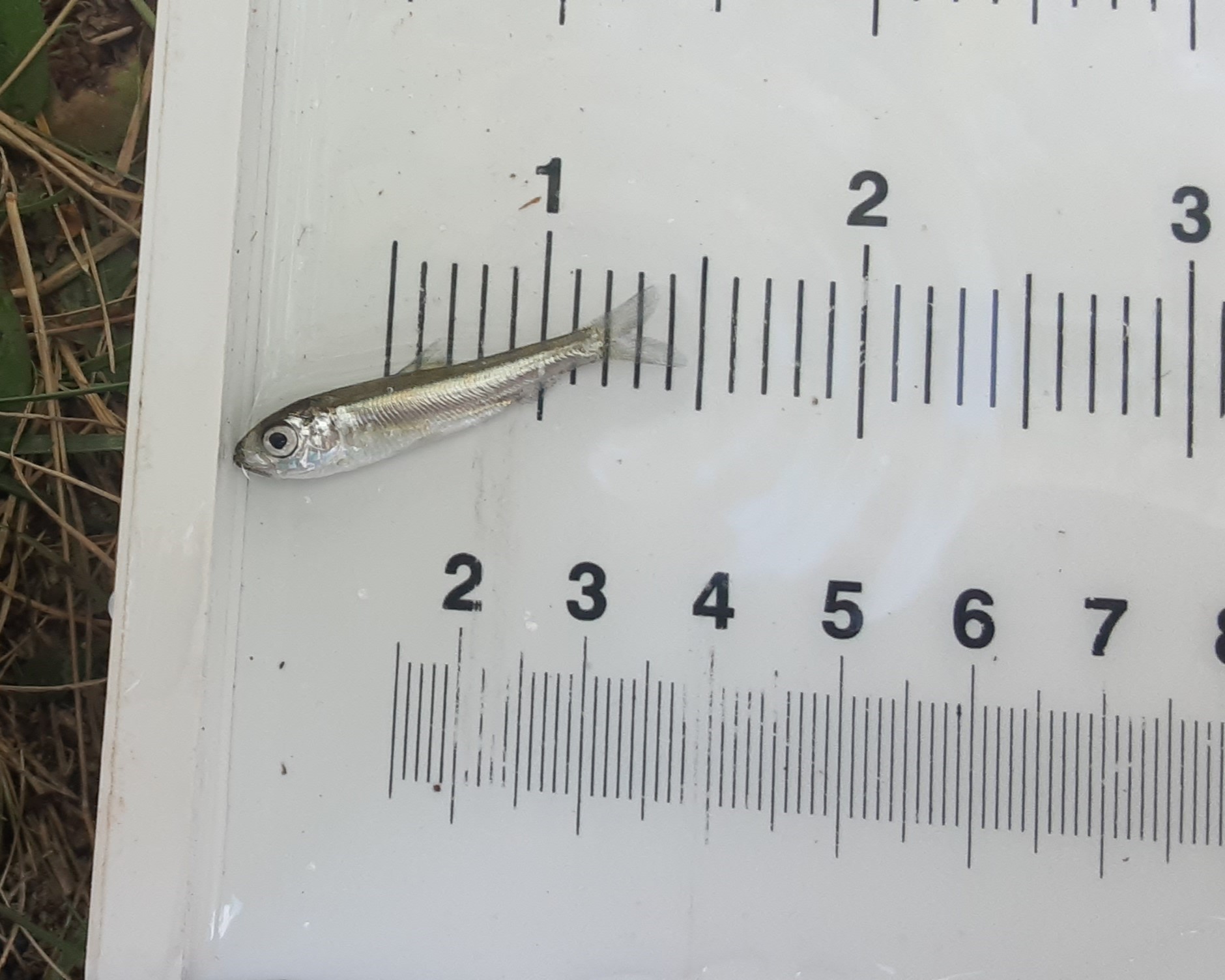
As the students milled around the dam’s abutments, hundreds of thousands of juvenile herring schooled near the blocked fishway, just beneath the water’s surface. Under Anne’s direction, students blocked the fishway with plywood, distributed hard hats, life jackets, and assorted tools, and climbed down into the structure. Between jokes and coos as the students encountered various fishway denizens, including fishing spiders and an inch-long turtle hatchling, they passed sticks and logs up to classmates on top of the dam. In 45 minutes, they cleared the fish ladder and the spillway.
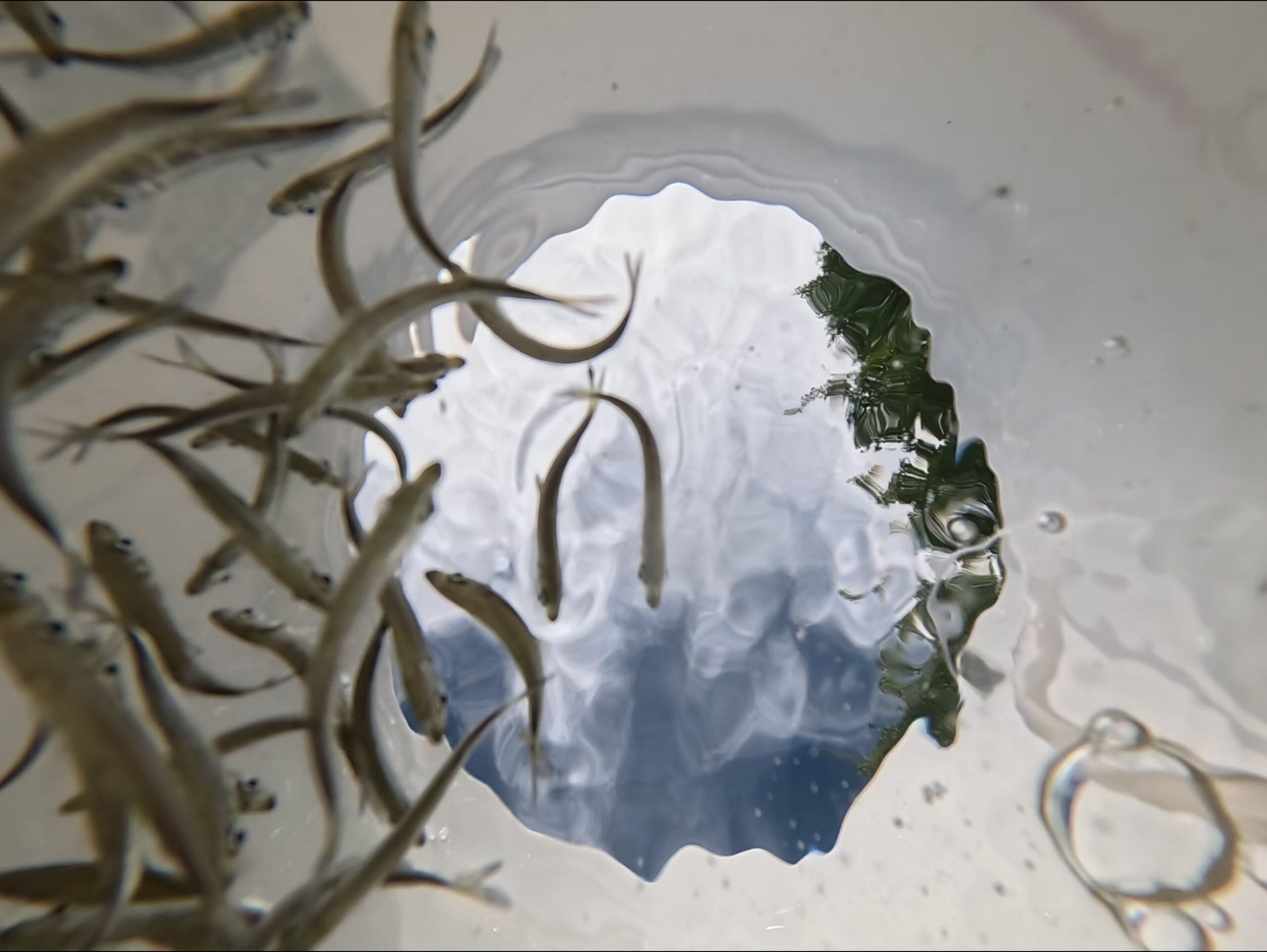
As the plywood was removed, several schools of herring drifted into the fish ladder, beginning their 35-mile journey to the ocean. On their way, they’ll face rapids, drought conditions, and the biological transformation that lets them transition from freshwater to saltwater. Over the next four years, they’ll dodge a gauntlet of hungry predators, avian, terrestrial, freshwater, and marine, before they return. The students have their own four-year journeys to complete, albeit with fewer chances of being eaten. As we foster future generations of fish and fisheries biologists, we hold onto the same conviction: some of them will make it.