


 Back to all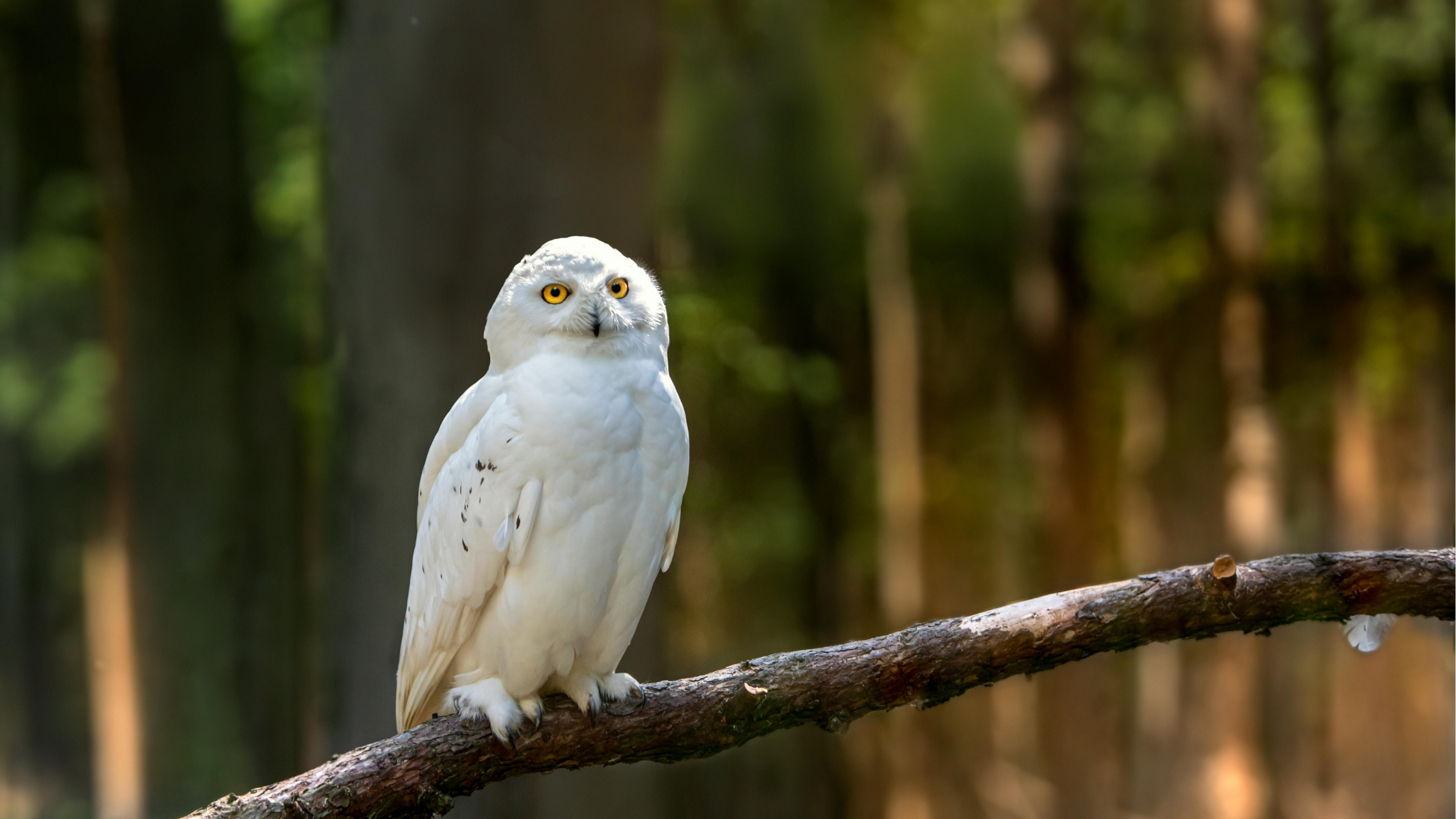

Andrea Ferreira
SCIENCE COMMUNICATIONS MANAGER
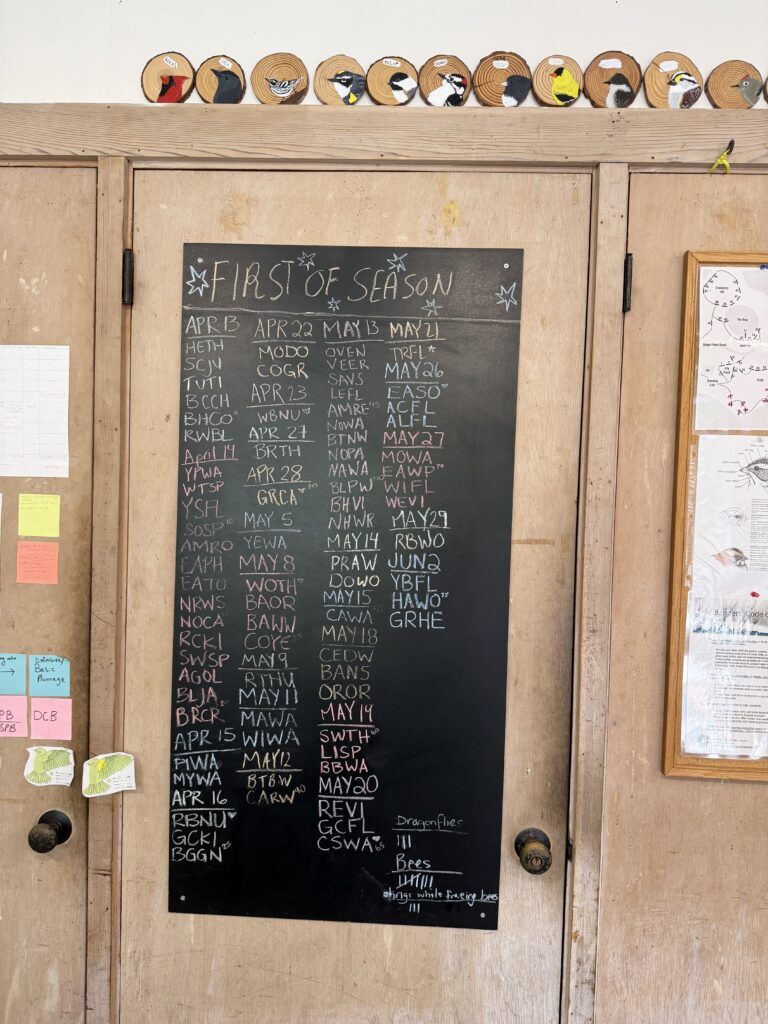
Welcome to the world of alpha codes, the four-letter shorthand that birders, bird banders, and ornithologists use every day.
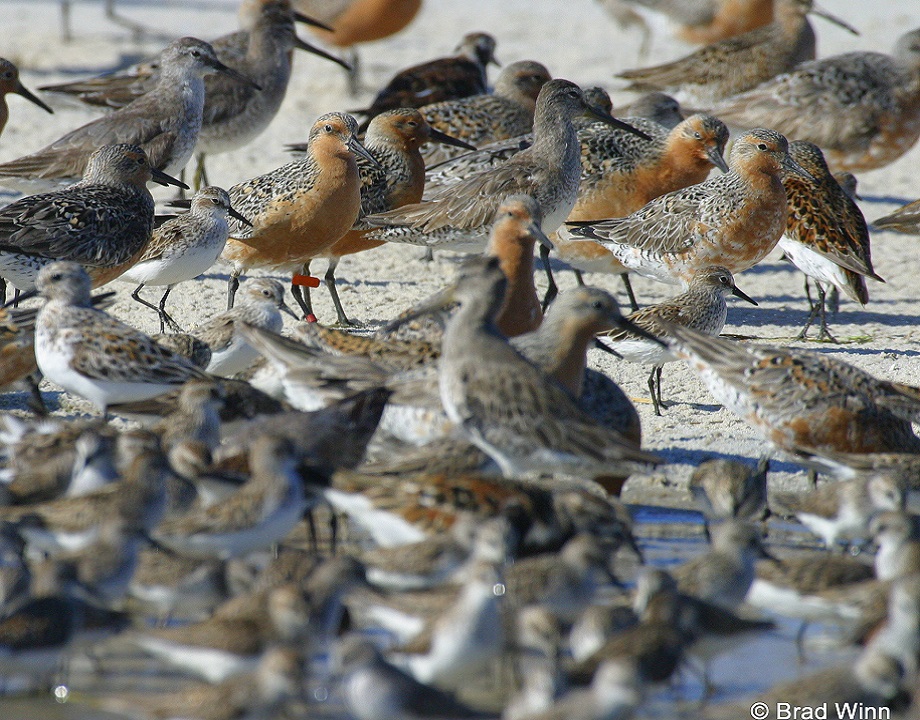
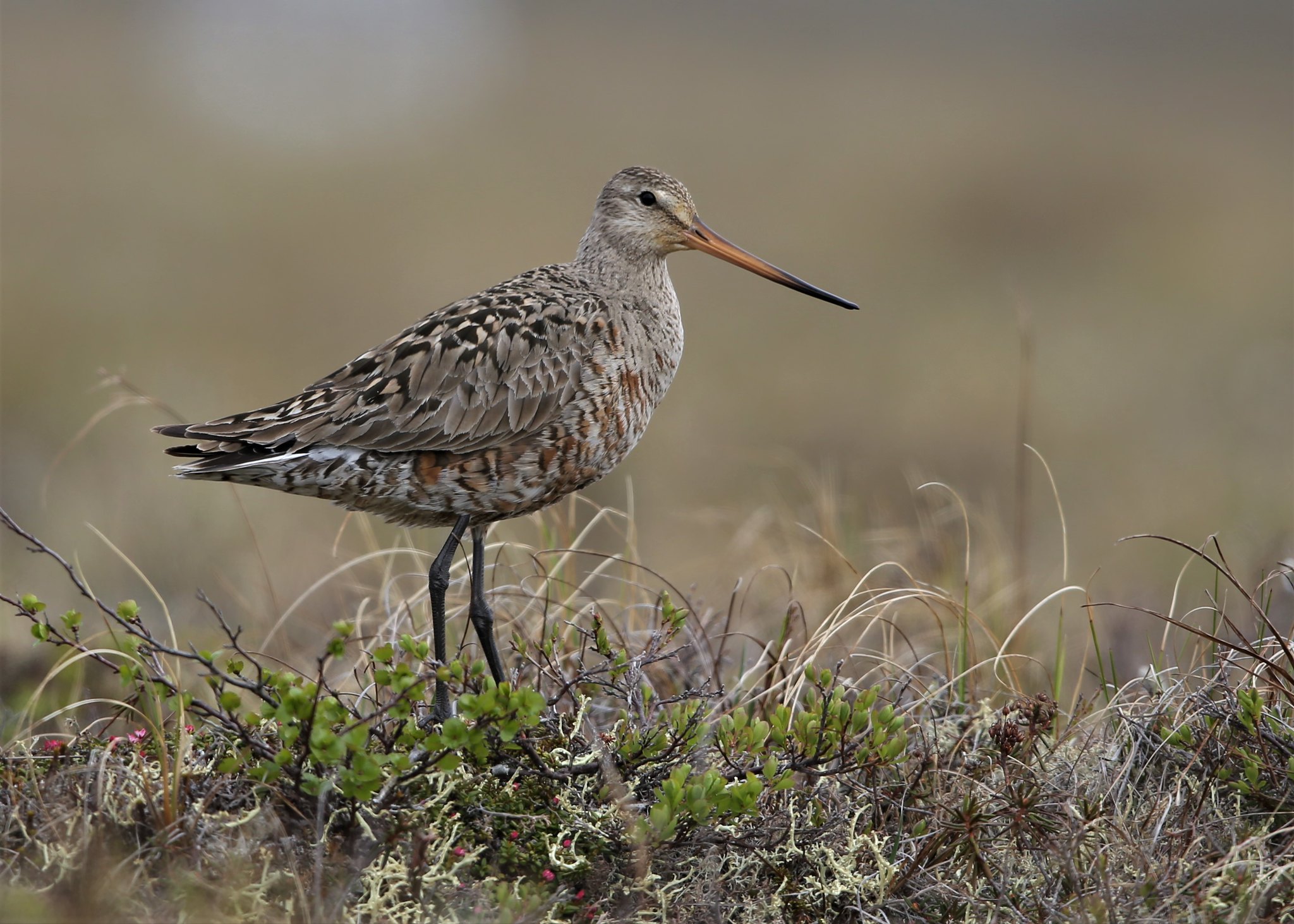
Here’s the backstory that inspired this publication: while searching for shorebird photos, a colleague asked me who “HUGO” was — we didn’t have anyone on our team with that name. He needed to credit the photo’s author, and it turns out HUGO wasn’t a person at all! It was a Hudsonian Godwit. The photo title was “Winn_HUGO_Female_YukonNWR”: Brad Winn (author), Hudsonian Godwit, Yukon Delta National Wildlife Refuge.
If you’re newer to birding, alpha codes can feel like a members-only language. But once you learn how they work, you’ll start reading field notes, checklists, and banding data the way the pros do — and pick up sharper ID skills along the way. They also help us speak the same language internationally.
What are alpha codes?
Alphabetic (“alpha”) codes are four-letter abbreviations for bird species, built from each bird’s English common name. They exist for one simple reason: speed. When you’re standing in a marsh counting shorebirds as the tide comes in, “RUTU” is a lot faster to jot down than “Ruddy Turnstone.”
That efficiency is why alpha codes have become the standard in surveys, banding stations, and chitchat among birders. They’re even searchable in the Macaulay Library and Birds of the World databases, so once you know the code, you can look a species up directly. The U.S. Bird Banding Laboratory (BBL) has long used alpha codes in banding data, and these codes have become an integral part of large ornithological programs across the United States and Canada.
How to crack the code
The rules depend on how many words are in a bird’s name:
• One-word names: Take the first four letters. Dunlin becomes DUNL.
• Two-word names: Take the first two letters of each word. Ruddy Turnstone becomes RUTU, Eastern Kingbird becomes EAKI.
• Hyphenated, three-part names: Take the first letter of each hyphenated word plus the first two letters of the remaining word. Buff-breasted Sandpiper becomes BBSA.
• Four-word names: Take the first letter of each word. Black-crowned Night-Heron becomes BCNH.
Note: A few species break these patterns entirely. That’s intentional: the system ensures that no two species share the same code, which sometimes meant handling a bird’s abbreviation case by case. If you want to go a level deeper, there’s also a six-letter code for scientific names. You can find more information here.
Who’s behind it?
The Institute for Bird Populations (IBP) maintains and updates the alpha codes, keeping them in step with taxonomic changes from the American Ornithological Society. So, when a species is renamed or split, its code can change too — one more reason the system stays current rather than static.
To learn the standardized 4 and 6 letter Bird Species Codes, visit this link from the IBP.
Why it’s worth learning, even if you’re not a scientist
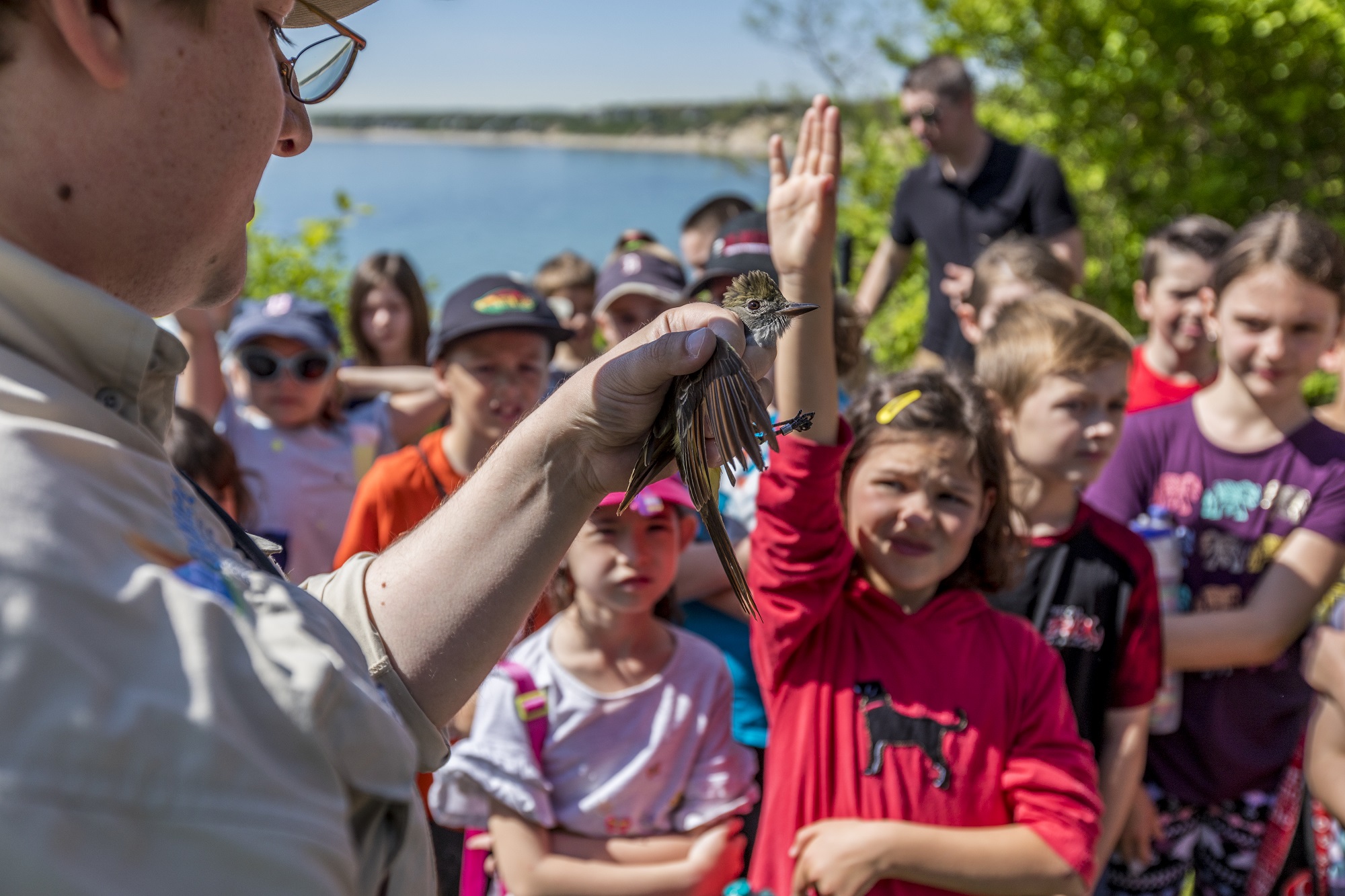
You don’t need to be a bird bander to get something out of alpha codes. Learning them is a genuinely useful way to sharpen your identification skills and keep your own sightings organized as a field researcher would.
Bonus: A few more words for your birding dictionary
Alpha codes are just one corner of birder language. Here are a few more terms you’ll hear in the field:
• Lifer: A birder’s first-time sighting of a species, added to their life list.
• Spark bird: The species that first sparked a lifelong passion for birding.
• LBJ (little brown job): A general term for drab, difficult-to-identify songbirds.
• Butterbutt: An affectionate nickname for the Yellow-rumped Warbler.
• Endemic: A species found naturally in only one limited region.
• Patch: A birder’s regular birding location.
• Heard-only: A bird identified by its call or song without being seen.
• Mega or mega-rarity: A bird so rare that its appearance becomes major news.
Next time you’re out with a group, and someone yells out “lifer” or gets excited over a mega, you’ll know exactly what’s going on.
References: The Institute for Bird Populations (birdpop.org); American Ornithological Society; Pan American Shorebird Program Shorebird Marking Protocol.