


 Back to all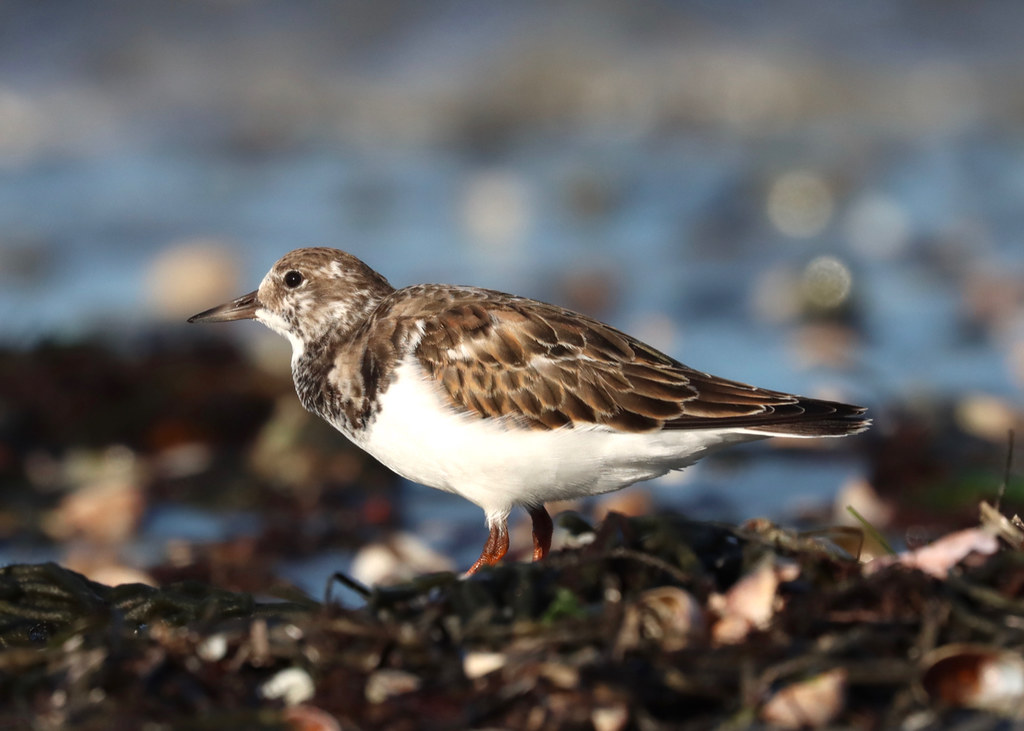

Andrea Ferreira
Science Communications Manager
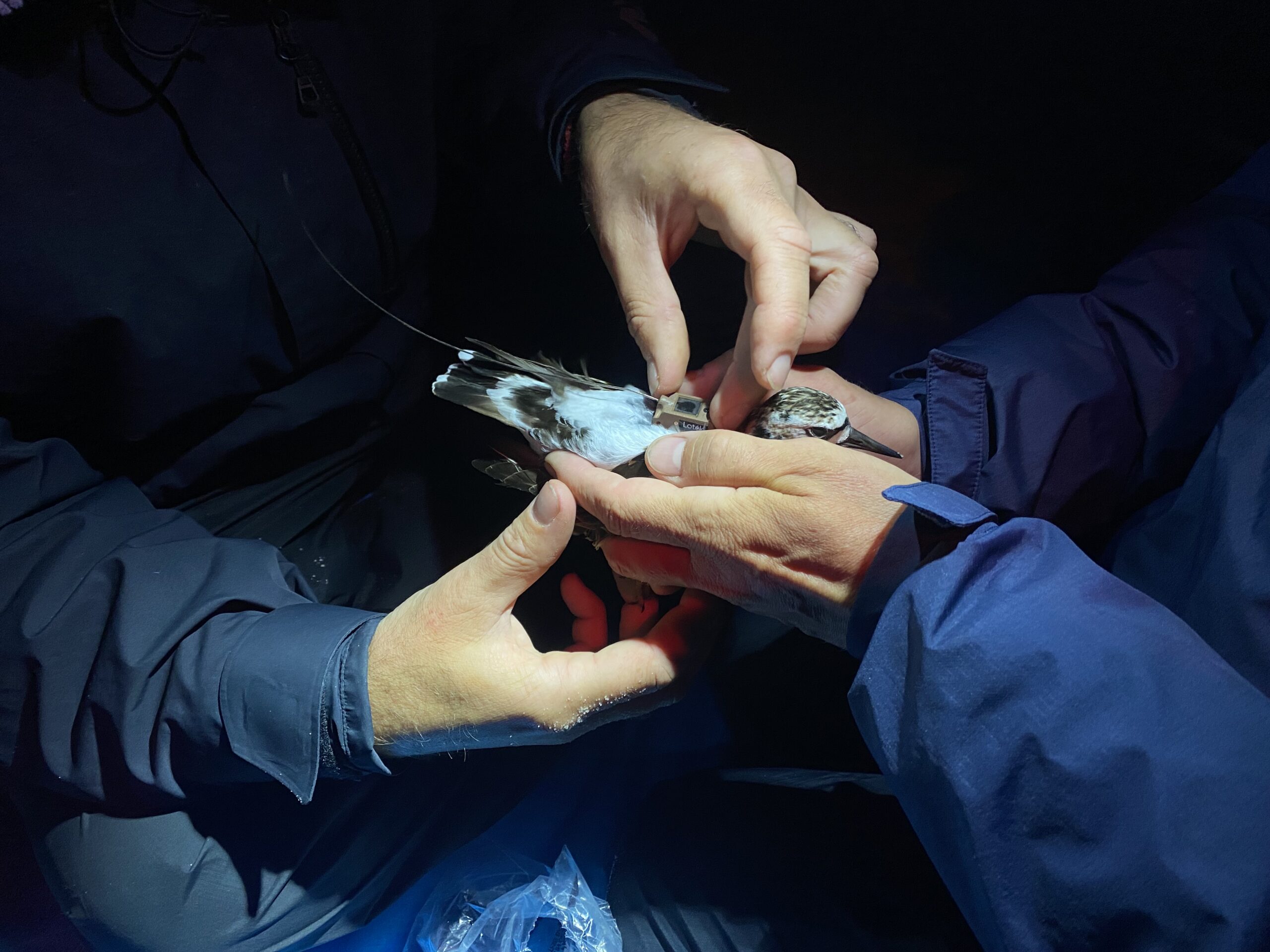
We have an exciting update to share, fitting perfectly into the celebrations of World Migratory Bird Day. Last spring, on the tidal flats of Cape Cod, a Ruddy Turnstone paused to rest and refuel as many thousands of shorebirds do in Monomoy National Wildlife Refuge. Researchers from Manomet Conservation Sciences carefully fitted it with a tiny satellite transmitter, a numbered band, and a pale green leg flag with the code >C0, and released it back to the wind.
Below, you can see a slow-motion video by biologist and videographer Benjamin Clock capturing the very moment >C0 receives its leg flag and transmitter.
What followed was extraordinary.
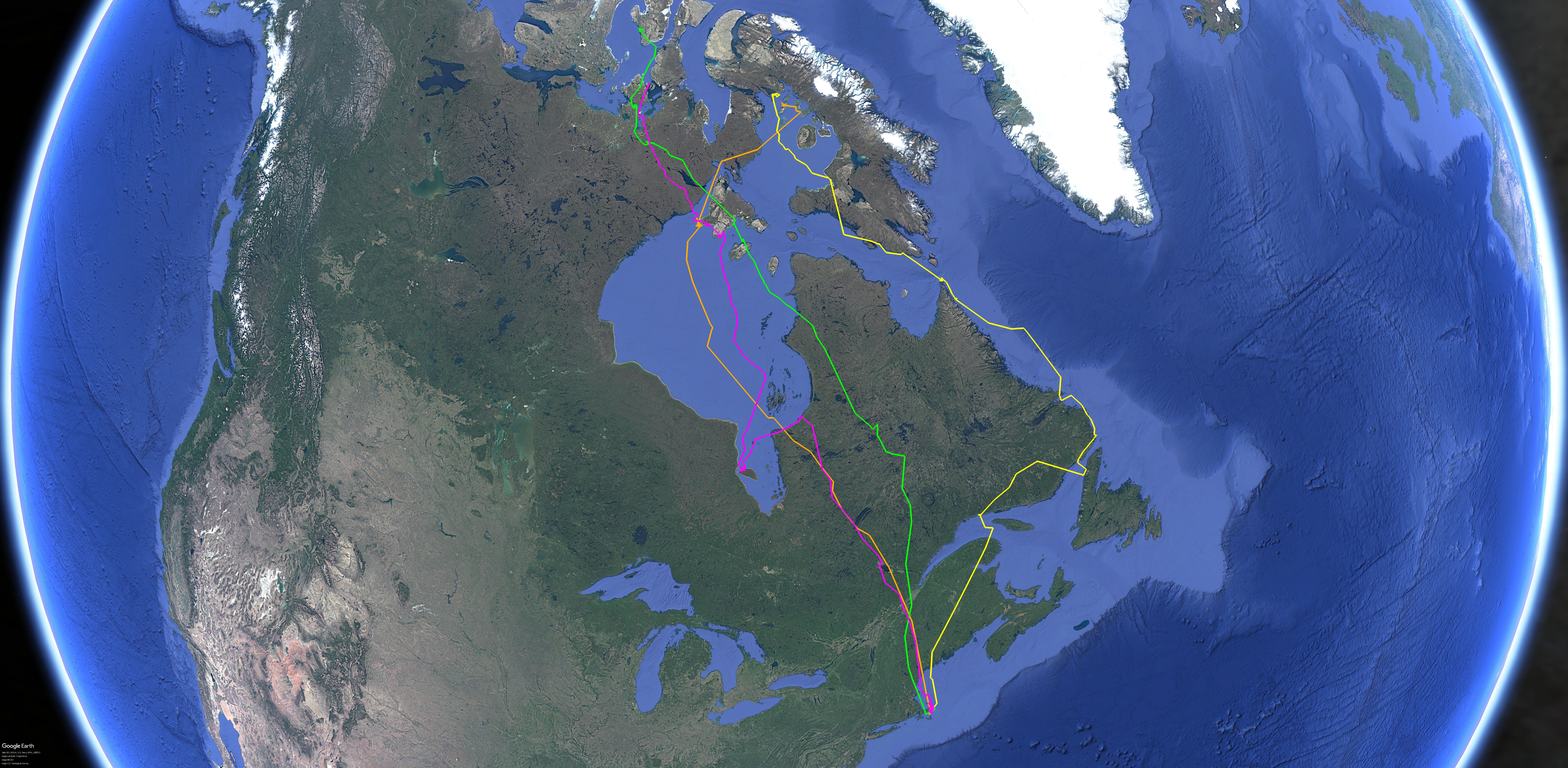
Signals from the transmitter revealed that >C0 flew north to breed in the Canadian Arctic, one of the most remote landscapes on Earth. By late summer, the bird had made its way back south, staging along the coast of Newfoundland, Canada, to rest and refuel. Somewhere there, mid-journey, the transmitter fell away. >C0 vanished from the screen. Its fate was unknown.
Then, on April 18, 2026, Nicola Crockford — BirdLife International’s Focal Point for the Convention on Migratory Species — spotted a flock of Ruddy Turnstones at a tide pool within the Fernando de Noronha Marine National Park and World Heritage Site, off the coast of Brazil. There was one bird with a pale green flag reading >C0. “I was in Brazil for the Conference of the Parties of the Convention on Migratory Species, at which governments took a historic decision to establish an overarching conservation Initiative for the Americas Flyways,” said Nicola. “The appearance of this special shorebird felt like a blessing on this process, which will hopefully benefit Turnstones as well as the other migratory birds of the Americas.”
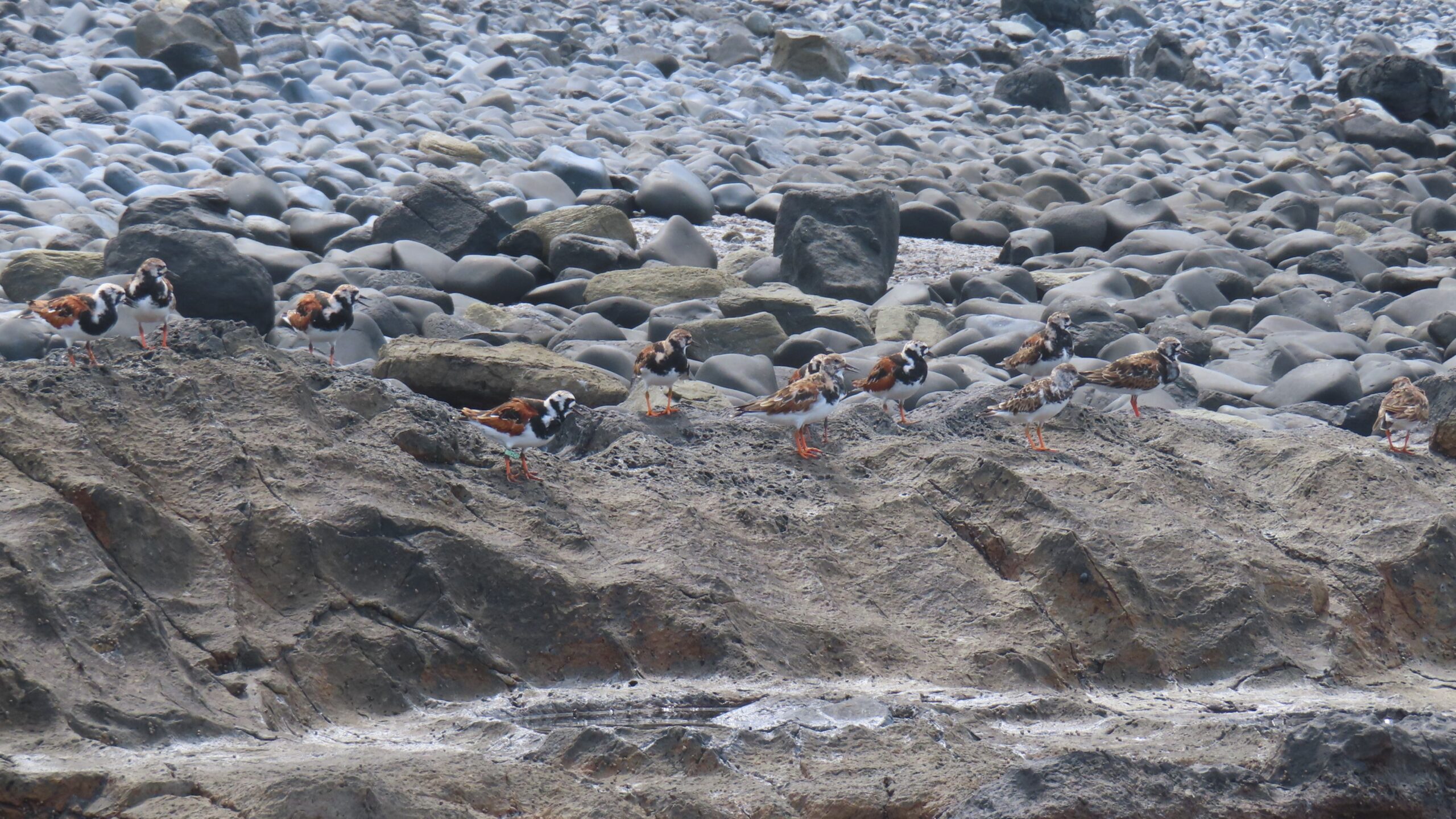
The bird was alive. And it had almost certainly crossed the Atlantic Ocean to get there.
“Now, thanks to this resighting, we can confirm that the bird likely performed a trans-Atlantic migration to Brazil,” said Alan Kneidel, Senior Conservation Biologist at Manomet Conservation Sciences.
This sighting adds to a remarkable journey: Arctic breeding grounds, a Canadian stopover, a trans-Atlantic flight, and a Brazilian island sanctuary, all traveled by one small bird weighing about as much as a tennis ball.
The Ruddy Turnstone is now listed as Near Threatened on the IUCN Red List with declining populations. Stories like >C0’s remind us why the work matters: understanding where these birds go is the first step toward protecting the places they cannot live without.
Manomet is working with the U.S. Geological Survey (USGS), U.S. Fish and Wildlife Service, the University of Rhode Island, and Mass Audubon to study northbound migration at Monomoy National Wildlife Refuge and nearby sites in Rhode Island, focusing on four key species: Red Knot, Ruddy Turnstone, Sanderling, and Dunlin. Bands and flags are provided by the USGS Bird Banding Laboratory (BBL), the federal program responsible for tracking bird movements and informing conservation across the continent. Resightings like this one are only possible because of observers in the field. If you spot a banded or flagged bird, please report it at www.reportband.gov. Every sighting counts.