

 Back to all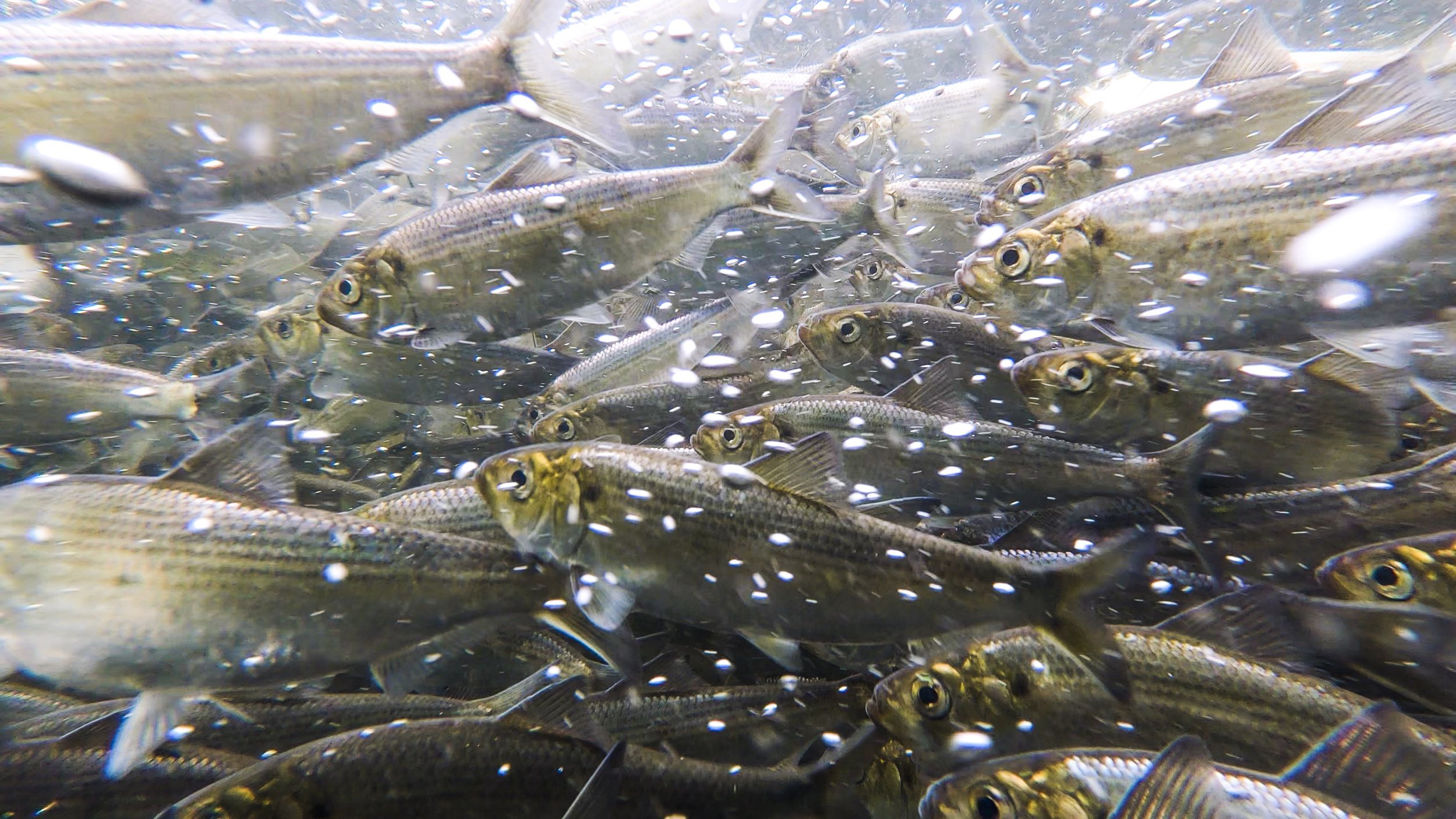
Andrea Ferreira
SCIENCE COMMUNICATIONS MANAGER
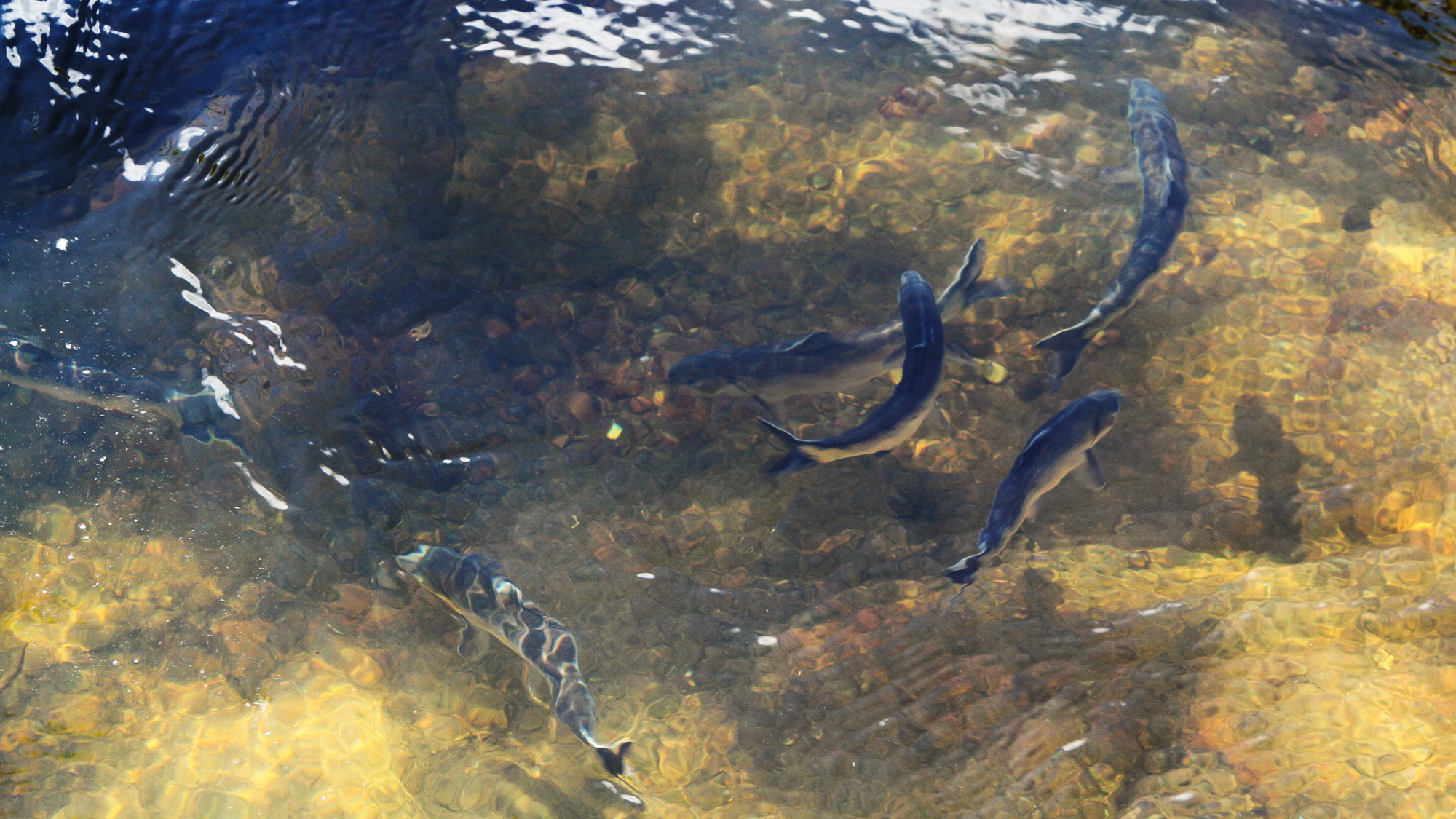
River Herring, a name used for two species, Alewife and Blueback Herring, have spent thousands of years doing something remarkable: swimming out to sea as juveniles and finding their way back to the exact freshwater river where they were born. That instinct makes them an important link between Maine’s coastal and inland food webs, feeding cod, pollock, and striped bass near shore; birds, mammals, and water snakes upriver; and even transporting juvenile freshwater mussels.
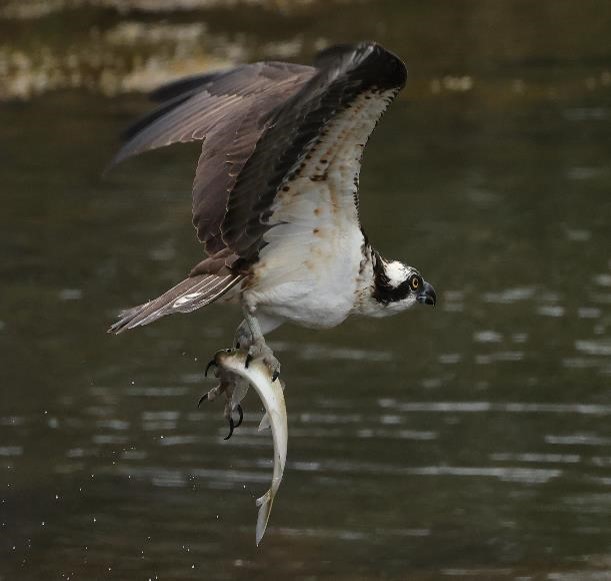
People have relied on River Herring for at least 9,000 years, a history carried forward today in the living traditions of the Wabanaki tribes of Maine and New Brunswick. Over the last 400 years, dams, offshore trawling, and pollution reduced River Herring to a small fraction of their historic numbers, with populations bottoming out in the 1990s. The Clean Water Act, dam removals, new fishways, and stronger harvest limits have since helped populations begin to recover. Today, through municipally administered harvests, these fish provide important revenue for communities and supply bait to Maine’s iconic lobster industry. In 2025, around 20 million River Herring returned to Maine’s rivers to spawn—the highest number in decades—continuing an upward trend towards recovery. As the Gulf of Maine warms, restoring this small, nutrient-rich fish may do outsized work to support the resilience of the whole coast.
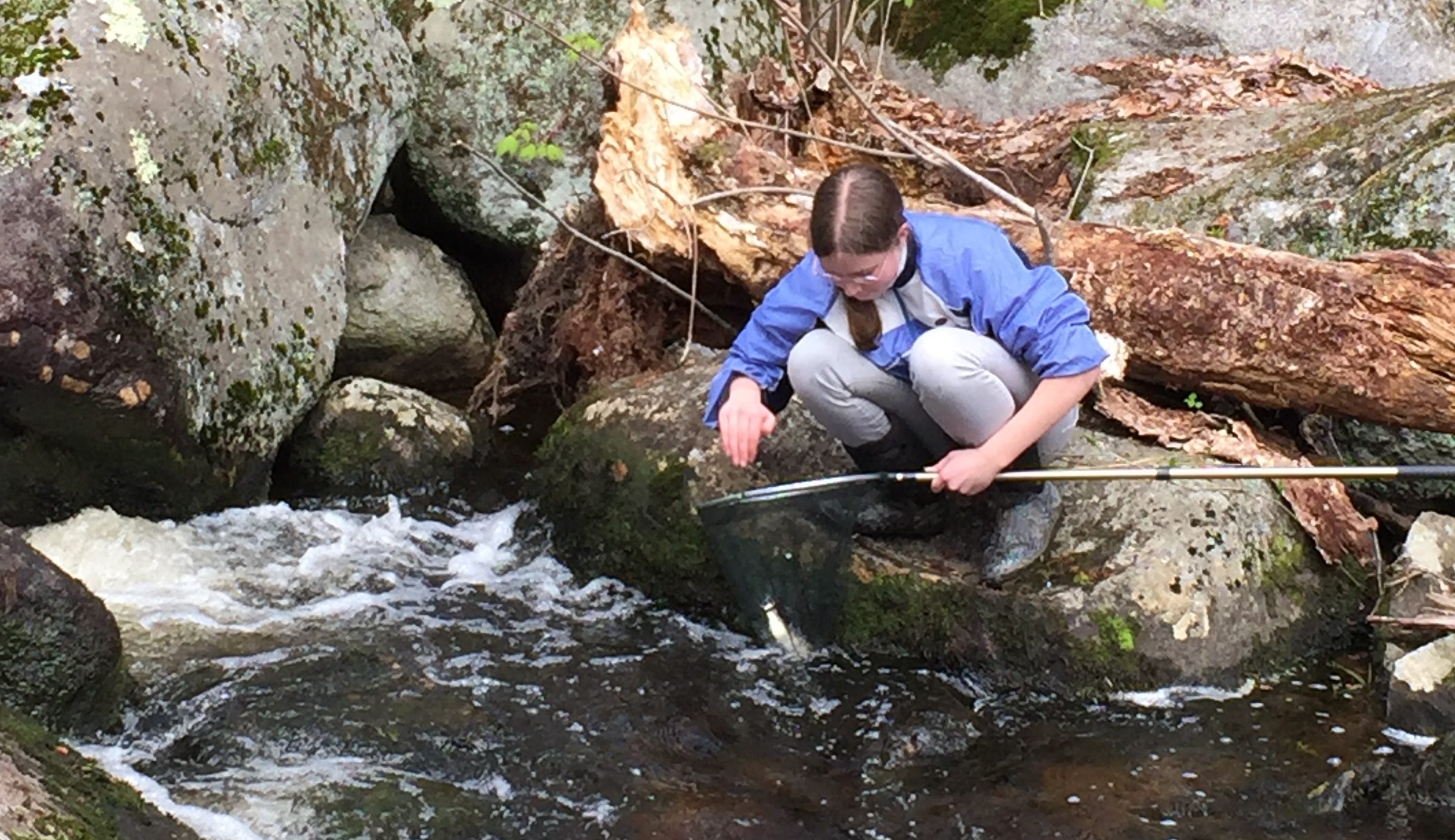
Manomet has been working to support local stewardship of River Herring and track how these on-the-ground efforts are shaping the health of herring runs. By co-convening the Gulf of Maine River Herring Network with the Maine Center for Coastal Fisheries, we are helping to connect the community volunteers, town alewife committees, harvesters, state agencies, hydropower companies, and dam owners who monitor these fish with each other, to encourage cooperation between stewards; with state and federal fisheries managers, to establish open communication; and with tools and research, to make their work easier. Through collaborative workshops and interviews with stewards, Manomet is identifying the barriers that stewards face in their daily work and building tools to help them dismantle those barriers, including standardized monitoring protocols, resources for education and outreach, and open-access data platforms.
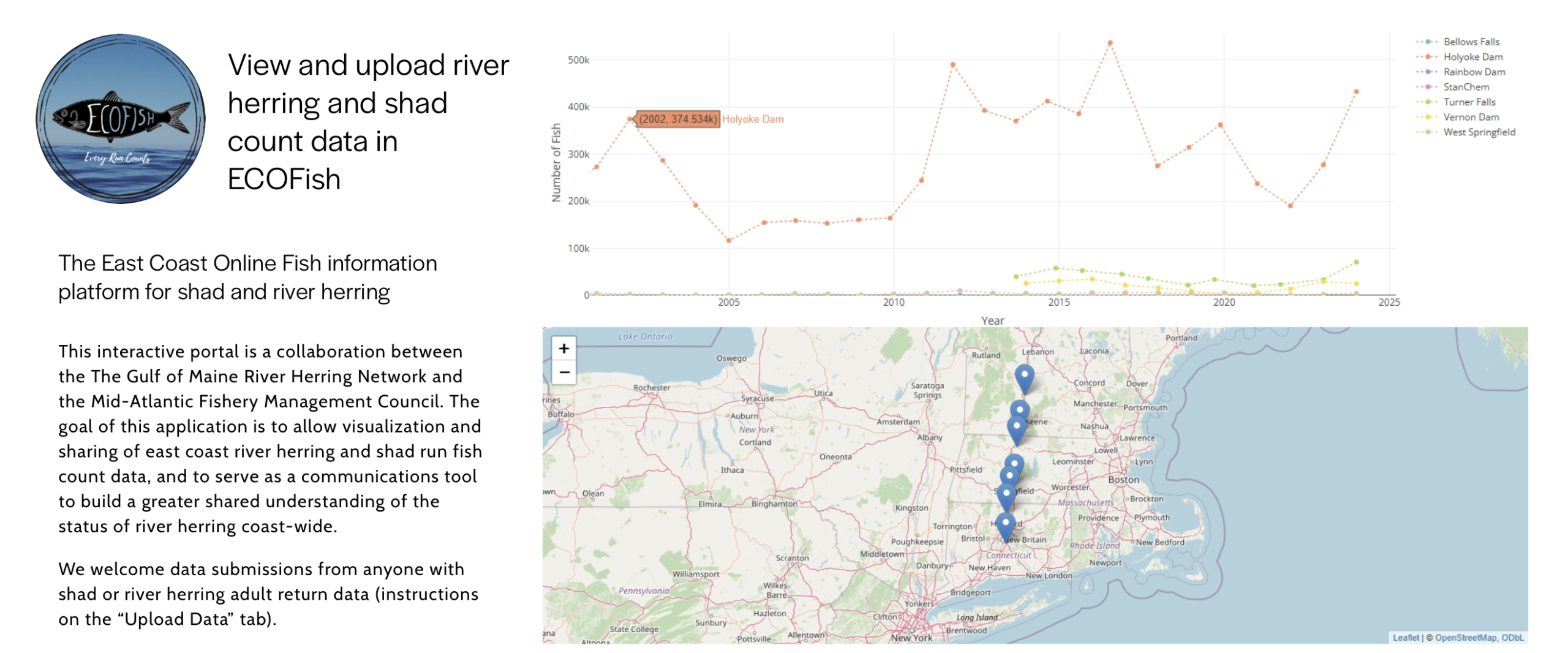
Every run counts! If you are interested in collaborating on River Herring run counts or curious to know the numbers in your area, the ECOFish platform brings together River Herring and Shad count data from across the East Coast, helping communities and researchers share information and build a broader understanding of these important fish populations. Our temperature monitoring data is also publicly accessible through the New England Stream Temperature Database, contributing to the body of data on how a changing climate affects these critical habitats for migratory fish.