

 Back to all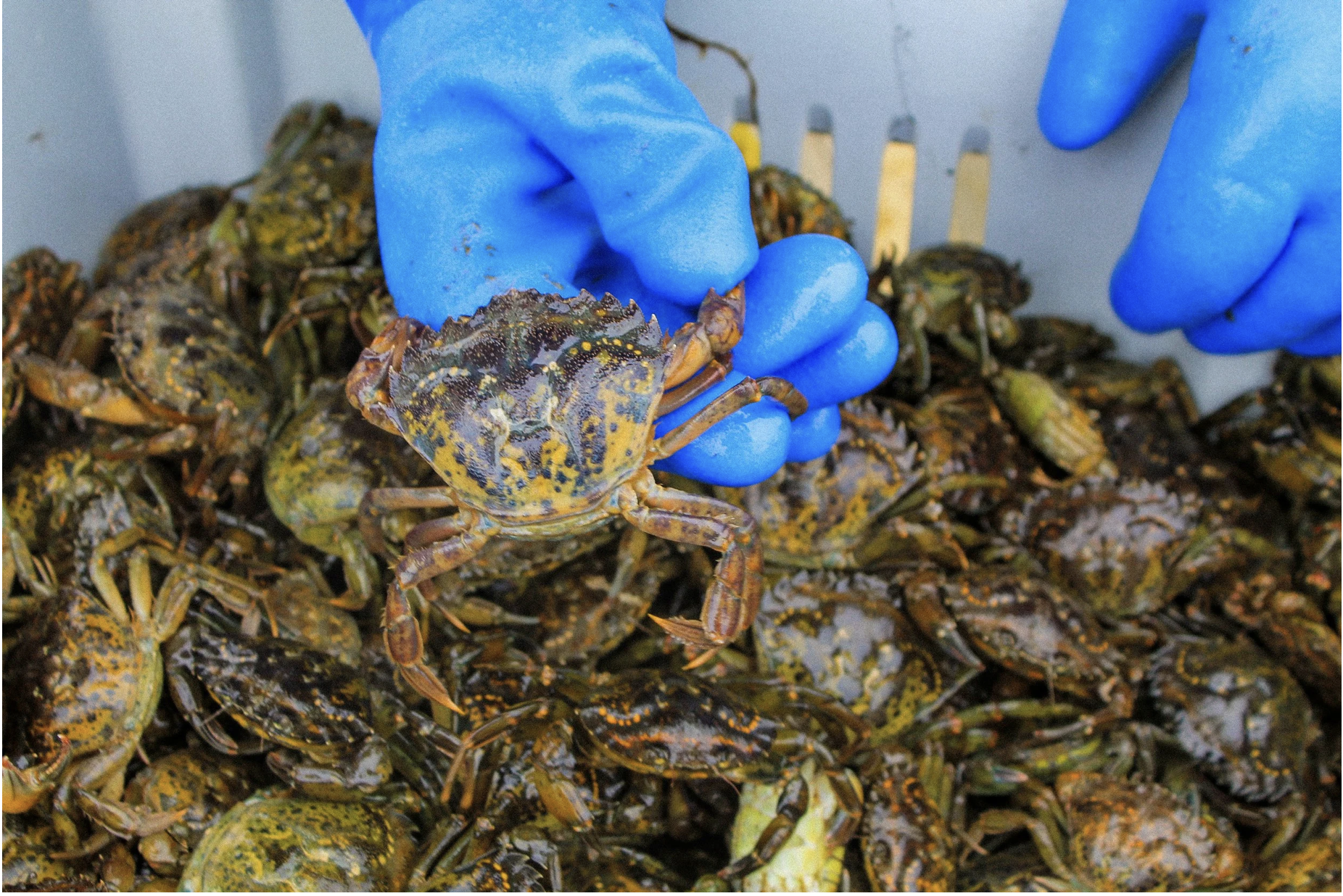
When researchers, chefs, harvesters, and seafood suppliers gather in Portland, Maine, this June, they’ll be tackling one of coastal New England’s most stubborn ecological crises with a fork.
Manomet Conservation Sciences will join GreenCrab.org, Eating with the Ecosystem, and NH Sea Grant as a co-organizer of the Green Crab Working Summit, returning to O’Maine Studios in Portland on June 24th. The summit is the centerpiece of Green Crab Week, running June 22–28, 2026, and reflects a growing movement to fight an invasive species not just with traps and monitoring data, but with menus.
A Pest With a 200-Year Head Start
The European Green Crab (Carcinus maenas) is widely considered one of the world’s worst invasive species, and its populations and range are expected to grow as climate change reshapes coastal environments. First introduced to New England more than 200 years ago, the crabs threaten the region’s most valuable fisheries and ecosystems — devouring farmed and wild shellfish, outcompeting native species, and destroying eelgrass beds that serve as critical habitat for fish and invertebrates.
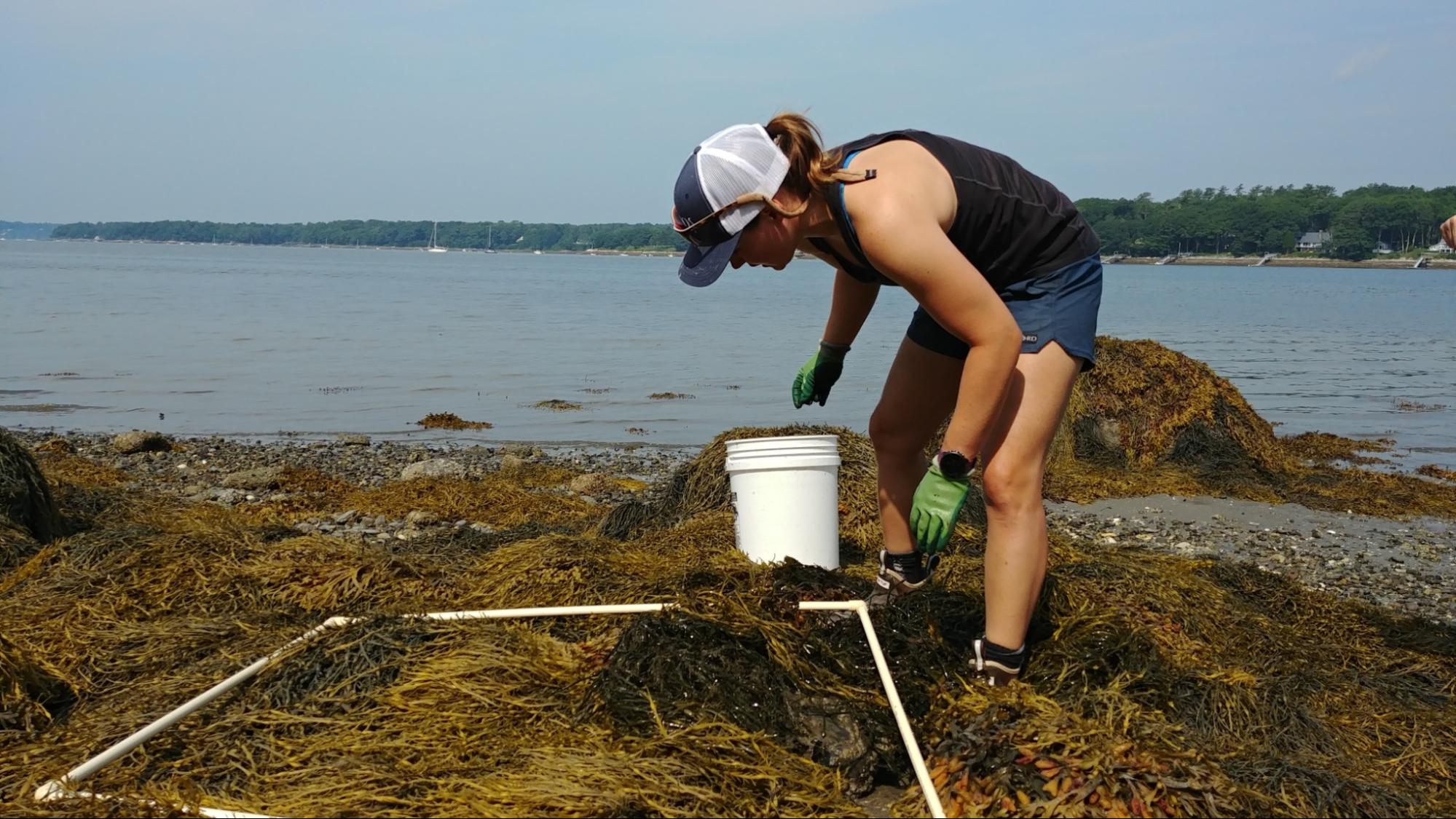
Manomet has been tracking the invasion since 2018, conducting monthly monitoring of green crab populations at multiple sites along the Maine coast in partnership with researchers, students, and community scientists. That open-access data informs ecological research, conservation planning, mitigation strategies, and fishery development across the region.
The Summit That Started It All
Also in 2018, Manomet and NH Sea Grant hosted the first-ever Green Crab Working Summit at O’Maine Studios, bringing together chefs, harvesters, seafood suppliers, and scientists from across the Northeast to share knowledge, explore markets, and forge new collaborations. That gathering helped kick-start green crab market development, raised public awareness of the species’ impact, and connected communities that had previously been working in isolation.
Eight years later, the progress is tangible. Several green crab products have entered the marketplace. More than 100 restaurants and fish markets have featured the invasive species on their menus. Three New England states have passed legislation to expand consumer access to green crabs. And coverage in outlets from Business Insider to the New York Times Magazine has brought the story of the crab — both its culinary promise and its ecological threat — to a national audience.
From Menace to Menu
The “problem to plate” approach rests on a simple but powerful idea: Green crab is not just a nuisance to be managed, it’s a delicious, sustainable seafood. The crabs can be served soft-shell, fermented, shucked for roe, or transformed into stocks, sauces, and soups. Manomet has worked throughout coastal New England to develop fisheries and markets for green crabs, including research and tools to support soft-shell fishery development, and value-added products like fermented Green Crab sauce for restaurants and home cooks. Today, the organization serves as a connector, linking entrepreneurs, fishers, chefs, researchers, and community members to advance new green crab fisheries and markets. If you would like to learn more and access the tools, visit New Fishing Opportunities.
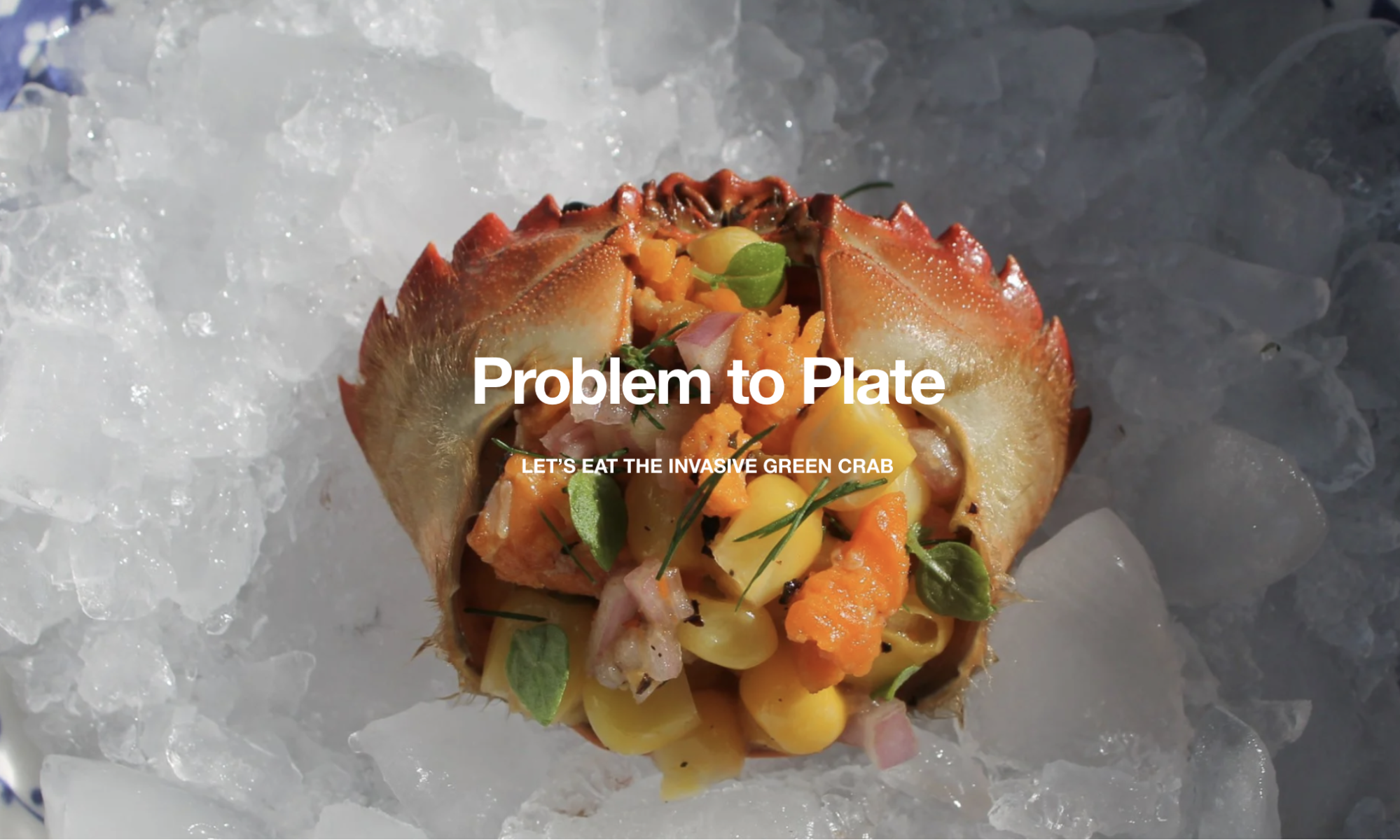
The returning summit on June 24th aims to build on that momentum, supporting the next phase of market growth while keeping harvesters, scientists, and culinary innovators at the same table.
Green Crab Week also includes a hands-on chef workshop on June 25th at the Maine Food and Beverage Education Center in Wiscasset, and a community green crab derby at Wolfe’s Neck Center for Agriculture that same day. Last year’s event reached an estimated 10,000 diners across 70 participating restaurants and fish markets nationwide.
To learn more about Green Crab Week and the summit, visit www.greencrab.org