



 Back to all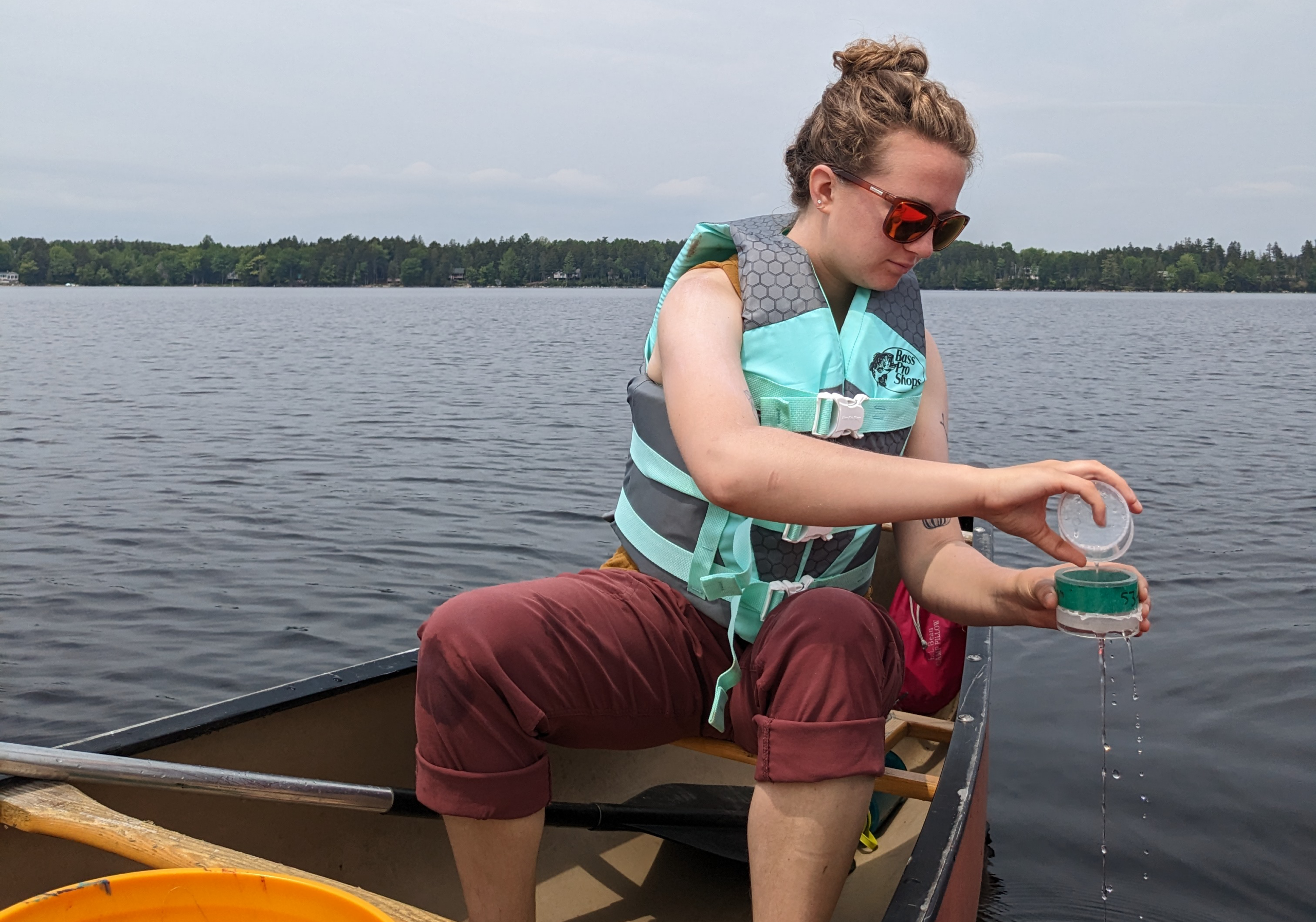
Each spring, river herring begin a remarkable journey from the ocean back into freshwater rivers and streams to spawn. Tracking that movement and understanding what happens next are critical to rebuilding populations that have declined across much of their range.
To support that effort, Manomet and partners in the Gulf of Maine River Herring Network have developed two new data platforms that bring together monitoring efforts across the region, offering a clearer picture of both returning adults and the next generation of fish.
The first platform, ECOFISH, compiles data on adult river herring returning to freshwater habitats each year. By aggregating counts from monitoring sites along the U.S. East Coast, it helps track migration patterns and population trends over time. While the dataset is currently strongest in New England, it is designed to grow, connecting information from additional states to build a more complete, coastwide view of these migratory fish.
The second platform focuses on environmental conditions and what happens after spawning. Developed with Network partners, it brings together data on water temperature, zooplankton, and juvenile river herring size and weight. These indicators are essential for understanding the conditions young fish experience as they grow, factors that ultimately shape how many will survive to return as adults in future years. You can visit the monitoring data site here.
Together, these tools offer more than just data. They provide a shared foundation for scientists, practitioners, and communities working to recover river herring, helping to identify trends, guide conservation actions, and strengthen collaboration across regions.