 Back to all
Andrea Ferreira
Science Communications Manager
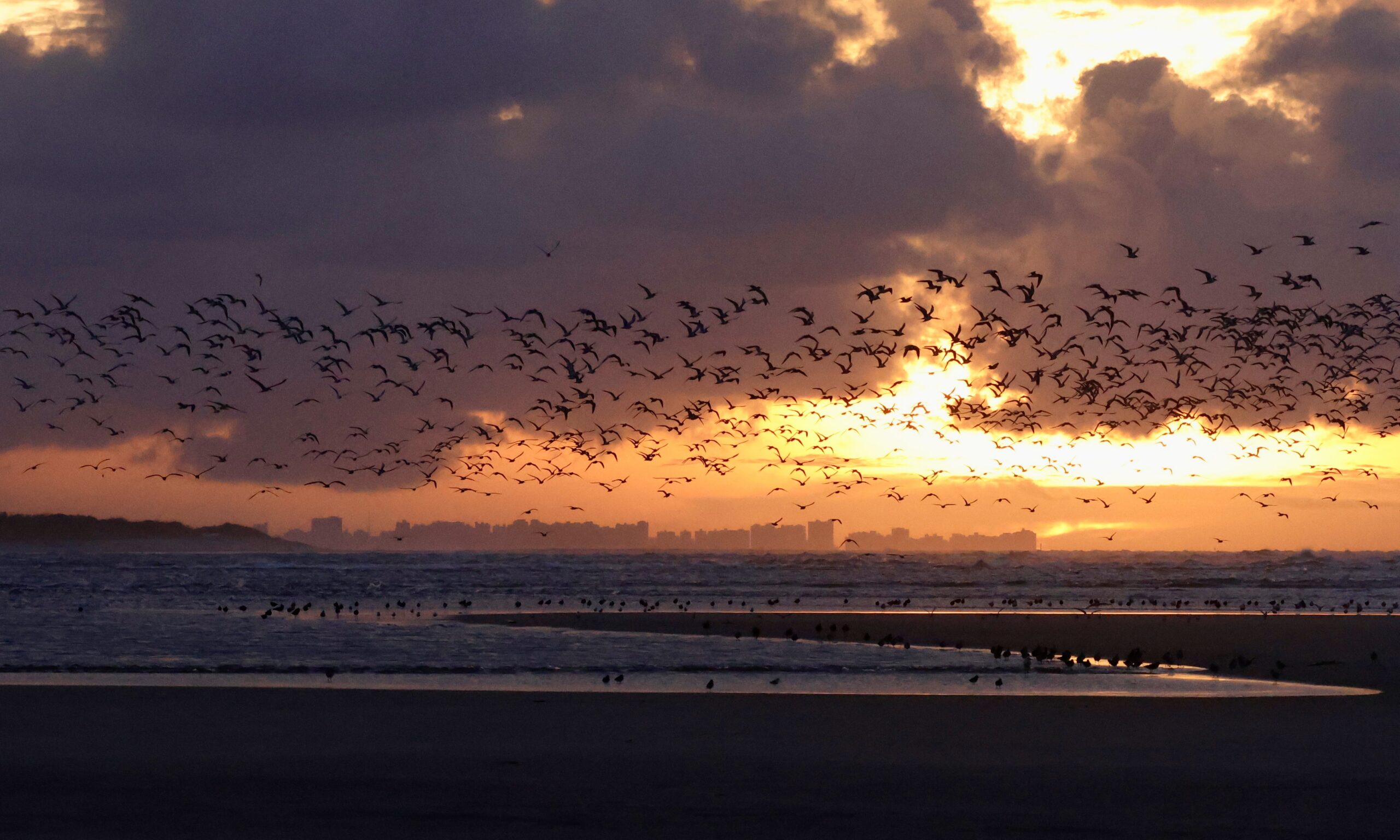
Let’s travel to Brazil’s northern coast, a dynamic, ecologically diverse region where the Atlantic Ocean meets the Amazon Basin. The coastal states of Maranhão and Pará contain some of Brazil’s most important shorebird habitat, supporting large numbers of migratory species such as Hudsonian Whimbrel (Numenius hudsonicus) and Red Knot (Calidris canutus). Decades of research have documented this region’s importance, but its coastal habitats face growing pressure from resource exploitation, development, vehicles on beaches, and large-scale projects.
SAVE Brasil and Manomet Conservation Sciences have worked together since 2020, when SAVE launched the Costa Norte Project, bringing together local partners to map important areas, monitor shorebirds, build local capacity, and strengthen community engagement. The initiative is also helping identify opportunities to recognize additional Western Hemisphere Shorebird Reserve Network (WHSRN) sites in Brazil, strengthening the foundation for long-term conservation along this critical stretch of coast.
Expanding knowledge through research and monitoring
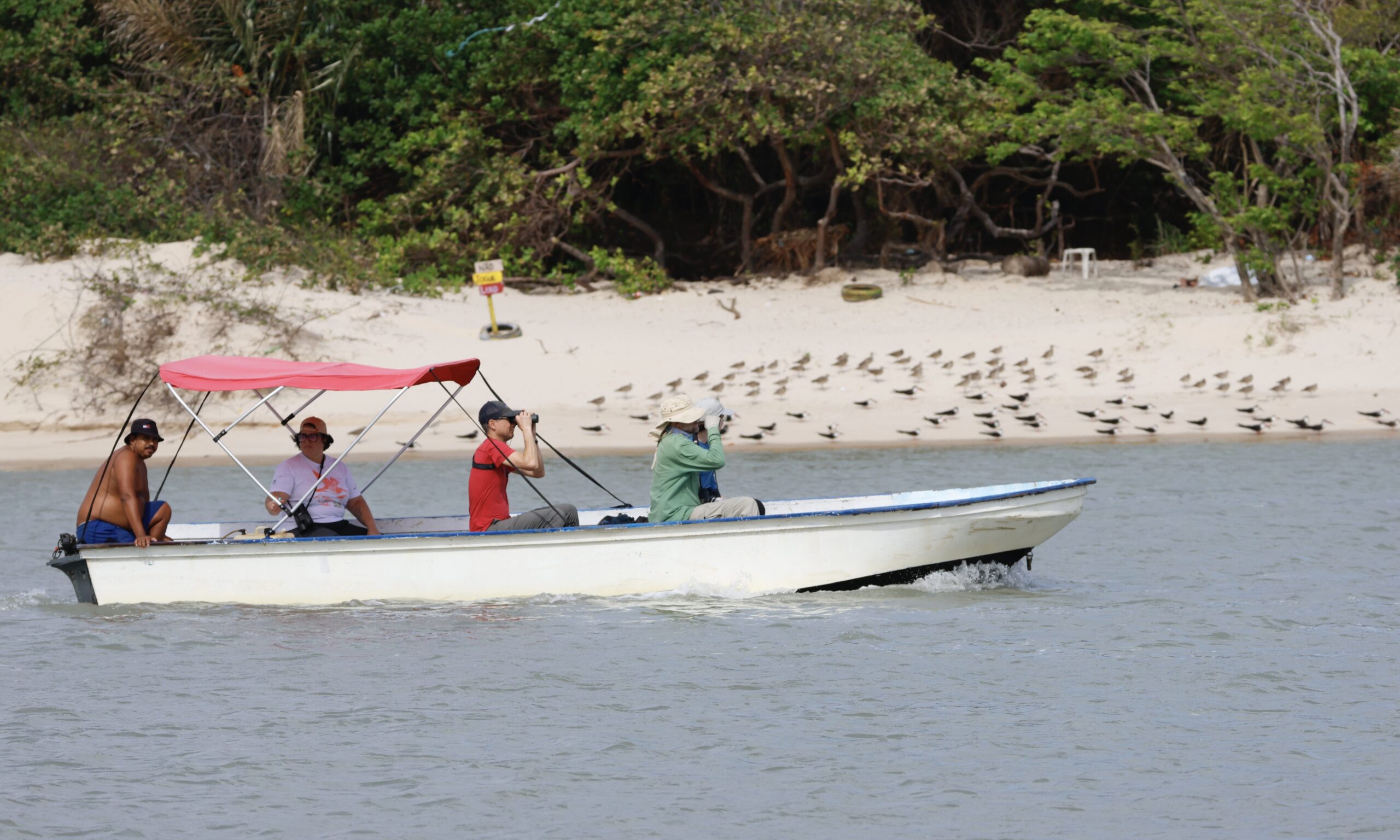
During the first half of 2026, the Costa Norte team conducted shorebird surveys in Maranhão and Pará using the International Shorebird Survey (ISS) protocol and submitted observations to eBird. The surveys confirmed important concentrations of Hudsonian Whimbrels and provided new information about how migratory shorebirds use the region’s estuaries and mangroves during the non-breeding season.
These findings are also helping guide the next phase of research and conservation actions for the Hudsonian Whimbrel. In November 2026, a coalition of researchers will build on these results and years of tracking data to attempt to capture young Whimbrels and Willets for the first time in the region. The work aims to fill important gaps in our understanding of their movements and identify potential weak points along their migration journey that may be affecting their survival.
Incorporating local knowledge
The vast, diverse landscape makes conservation a collaborative effort that extends far beyond any single community. The Costa Norte Project works across this extensive region, building relationships with communities, local organizations, and public institutions. From documenting traditional knowledge to engaging young people in science, these partnerships are helping build a broader picture of the region and strengthen conservation from the ground up.
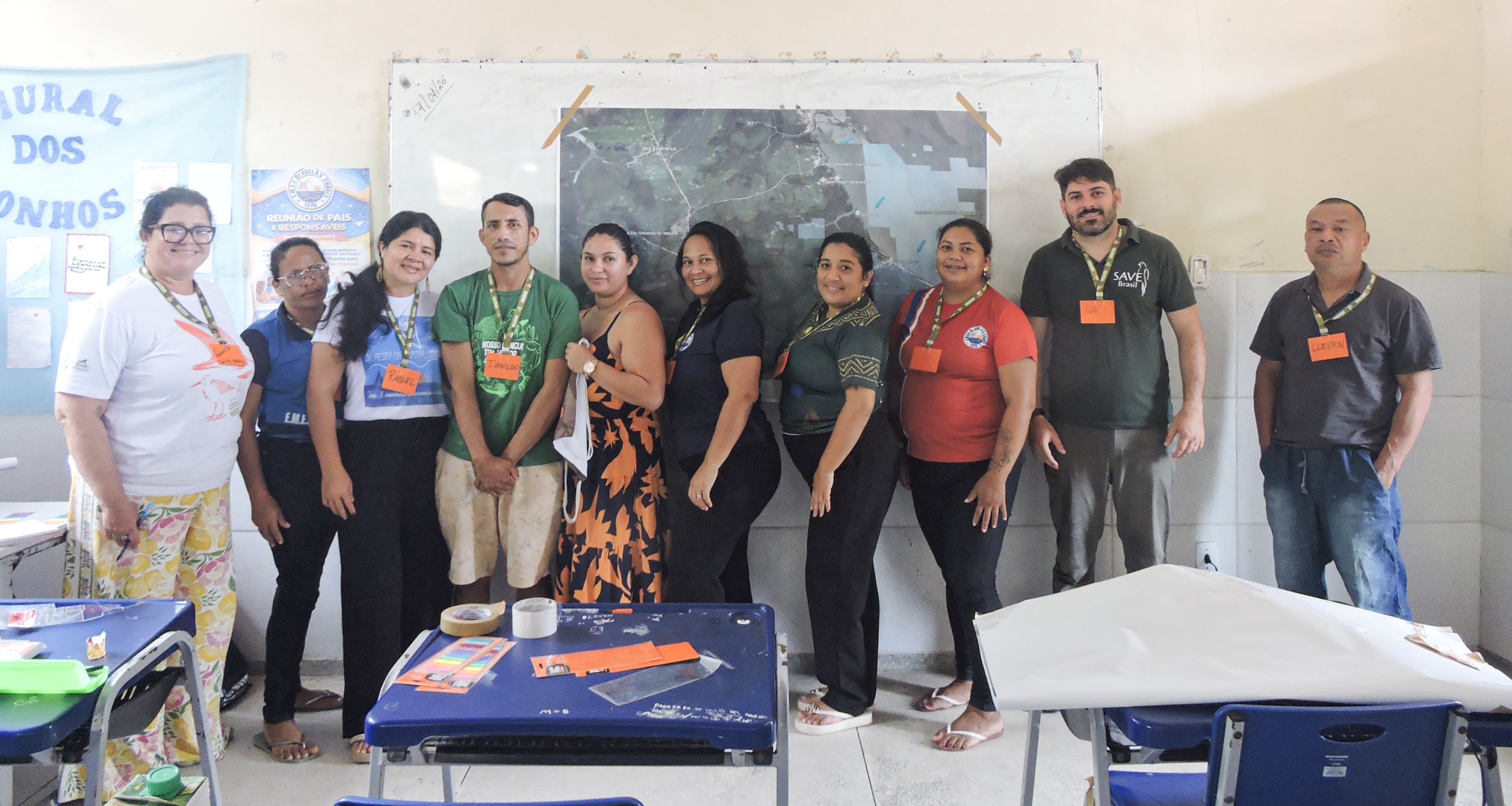
In Vila da Penha, within the Maracanã Marine Extractive Reserve in Pará, a biocultural mapping workshop brought community members together to document traditional knowledge, identify areas important to the community and birds, and discuss environmental changes observed over time. The approach recognizes that understanding a landscape requires more than scientific data: people who have lived and worked in these environments for generations offer an important perspective on how coastal ecosystems are changing.
In Raposa, Maranhão, the team also met with the Municipal Department of the Environment to explore collaboration opportunities. Together, these efforts are helping connect scientific research with the knowledge and experience of people who know these landscapes firsthand.
Connecting with younger generations
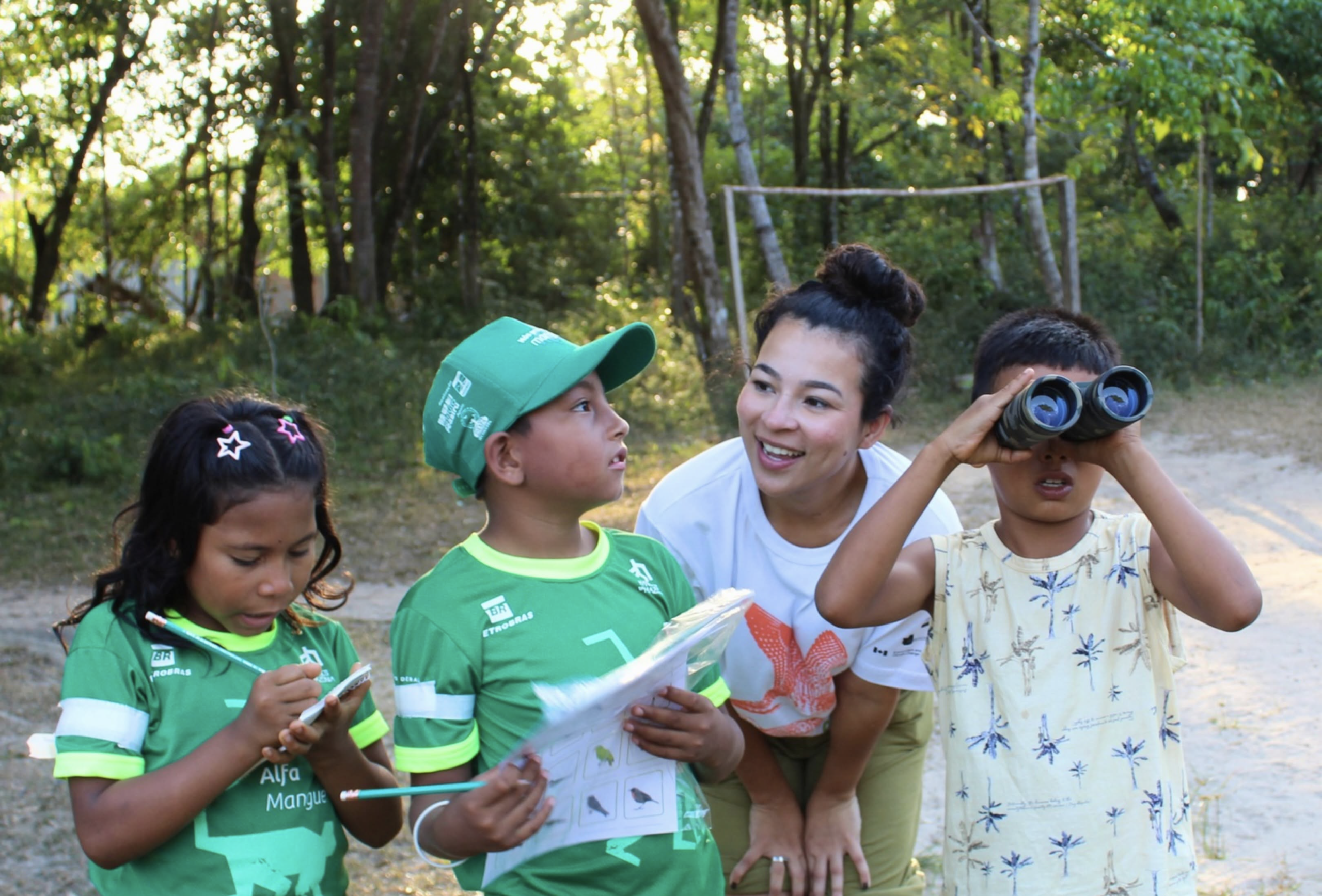
In Pará, Costa Norte is working with Mangues da Amazônia (Mangroves of the Amazon) to connect children and young people with the birds and ecosystems around them. In August, the team brought birds and conservation into Clube Alfamangue, a children’s literacy program, where around 25 students explored reading and writing through these themes. The following day, 20 young people in Clube de Ciências (Science Club) explored bird biology. They gained hands-on experience with tools ornithologists use, including binoculars, field guides, and mist nets.
A representative of Mangues da Amazônia reflected on the value of this partnership: “Receiving SAVE Brasil here has been an incredible experience. They bring new perspectives and knowledge we can’t always share with the children ourselves. We are immensely happy with this partnership and the opportunities it has created to expand children’s knowledge and understanding of the world around them.”
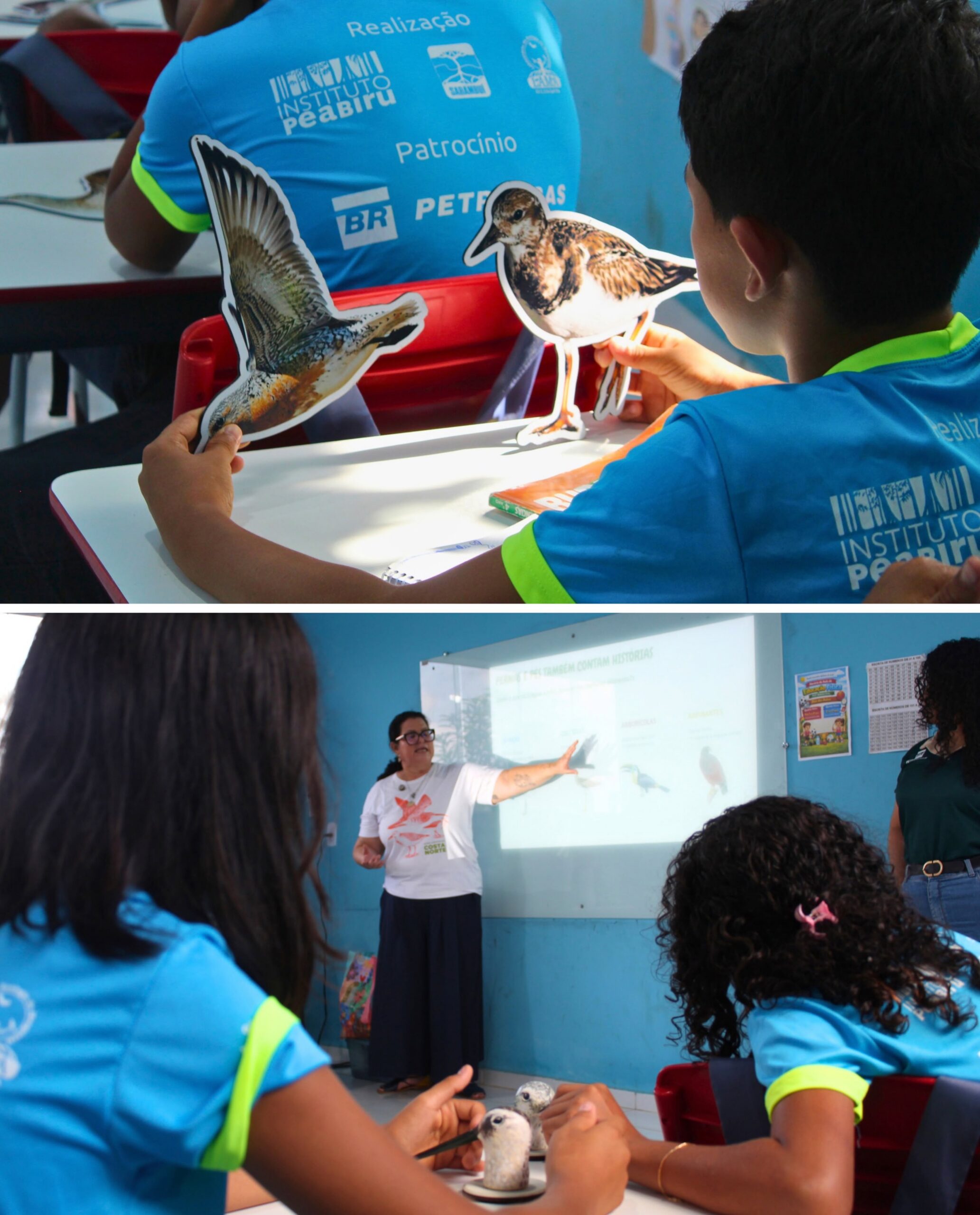
The Science Club activities also connect students in Pará with young people in Rio Grande do Sul, another region where SAVE Brasil works. Students have begun exchanging letters, sharing their cultures, local species, and relationships with the places where they live.
Although thousands of kilometers separate these communities and they live in very different environments, migratory birds connect them, depending on both landscapes throughout their annual journeys. The exchange offers young people a tangible way to understand that connection and their role in protecting it.
The collaboration between the Costa Norte and Mangues da Amazônia projects is especially relevant because both initiatives operate in the same habitat. By connecting with groups already organized and recognized by local communities, the Costa Norte Project expands its regional reach. It creates new opportunities to integrate education, community engagement, and shorebird and habitat conservation. This joint effort strengthens the project’s presence in one of the most important areas for conserving these species along Brazil’s Northern Coast: the world’s largest continuous stretch of mangroves and a key refuge for shorebirds.
A reflection from one of the teachers, Pamela Gonsalves, on the mangrove learning experience highlights how these connections can change the way children see their surroundings: “Tomorrow, these children will visit the mangrove with a different perspective. They will no longer see only the trees and crabs but will also notice the birds and other elements we discussed in the classroom. Through this experience, supported by professionals from different backgrounds, they can connect what they have learned with the environment around them. Relationships built with communities and partnerships create new opportunities to care for birds, people, mangroves, and their territories. When these paths come together, conservation gains meaning.”
For a bird that travels thousands of miles between seasons, conservation cannot happen in just one place. Protecting the Hudsonian Whimbrel and other migratory shorebirds requires connections across their entire journey—and among the people who share the landscapes along the way.