

 Back to all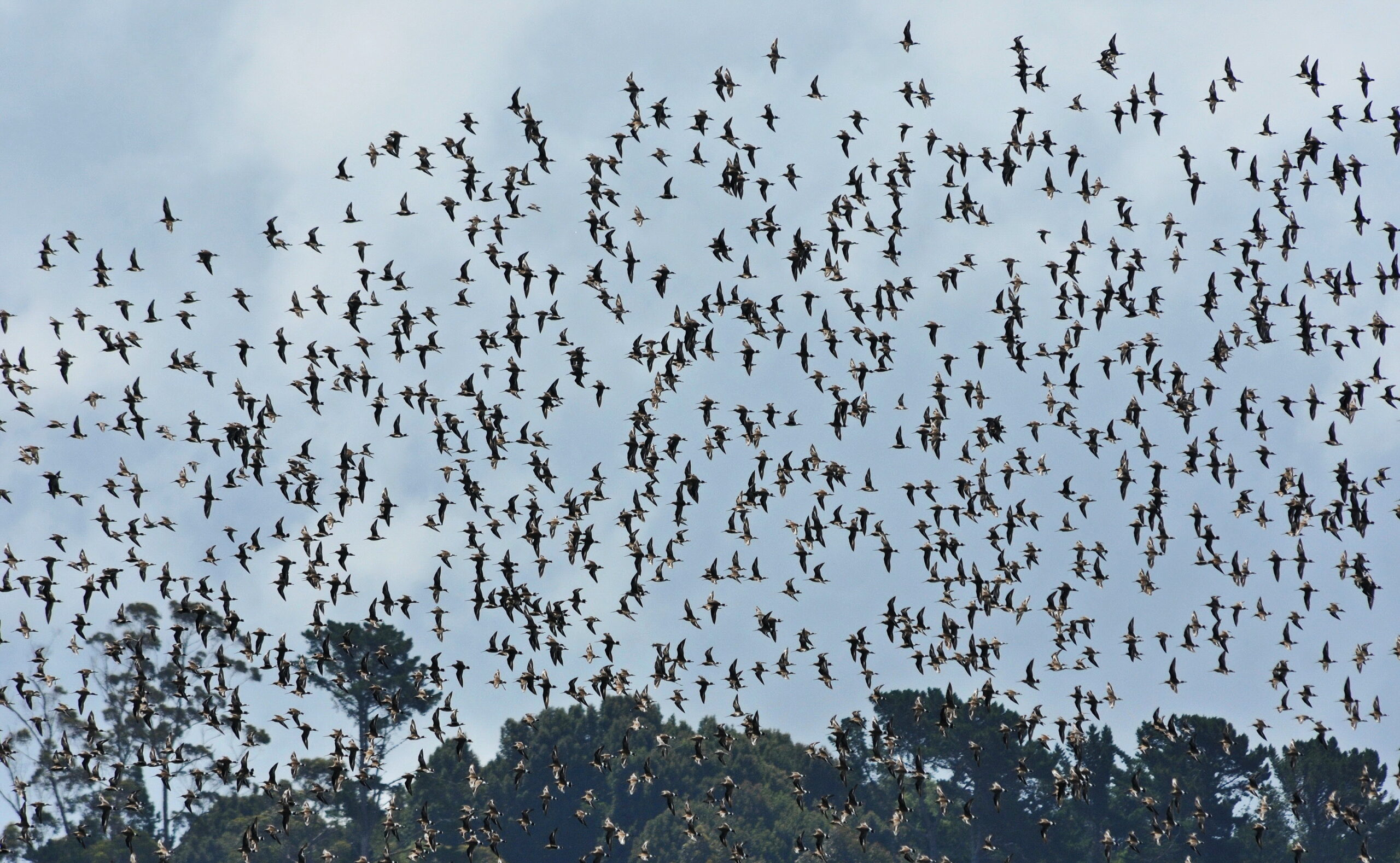
Diego Luna Quevedo
Senior Specialist Policy and Governance
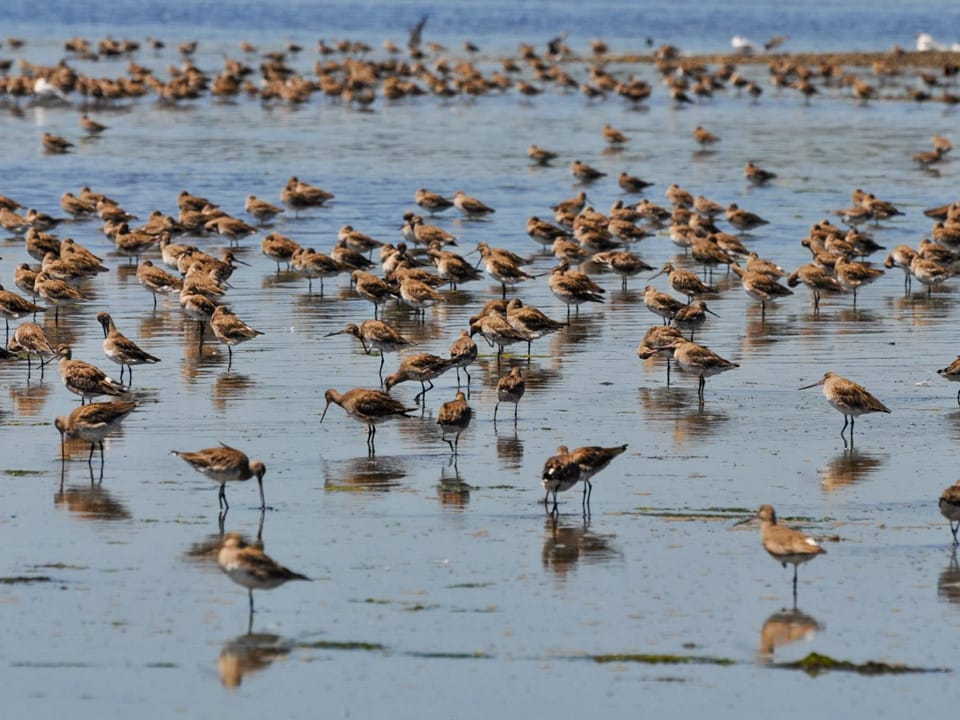
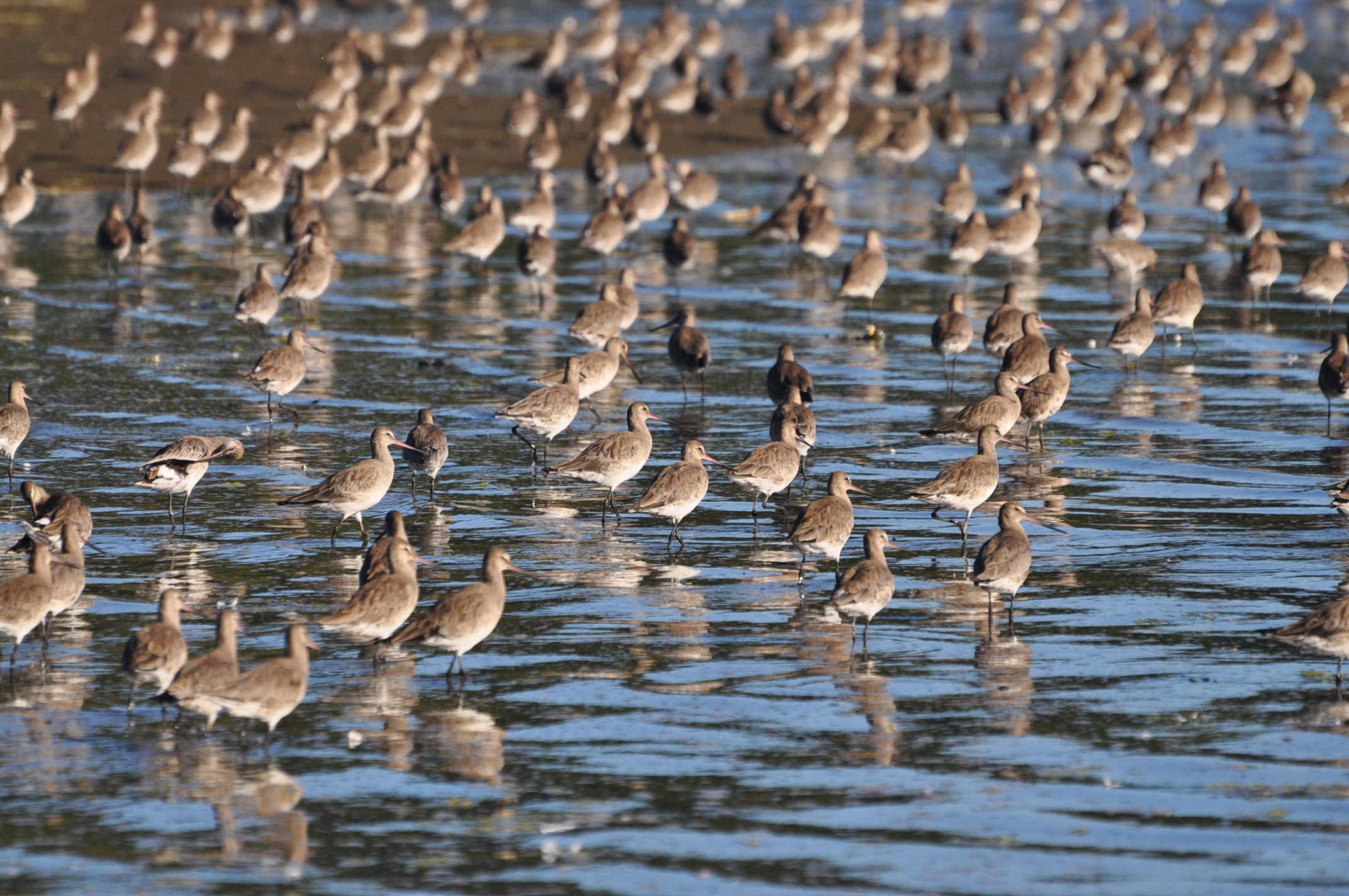
In southern Chile, the island of Chiloé and its surrounding mainland form a critical wintering area for two species of migratory shorebirds: the Hudsonian Godwit (Limosa haemastica) and the Hudsonian Whimbrel (Numenius hudsonicus). These species breed in subarctic regions of North America and migrate long distances to spend the boreal winter along the coasts of South America, traveling along the Pacific Americas Flyway.
The island’s eastern wetlands host more than 20,000 Hudsonian Godwits, representing 27% of the global population and 99% of the Pacific coast population, as well as large numbers of Hudsonian Whimbrel, accounting for over 60% of the Pacific population.
Due to Chiloé’s importance for migratory shorebirds and the growing number of threats to critical habitats, in 2010 a coalition of local, national, and international partners launched the “Conservation Plan for Migratory Shorebirds in Chiloé”. Its implementation has been made possible largely through the support of the David and Lucile Packard Foundation.
In recognition of its importance for these shorebirds, in January 2011, 1,900 hectares of the Humedales Orientales de Chiloé were designated as a “Site of Hemispheric Importance” within the Western Hemisphere Shorebird Reserve Network (WHSRN), with the explicit support of landowners and site managers, local municipalities, and community organizations.
More than shorebirds
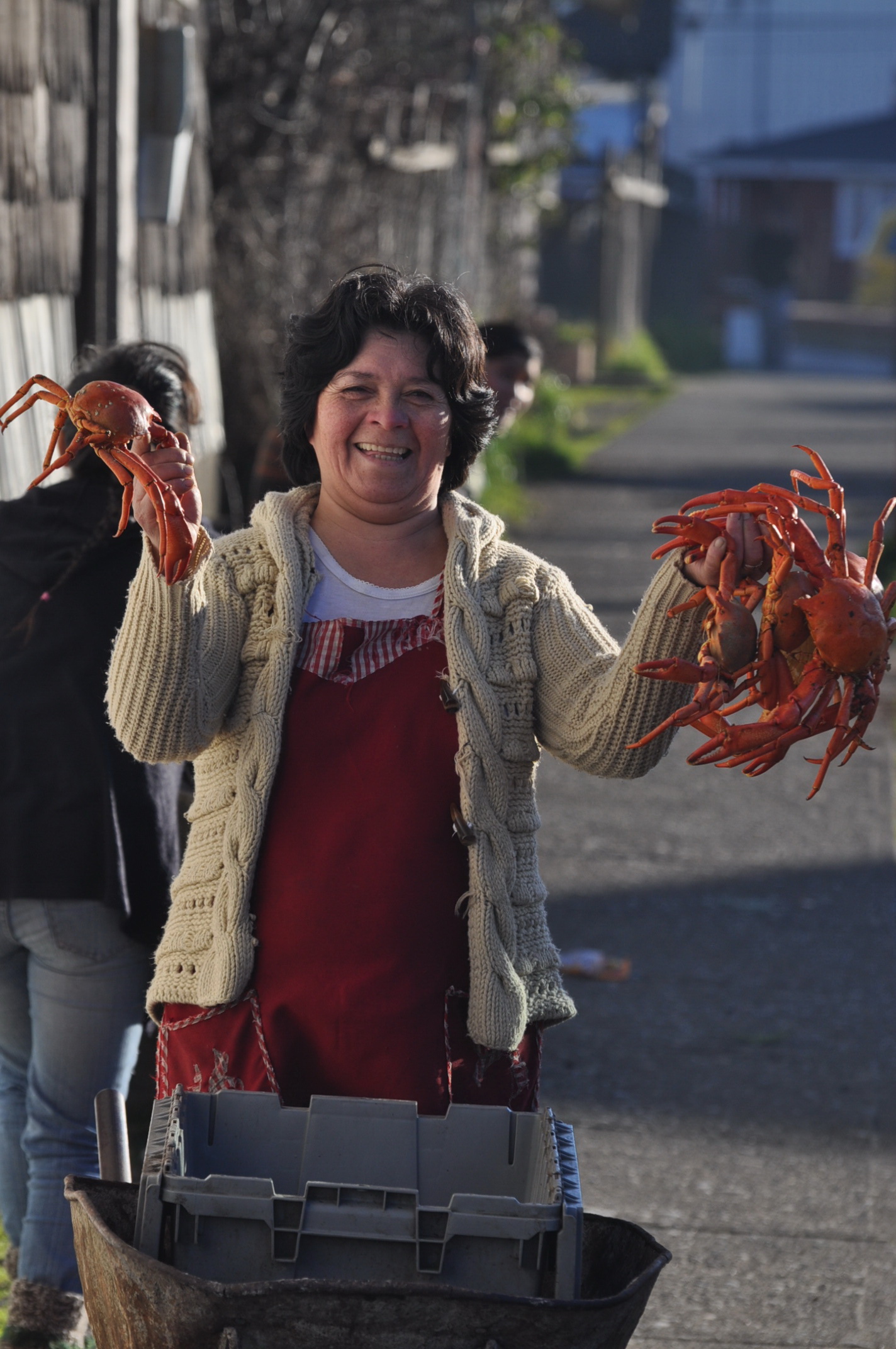
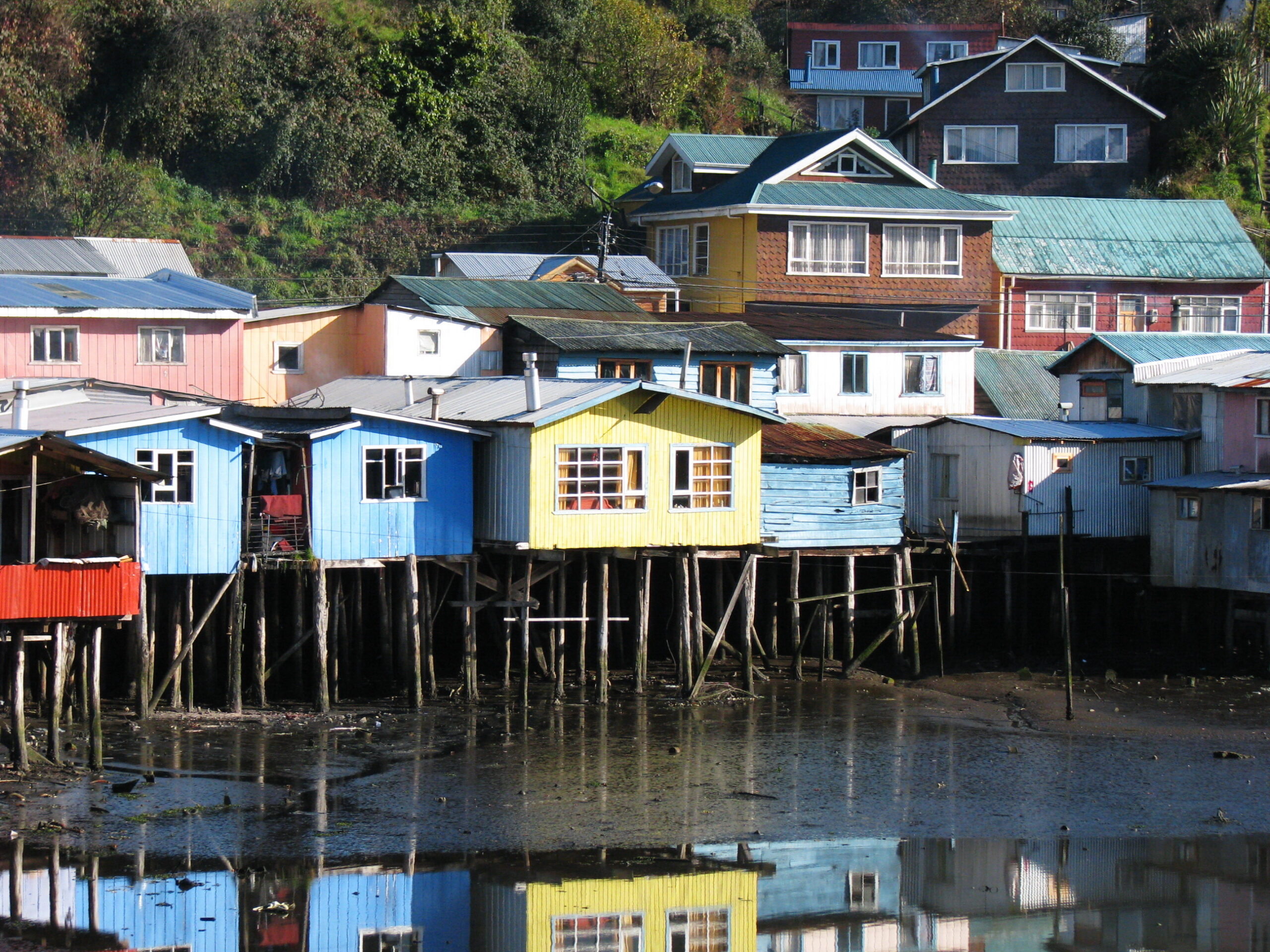
The value of Chiloé goes far beyond migratory shorebirds. Above all, it is a living cultural landscape, where local communities have built balanced relationships with nature, essential for integrating conservation from a territorial perspective. In the coastal areas of the archipelago, daily life is deeply connected to the sea. Artisanal fishing, shoreline gathering, and the communal use of intertidal areas are practices passed down from generation to generation. These activities not only sustain local economies, but also cultural identities deeply rooted in natural cycles, tides, and seasons. In areas such as Curaco de Vélez Bay (a Nature Sanctuary), the same intertidal flats that feed thousands of shorebirds also serve as spaces of work, gathering, and memory for local communities.
A site-based conservation approach
Under the “Chiloé Plan,” Manomet Conservation Sciences has been working with NGOs, universities, local communities, businesses, entrepreneurs, municipalities, and government agencies to create the conditions needed for conservation at the site level.
A range of approaches has been tested, exploring different methods to identify the most cost-effective pathways for achieving meaningful impact. One of these has been the development of legal protection mechanisms through a multi-layered approach, combining municipal ordinances and reserves, marine concessions, hunting-free areas, Indigenous coastal-marine protected spaces, and formal protected areas.
The use of these conservation layers has made it possible to safeguard sensitive areas, define habitats used by birds, and establish basic infrastructure as a way of advancing conservation across the landscape. A key principle of this approach is that, regardless of the designation being pursued, it always involves early participation and the support of stakeholders and local users.
One of the most tangible achievements in this area has been the designation of three protected areas, totaling 8,258 hectares of safeguarded habitat for these shorebirds in Chiloé and the adjacent mainland (Maullín River Wetlands, Curaco de Vélez Bay, and Quinchao Bay). Participatory management plans have been developed and are currently being implemented, including local governance mechanisms across the three protected areas.
Another key line of action has been to address the question: what do communities gain from conservation? The response has been the implementation of “Microfunds,” an innovative mechanism that supports small local enterprises linked to shorebird conservation. Through this approach, 20 microfunds have been implemented, providing funding and technical support to strengthen existing or emerging initiatives, including assistance with equipment, basic infrastructure, and promotion. See the article Microfunds in Chiloé.
Greater engagement, capacity, good practices, and local governance
As the conservation process has progressed, local communities have become increasingly engaged, as a result of social marketing campaigns focused on behavior change and raising awareness, as well as the development of citizen science initiatives. Before the plan began, very few individuals and groups recognized the value of Chiloé’s wetlands. Today, a significant portion of the community actively values and supports the conservation of these ecosystems, and national recognition of this territory has also increased.
The work of Manomet and local partners such as Fundación Conservación Marina has also strengthened local and regional capacities in areas such as good governance, social marketing, tourism, entrepreneurship, monitoring of shorebird species and populations, habitat management, and the promotion of cultural and natural heritage, among others. In addition, the adoption of best practices in the use and management of wetlands has been promoted among private landowners and aquaculture companies.
Measures have been implemented to safeguard sites and habitats (including informational signage, exclusion zones, fencing of nesting areas, and anti-predation measures, among others), and public access infrastructure has been developed (such as local heritage routes, observation platforms, and boardwalks). Wetland and shorebird fairs and festivals in Chiloé have become effective platforms for sharing conservation messages with diverse audiences. They also provide important spaces for local entrepreneurs, attract both national and international visitors, and help foster local pride.
Over the past 10 years, more than 30,000 people have participated in these activities, and over 200 entrepreneurs have promoted their products and services, including crafts, gastronomy, and tourism offerings, through these events. In terms of applied science, the actions implemented under the “Migratory Shorebird Conservation Plan for Chiloé” have enabled regular monitoring of shorebird populations and species across more than 30 wetlands since 2010.
In addition, biological monitoring of intertidal macroinvertebrate communities has been carried out in Caulín and Curaco de Vélez Bays. This work makes it possible to better understand and manage the ecological foundation that sustains shorebirds during their long migrations: their food resources and the quality of their habitat.
On the one hand, monitoring allows for measuring prey abundance and biomass, the spatial distribution of food resources, and seasonal changes in food availability. On the other hand, macroinvertebrates serve as indicators of ecosystem health, as they are highly sensitive to environmental changes such as pollution, sediment alteration, eutrophication, hydrological changes, and/or human disturbance. The information generated has improved access to data that support decision-making on planning, use, management, and protection of these areas, while also enabling the assessment of the effectiveness of implemented actions.

The challenge of sustaining conservation processes over time
The process in Chiloé has had to overcome challenges in adverse contexts, including Chile’s social unrest in 2019, the COVID-19 pandemic in 2020, and institutional and leadership changes, during which conservation has lost prominence in the public agenda.
Chiloé is currently undergoing rapid transformations driven by the expansion of intensive industries, energy development, land-use changes, and other pressures on coastal ecosystems. The conservation progress achieved over the past decade in Chiloé, from the generation of scientific knowledge to the establishment of protected areas and the coordination of a broad coalition of local partners, provides a strong foundation. However, it also highlights a key reality: conservation gains are reversible if they are not sustained over time.
Ensuring the continuity of this process will make it possible to consolidate and scale the impact already achieved, while strengthening a replicable model that offers valuable lessons for other coastal territories across the Pacific.
By conserving wetlands on the island of shorebirds, we are directly contributing to the well-being of the communities that live around them. In addition to creating the conditions needed for birds to successfully complete their annual life cycles, this work helps ensure the provision of vital ecosystem services that support community resilience to climate change and sustain diverse local economies.