


 Back to all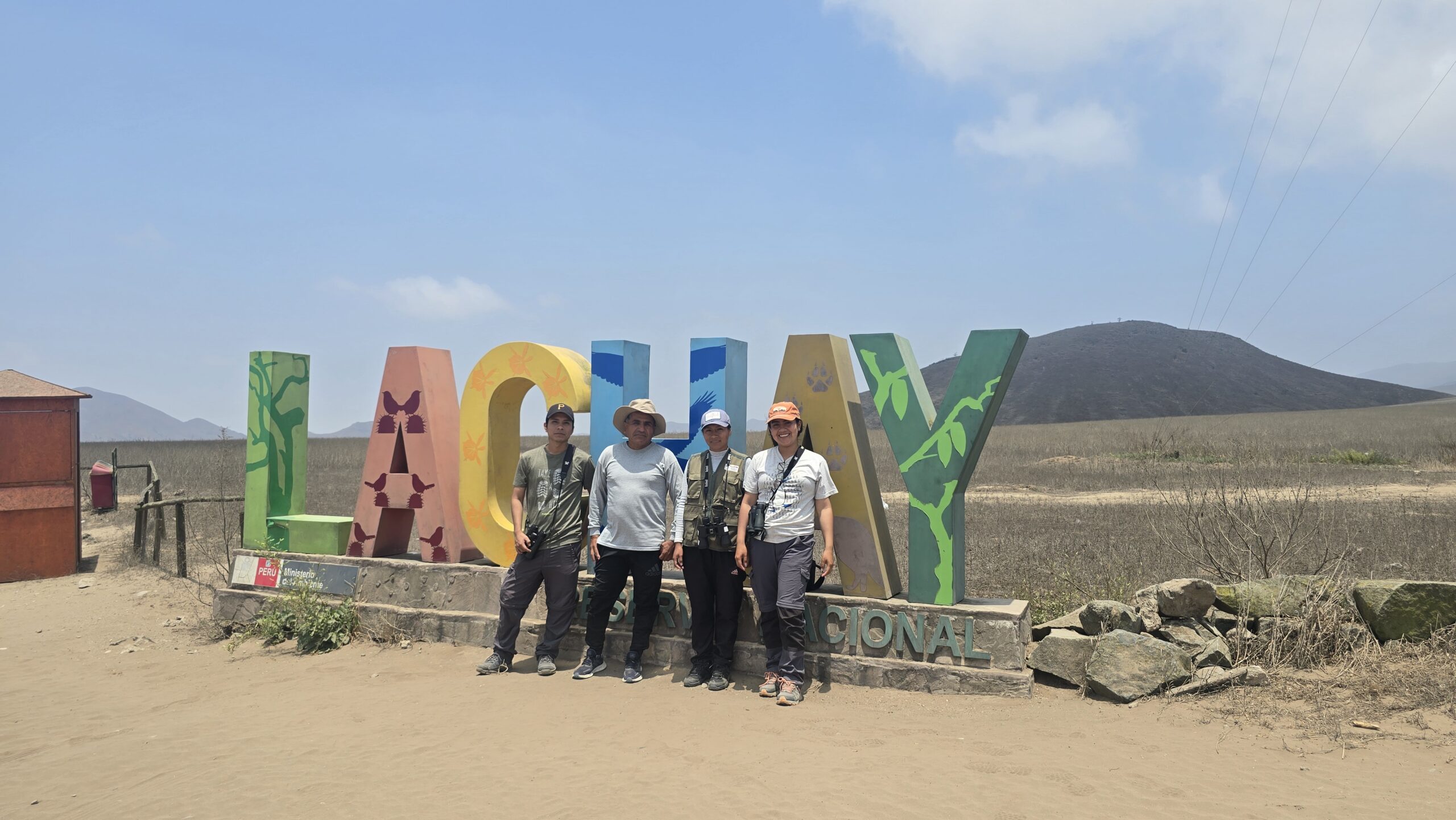

Andrea Ferreira
Science Communications Manager
What does it mean to be fluent in birds? For some, it’s the ability to identify a distant silhouette against the sky. For others, it’s years of fieldwork and data collection. But sometimes, it’s something more: a shared language that connects people across continents, generations, and experiences.
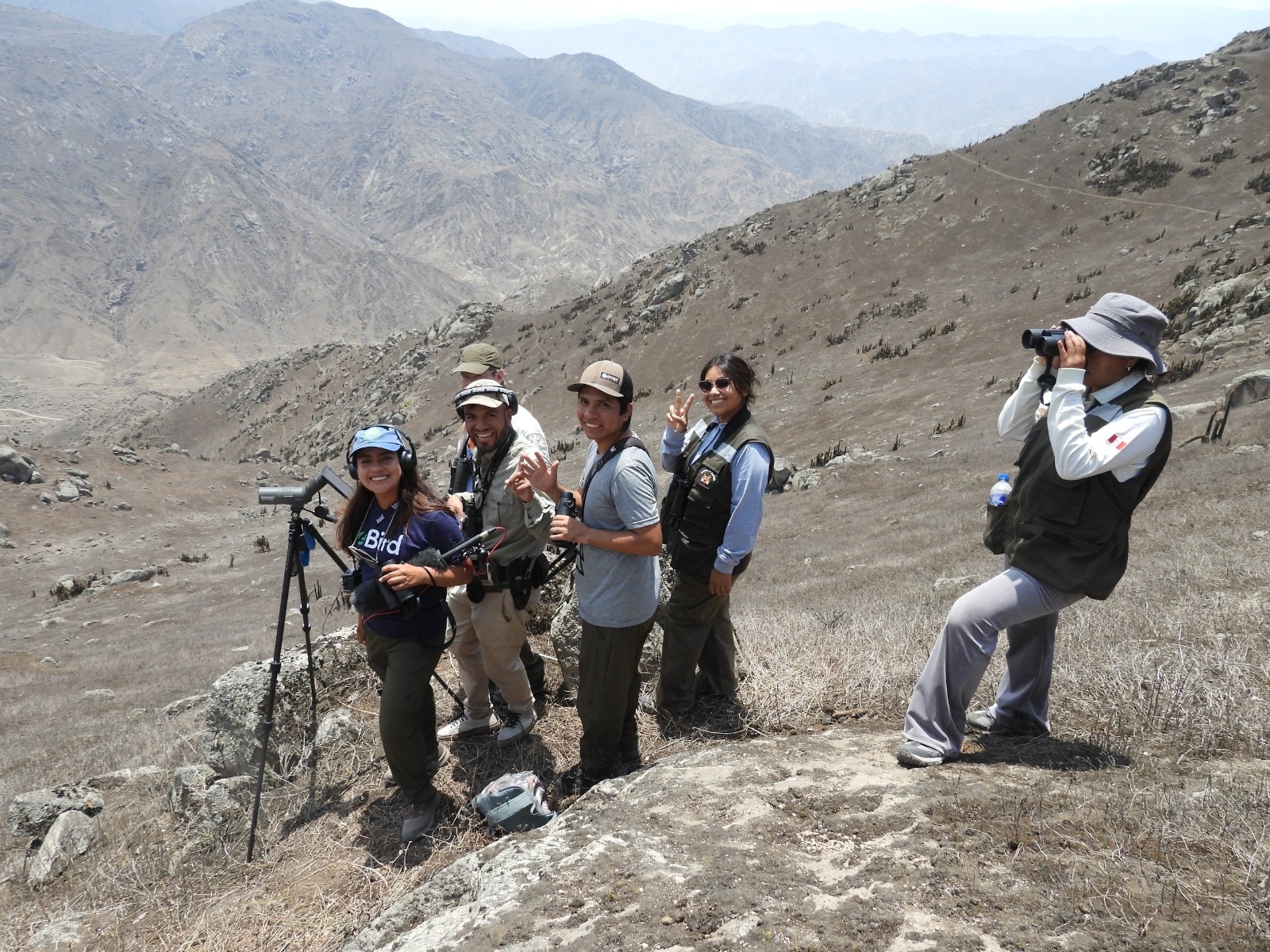
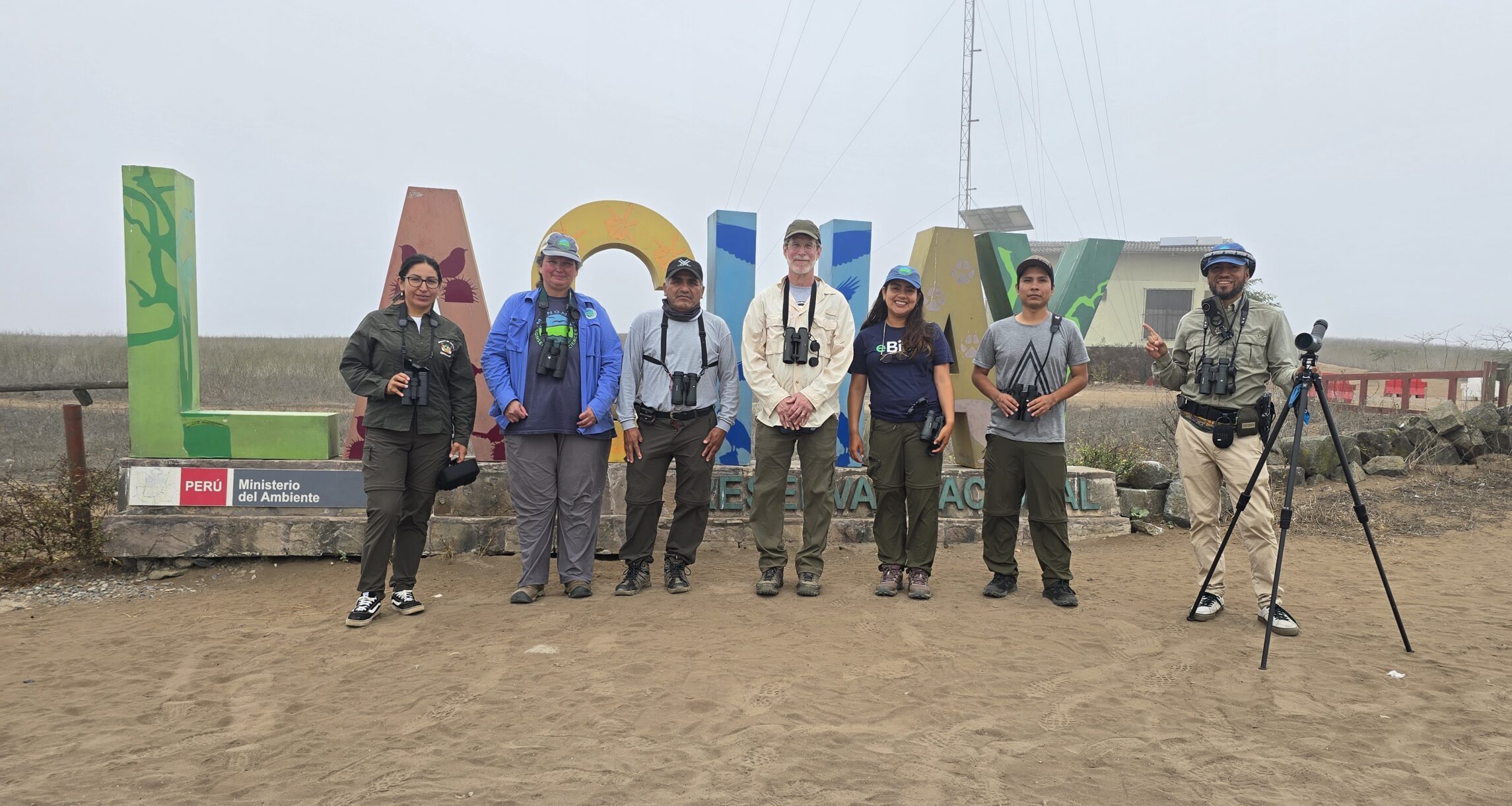
Recently, Brookline Bird Club (BBC) President Cliff Cook and Manomet’s North American Coordinator for the International Shorebird Survey (ISS) Lisa Schibley traveled to Lomas de Lachay National Reserve in Peru with a simple but meaningful mission: to support two early-career researchers working to better understand a little-known shorebird.
The visit included an in-kind donation from BBC members: four pairs of high-quality binoculars for Park Rangers and Small Grants awardees Mariamercedes Antezana Aponte and Jesús Escobar Aristizábal, who are studying the Tawny-throated Dotterel.
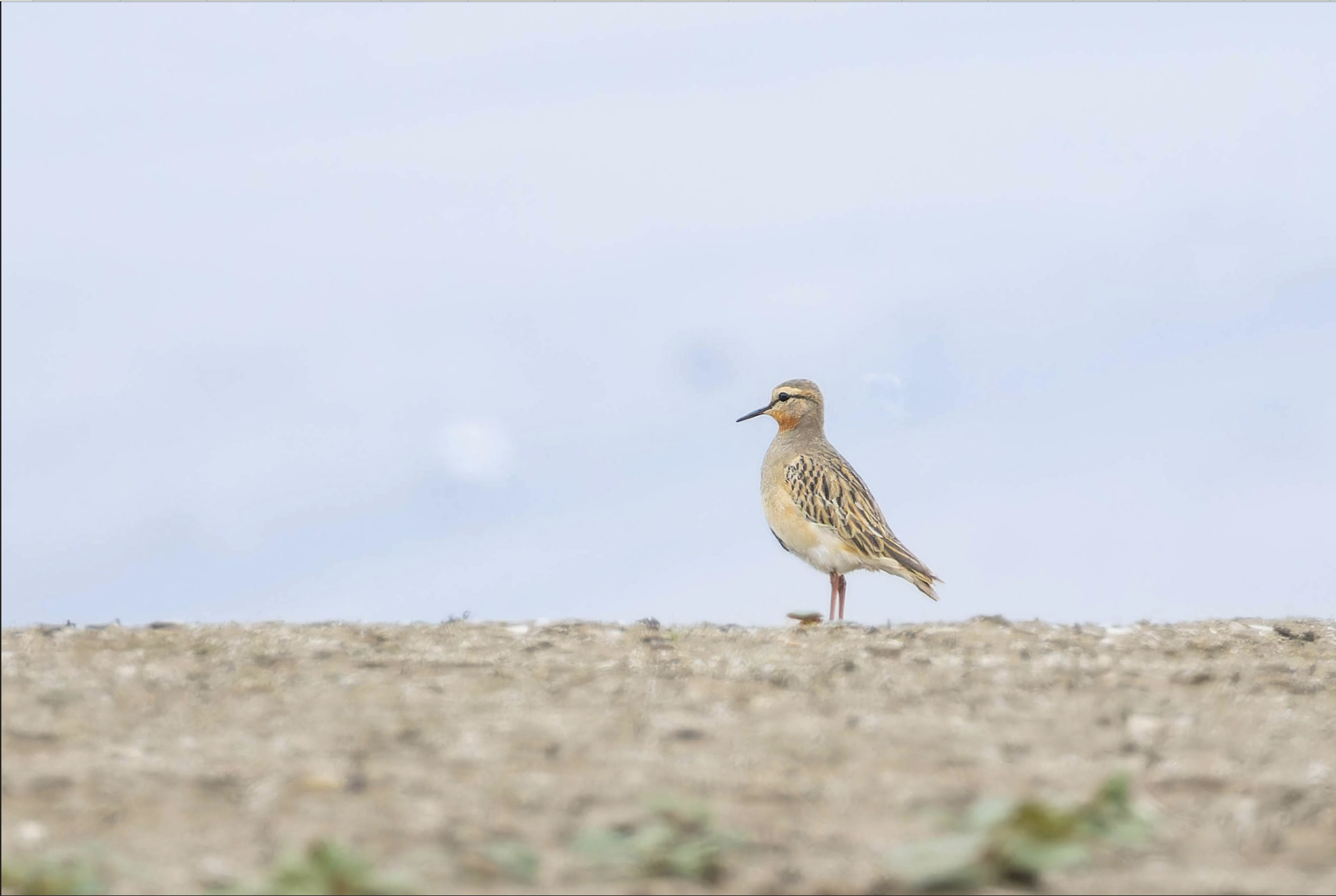
The Tawny-throated Dotterel (Oreopholus ruficollis) is a shorebird of South America’s open, temperate habitats, including Andean grasslands, coastal plains, steppe, and peatlands. The species is currently classified as Least Concern. Yet, like many shorebirds, it faces population declines due to habitat loss, agricultural expansion, and predation. Conservation efforts focus on managing grazing pressure, protecting key coastal habitats in Peru and Chile, and establishing monitoring programs in areas where the species is most vulnerable.
That’s where Mari and Jesús come in.
Their project, “Abundance and Seasonality of the Tawny-throated Dotterel in the Lachay National Reserve, Peru: Advancing Toward a Monitoring Program and Potential Recognition as a Site of Importance for Shorebirds,” is designed to fill a critical knowledge gap and make the case for Lachay’s recognition as a site of international significance, potentially joining the Western Hemisphere Shorebird Reserve Network (WHSRN).
Mariamercedes Antezana Aponte — Biologist, Universidad Nacional Agraria La Molina. Associate researcher at Centro de investigación en biodiversidad del Perú (CORBIDI). Eight years of experience in ornithology field projects. Certified shorebird bander by the North American Banding Council.
Jesús Escobar Aristizábal — Ecotourism Engineer, Universidad Nacional Federico Villarreal. Bird specialist for the ConservAves Program at Asociación Ecosistemas Andinos (ECOAN) Experience in wildlife monitoring in Peru and Argentina.
The BBC’s visit placed Lachay on the radar of an international birding community — opening the door for other clubs and individuals in North America to discover and support the site and the people working there. But the exchange didn’t stop with the delivery. Mari and Jesús later presented a webinar to the full BBC membership, covering the natural history and research priorities of the Tawny-throated Dotterel, as well as the progress of their project. It was a two-way exchange: the young researchers brought field knowledge and scientific context; the BBC brought decades of experience and genuine curiosity.
Manomet’s Small Grants Coordinator Isadora Angarita-Martinez also sent the BBC a letter on behalf of the fellows, including handwritten notes from Mari and Jesús and photos from the field. It was a small, but powerful reminder that conservation is not just about data or funding—it’s about relationships.

This exchange represents an important step in strengthening the relationship between the Manomet Small Grants Program and the Brookline Bird Club, and highlights what’s possible when a passionate birding community invests in the next generation of conservationists. A shared love for birds, whether rooted in scientific research or recreational birding, can transcend geography, language, and experience. By investing in these connections, clubs and individuals can play a direct role in ensuring that shorebirds continue to thrive and early-career researchers have the resources and support needed to study and protect them.
Because fluency in birds isn’t just about knowing their names or calls. It’s about understanding their needs, supporting the people who study them, and recognizing that the work of conservation is stronger when it’s connected.
In addition to the Tawny-throated Dotterel project, many other Small Grants initiatives are currently underway across Latin America and the Caribbean, led by early-career conservationists working to protect shorebirds and their habitats. For those looking to get involved, there are many ways to be a part of this growing network. If you’d like to contribute to the Small Grants Program and support fellows working across the region, visit donorbox.org/whsrn and select Small Grants Fund under Designation. To follow the progress of Mari and Jesús’s work— and stories from other fellows— subscribe to Manomet’s newsletter. After all, the most meaningful kind of fluency is the kind that brings people together.