

 Back to all
Shorebirds connect an extraordinary range of habitats across the Western Hemisphere. A single species may breed in the Arctic and, within the same year, rely on Gulf Coast marshes, Andean peatlands, or saline lakes in South America. That connectivity is under urgent threat. Two recent Manomet‑coauthored studies document some of the steepest declines of any bird group in the Americas—driven by habitat loss, disturbance, and climate change. More than half of North American shorebird species have declined by 50% or more, with losses accelerating in recent generations, and 16 species have been uplisted on the International Union for Conservation of Nature (IUCN) Red List. Immediate, coordinated action is required to halt and reverse these declines.
Understanding where shorebirds travel and where they face the greatest pressures is essential to reversing these trends. Manomet’s shorebird work brings together population monitoring, migratory‑connectivity mapping, and identification of critical breeding, stopover, and non‑breeding sites across the Americas. We partner with local communities, governments, researchers, and site‑based organizations to translate that knowledge into on‑the‑ground conservation—protecting habitat, improving management, and filling key information gaps along their flyways.
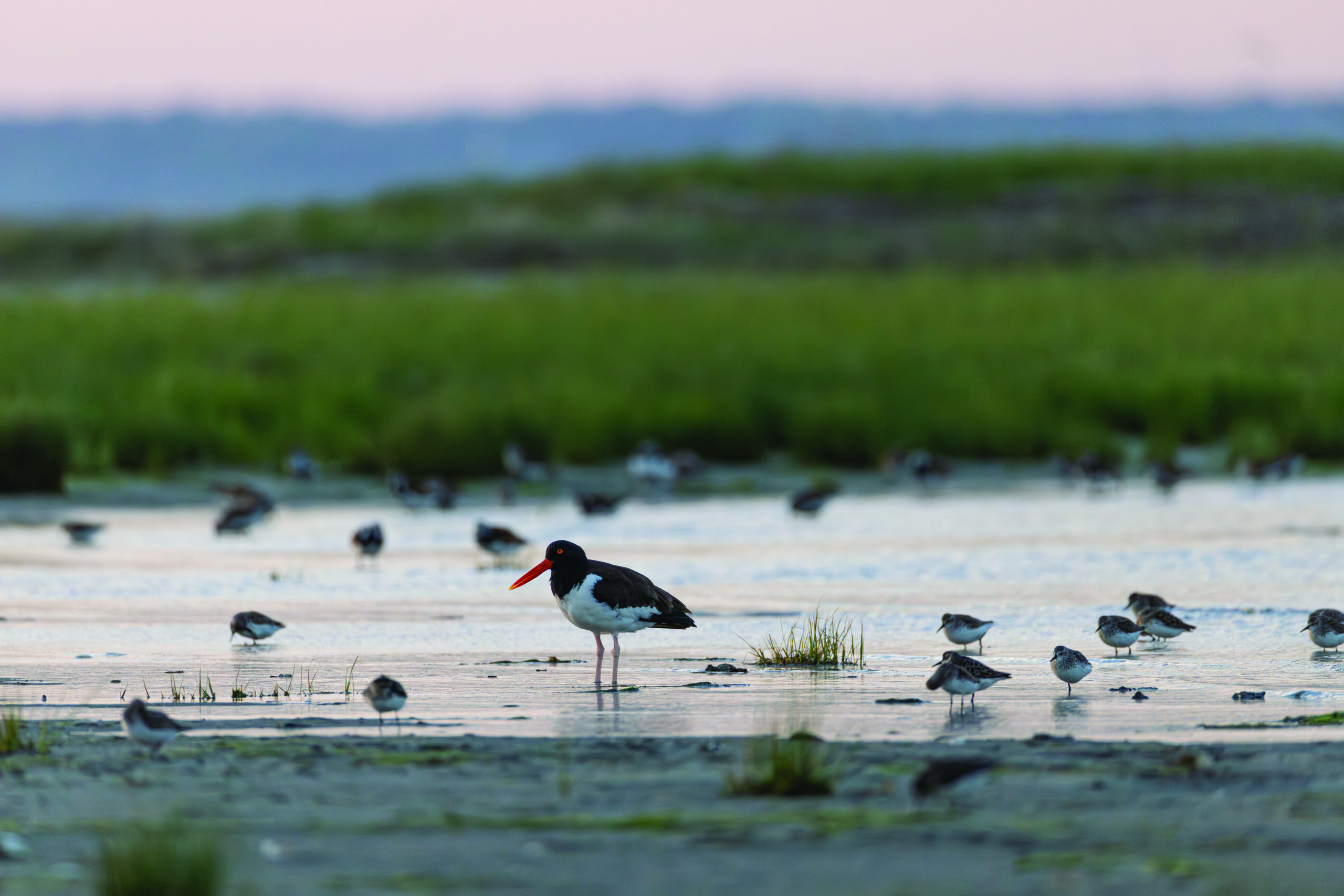
The American Oystercatcher is proof that coordinated conservation works. With over 20 years of coordinated conservation, its U.S. population rose by 45%, reaching nearly 15,000 birds, while many other shorebird populations declined. That recovery resulted from collaborative, science‑driven actions: better monitoring, seasonal protection of nesting areas, disturbance reduction, and outreach that built public support for effective management. Today, this effort serves as a proven template for scaling targeted, community‑led conservation across species and regions—and the American Oystercatcher initiative remains an active and vital part of that effort.
Inspired by the enduring success of the American Oystercatcher recovery, Manomet is now scaling that model through a flagship‑species strategy focused on eight additional shorebirds that represent key habitats, major conservation challenges, and opportunities for action across the hemisphere. They include the Ruddy Turnstone, Hudsonian Whimbrel, Buff‑breasted Sandpiper, Wilson’s Phalarope, and four South American endemics: Andean Avocet, Diademed Sandpiper‑Plover, Magellanic Plover, and Fuegian Snipe. These species are catalysts for broader conservation, alongside ongoing programs targeting numerous other species and promoting coastal resilience. Some species benefit from years of research and conservation; others—especially several South American endemics—are now receiving the foundational attention they urgently need. The goal is not only to improve outcomes for individual species, but to protect the ecosystems they represent and the many birds that share them. The flagship species focus our efforts, and the conservation value extends far beyond them.
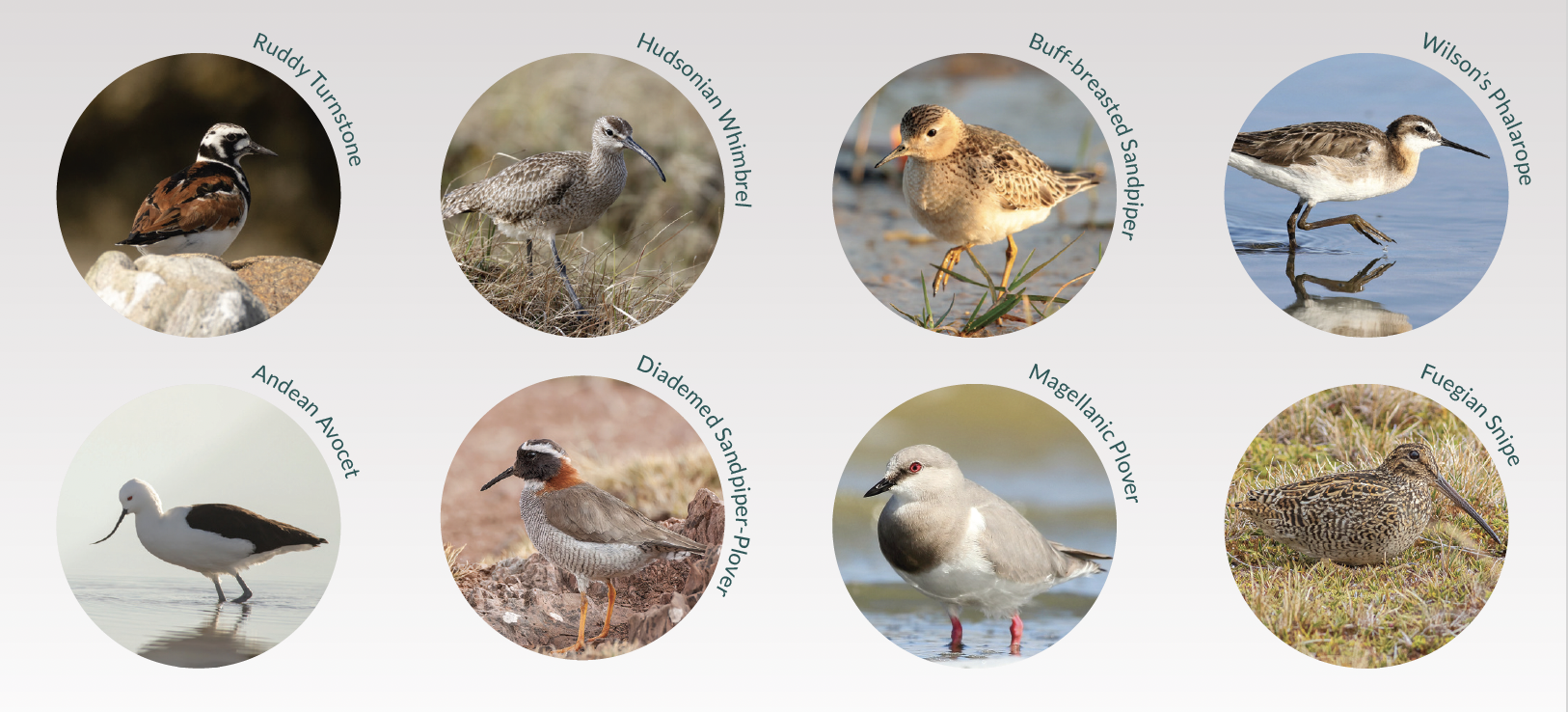
What follows are a few representative examples that illustrate how our flagship approach works on the ground.
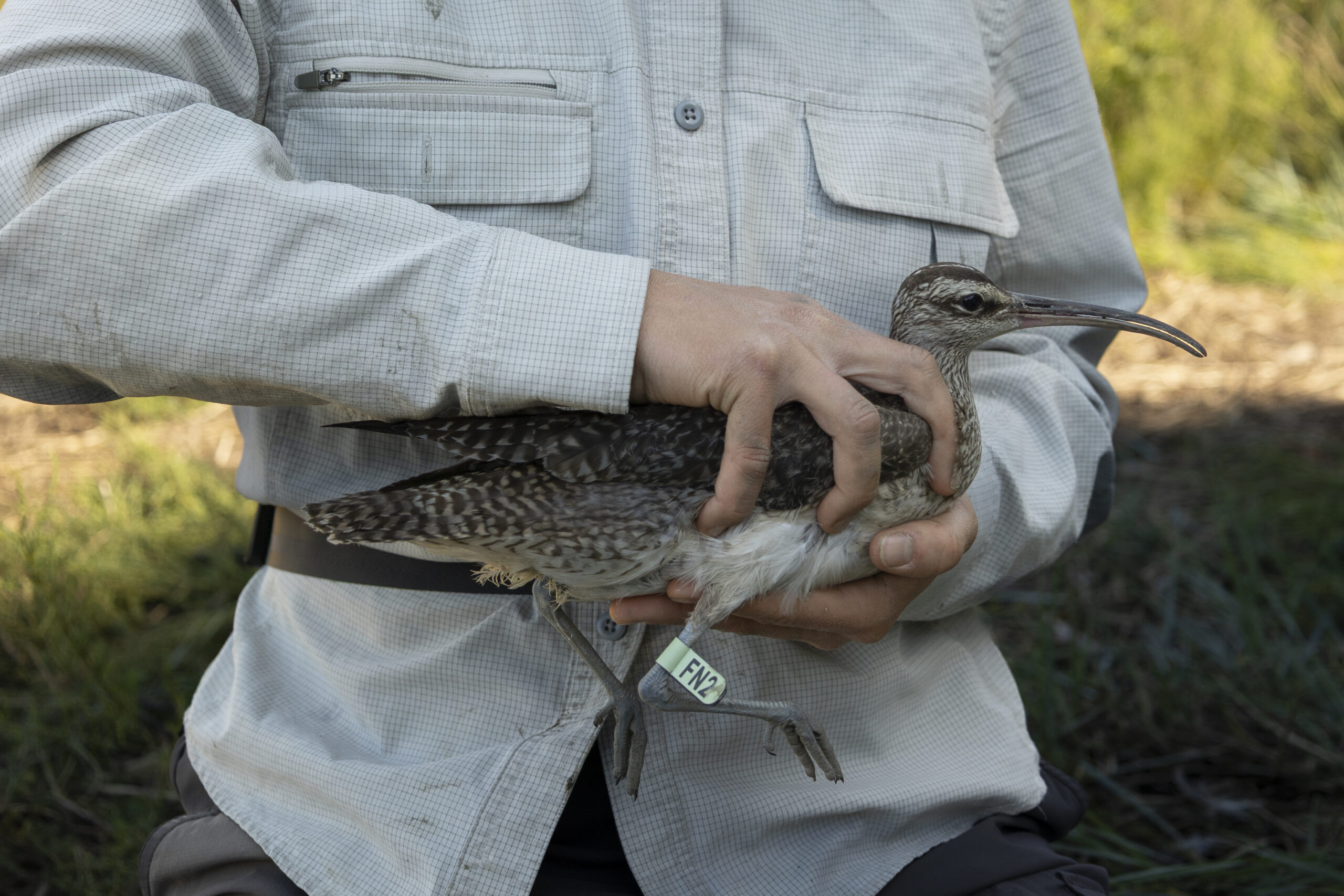
The Hudsonian Whimbrel exemplifies hemispheric‑scale conservation: it breeds in the Arctic and winters as far south as Patagonia. One study estimates their population has declined by more than 70% over the past 30 years. Learning precisely where and when Whimbrels depend on key habitats—and which links in that chain are weakest—will reveal the drivers of decline and allow us to apply these findings to other birds that share their pattern of migration.
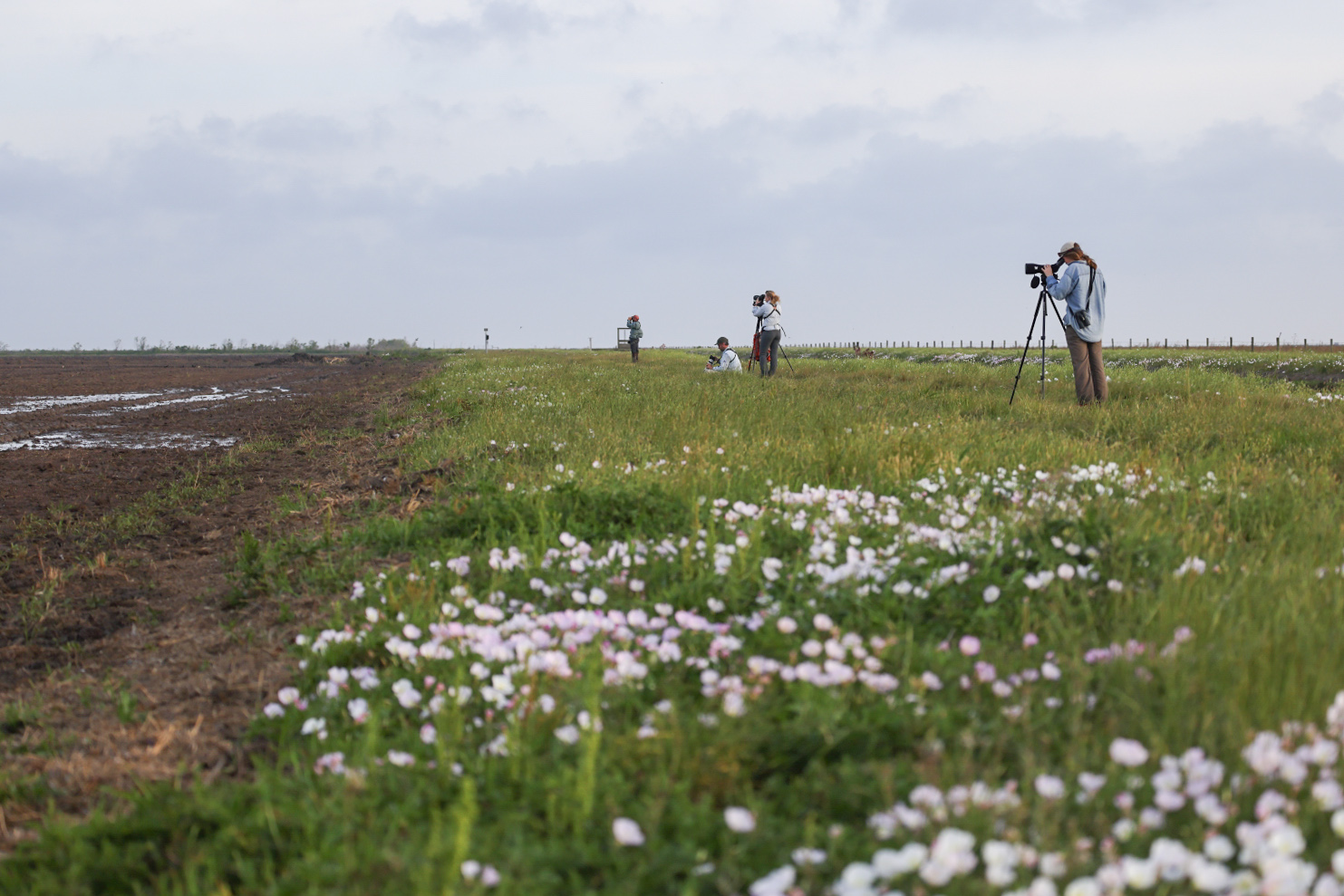
Manomet coordinates the Whimbrel Working Group, a network of researchers and conservationists that combine decades of study to build the evidence needed to guide conservation actions across the flyway. Through coordinated tracking, field surveys, demographic modeling, and local partnerships, we are closing critical knowledge gaps. Dawn‑and‑dusk roost surveys in Texas and Louisiana recorded nearly 15,000 Whimbrels, while deployed trackers followed individuals through the year, clarifying movement patterns and timing. In Brazil and the Guianas, we work with communities, government, and non-government stakeholders to assess protected‑area networks, identify gaps, build capacity, and ensure shorebirds are incorporated into management plans—because strengthening protected‑area management delivers lasting gains. On Cape Cod, satellite‑tagging of juveniles has documented their first southbound migrations to key Caribbean and South American sites, yielding vital data on habitat use and first‑year survival.
Inspired by the path of the Wilson’s Phalarope, hope flows from South to North. The species depends on a network of saline lakes across the Americas—highly productive ecosystems now imperiled by water diversion, climate change, and rising salinity. Many of these lakes are experiencing declining water levels, with consequences for wildlife and human health. A striking example is the Great Salt Lake in the United States, which reached historic low water levels in 2023, putting the ecosystem at risk of collapse and exposing toxic lake-bed dust that threatens both wildlife and public health.
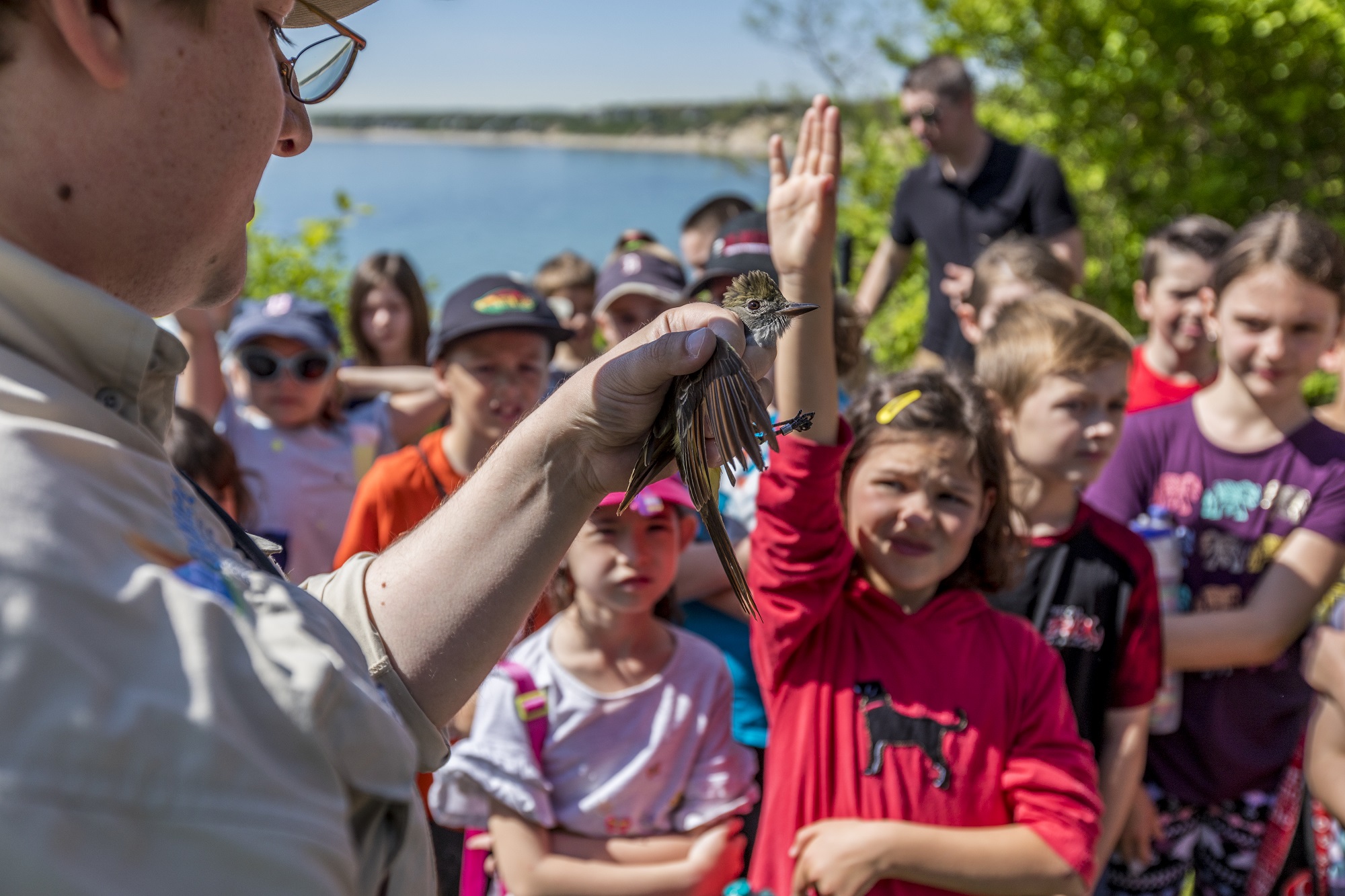
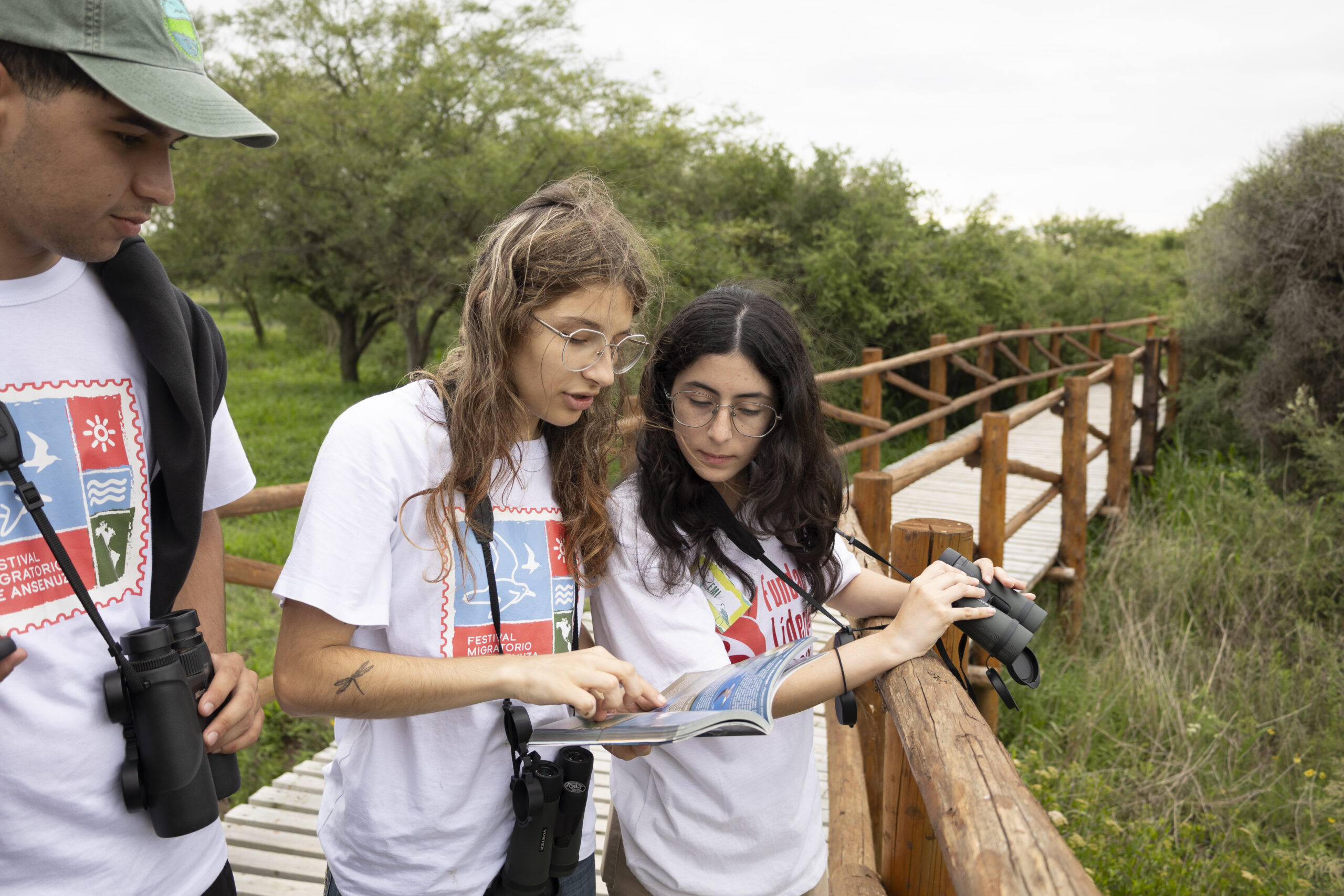
Laguna Mar Chiquita, Argentina’s largest saline lake and a Western Hemisphere Shorebird Reserve Network (WHSRN) Site, hosts approximately 50-70% of the Wilson’s Phalarope population from September to March. Due to the lake’s hemispheric importance, Manomet launched Experiencia Ambiental in 2021, an environmental education program that trains young leaders to steward saline lake ecosystems. The program has since expanded along the Wilson’s Phalarope migratory route to seven sites across the hemisphere, with the goal of building local awareness, immersive education, and enduring leadership for these ecosystems. To date, more than 800 participants have been involved with the program, demonstrating that communities are central to long‑term stewardship success.
That grassroots momentum is matched by cross‑border science. Because Wilson’s Phalaropes gather in large numbers at relatively few key sites, tracking movements among those sites is essential to their protection. Implemented in January 2025, the International Simultaneous Survey of Flamingos and Shorebirds mobilized more than 170 volunteers in Argentina, Bolivia, Chile, and Peru to survey roughly 700 sites, generating new distribution and abundance data—including nearly 750,000 phalaropes recorded at 57 sites—and establishing baselines that managers need to act on.
At Laguna Mar Chiquita, Manomet, and partners recently deployed radio transmitters on Wilson’s Phalaropes and installed Motus receiver stations to reveal fine‑scale movements within and among sites. Built on years of international collaboration with Oikonos, Environment and Climate Change Canada, universities, and local groups, this work is sharpening our knowledge of migration ecology and identifying priority sites for protection. In short, data gathered across the Americas, and stewardship cultivated in the south are converging; science maps where action is needed and empowered communities translate that knowledge into lasting conservation.
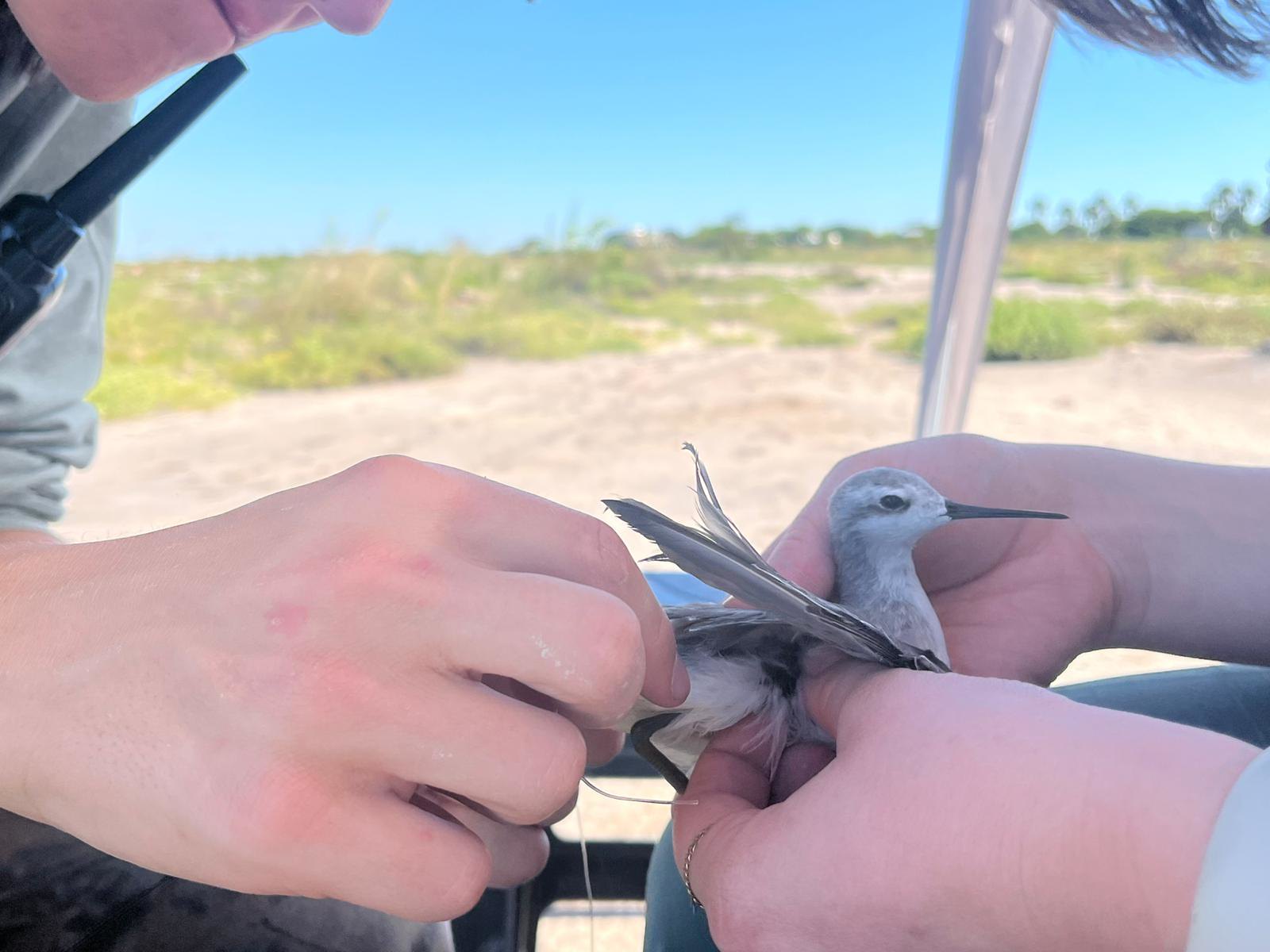
Finally, we have focused on four South American endemics that are among the hemisphere’s more secretive shorebirds — elusive, scarcely studied, and wrapped in mystery. With little baseline data on their numbers, trends, movements, or habitat needs, our work is focused on understanding these mysteries.
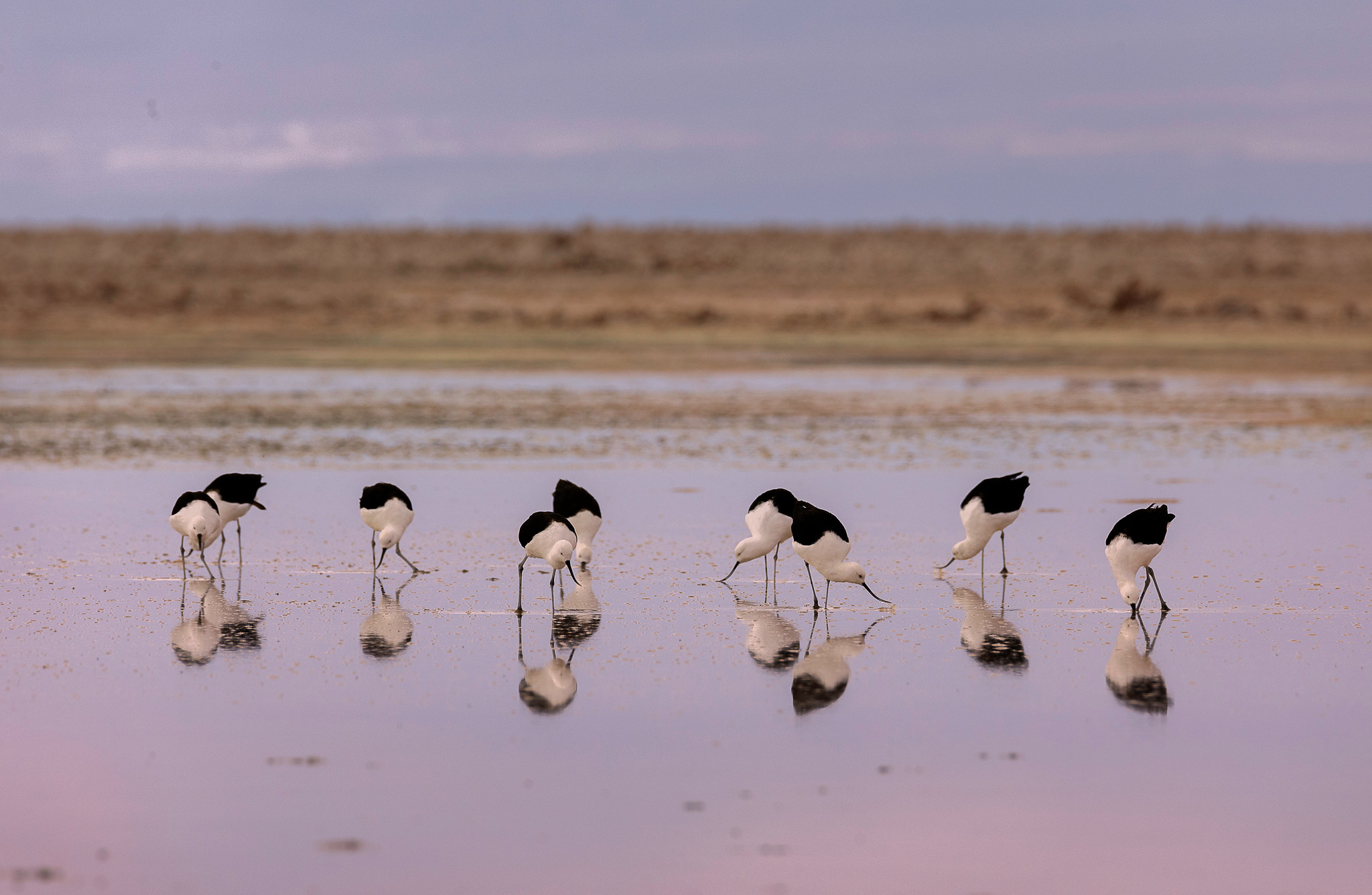
The Andean Avocet is a High Andean saline‑lake specialist, endemic to the Altiplano, and an indicator of Altiplano wetland health. In 2025, during the International Simultaneous Survey of Flamingos and Shorebirds, a total of 2,385 Andean Avocets were counted within its known distribution—slightly more than in a similar survey in 2020—suggesting a small but apparently stable population. The Fuegian Snipe, endemic to Patagonia, remains one of South America’s least known shorebirds. Manomet’s support has advanced understanding of its movements, timing, habitat selection, and threats. For example, not all individuals migrate each year; some appear to be residents and survive extreme winters below −14°C. That work has also helped increase local and scientific attention to this largely unknown Patagonian endemic.
Across the rest of the flagship species portfolio, Manomet is building the same kind of foundation. Shorebirds are nature’s early warning system—sensitive indicators of global environmental health whose declines often signal broader ecological stress, so protecting them yields benefits far beyond any single species. By studying shorebird habitats, threats, and conservation responses, Manomet helps guide solutions that sustain biodiversity, strengthen climate resilience, and support the people who depend on healthy coasts, wetlands, and grasslands. Equally vital are the people – local communities, land managers, NGOs, and governments – whose engagement makes conservation possible and enduring. Our flagship species help focus efforts and investment, but the aim is broader: to reverse declines in shorebirds across the hemisphere.