 Back to all
From August 4–7, 2026, Mar del Plata, Argentina, hosted the XXI Argentine Ornithological Meeting (RAO), which celebrated 50 years as a space to gather and exchange knowledge within the ornithological community.
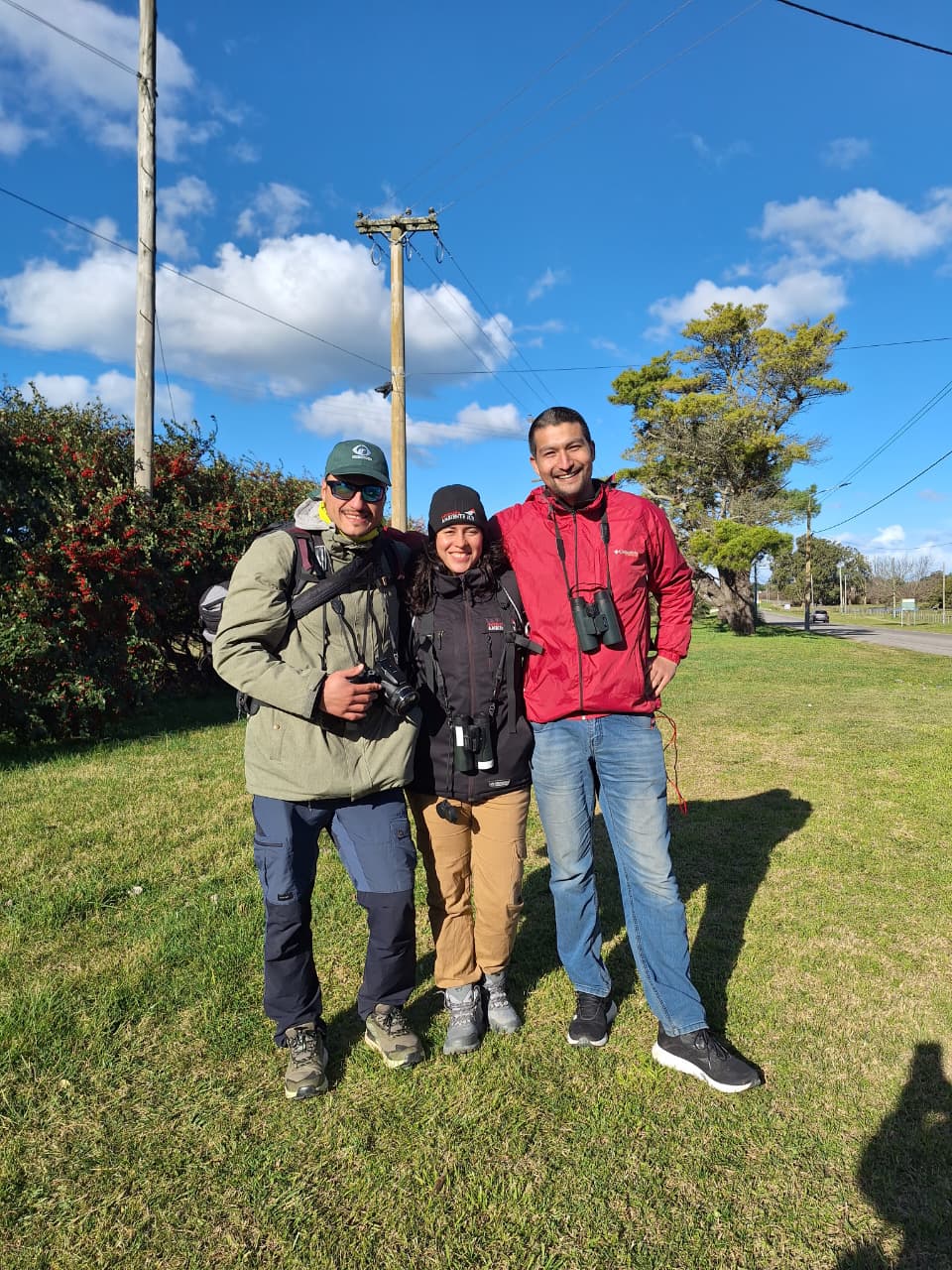
The meeting provided an opportunity for five awardees of the Manomet Small Grants for the Conservation of Neotropical Shorebirds Program to meet, share experiences, and strengthen connections for future collaboration. Florencia Padrón, María de los Ángeles Loredo, and Joanna Castillo from Argentina, and Jesús Díaz-Morales and Felipe González from Chile, participated in a variety of activities and presented their projects in different formats.
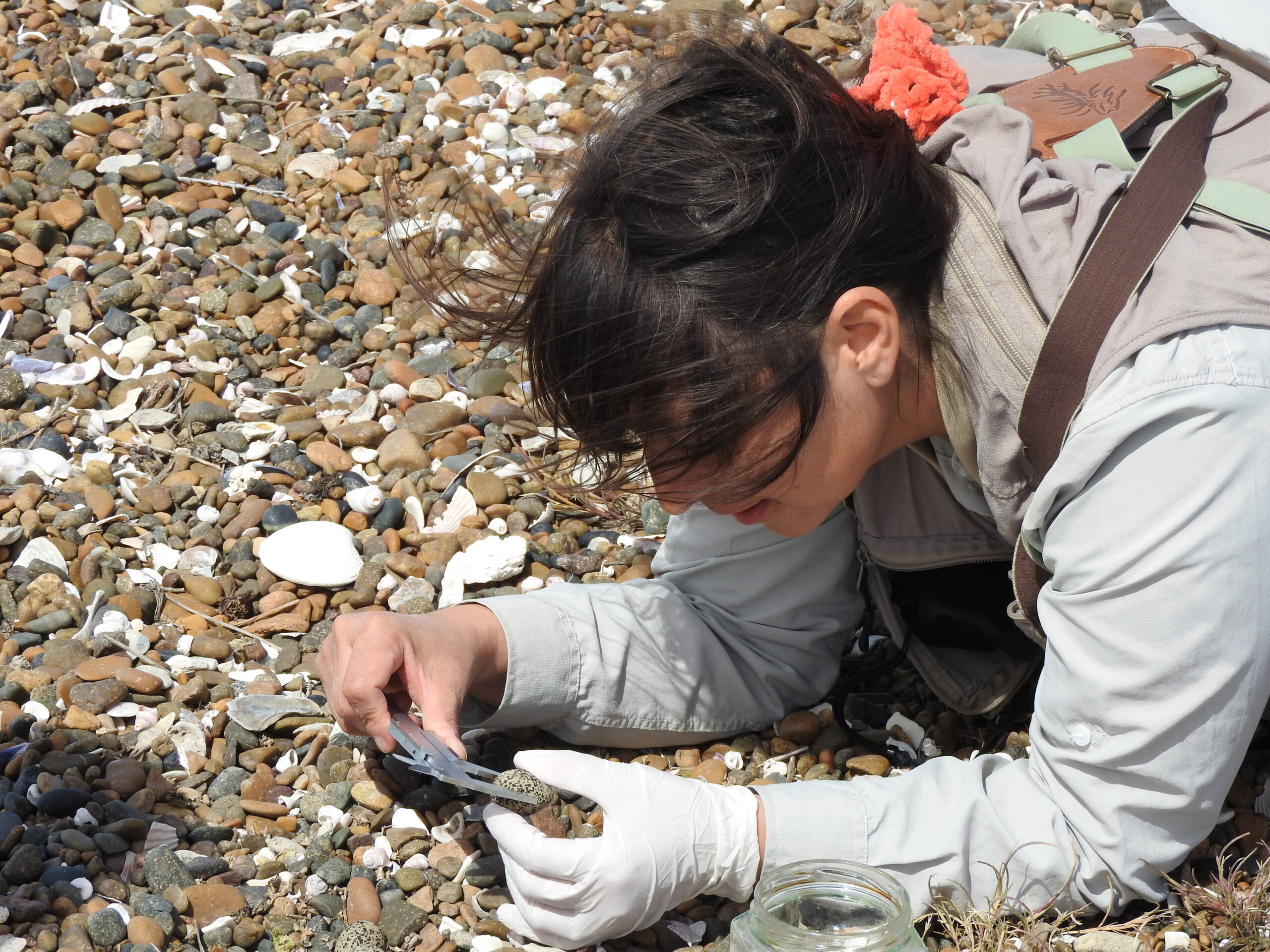
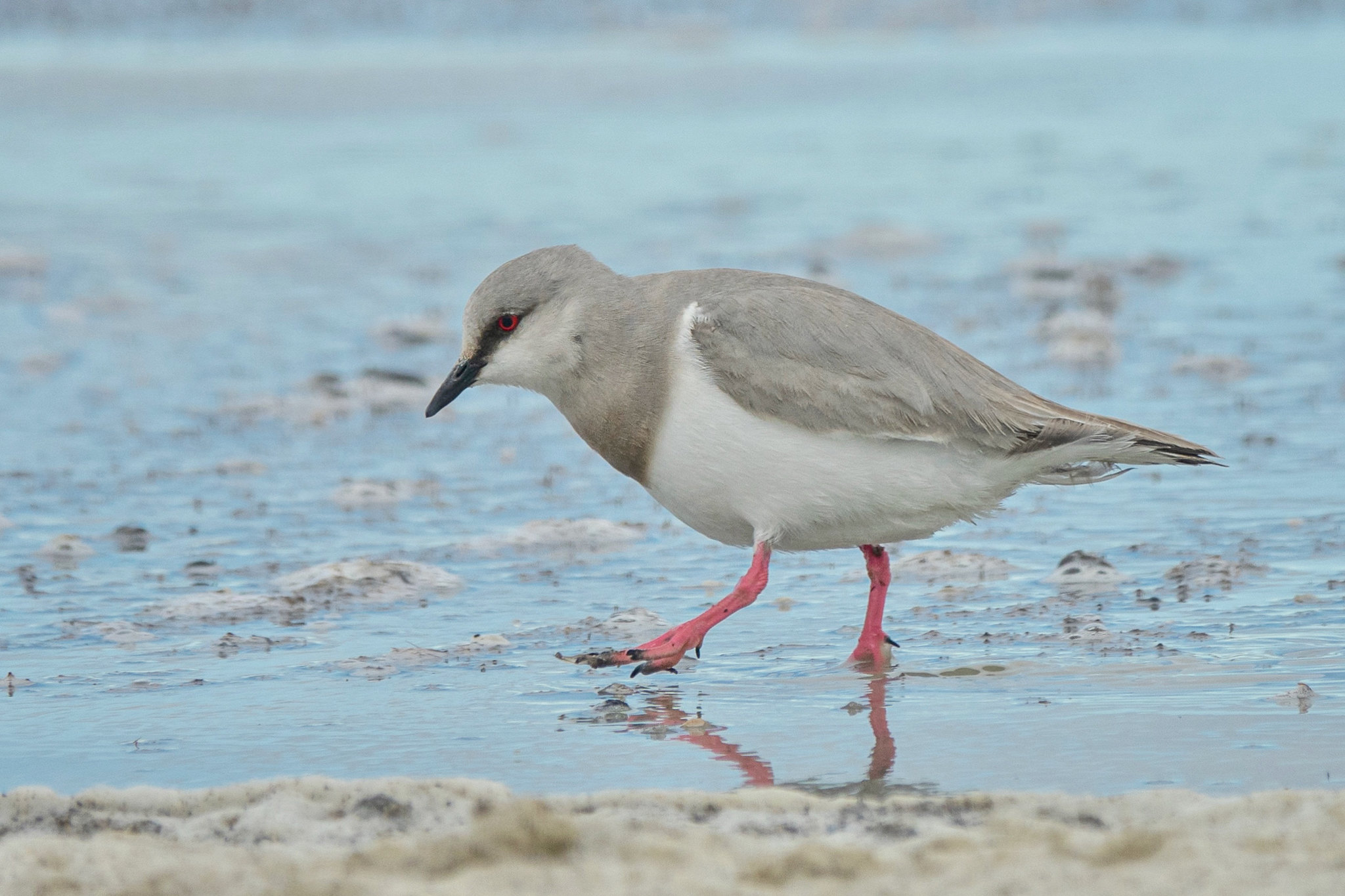
Florencia Padrón (2023 awardee) participated with the “Binational Pluvianellus Project: A Scientific Cooperation Model for the Conservation of One of the World’s Rarest Shorebirds.” Developed between Argentina and Chile, the initiative brings together research, monitoring, and conservation actions for the Rufous-chested Dotterel (Pluvianellus socialis), one of the most threatened shorebirds in South America. Through her Small Grants project, Florencia collected key information on the Rufous-chested Dotterel that contributes to ongoing binational cooperation efforts.
Joanna Castillo (2024 awardee) coordinated the session, “Oystercatchers (Family Haematopodidae) in Argentina: State of Knowledge, Conservation Challenges, and Strengthening Regional Research Networks.” The session brought together five research experiences from Argentina and Chile focused on American Oystercatcher (Haematopus palliatus) providing an opportunity to share experiences, identify knowledge gaps, and discuss research and conservation priorities.
María de los Ángeles Loredo (2025 awardee) presented a poster on aspects of her Small Grants project focused on the conservation of the American Oystercatcher at Faro Querandí Natural Reserve, Argentina. Her work evaluates the species’ reproductive success and develops participatory actions to reduce threats, incorporating tools such as nest protection, signage, and citizen science. Together with her collaborators, she also participated in the oystercatcher session as active members of the project, contributing to the exchange of experiences and knowledge on the conservation of this species.
Felipe González-Aguayo (2024 awardee) shared three contributions related to his work and the Small Grants project on Santa María Island, Chile. His presentations highlighted the importance of this territory for the breeding of the American Oystercatcher and Snowy Plover (Anarhynchus nivosus), as well as Santa María Island’s importance as the only known wintering area in central Chile for the Tawny-throated Dotterel (Oreopholus ruficollis). He also highlighted collaborative work with the local community focused on strengthening local capacity for monitoring and conservation.
Jesús Díaz-Morales (2024 awardee) presented contributions from his work and Small Grants work on the breeding and conservation of the American Oystercatcher at the Mataquito–Huenchullamí site of the Western Hemisphere Shorebird Reserve Network (WHSRN). He also presented a study expanding knowledge of the site’s importance for other shorebird species. His work provides information on threats, distribution, and habitat use to help guide conservation actions.
A Space to Connect Projects and Build New Collaborations
The Oystercatcher Round Table Session was one of the clearest examples of how participation in the RAO helped connect projects being carried out in different parts of Argentina and Chile. Experiences involving the American Oystercatcher, together with other studies presented during the meeting, brought together information on breeding, threats, distribution, and conservation priorities. They also helped identify shared questions and opportunities for continued coordinated work. The session featured five experiences focused on the species and brought together more than 20 people interested in collaborating on oystercatcher research and conservation projects at different locations along the Argentine coast.
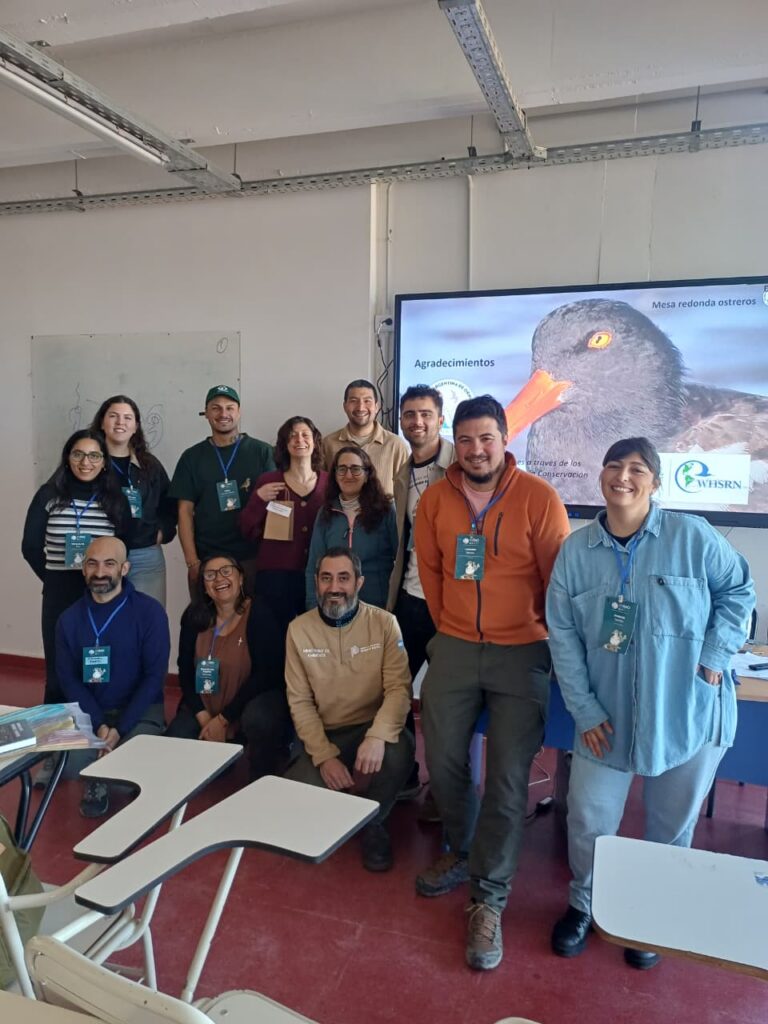
The discussions identified knowledge gaps as well as priority areas for research and protection, including understanding the species’ population and breeding status in Argentina and identifying and mitigating the threats it faces throughout its annual cycle. Although these threats occur across different geographic areas, a common factor was the unregulated use of coastal areas and the presence of domestic animals.
The group also identified opportunities for regional collaboration and networking, including online meetings, workshops, and training sessions focused on shared experiences, specific field methodologies, and data analysis. In addition, several participants offered their expertise in areas such as shorebird capture and banding, reproductive biology, and voluntary participation in coordinated surveys, opening opportunities to develop binational strategies and initiatives.
Beyond the presentations, the RAO provided an opportunity to meet, exchange knowledge, and envision new collaborations. For those involved in the Small Grants Program, these spaces demonstrate that support for conservation projects can extend beyond individual project outcomes. It can also help strengthen a regional community of researchers and conservationists who share knowledge, skills, and efforts to conserve shorebirds and their habitats throughout the Neotropics.