

 Back to all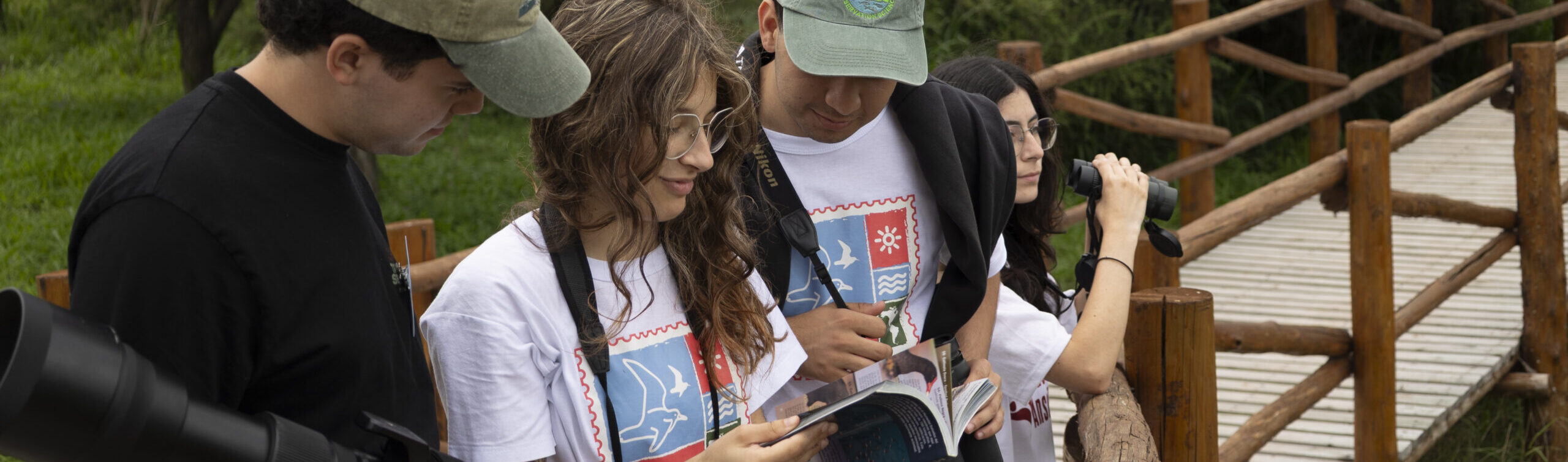

Andrea Ferreira
Science Communications Manager
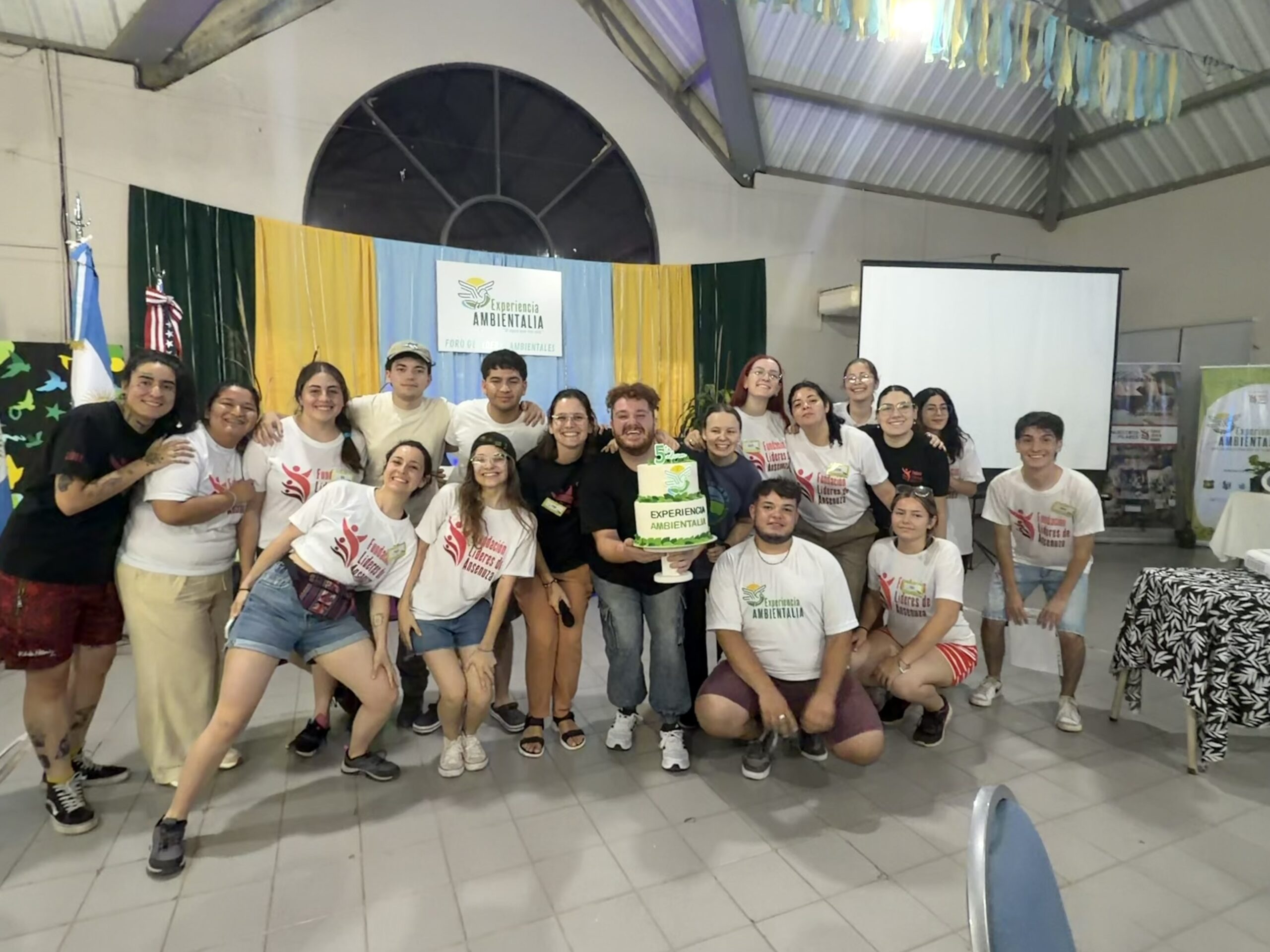
Experiencia Ambientalia is now entering its sixth year. Since launching in May 2021, the program has remained anchored to a clear long-term goal: to build lasting, locally led stewardship for the saline lake ecosystems on which shorebirds depend across the Americas.
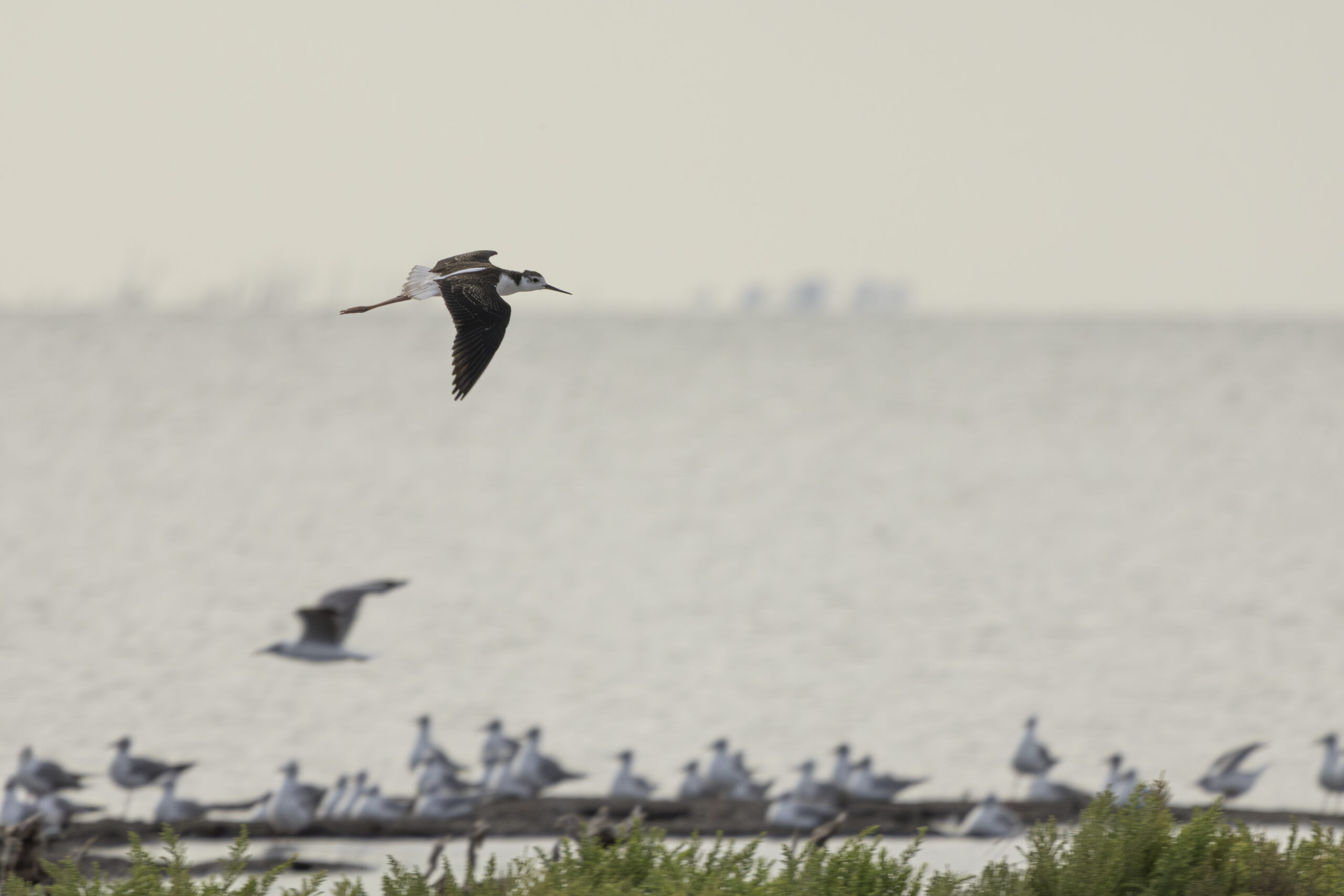
Based in Córdoba, Argentina, the program centers around Laguna Mar Chiquita, the largest saline lake in Latin America. This vast wetland supports an estimated more than half of the global wintering population of Wilson’s Phalarope. The species has declined by approximately 75% in its North American range since 1980, making the region a critical stronghold for hemispheric shorebird conservation.
Experiencia Ambientalia emerged as a leadership pipeline rooted in a specific landscape and a simple premise: when young people get knowledge, practical tools, strong mentorship, and space to lead, they can take meaningful action to reduce local threats and strengthen stewardship within their own communities.
If you’re lucky enough to see Ambientalia in action, you’ll meet plenty of people who bring its impact to life. While in Ansenuza, I sat down with Uriel Barzola (20) from Villa Rosario del Saladillo, a small community on the western edge of Laguna Mar Chiquita, and asked what the program meant to him.
Uriel joined Experiencia Ambientalia in its first cohort—and he kept showing up. Over time, he moved from participant to long-term volunteer, taking on bigger responsibilities as his skills and confidence grew. He helped lead a youth science communication project focused on migratory shorebirds, and today he supports field activities and logistics. He also continues documenting local biodiversity using tools like Merlin and eBird, and encourages others in his community to do the same. Together, they’ve started building valuable local records of birds and mammals in the region. Uriel is part of the Kasik Sacat (Sanavirón people) Indigenous community, and he credits Ambientalia with strengthening both his connection to the place and his confidence to lead.
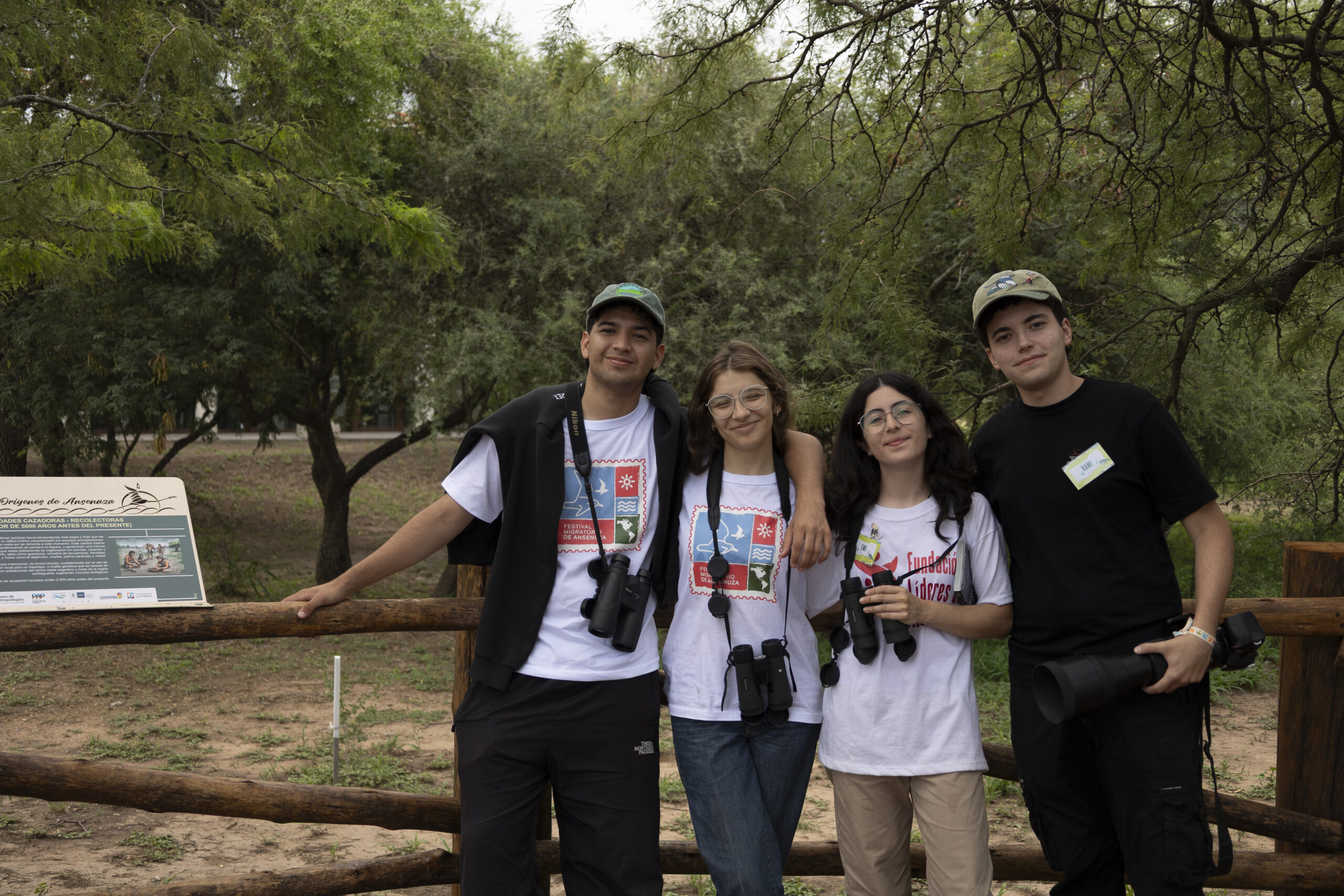
Throughout the year, students follow a structured program that blends virtual learning with in-person field visits, bird monitoring, community engagement, and collaborative problem-solving exercises. Participants work in teams to identify environmental challenges affecting the lake and develop practical, locally relevant solutions. The program culminates in an intensive in-person workshop, called “The Forum”, which now includes a science track where scientists collaborate to understand the threats to the lake and identify opportunities to address them.
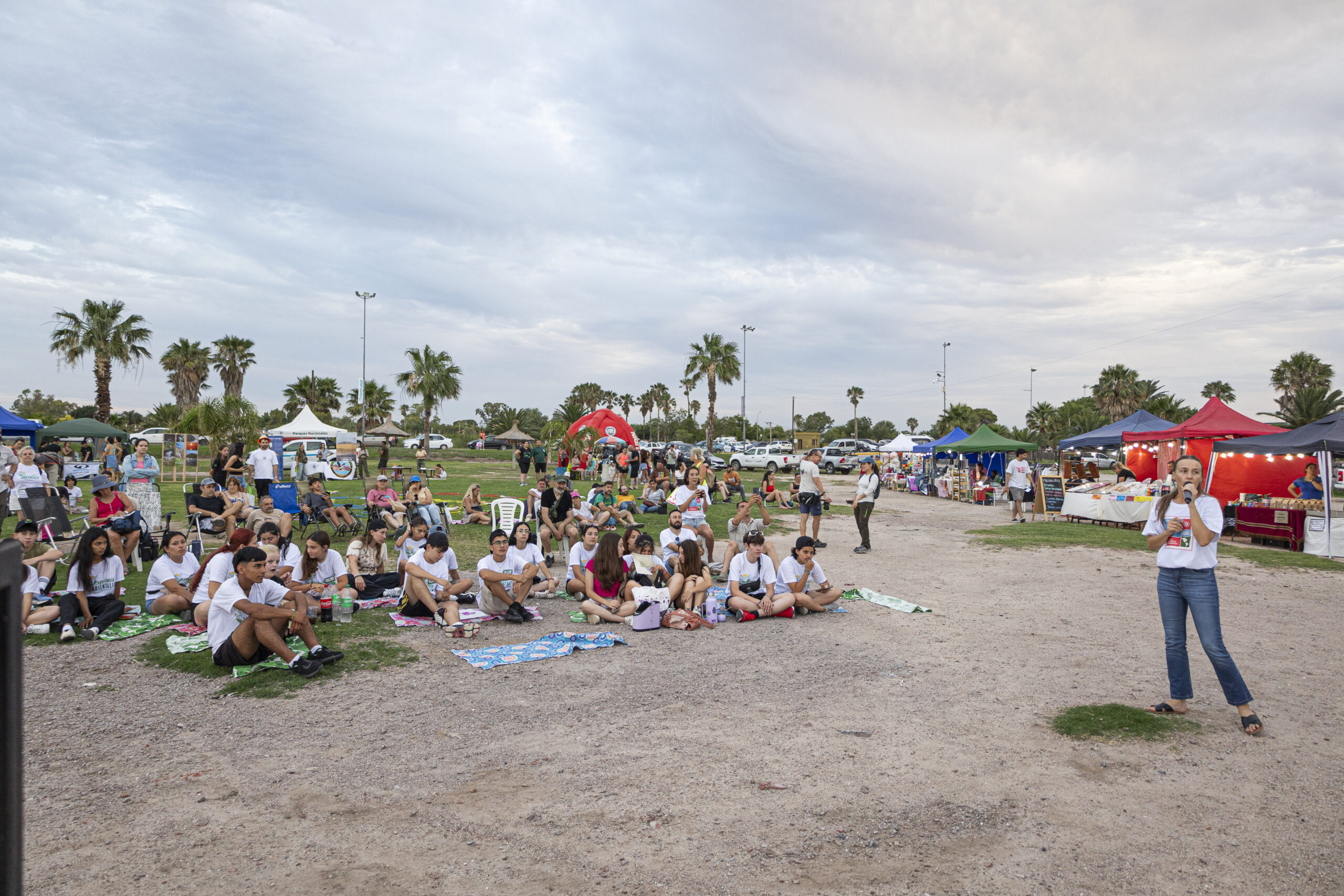
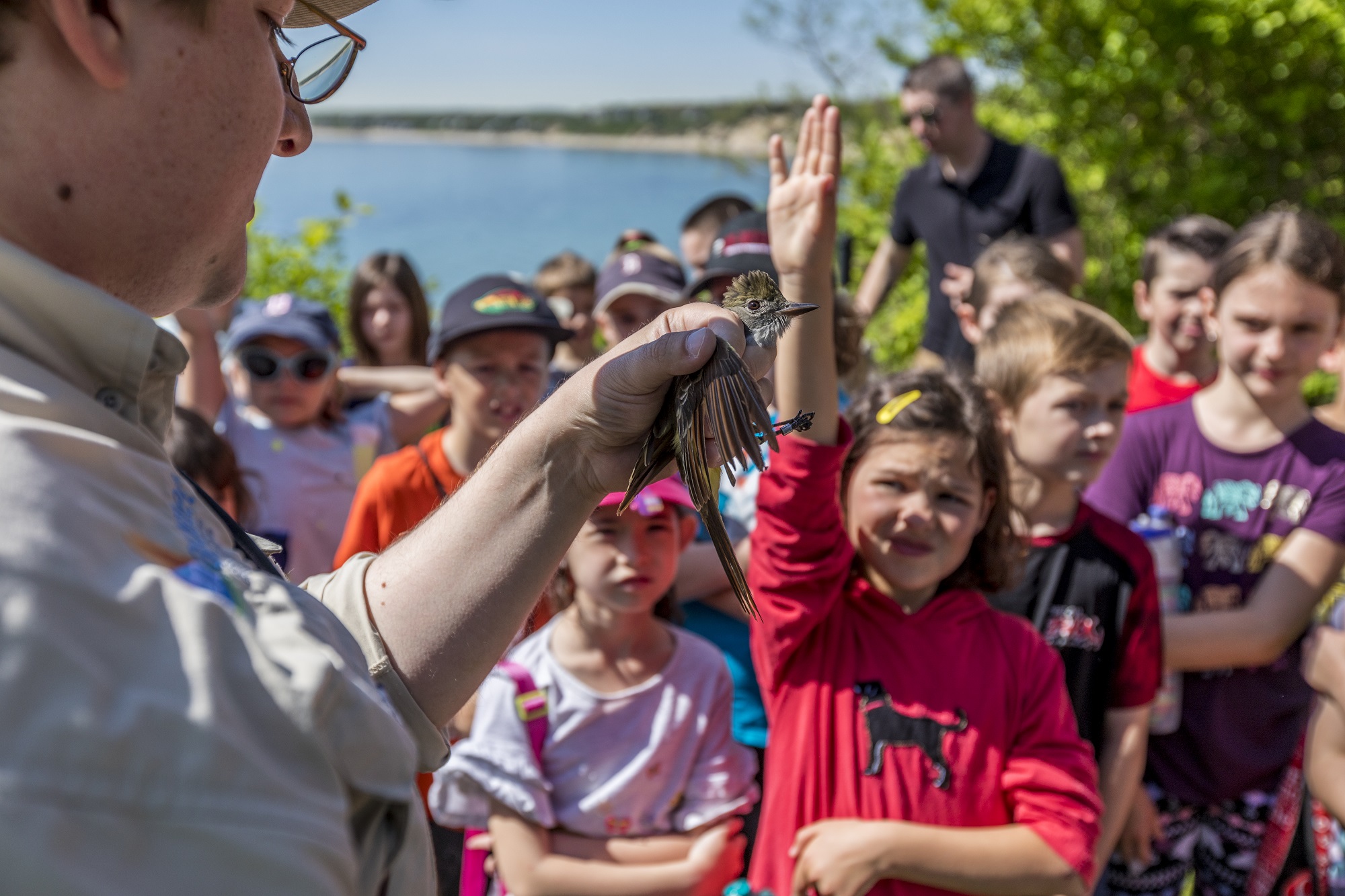
In 2025, the program expanded its reach by pairing the annual forum with a new community-facing event: the Ansenuza Migratory Bird Festival. Organized with Aves Argentinas, the festival welcomed local families, educators, and residents, and gave youth participants a public platform to share their projects and lead activities. Through bird walks, expert talks, art workshops, games, and a regional fair held across Miramar de Ansenuza, Morteros, and La Para, the festival strengthened local connections and underscored a simple truth: long-term conservation depends not only on science, but on informed, empowered communities.
The program has contributed to a growing sense of community ownership, regional pride, and international visibility for Mar Chiquita and its shorebird populations. Participants and volunteers now come from communities across the over 1,500,000-hectare wetland system, as well as from other saline lake regions in the Americas, including Mono, Great Salt, and Walker Lakes in the United States. The program has fostered a shared framework for learning and action across landscapes linked by the same migratory birds.
Five years on, its impact is tangible: young leaders rooted in their communities, linked across the Americas, and equipped to defend the saline lakes migratory birds depend on.