


 Back to all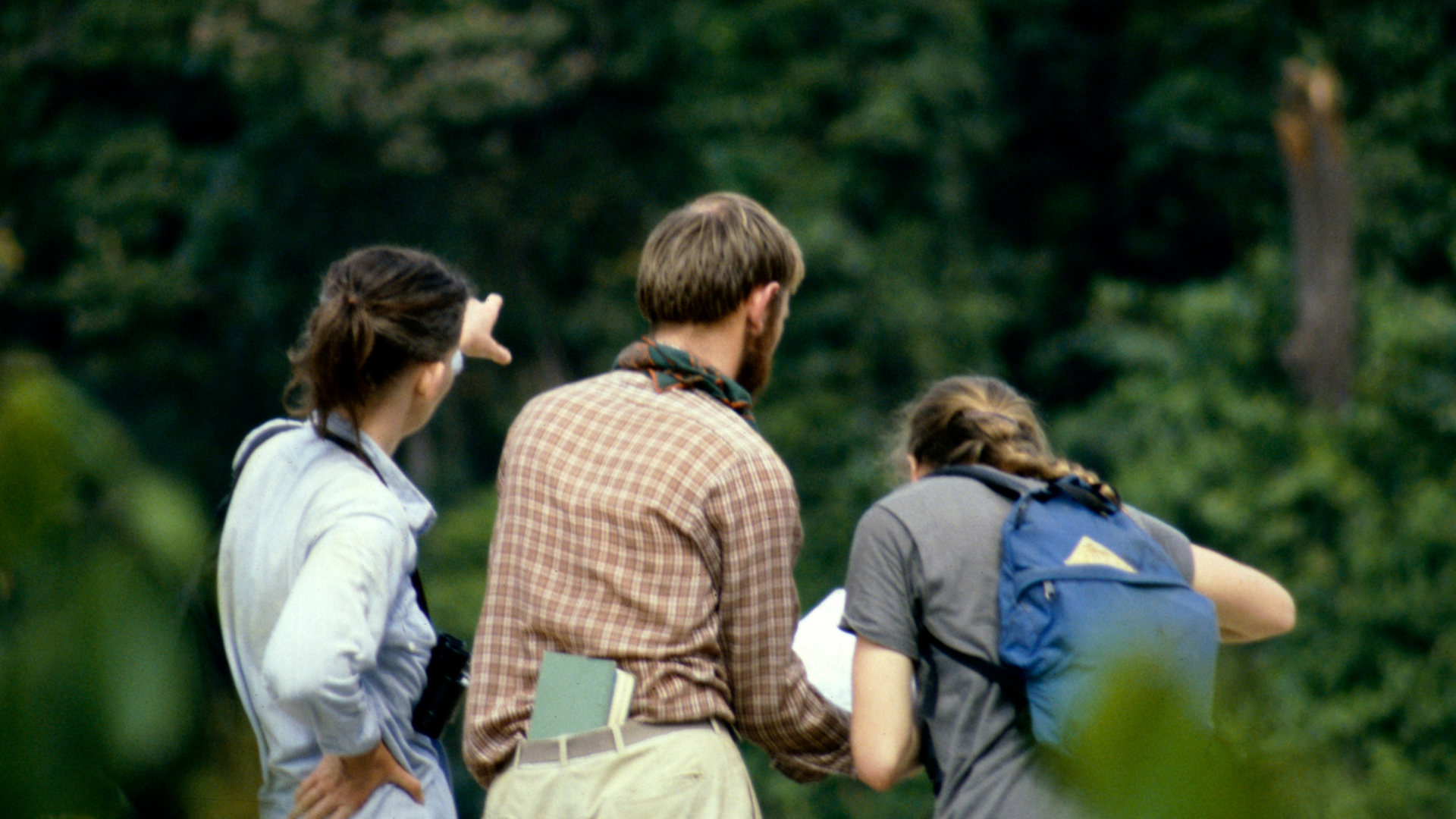

Trevor Lloyd-Evans
Senior Fellow
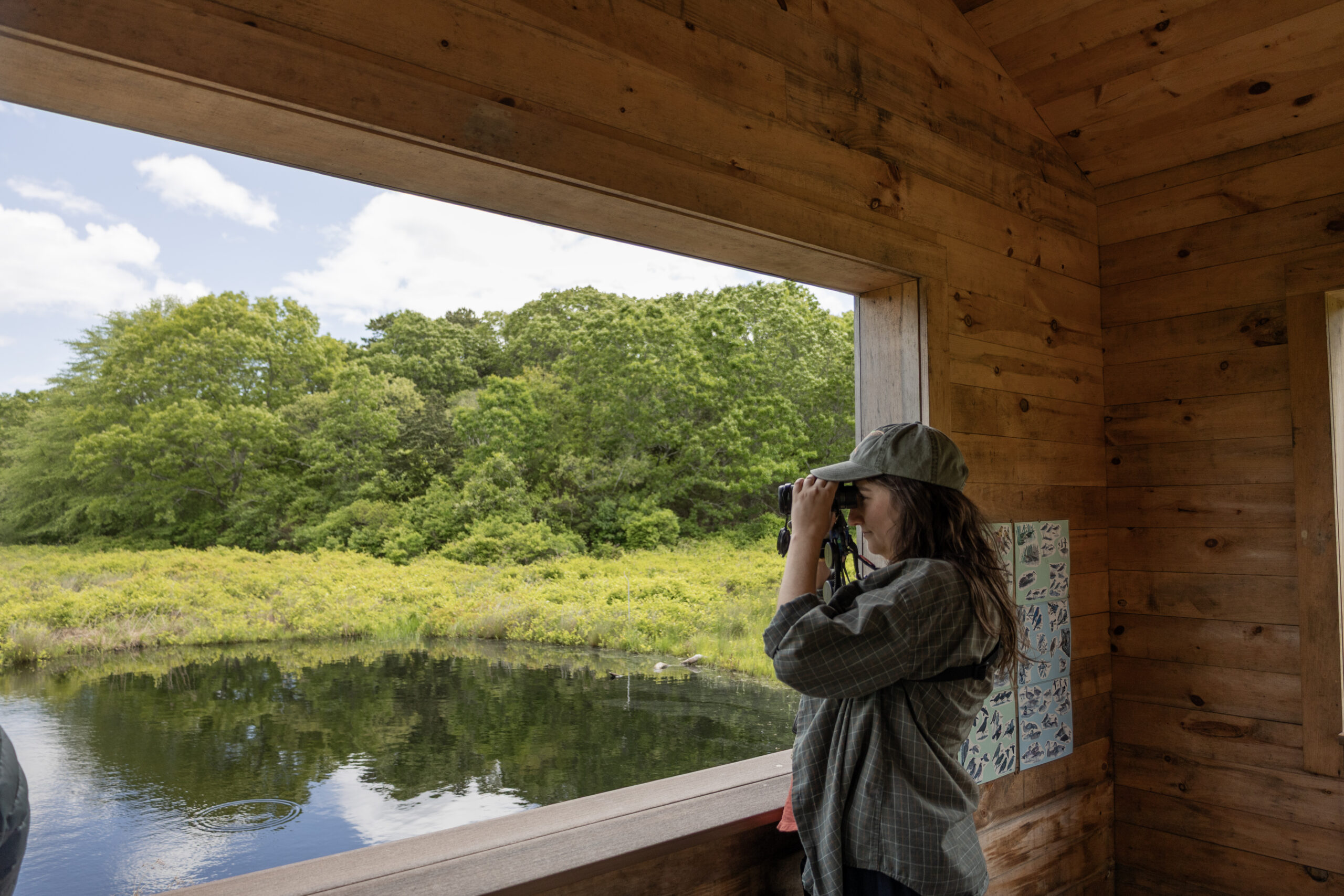
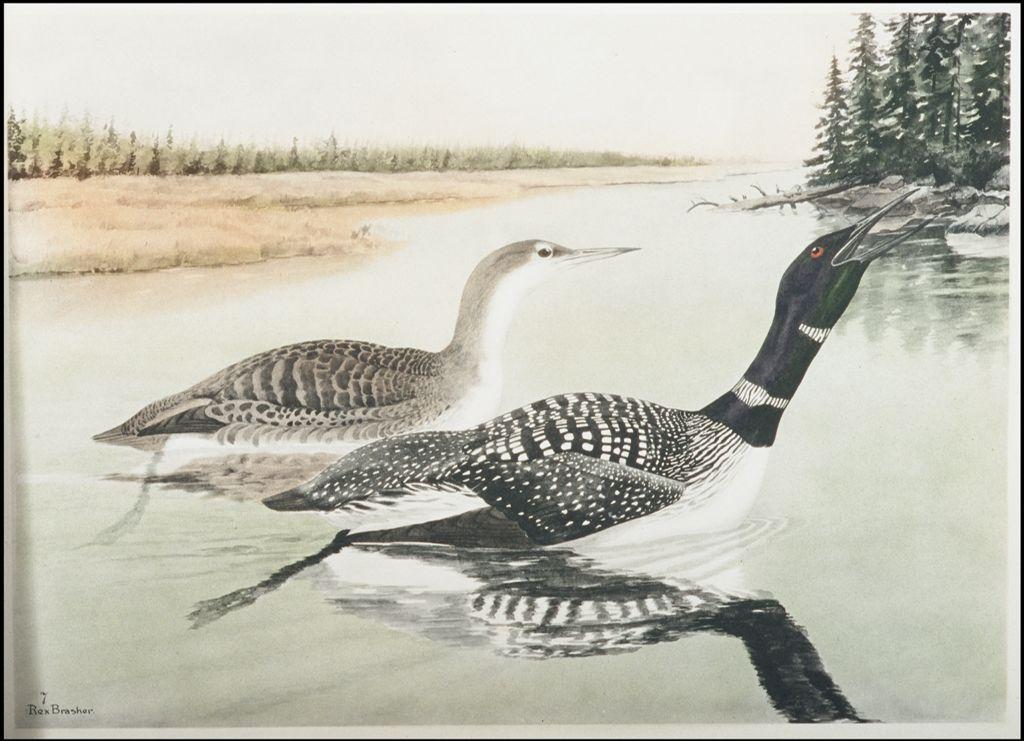
Since the first humans arrived in the Americas, birds have been featured in religious rites, as ornamentation, and certainly as food for the hunter-gatherers. Early European settlers brought firearms for hunting, and the first scientific inquiries centered on shotgun collections of specimens. We developed written descriptions of the native birds, as well as early weavings, woodcuts, paintings, and carvings of individual species. By the early 1900s, affordable textbooks, binoculars, telescopes, and field guides helped standardize the names of bird species (taxonomy). More people could help investigate breeding and non-breeding ranges, migration routes, and seasonal timing for both migratory and resident birds. Photographs and sound recordings further standardized the taxonomy and, importantly, helped a growing number of “amateurs” contribute to the study of birds.
As radar advanced, there was a debate over whether the large numbers of green dots moving in a specific direction were a physics glitch or actually birds reflecting signals on the screen. By the 1940s, they were still often dismissed as “angels” on early radar. Spoiler alert: they were indeed birds (and bats), which provided a new tool for counting birds.
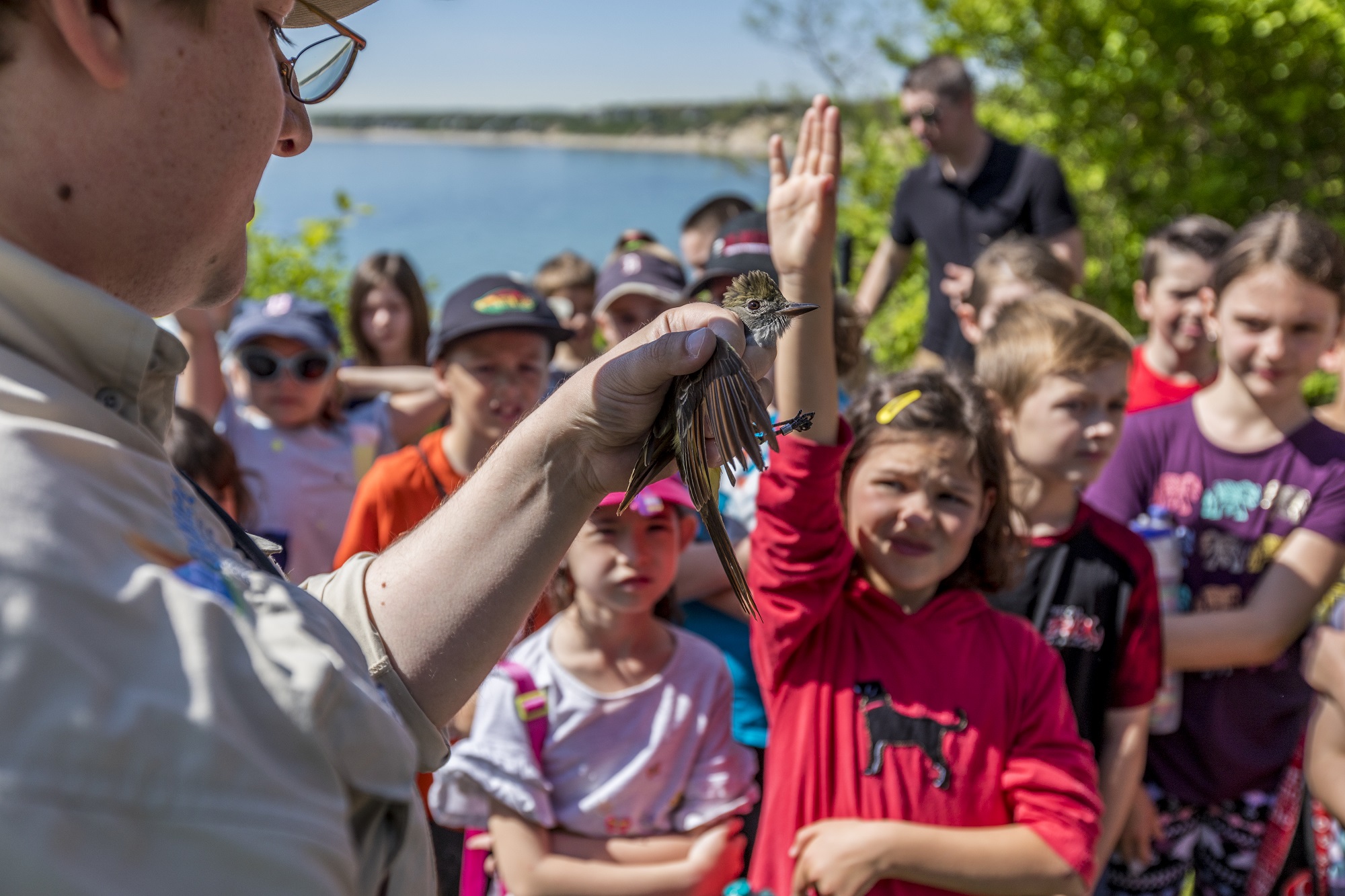
Long-term banding and color-banding studies, like Manomet’s ongoing work, provide marked individuals and opened statistical methods for estimating the size of some populations, not to mention ranges, migration routes, longevity, etc. Today, we can place a tiny transmitter on a Hudsonian Whimbrel and follow it across two continents for several years.
We have come a long way from the 1800s, when Passenger Pigeon hunters or John James Audubon could barely describe flocks so large that they took three days to pass and blocked the sun as a bird-created eclipse. As the “uncountable” numbers of Passenger Pigeons, bison, and whales plummeted, society eventually realized the need to conserve healthy, genetically diverse populations. We must regulate the toll humans are exerting on birds and other species on this finite earth. Biodiversity truly matters!
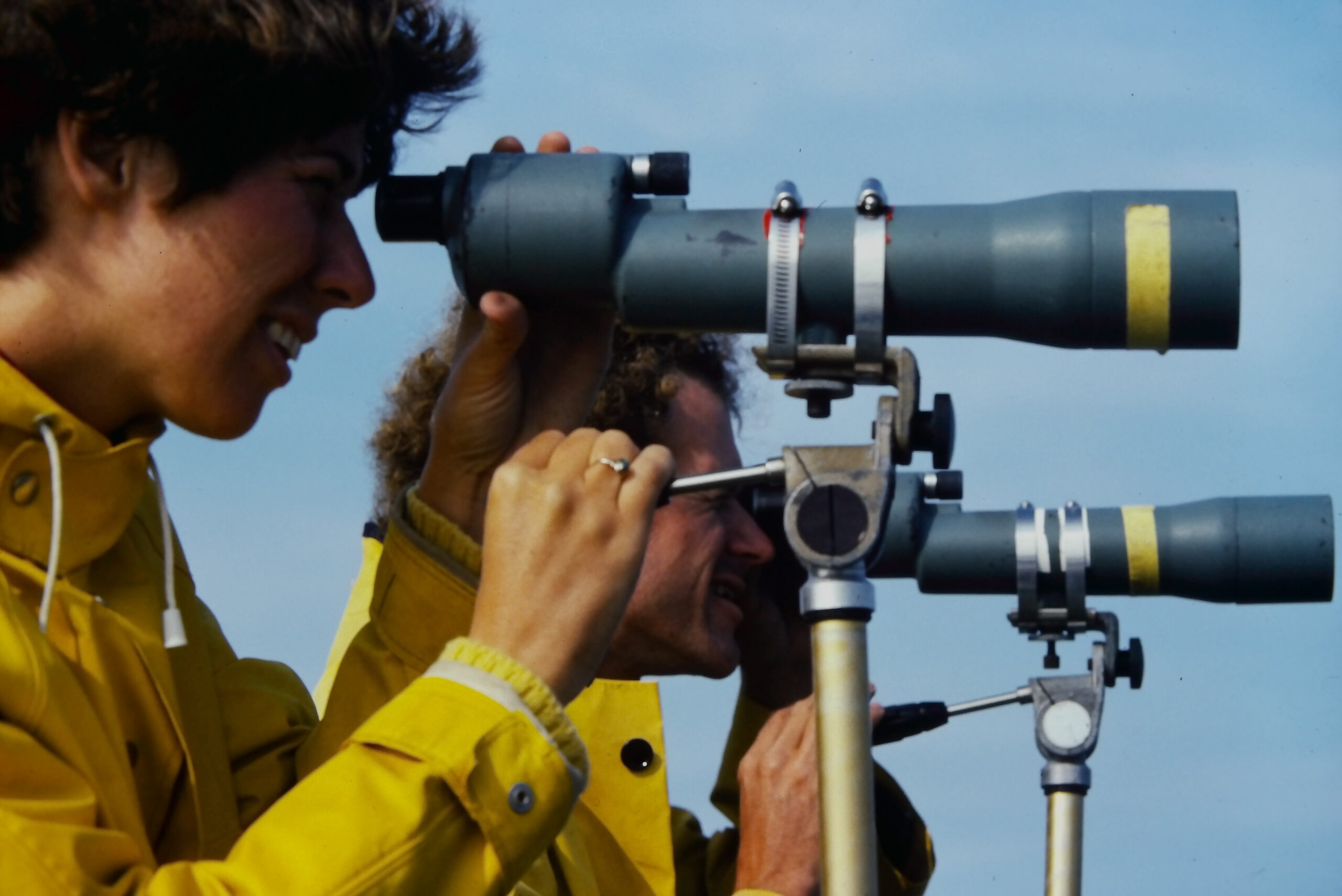
As more people throughout the Americas began counting bird species and contributed to atlas projects to determine ranges, we made great advances in the new science of conservation biology. Effective conservation depends on accurate science. Today, many people across many countries participate in greatly expanding these efforts. Good examples include the International Shorebird Survey, which monitors populations, and the Western Hemisphere Shorebird Reserve Network, which coordinates habitat protection in critical areas.
As we progress with science-based conservation, there is a crucial third factor: education. Unless scientists, non-profits, and governments at all levels can communicate that conservation requires habitat protection, and until people of all ages clearly understand the need to support conservation, we will fall short. We need an intricate network of species to maintain a healthy environment, along with accurate methods for monitoring progress. People need science for conservation, and education is a powerful tool for engaging the next generation who are going to inherit these challenges.
We encourage you to share your records with eBird, iNaturalist, or any of the excellent organizations collecting data throughout the Americas. Birds are sensitive environmental indicators; a healthy bird population indicates a healthy world for us humans, too.