


 Back to all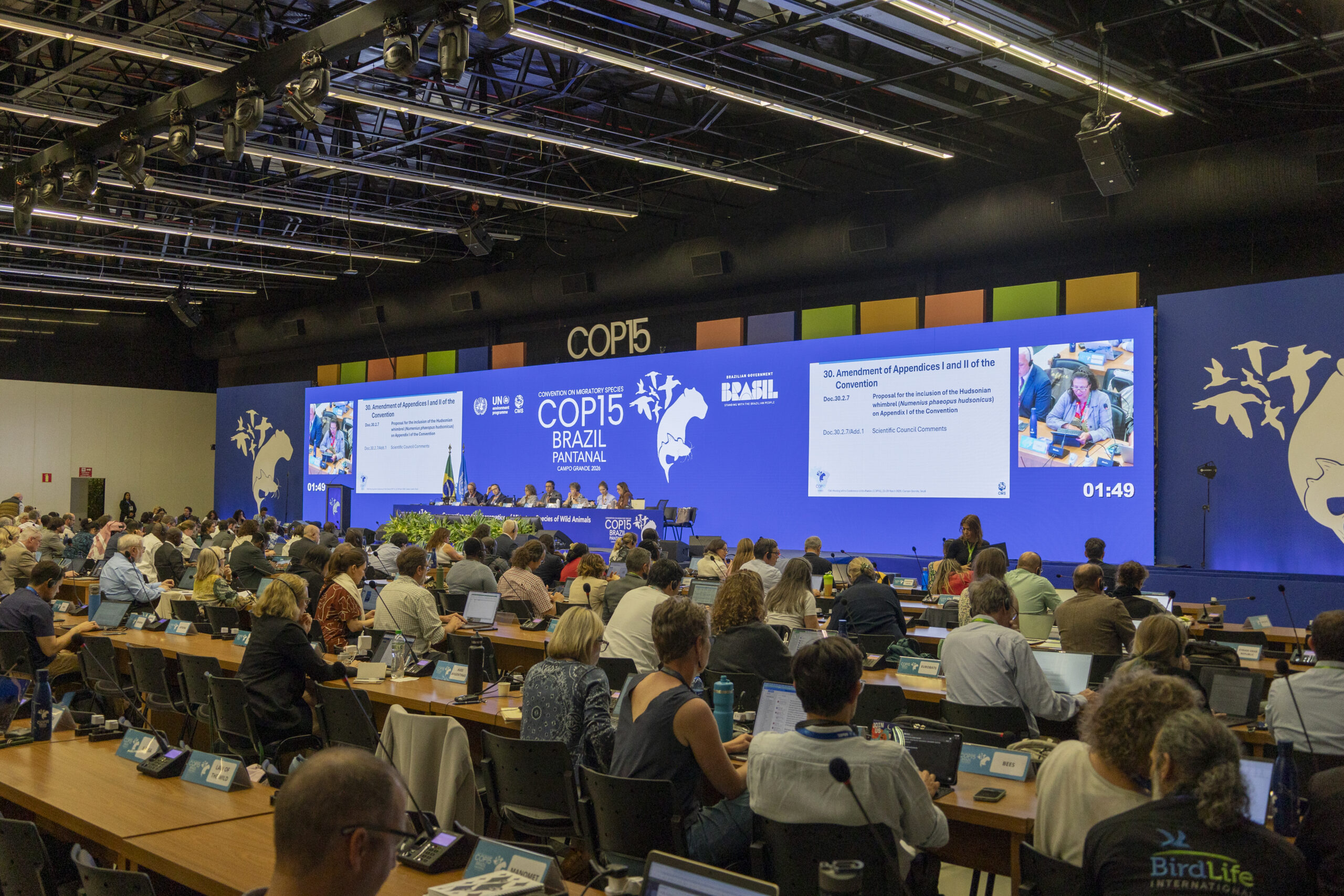
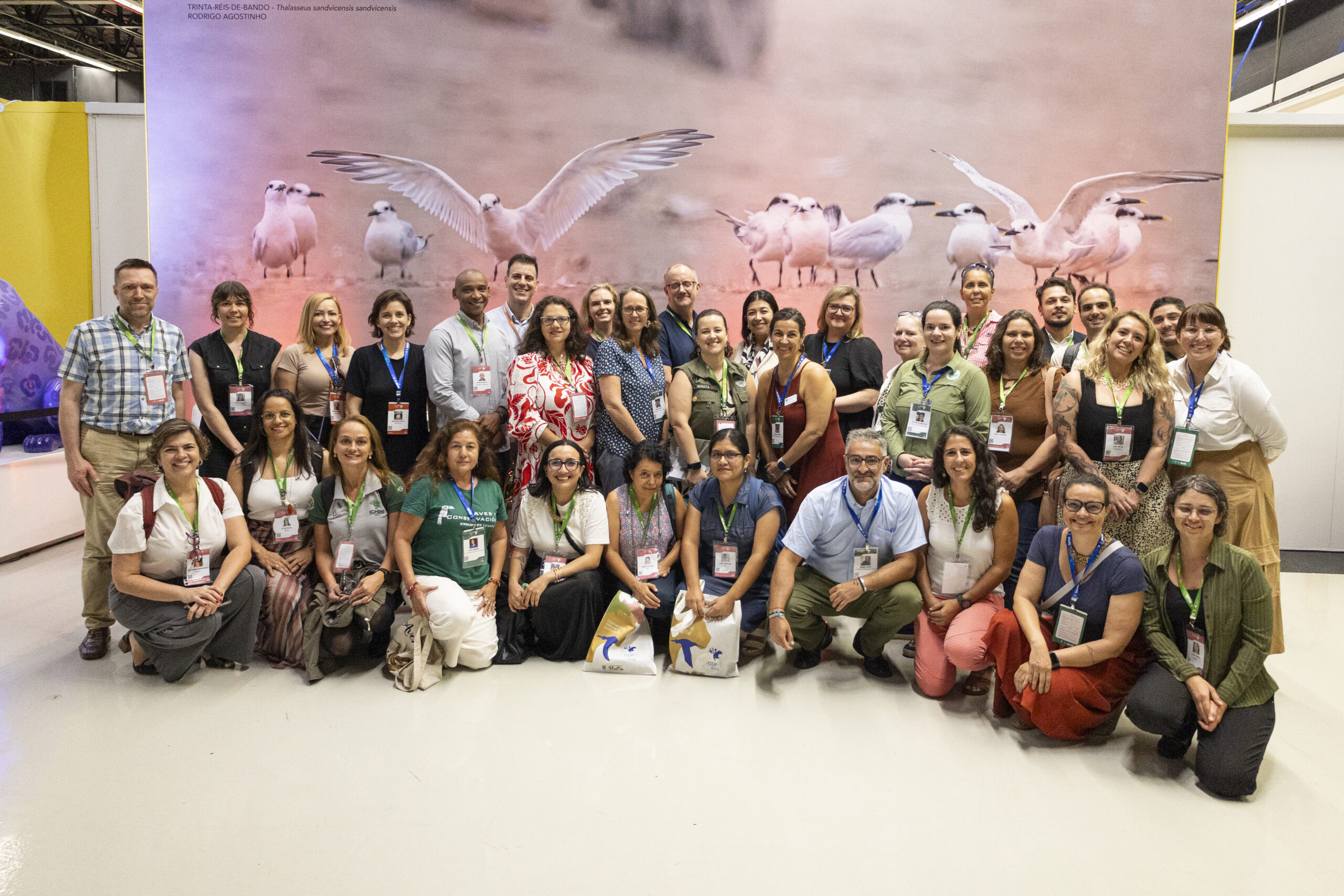
At the recently concluded 15th Conference of the Parties to the Convention on the Conservation of Migratory Species of Wild Animals (CMS) held in Campo Grande, Brazil, governments took decisive steps to strengthen shorebird conservation in the Americas. The Hudsonian Whimbrel Numenius hudsonicus, Hudsonian Godwit Limosa haemastica, and Lesser Yellowlegs Tringa flavipes were added to Appendix I, while Parties also adopted a Concerted Action proposal from the governments of Chile and Argentina to support the recovery of the Magellanic Plover Pluvianellus socialis.
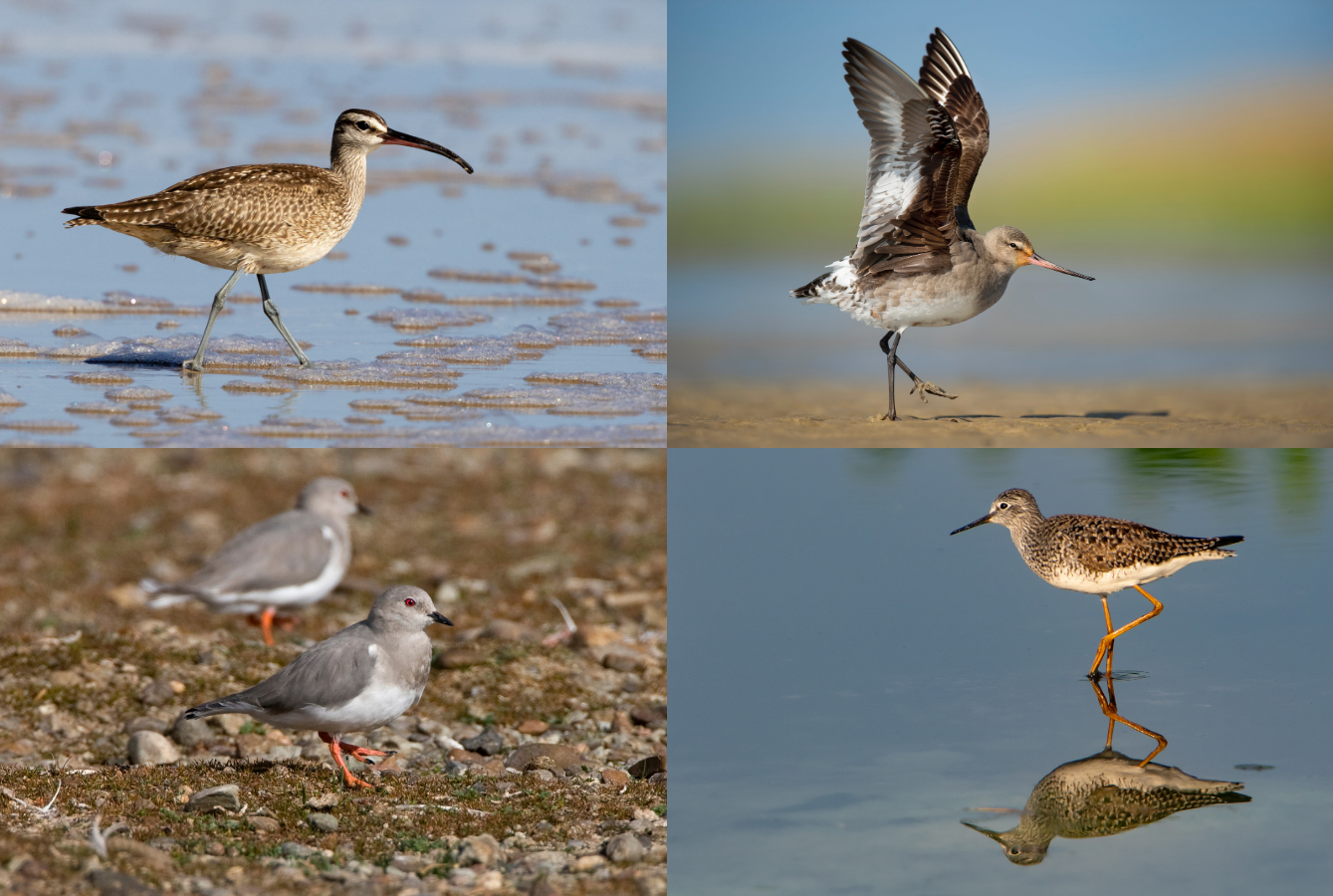
CMS provides a global platform for the conservation of migratory animals and their habitats and lays the legal foundation for internationally coordinated conservation measures throughout their full life cycles. Migratory species threatened with extinction are listed on Appendix I of the Convention. CMS Parties strive towards strictly protecting these animals, conserving or restoring the places where they live, mitigating obstacles to migration, and controlling other factors that might endanger them. Migratory species that need or would significantly benefit from international cooperation are listed on Appendix II of the Convention.

The Appendix I listings of the three shorebird species mark a bittersweet milestone. They reflect the severity of ongoing declines, but will help trigger concrete measures, requiring Parties to strengthen protection, to conserve and restore habitats, and coordinate action across migratory flyways. Speaking from Campo Grande, Diego Luna Quevedo, Policy and Governance Specialist at Manomet Conservation Sciences, noted: “The conservation and recovery of these species depend on addressing threats across their full annual cycle, with international cooperation being fundamental. CMS provides the framework needed to align policies, conservation actions, and monitoring across countries that share the migratory flyways of these species.”
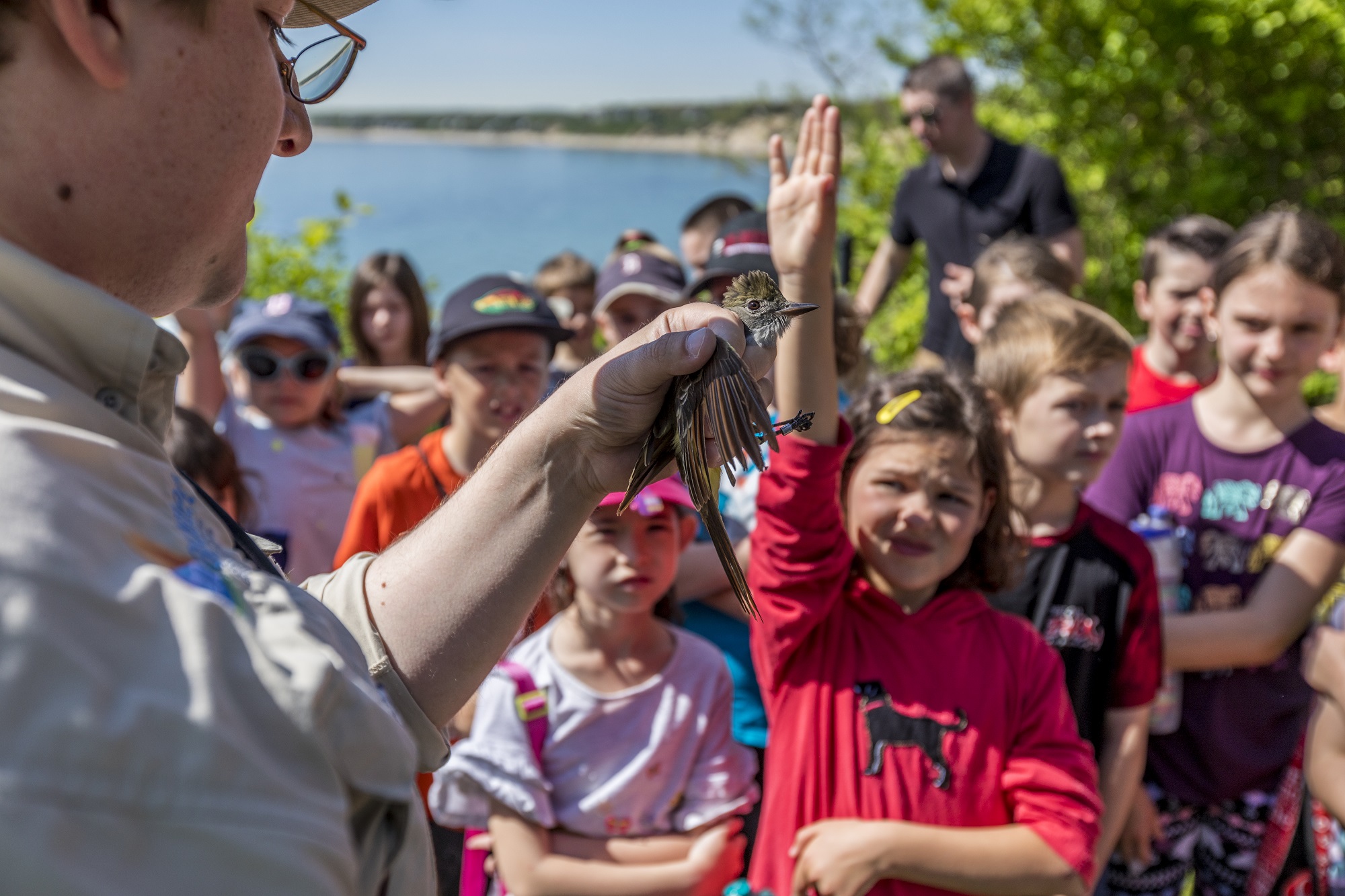
The listings are built on years of scientific research and collaboration. Research led by Manomet, in partnership with teams in Chile, Argentina, Brazil, Uruguay, and Peru, has helped generate the evidence needed for governments to advance strong, science-based proposals, demonstrating how knowledge can drive meaningful conservation action.
Despite ongoing challenges, there are signs of progress. The 2026 State of Migratory Species interim report shows that seven CMS-listed species have moved to a lower extinction risk category, reflecting measurable conservation gains. These include the Saiga Antelope, Scimitar-horned Oryx, and Mediterranean Monk Seal, species that have rebounded thanks to coordinated action, habitat protection, and stronger anti-poaching efforts.
In addition to the species listings and Concerted Action, CMS Parties in the Americas also committed to the development of an Initiative for the Americas Flyways under CMS, to be adopted at the next Conference of the Parties. This will provide a much-needed overarching institutional governance framework for migratory bird conservation in the hemisphere. Dr. Rob Clay, Manomet’s Vice President of Flyways, and a COP-Appointed CMS Scientific Councilor for Birds commented, “Migratory species know no borders. Without close cooperation between countries and involving all relevant stakeholders, investments in conservation can rapidly be undermined. The development of a CMS Initiative for the Americas Flyways represents an exciting opportunity to maximize the “return on investment”, ensuring that migratory species and their habitats are protected, managed, and restored throughout their ranges.”