


 Back to all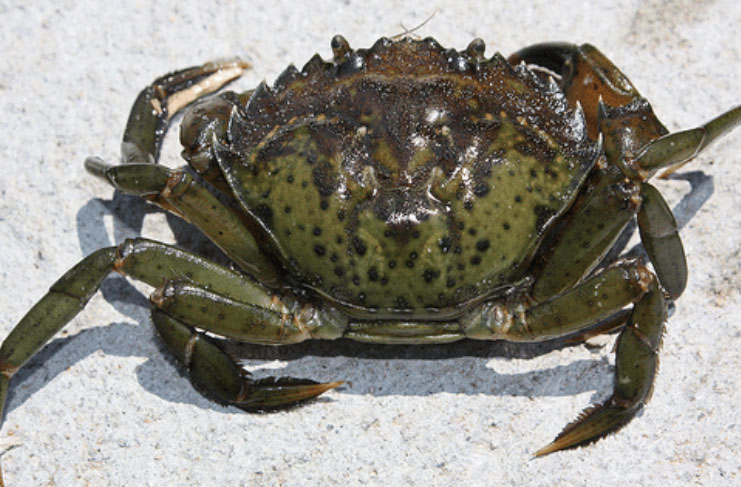
Can an invasive species become a delicious dish? At the Green Crab Working Summit, the answer was a resounding yes. The summit was one of many events during Green Crab Week, a week dedicated to raising awareness of the invasive green crab and building culinary markets for the species. The day-long event brought together harvesters, chefs, and scientists to share knowledge and foster collaboration for the green crab industry. For those unfamiliar with green crabs, they are invasive to North America, and their environmental impact is far-reaching. Not only do they harm the local fisheries by feeding on a variety of shellfish, but they also slice through eelgrass habitats. Those eelgrass beds are vital nursery habitats that support numerous juvenile fish and shellfish and serve as feeding grounds for migratory birds and larger predators.
Manomet’s work with green crabs started in 2016 and includes monitoring populations, studying food web dynamics, and testing new gear. The research supports our work to protect resilient habitats and promote new fishing opportunities.
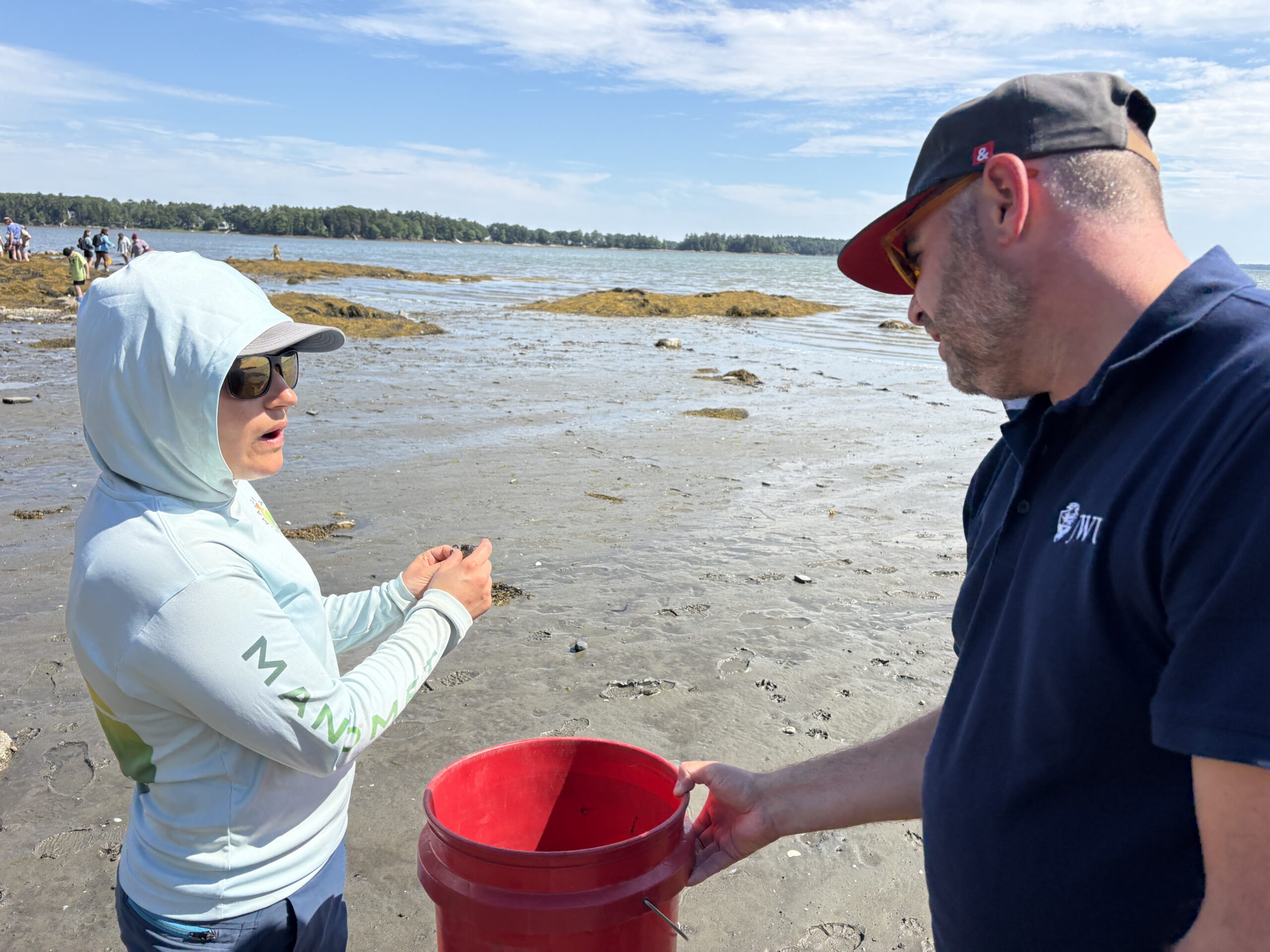
As an External Relations and Fisheries intern, I attended the summit expecting to learn about an invasive species. Instead, I came away with a deeper appreciation for how collaboration and creativity can transform an environmental challenge into an economic opportunity. Throughout the day, I learned from the presentations and panel discussions, while also sampling some of the innovative green crab dishes being served at restaurants throughout New England.
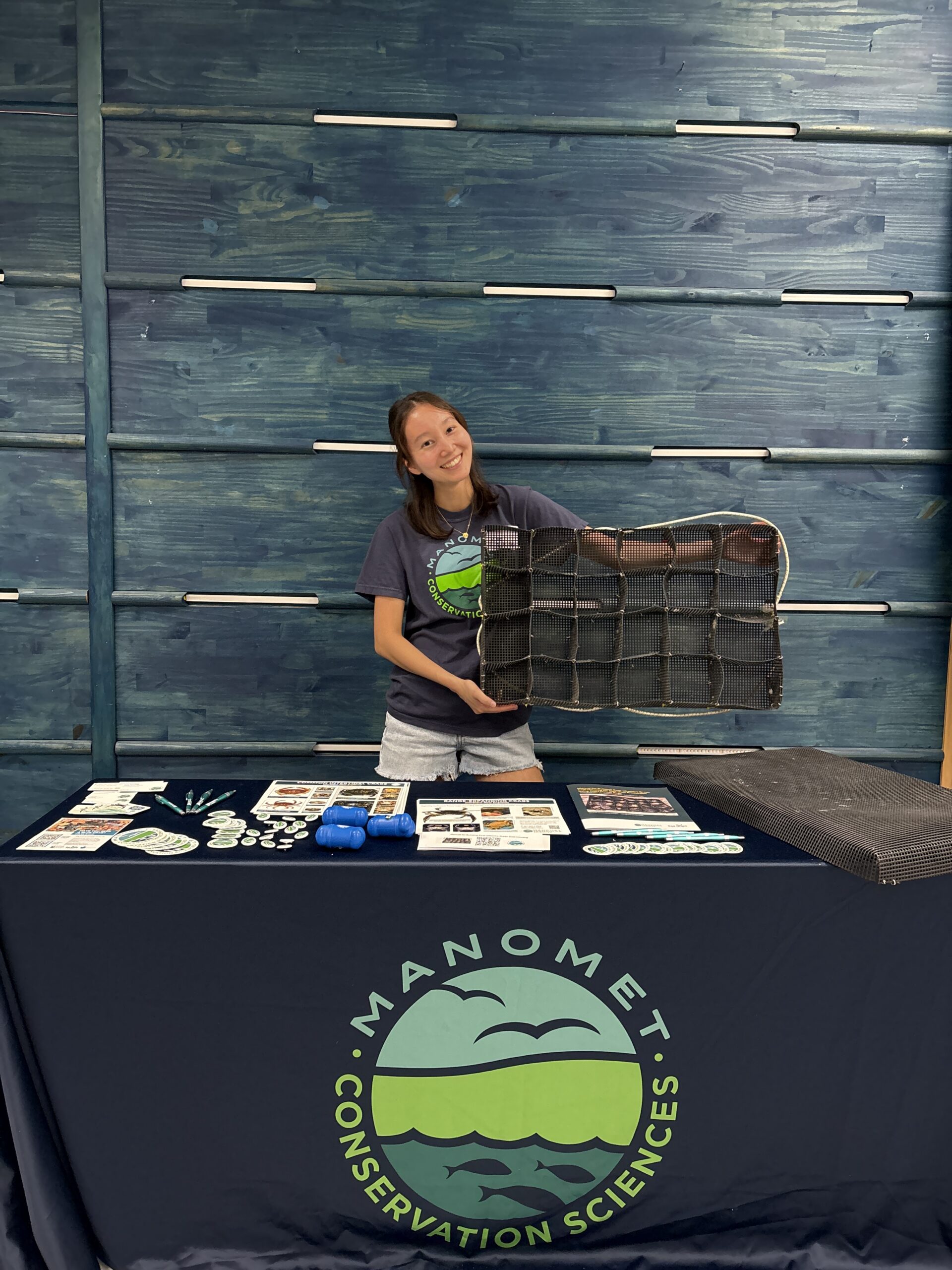
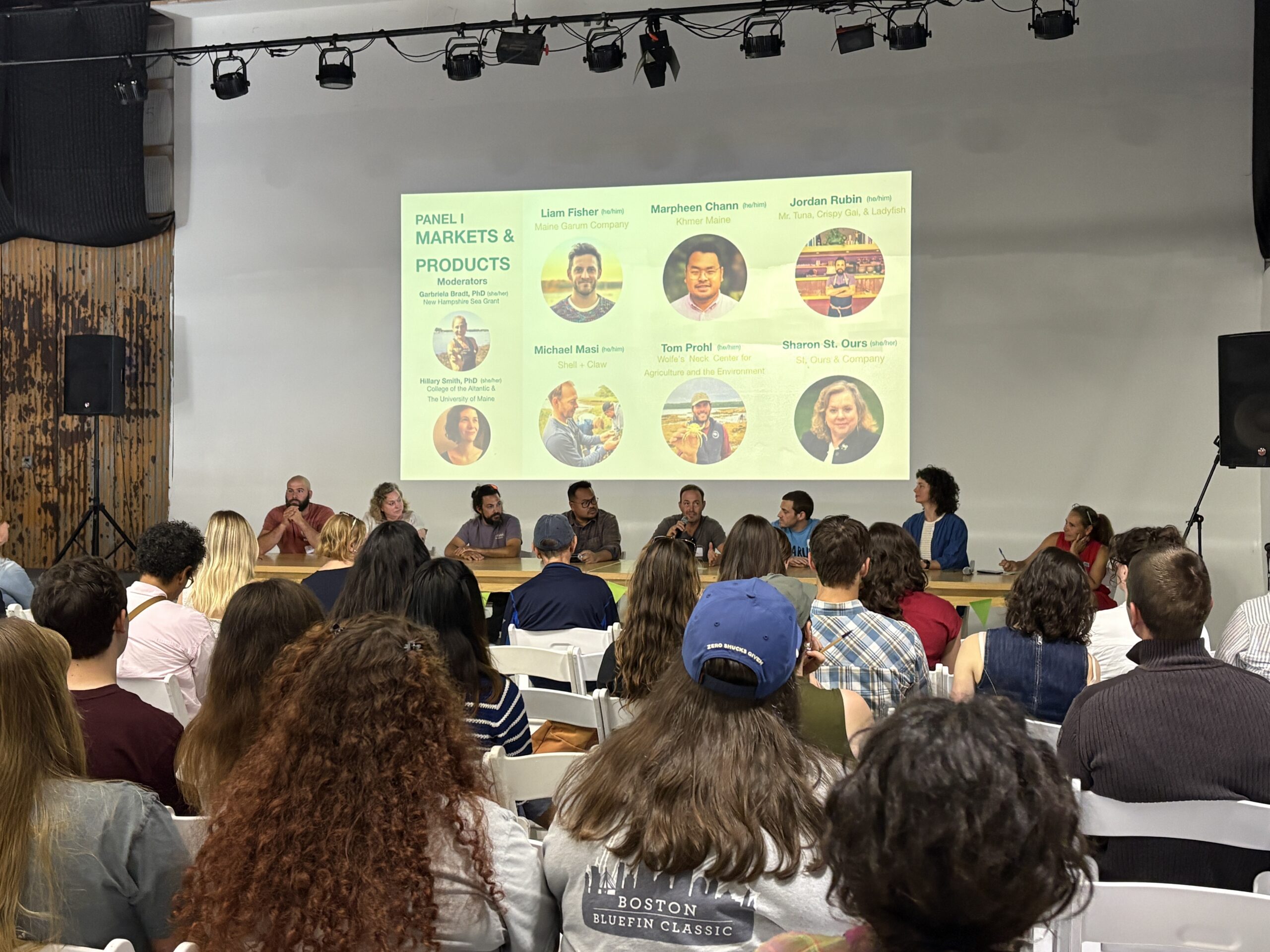
The opening remarks stressed the importance of removing green crabs from our ecosystems and putting them on our plates. Manomet’s Fisheries Director, Dr. Marissa McMahan, pointed out that as we think about future resilience, green crabs are an opportunity to diversify our fisheries. It was compelling to hear about her personal experience seeing Maine’s fisheries go from diverse and robust to almost solely dependent on one species, the lobster. Other speakers also encouraged reframing the green crab crisis as an opportunity to fortify our fisheries, given that the species is relatively climate-resilient.
The panels featured a wide range of topics, from getting green crabs on the menu to policy challenges. But what stood out to me was that every conversation emphasized the importance of cross-sector collaboration. It was clear that these partnerships are fundamental to developing a successful green crab market. Harvesters and scientists worked together to identify and study the molt stages of green crabs. The restaurant community needed to work with suppliers to develop new dishes and introduce them to the public.
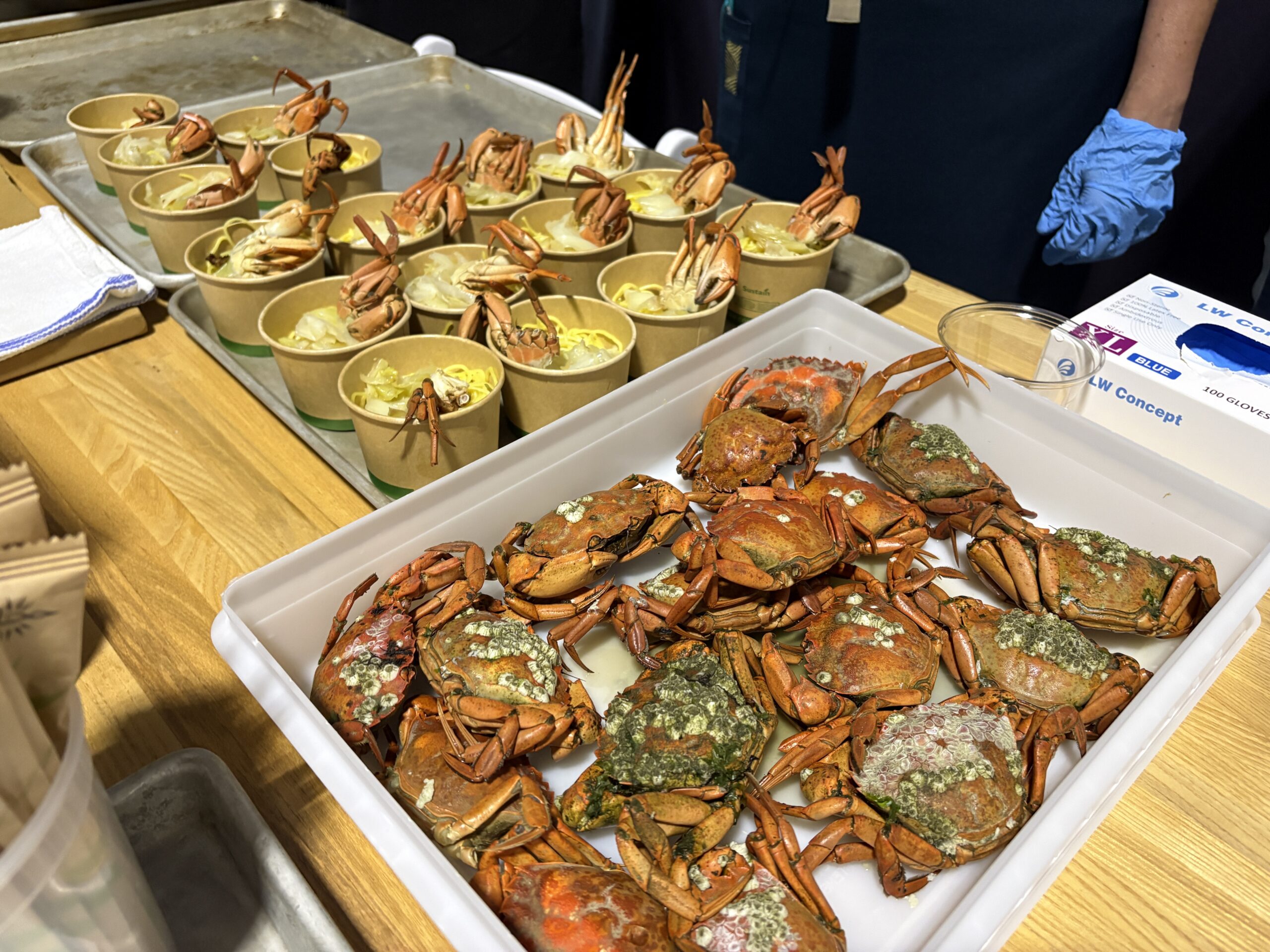
The day capped off with culinary demonstrations and tastings featuring dips, ramen, cocktails, and more! The chefs showcased the crabs in a variety of ways: some were fried whole, concentrated into stock and oil, or turned into new products like fish sauce substitutes or broth powders. I was impressed not only by the creativity of the dishes but also by the years of collaboration that went into building the green crab market into what it is today. It was inspiring to hear diverse perspectives on the future of the green crab market and the innovation underway on the docks and in the kitchens.
Walking away from the summit, it was clear that building a market for green crabs isn’t just about creating new recipes. It’s about bringing together science, fisheries, and culinary innovation to protect coastal ecosystems while creating new opportunities for the people who depend on them.