




 Back to all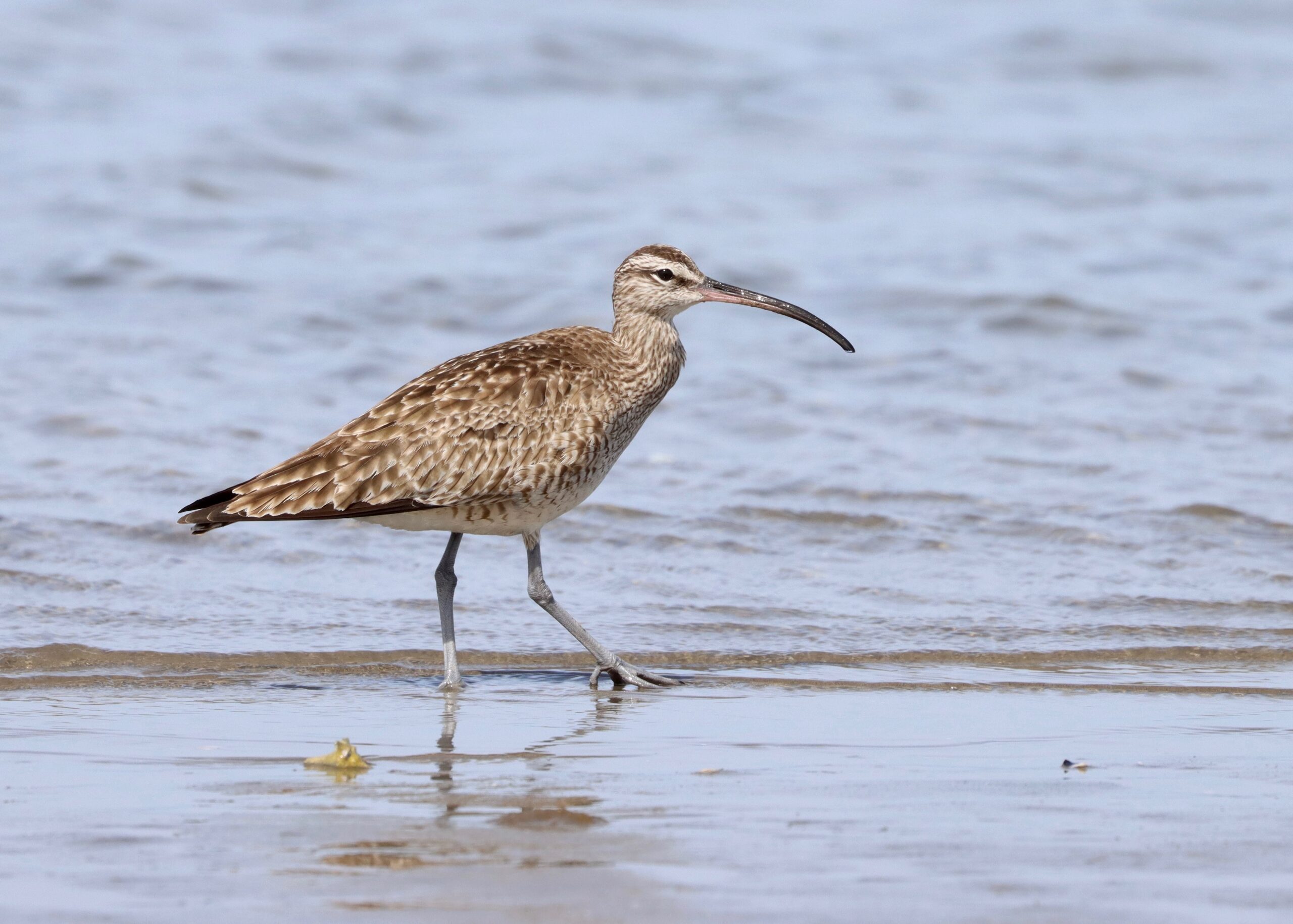

Andrea Ferreira
Science Communications Manager
Advances in genetics are reshaping how scientists classify living things, and birds are no exception. Over the last few decades, taxonomic updates have led to frequent changes in names and species boundaries. If you keep life lists in online databases like eBird, you’ve probably noticed the ripple effects: new species appear, others disappear, and familiar names shift.
One of the most talked-about examples in shorebird circles has been the status of the “American Whimbrel.” For at least two decades, taxonomists and birders debated whether it should remain a subspecies—Numenius phaeopus hudsonicus—or be recognized as its own species.
Why Does This Matter for Conservation?
A taxonomic split can shift how risk is assessed, because smaller, declining populations are no longer “balanced out” by larger, more stable ones elsewhere. Under the former classification Numenius phaeopus, global assessments suggested the species was of Least Concern. But much of that stability reflected the large Eurasian population. Evidence compiled for the Convention on the Conservation of Migratory Species suggests the Hudsonian population alone may have declined by nearly 70%.
Scientists make these changes through taxonomic revision, which means updating classifications to reflect new evidence about evolutionary relationships, genetic differences, and, in some cases, reproductive isolation—the inability of populations to interbreed.
In 2025, a major revision recognized the split into two distinct species: the Hudsonian Whimbrel (Numenius hudsonicus) and the Eurasian Whimbrel (Numenius phaeopus). The split is supported by genetic studies and consistent differences in plumage (feather patterns and colors). It’s also worth noting that different taxonomic authorities review and approve these updates on different timelines; it may still take a while for all databases and checklists to fully align.
In the United States, the American Birding Association Checklist Committee (ABA-CLC) and the North American Classification Committee of the American Ornithological Society (AOS) have both recognized the split, and the change is now reflected in updates to their respective checklists.
The Hudsonian Whimbrel is the species found in the Americas, while the Eurasian Whimbrel occurs across Europe and Asia. On rare occasions, each can show up as a vagrant at the other’s normal range and cause commotion among birders.
Members of Manomet’s Resilient Habitats program experienced a remarkable encounter with both species during a field campaign on Cape Cod in September. The team spent several days on a salt marsh in West Dennis, where one Eurasian Whimbrel seemed to be enjoying fiddler crabs and moving with the tides alongside a group of Hudsonian Whimbrels.
How Can You Tell Them Apart?
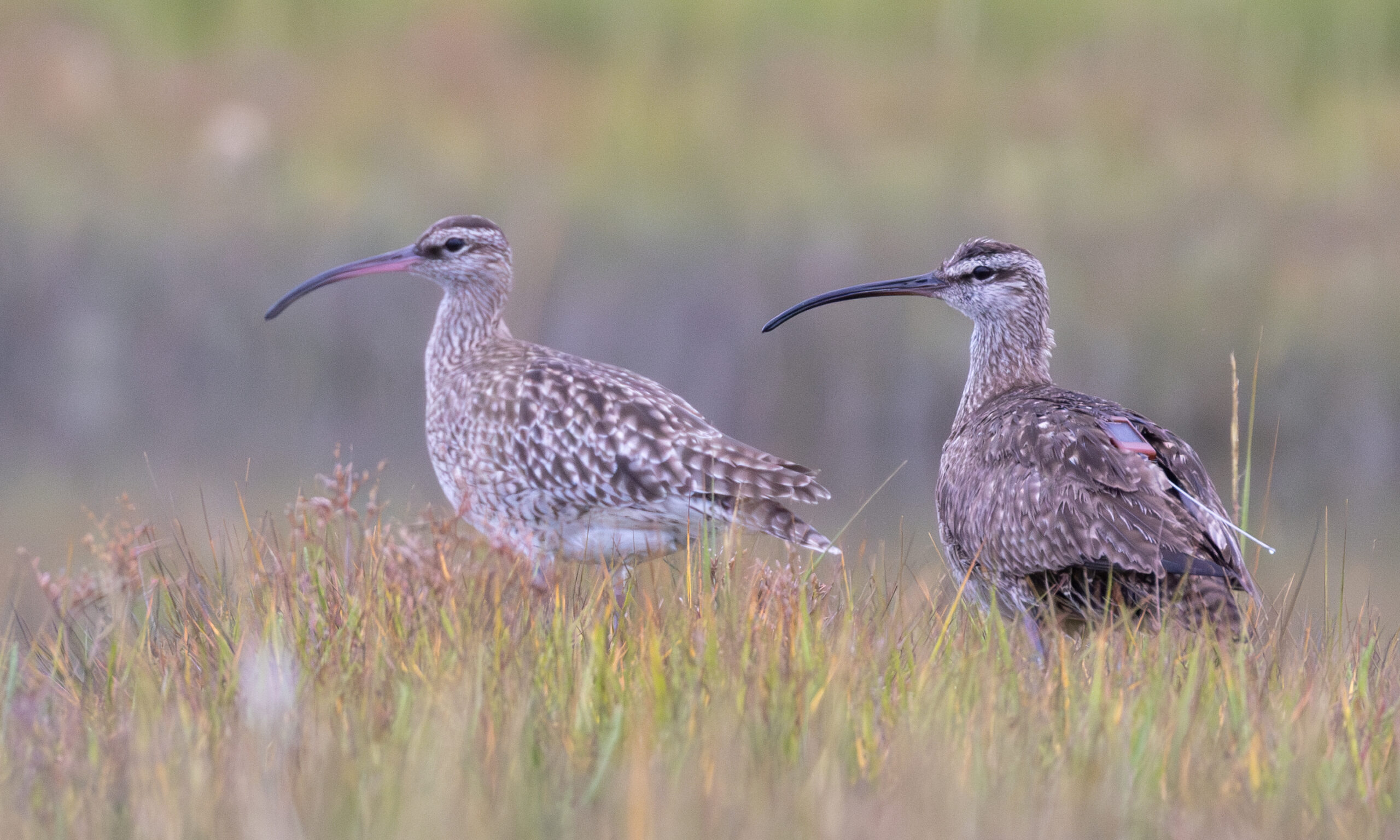
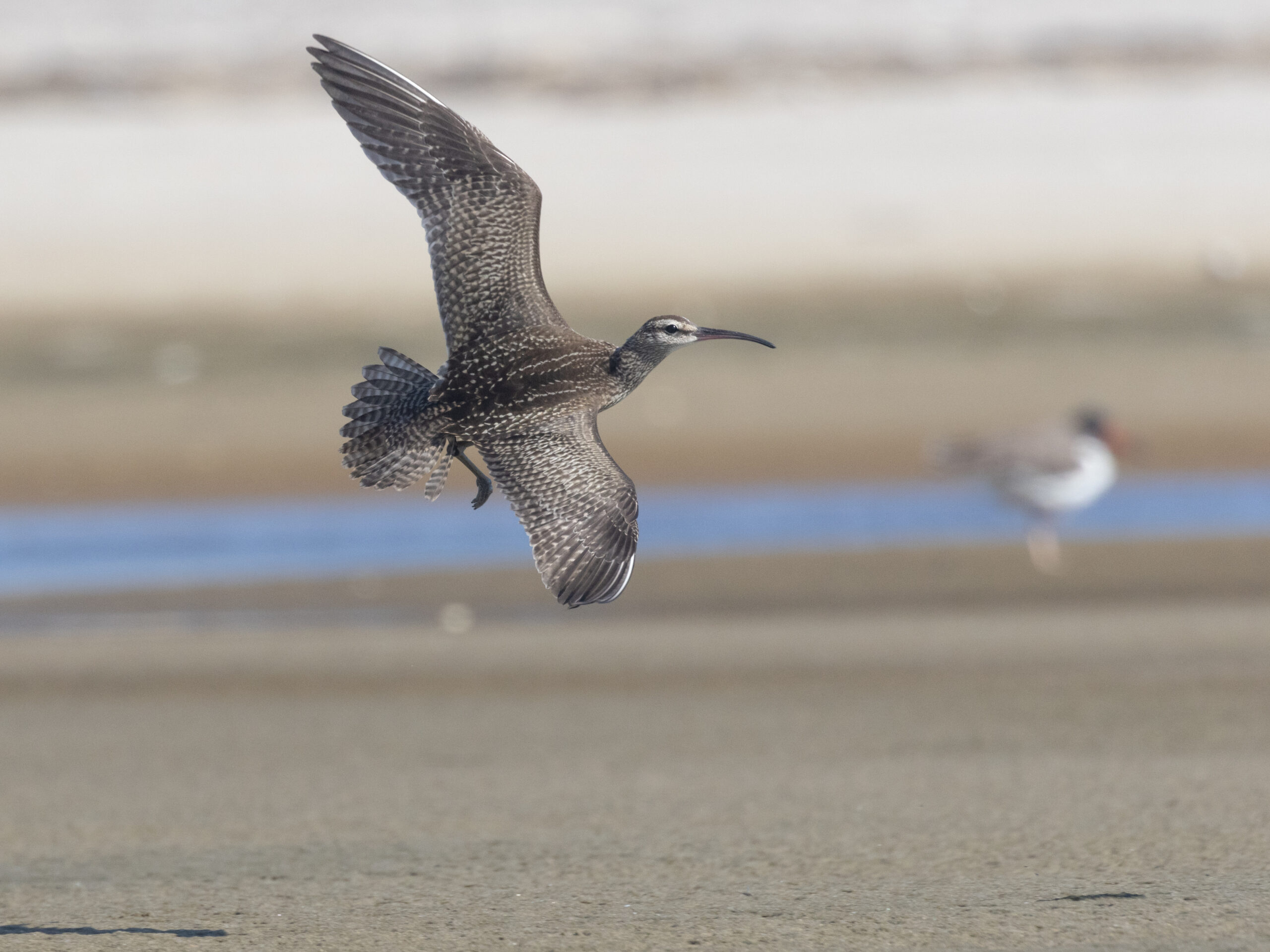
Hudsonian Whimbrels have a dark brown rump that matches their upper parts, while Eurasian Whimbrels typically show a white or white-barred rump and lower back. The differences are easiest to see when the birds are side by side, but spotting them during flight, Eurasian Whimbrels stand out clearly in flight due to the white diamond-shaped patch on their back, absent on Hudsonians, which have a uniformly brown back. Differentiating them on their own can be more challenging. Rare observations are often discussed in local birding forums and sometimes flagged through bird alert mailing lists.
As scientists continue to study populations across different regions — examining genetics, plumage, behavior, and vocalizations — our understanding of species boundaries will continue to evolve, and additional revisions are always possible.
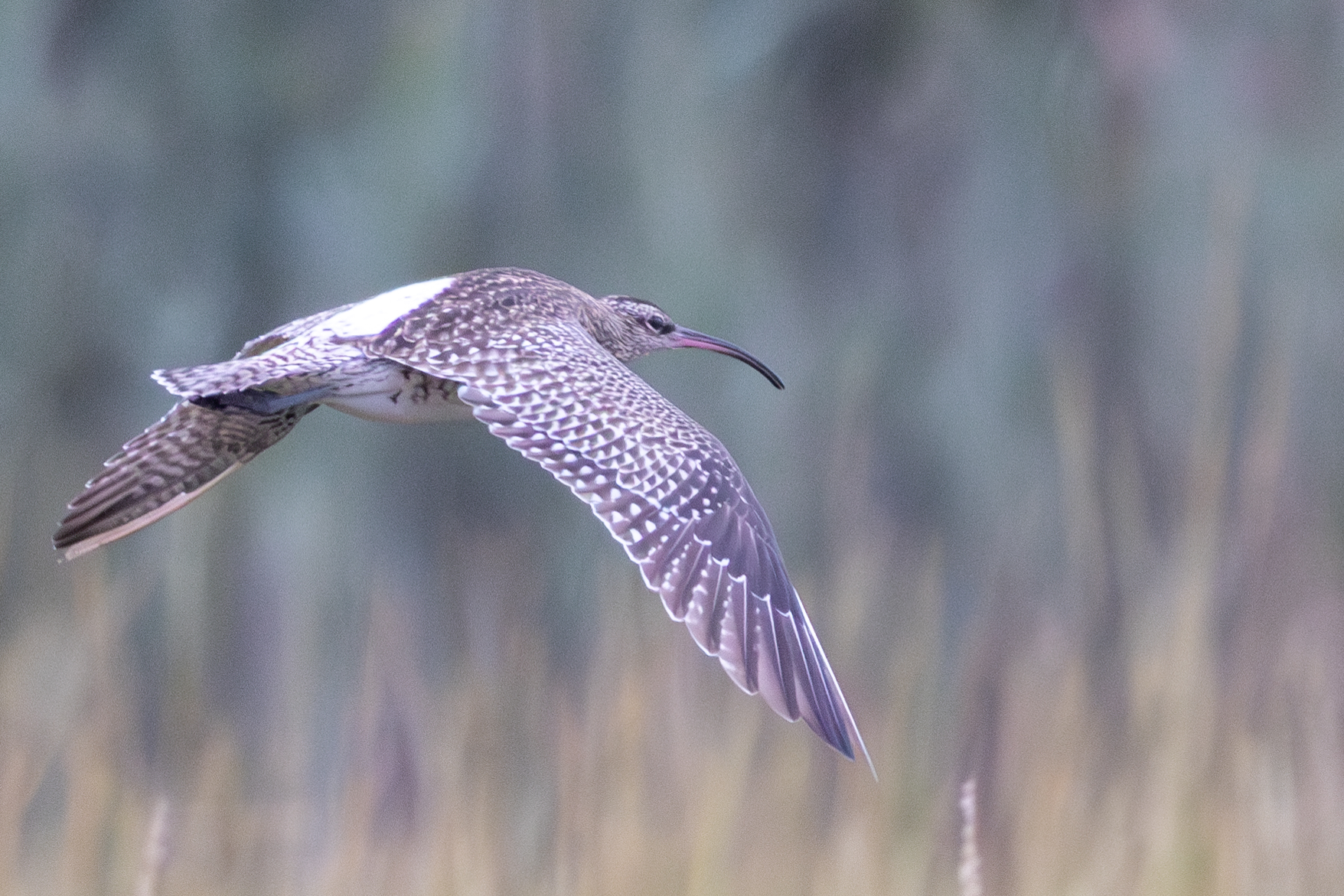
Scientists at Manomet Conservation Sciences have been studying Hudsonian Whimbrels for more than a decade, tracking migration routes and identifying key sites throughout their annual cycle. Since 2008, tagging studies have mapped important stopover, wintering, and breeding areas across the Southeast U.S., the Gulf Coast, and the Arctic, alongside conservation partnerships in the Guianas, Brazil, and Chile. This work now informs international efforts to protect the species, including a proposal to list the Hudsonian Whimbrel under Appendix I of the Convention on Migratory Species in 2026. Collaboration is key for shorebird conservation. Manomet is also part of the Whimbrel Working Group, currently working on estimating survival rates and developing a demographic model.
References:
Convention on Migratory Species. (2025, November 4). Proposal for the inclusion of the Hudsonian Whimbrel (Numenius phaeopus hudsonicus) on Appendix I of the Convention (UNEP/CMS/COP15/Doc.30.2.7). United Nations Environment Programme.
Skeel, M. A., E. P. Mallory y P. Pyle (2025). Hudsonian Whimbrel (Numenius hudsonicus), version 1.0. On Birds of the World (S. M. Billerman y M. G. Smith, eds.). Cornell Lab of Ornithology, Ithaca, NY, EE. UU. https://doi.org/10.2173/bow.whimbr3.01
Pyle, P. (2026, January 29). ABA Checklist Committee Update, Jan. 2026: Listing and taxonomy. American Birding Association. https://www.aba.org/aba-checklist-committee-report-jan-2026/
American Ornithological Society. (2026). N&MA Classification Committee Proposal 2026-A: Recognize Whimbrel Numenius phaeopus as Two Species. North and Middle American Classification Committee.
https://americanornithology.org/wp-content/uploads/2026/02/2026-A.pdf