ONE COAST
THREE NATIONS
ONE SHARED FUTURE
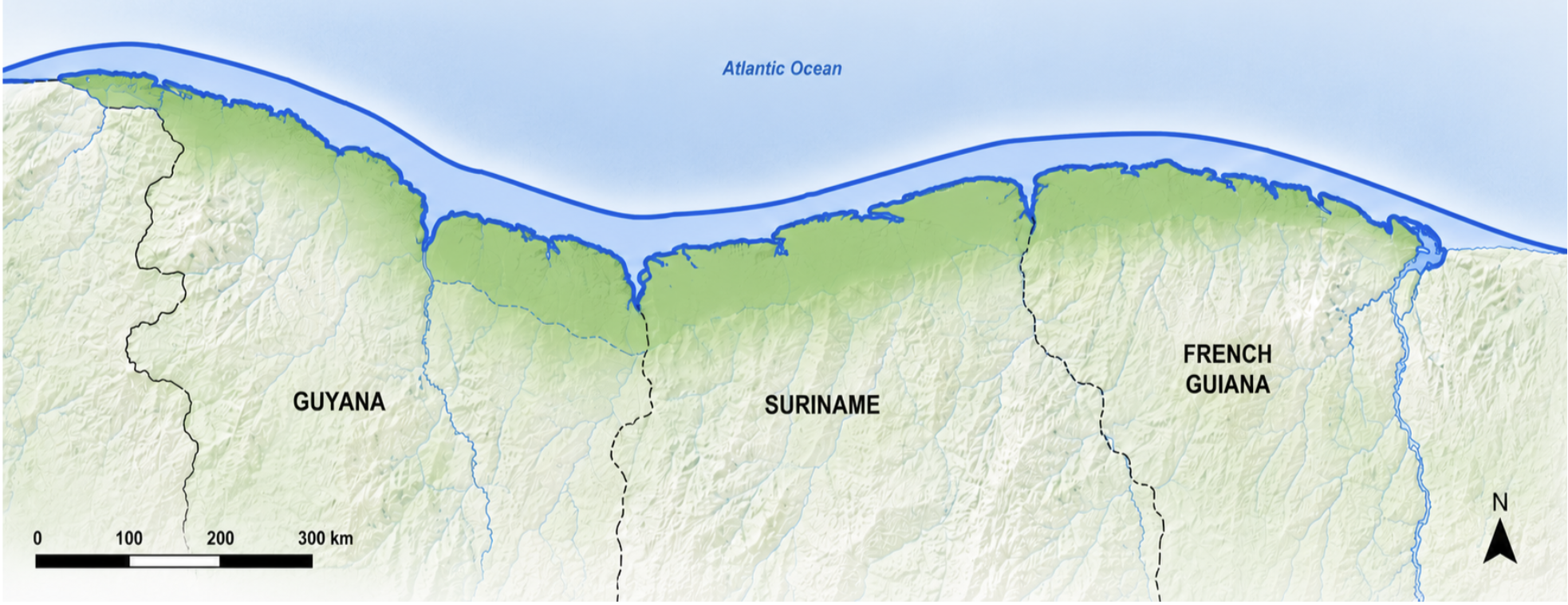
The Guianas Green Coast—spanning Guyana, Suriname, and French Guiana—lies at the core of the largest intact mangrove ecosystem in the world. In a rapidly changing world, this coastline retains vast stretches of untouched mangroves and mudflats, home to a rich and abundant biodiversity, and providing key ecosystem services to the human populations of the Guianas.
The future of this rich green coast is dependent on measures that cross borders, protecting and safeguarding the shared coastal zone as one ecological entity.
The Guianas Green Coast Conservation Plan 2026–2030 brings the three Guianas and their partners together around a shared vision for a healthier, more resilient coast.
The Plan will be available for download soon.
WHY THE GREEN COAST MATTERS
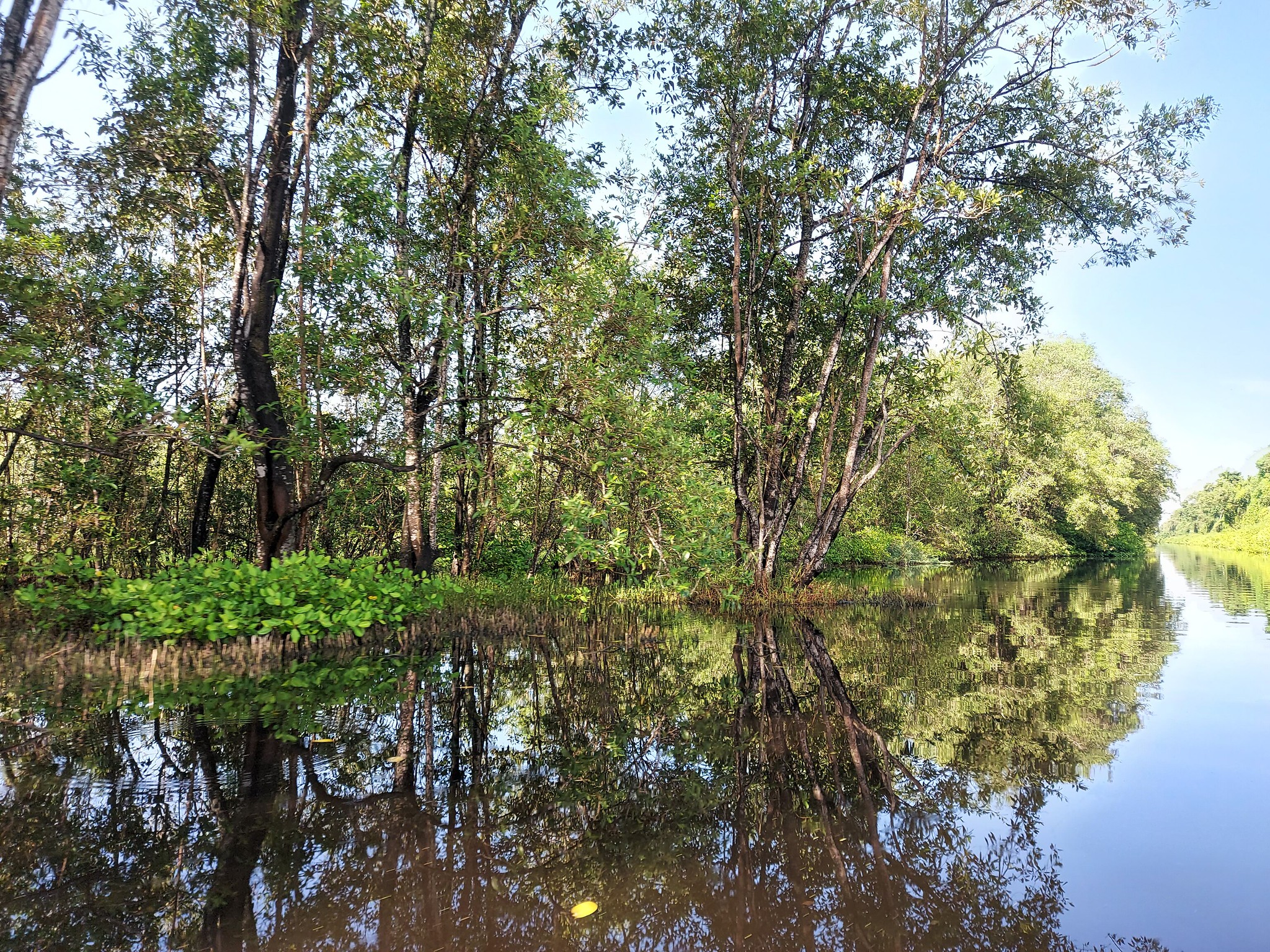
The Green Coast is a living system that supports biodiversity, migratory species, coastal communities, and livelihoods. Natural processes link its habitats and do not stop at national borders. The coastal habitats provide key ecosystem services such as filtering of water, nursery function for fish populations, and protecting the mainland from rising sea levels and storm surges. Local communities that live along this coastal plain depend on these natural resources for their daily livelihoods (e.g., for fishing, small-scale agriculture, ecotourism).
Critical Shorebird Habitats
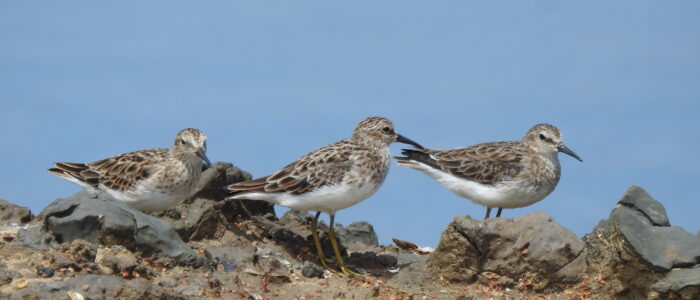
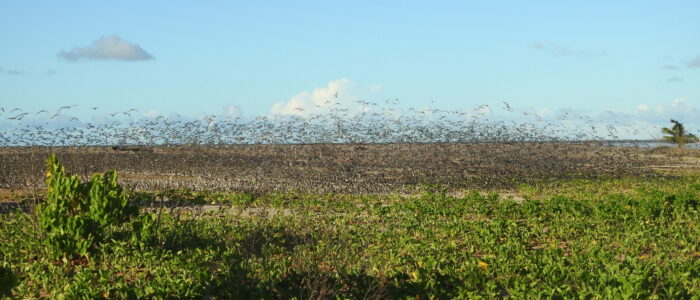
The Green Coast is of great conservation importance, supporting a rich diversity of migratory shorebirds each year. Year after year, millions of these long-distance migrants depend on the extensive mudflats, mangrove forests and sand beaches. Over 25 migratory shorebird species use the Guianas Green Coast during migration and wintering. Aerial surveys by Morrison & Ross (1989) along the entire South American coast showed this region to be by far the most important in terms of total numbers, especially in Suriname. Many of these species are considered of global conservation concern and require conservation actions along their flyways to keep them from going extinct.
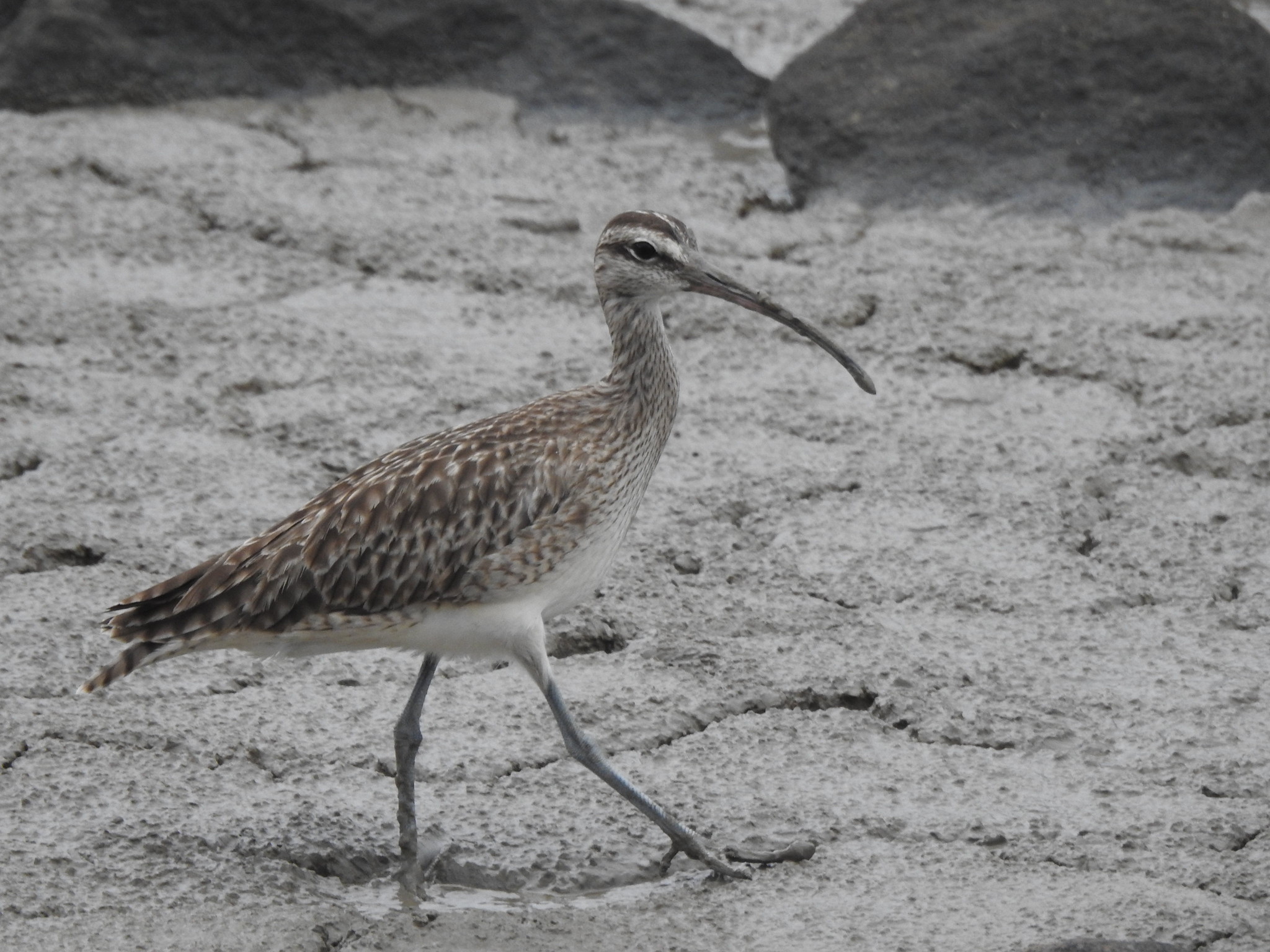
The Guianas Green Coast is especially a key migration corridor and wintering site for species of concern like the Semipalmated Sandpiper, Black-bellied Plover, Hudsonian Whimbrel, Lesser and Greater Yellowlegs and Short-billed Dowitcher.
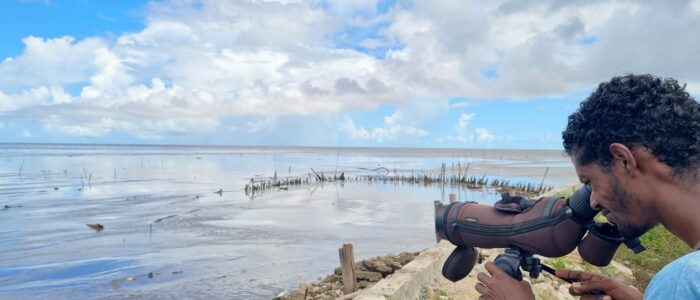 Shorebird survey in Paramaribo. Photo: Manomet/Arne J. Lesterhuis
ONE SHARED CONSERVATION CHALLENGE
One ecosystem cannot be protected by three countries acting separately.
Coastal ecosystems face multiple, interconnected pressures. Responding effectively requires stronger policies and environmental governance, cooperation among institutions, meaningful community participation, and better access to scientific information.
The Guianas Green Coast Conservation Plan 2026–2030 creates a common regional framework while recognizing each country’s context, priorities, and opportunities for action.
The Plan sets out a collaborative approach to coastal conservation. Its work is organized around five connected workstreams:
PARTNERSHIPS — Strengthen regional collaboration and connections among countries, institutions, communities and partners.
GOVERNANCE — Strengthen policies, institutions and environmental governance to support effective coastal conservation.
STEWARDSHIP — Support community participation, local stewardship and approaches that recognize local knowledge and livelihoods.
PROTECT — Conserve and restore critical coastal habitats and the biodiversity they sustain.
KNOWLEDGE — Improve research, monitoring, information-sharing and the use of evidence in decision-making.
The Plan focuses on connected coastal habitats and conservation priorities, including mangroves, mudflats, sandy beaches, and migratory shorebirds.
A REGIONAL EFFORT, BUILT TOGETHER
To preserve the natural resources of the Guianas Green Coast, coordinated trilateral planning and action are essential. The Guianas Green Coast Conservation Plan 2026-2030 is a regional call-to-action designed to protect critical shorebird habitats, preserve coastal biodiversity, and secure the livelihoods of local communities
The Plan reflects the contributions and perspectives of more than 75 stakeholders, bringing together knowledge and experience from across the region. Its implementation depends on continued collaboration among governments, civil society organizations, researchers, communities, and other partners.
By creating opportunities to share knowledge, align priorities, and coordinate action, the Plan aims to turn a shared regional vision into sustained progress.
FROM PLAN TO ACTION — THE ROAD TO 2030
From 2026 to 2030, partners will advance the Plan’s priorities, strengthen cooperation, and share progress and lessons learned.
Every institution, organization, community, and individual has a role in building a more resilient, well-conserved Green Coast.
To learn more about the Guianas Green Coast, contact Arne J. Lesterhuis or Katia Delvoye.