

 Back to all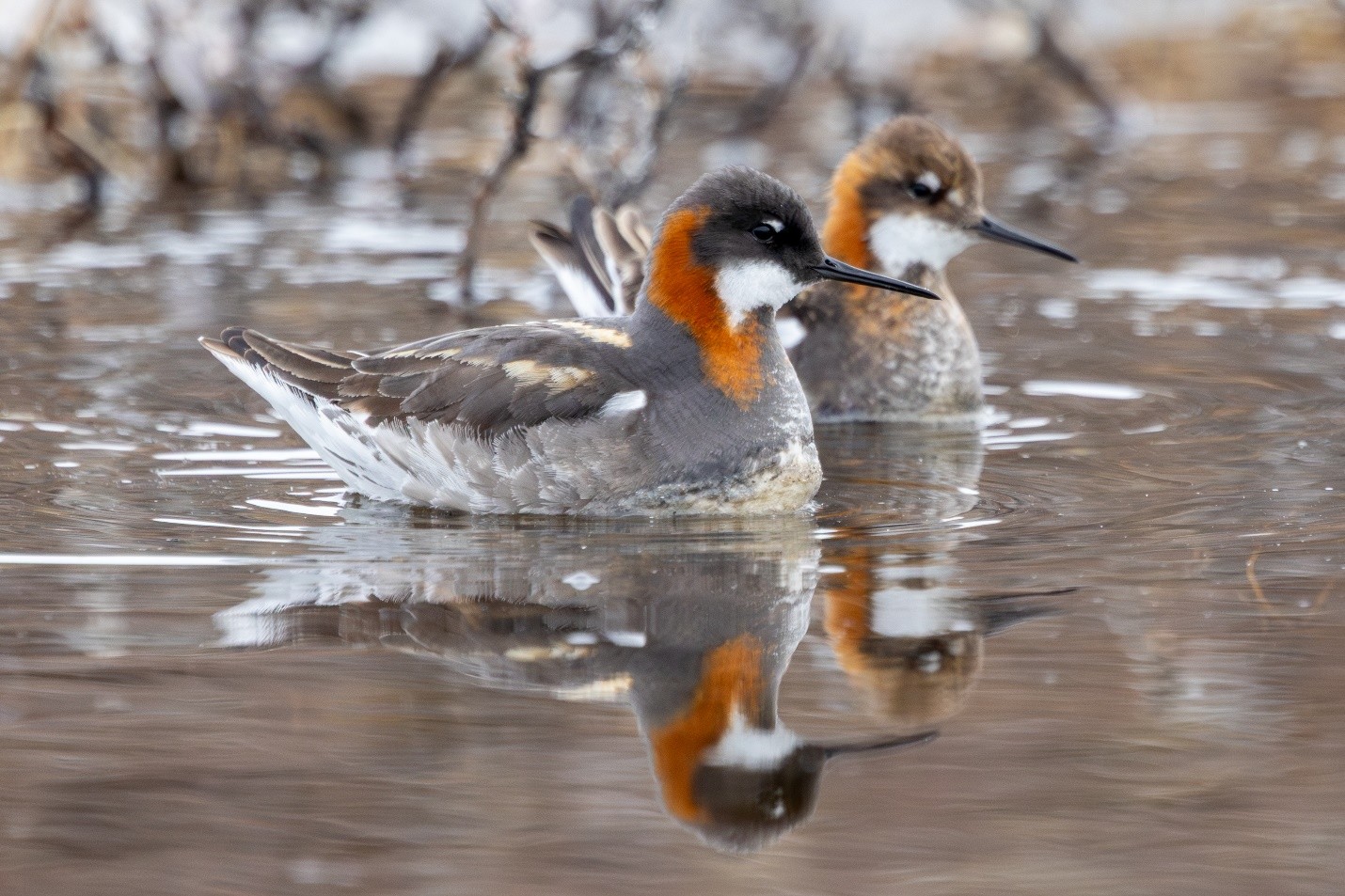
Each summer, Manomet scientists and partners travel to multiple field sites across the Arctic to better understand the factors driving dramatic declines in shorebird populations. Through this research, we are working to unlock the mysteries of these long-distance migrants and generate the science needed to guide conservation efforts across the Western Hemisphere. Manomet Conservation Sciences has been working in Arctic shorebird science for 25 years.
In this first field blog entry of the 2026 season, we take you to the National Petroleum Reserve–Alaska (NPRA)—also known as the Western Arctic—a vast 22-million-acre landscape and the largest tract of undisturbed public land in the United States. Here, researchers from Manomet and partner organizations are conducting breeding bird surveys as part of the Program for Regional and International Shorebird Monitoring (PRISM), a collaborative effort to estimate shorebird populations, track long-term trends, and inform conservation planning across North America.
Read on for firsthand reflections from crew members as they navigate the challenges and rewards of conducting shorebird research in one of the world’s most remote and extraordinary landscapes.
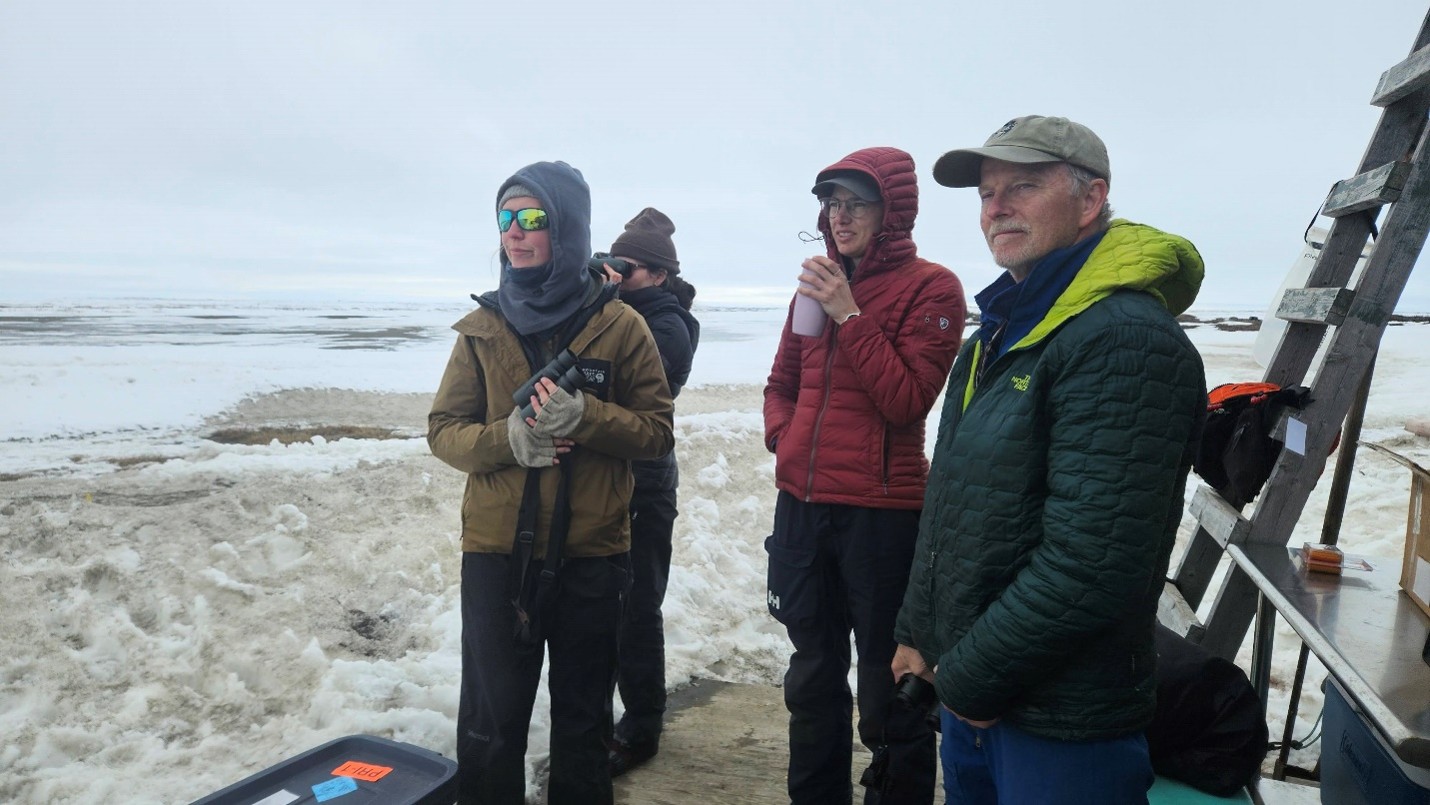
Rick Lanctot, Camp Lead The team is stuck in a cabin looking longingly out the window wishing for the blue skies that were present yesterday. This is my 13th year of conducting PRISM surveys. We plan for months to get the proper permits in place to accommodate Indigenous, state and federal agencies; order, organize and ship gear to the correct places; identify gifted biologists that can identify and “decode” shorebird behavior; arrange a complicated and very expensive helicopter contract to access remote areas, and develop a scientifically sound study design so we can estimate population sizes and trends of the many shorebirds and waterfowl that occupy this vast Arctic landscape. Despite our best efforts, nature sometimes decides to shake things up, making it hard to predict when to arrive and start our counts. Not surprisingly, the birds seem to know when to arrive. They initially forage on the wind-swept uplands and rivers bluffs and then settle onto territories in the lowlands as the snow melts where they establish territories, court mates, lay and incubate eggs for 18-26 days, and then attend chicks that can fly in as 16-18 days. We strive to count birds during the courtship phase when they are active and easily seen. Each species is a bit different and unique in these activities but all are dependent on the Arctic “breadbasket” to replace themselves and others who fail to survive the long migrations and winter months.
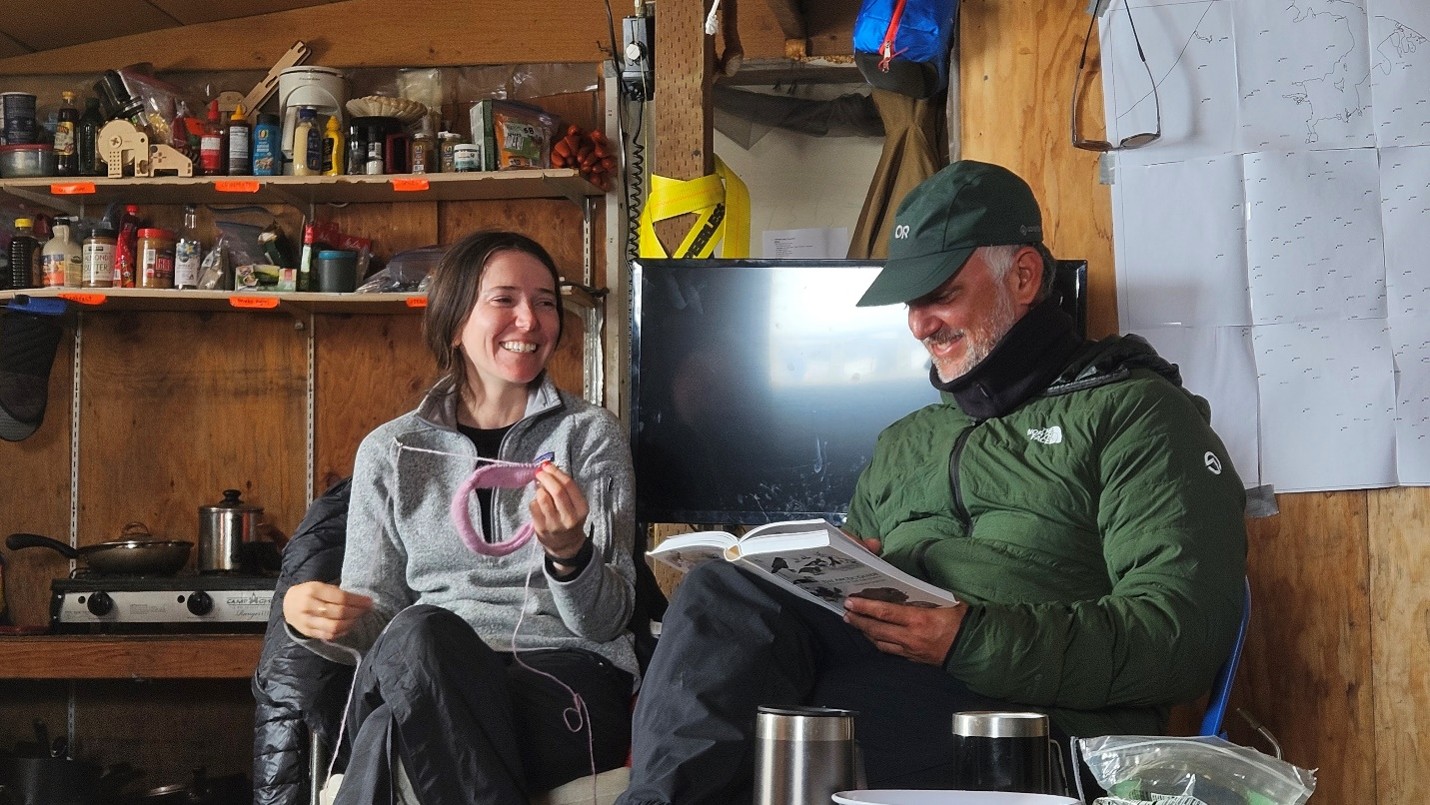
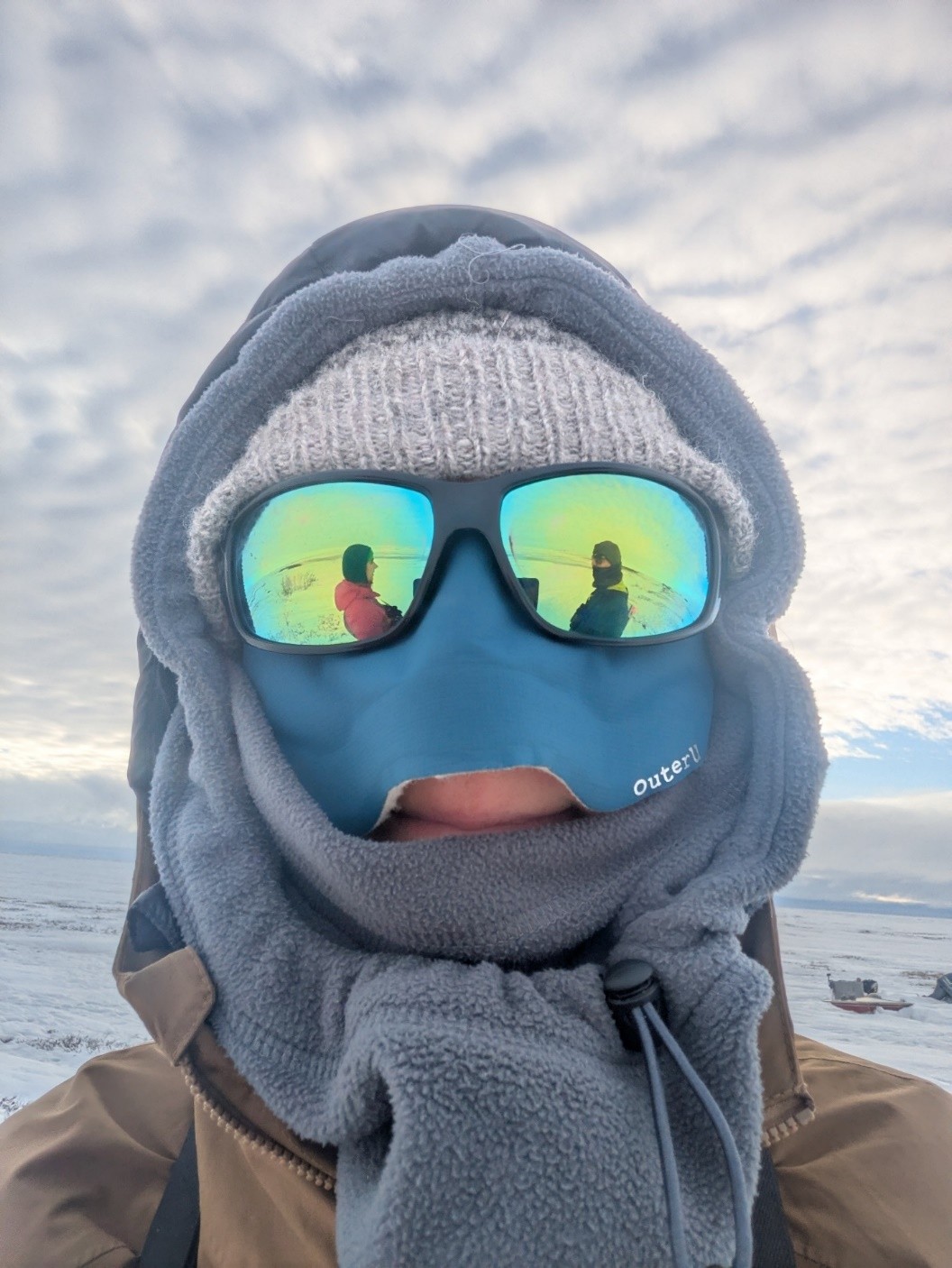
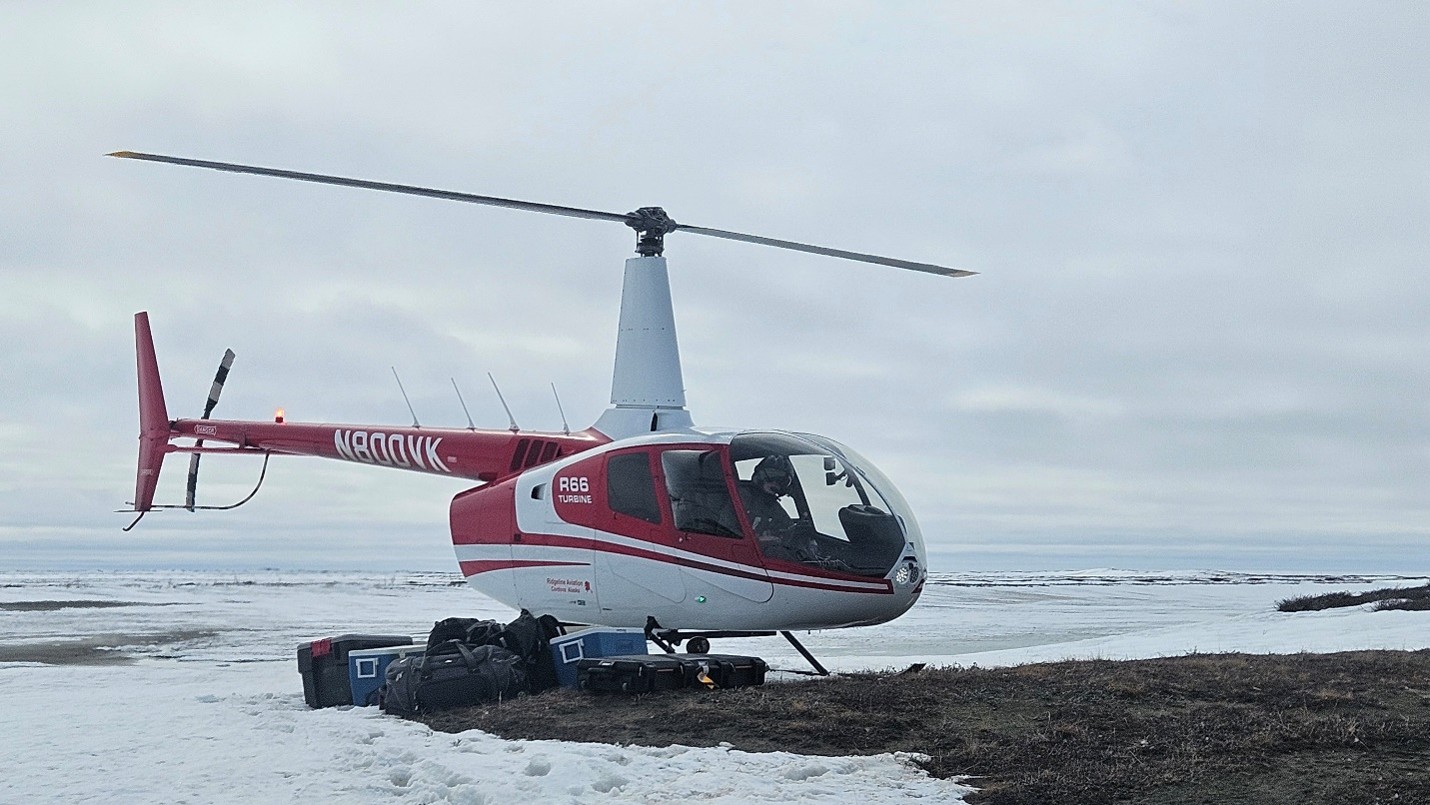
Eva Allaby, Field Surveyor A day in the life… (Notes from field notebook): “@ Carl & Jackie Nayakik cabin on Friday June 12th 2026: Mostly Cloudy, temps 35-40F, slight wind. Up at 6:30. Shelby heating up the heli (aka Viki) @ 0640. Ground slightly frozen. Crew: RL, TR, KC departed 0815 to do first four clusters (each cluster has 3 survey plots). 09:00 ish clouds coming in. Cabin chores: swept; taped floor boards with duck tape; dishes; wiped mud from arctic entry; checked fridge/freezer food. 1300 EA+JL practice plot # 6 together (917 m away from cabin), then plot #5 by myself till 1830. Lot of deep snow, plots 75% snow covered, but still, lots of birds! Maybe because the river nearby? Crew arrived at 1925. Cheese and crackers while waiting for Shelby to put Viki away. Dinner by JL: Curry + Rice. Post processing + discussion till 2130.” –
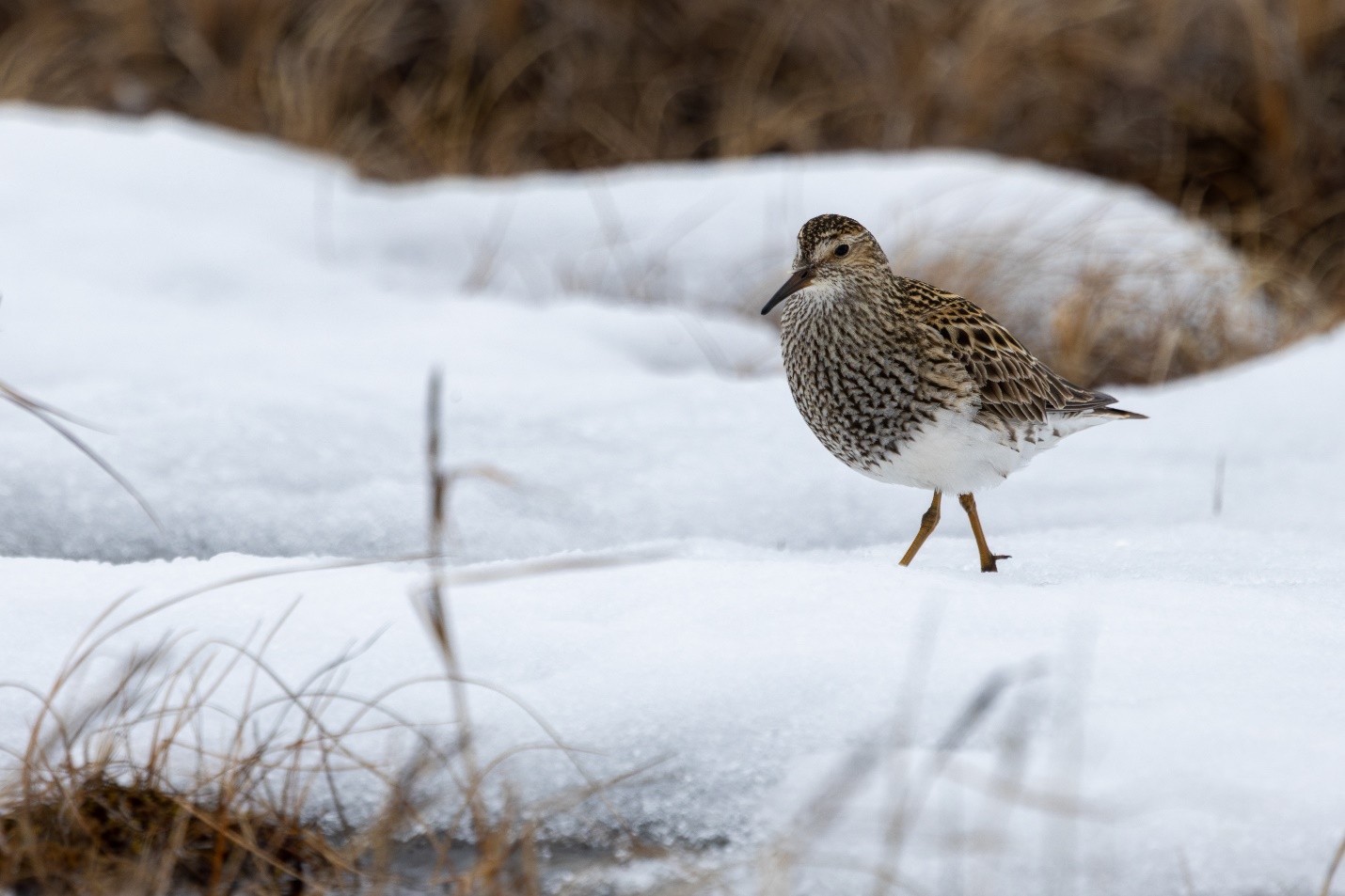
Kirsti Carr, Field Lead and field surveyor There is nothing like the birdsong-filled solitude of a ninety-six-minute rapid PRISM survey. The community of birds changes drastically depending on each plot’s habitat, but no matter what, I love wandering about each 400m square plot and observing the lives of the various animals who inhabit it. With as much snow that is left on the ground right now, we also get a fine-scale log of the creatures who have passed through it before us. While post-holing through a snowbank, I find myself grateful to the caribou who crossed it and left their hoof prints as a trail for me to follow. The thick footprints of willow and rock ptarmigan taunt me as a reminder of how well they expertly traverse across snow with their feathered toes protected from ice. Once the snow melts, we can still find subtler signs of who else has passed through before us, like an abandoned Arctic ground squirrel burrow dug up by a hungry brown bear, a large pellet full of rodent bones left by a passing snowy owl, or a network of tunnels and nests woven into the dormant sedge that kept a lemming alive and well deep under winter snow. Each snapshot reminds me of how many lives the tundra nurtures each year, and grounds my conviction to continue to work to help conserve and protect this beautiful place.
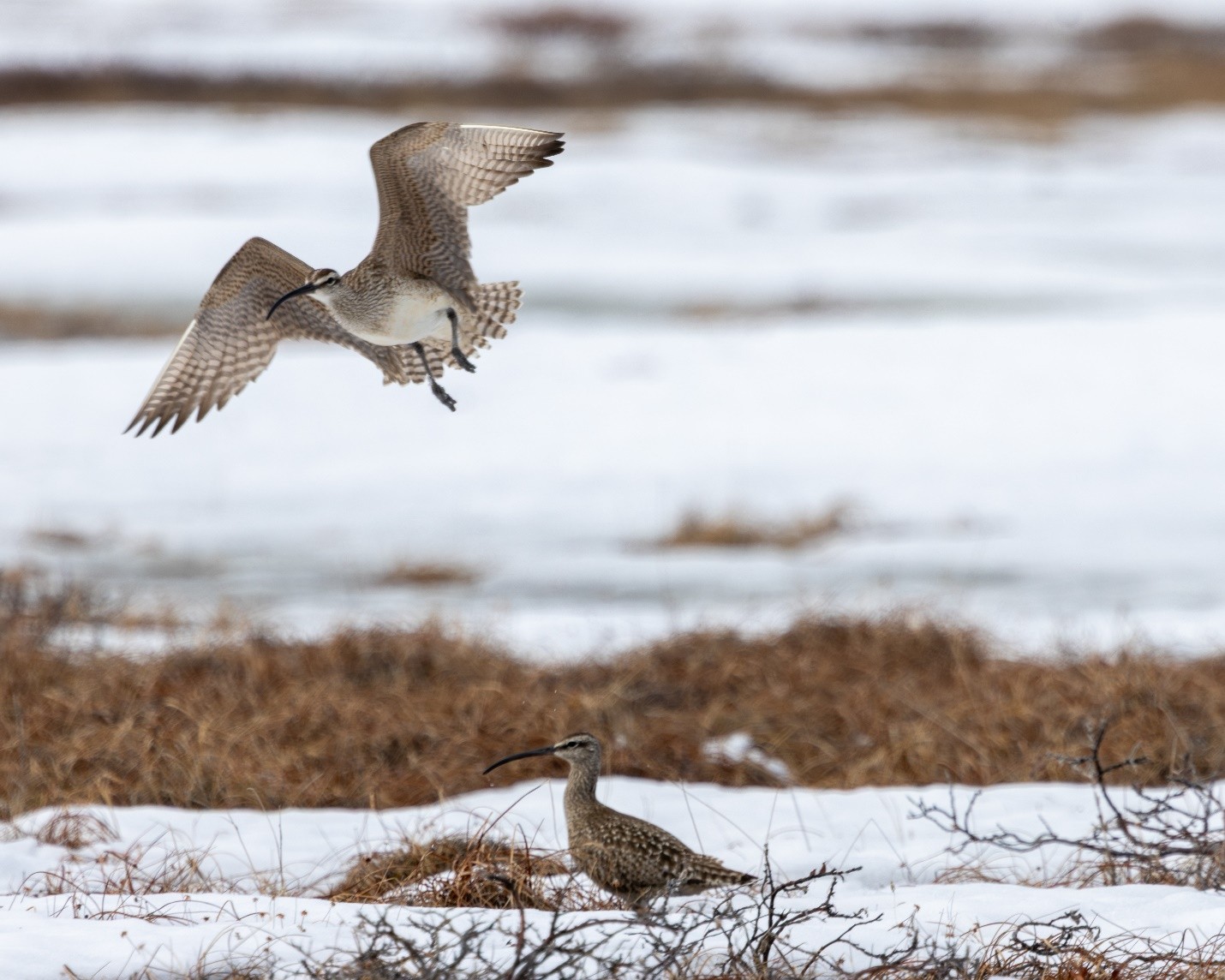
Tara Rodkey, Field Surveyor This morning began as another day waiting for the Arctic weather to cooperate with permissible conditions for flight, and hoping not to miss the ever-so-short window between singing, courting shorebirds, and quiet, nesting shorebirds. Each of the years I have been lucky enough to be up here has run into some kind of trouble getting this delicate timing right, and the less and less predictable climate is making finding that balance all the more difficult. With the snowmelt so late this year, we have quickly been running out of helicopter days, and inevitable bouts of freezing fog occasionally keep us grounded for the first half of the day, as today. The anxiousness to continue surveys aside, there is nothing like waking up in a tent to the sounds of Arctic summer. The persistent song of the Bar-tailed Godwit, punctuated by the lilting twinkle of Lapland Longspurs and burring whistles of the Semipalmated Sandpiper and Dunlin. Yellow-billed Loons are wailing on the Topagoruk river right below, and in the morning and evening we hear the laughing song of the Red-throated Loons in the distance. The tent is set up on the riverbank, near a colony of Arctic Ground Squirrels, who chirp at us disapprovingly. The site of this year’s camp is in a place with a particularly abundant birdsong, so even when grounded we can listen to the varied calls and songs of all of these Arctic migrants – the Stilt and Western Sandpipers, Long-billed Dowitchers, and Semipalmated Plovers – all likely anxious themselves to begin laying their eggs. It is the core logistical difficulty with completing these surveys each year, but the speed of the snowmelt and the rapid progression from setting up territories to incubating eggs on a nest is part of the ephemeral and rare quality of life in the Arctic. Getting to see a glimpse of this place and its particular timing has absolutely captivated me and I am even more enthralled at the journeys of these birds who are at once familiar and completely mysterious.
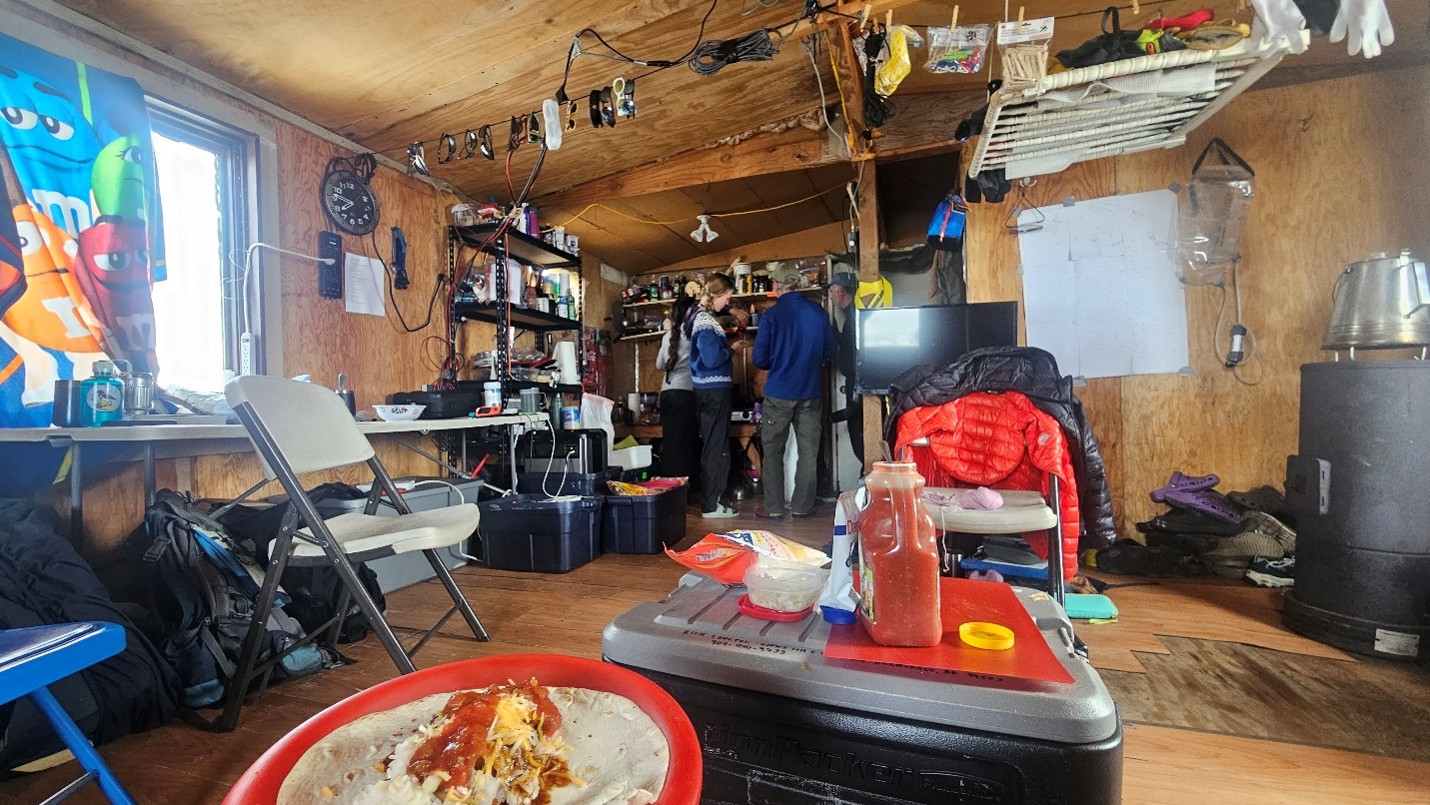
Jason Loghry, Field Surveyor I’ve been deployed to Camp Topagoruk for about ten days. Someone, maybe Gerrit Vyn, recently described the setting out here as a period of white, then brown, and finally green. The period of white was much longer than what we anticipated.
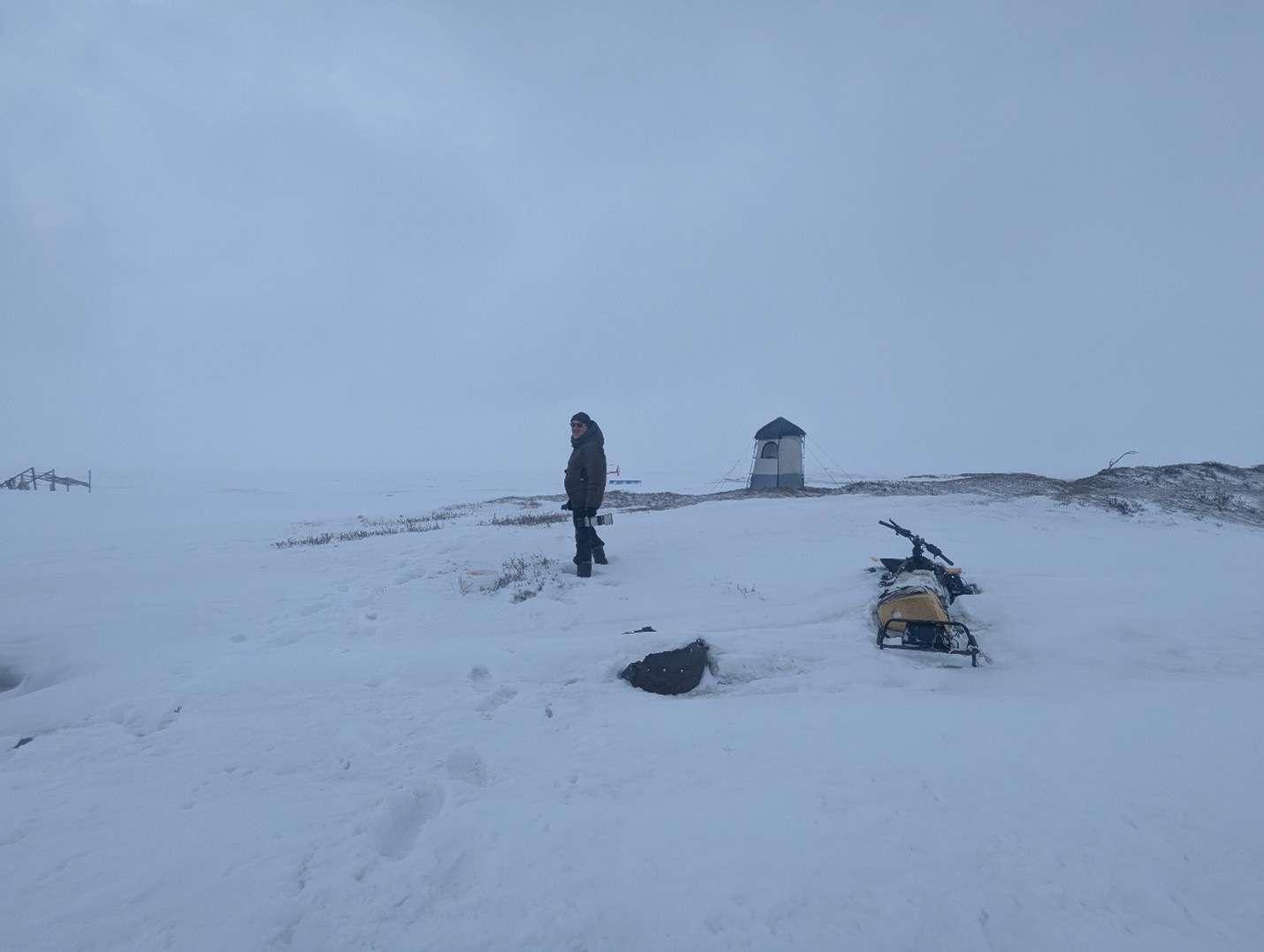
We seem to be about ten days too early. At this point, we’ve finally reached the brown period, but twenty-four hours in the Arctic is not the same as twenty-four hours elsewhere. The melting snow is quickly transforming the tundra into vast, very alive wetlands. From the sky, we see long winding icy rivers, frozen lakes blue, carved black cliffsides, long symmetrical lines of tundra, and an array of clustered polygons that scatter across a landscape that seems to go on forever. All caused by the seasonal freezing and thawing of water. On a good day’s work, we spend our time walking around icy but wet and forever-changing low-centered polygons, rapidly counting shorebirds and waterfowl, and recording behavior. Below our feet are sometimes spongy, colorful mosses and contrasting lichens that seem other-worldly. The serenades of nearby Yellow-billed Loons have been the soundtrack of the season. A surprise for me has been seeing and hearing more Bar-tailed Godwits than I expected across the NPRA, a shorebird species that spends the other parts of its life in New Zealand and refueling in the Yellow Sea of East Asia, on its way here. It’s amazing to think about how these shorebird species connect us. I keep seeing Long-billed Dowitchers and Black-bellied Plovers, thinking that they might have come from places I’ve surveyed in Texas. I have a few more days of surveys for Arctic PRISM, and I just got an In-Reach message from our pilot that “things are happening” out there today. Things are definitely happening. –
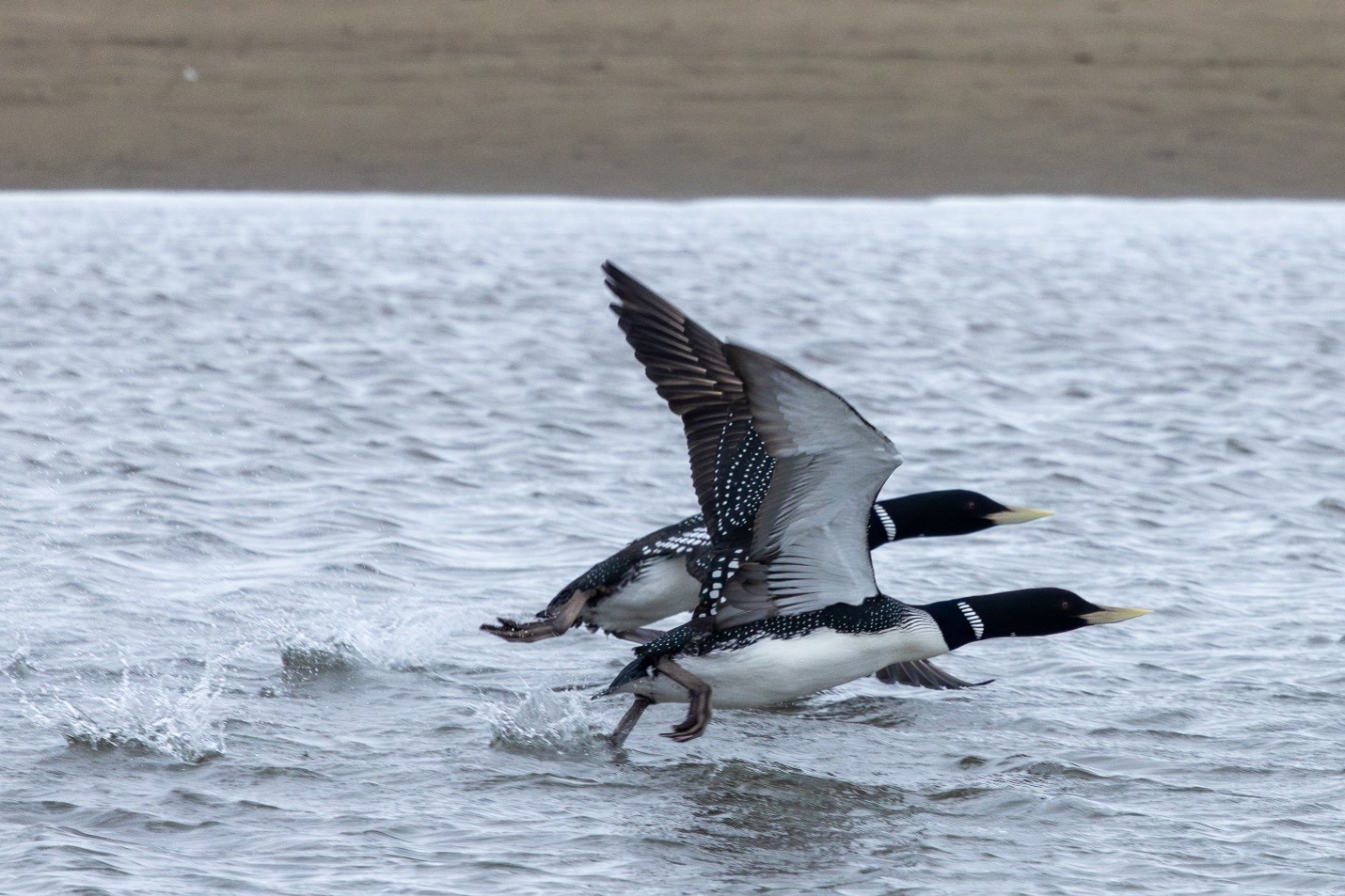
Shelby Tritthart, helicopter pilot I keep track of coordinates, plot numbers, fuel calculations, and wind direction, constantly recalculating everything in the back of my mind. I don’t know much about birds, but this crew’s hyper-focused obsession has made me pay attention. The Lapland longspur is a bird that barely earns a second glance from the biologists because they’ve seen countless numbers of them in the field. I spent an hour watching one through a borrowed pair of binoculars. They have a remarkable flight display. They climb into the wind to gain elevation then spread their wings and parachute back to the ground singing the entire time. Every species has its own unique aerial performance. It’s something a wannabe birder like myself can learn a lot from. Watching them I can’t help but relate it to flying helicopters. Keeping my nose into the wind slows me down and gives me lift. Tilting my rotor disk lets me descend more efficiently. Flying is a calculated math problem, but it’s also an art. I hope to one day fly with the same quiet intuition that birds seem to be born with.
Conclusion It’s a very late spring in the arctic, and we had to wait several days for more snowmelt before we could continue our surveys. The crew is very dedicated and working hard to carry out the surveys in these difficult conditions. We are grateful to support from the National Fish and Wildlife Foundation for this work, to the many donors to Manomet that provide critical support, and also to our colleagues at the Bureau of Land Management for all their support with project design and permitting. It takes a village to conduct these far flung surveys, so we can track recovery of these special birds.