


 Back to all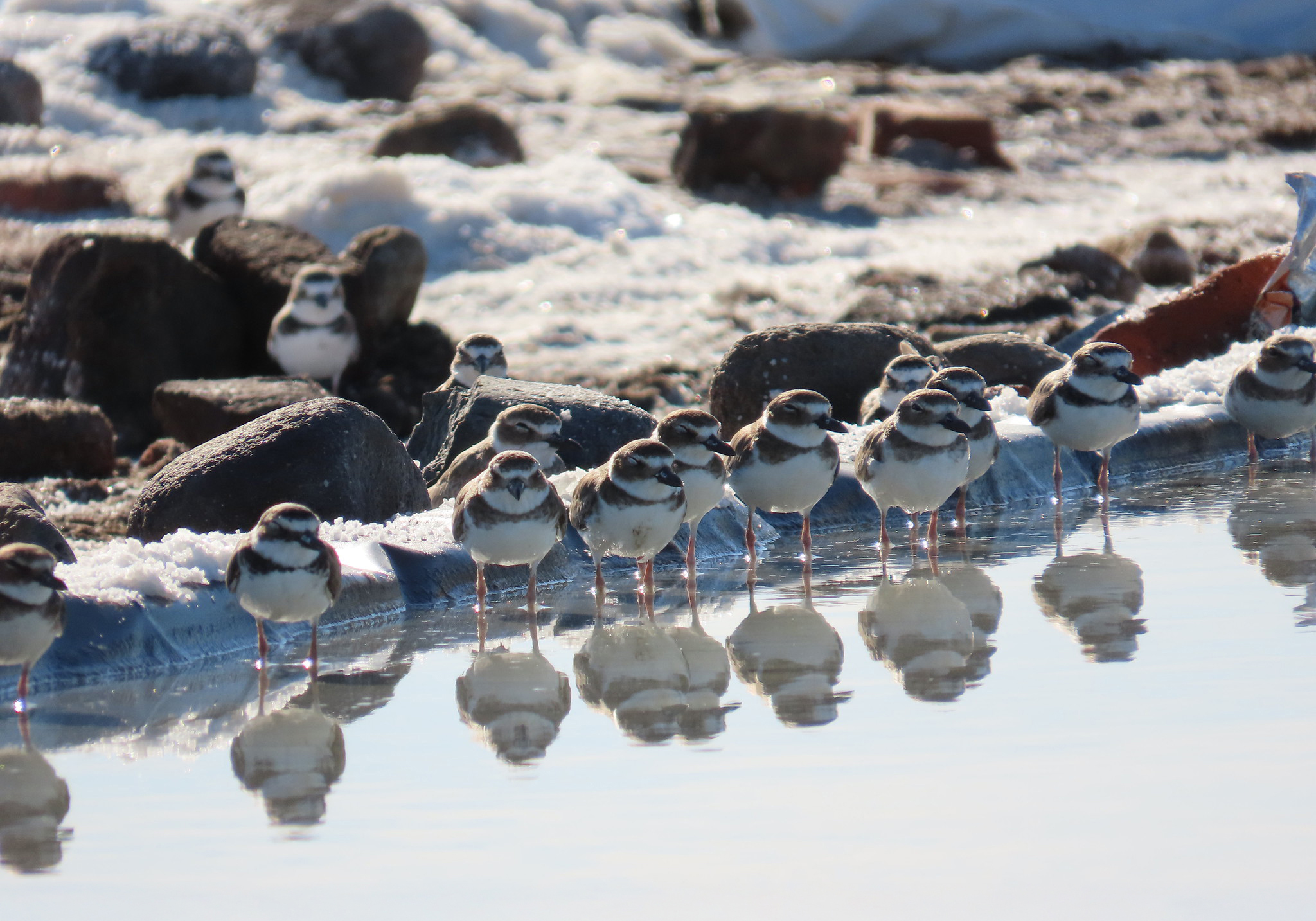

Julia Salazar
Salt and Shorebird Conservation Specialist
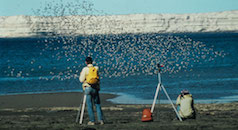
High-quality wildlife habitat can coexist with resource-based industries, and Manomet Conservation Sciences is supporting a powerful example in San Lorenzo Bay, Honduras. Artisanal salt producers here sweep shallow pans by hand across intertidal mudflats, sandy beaches, and remnant salt marshes that sustain tens of thousands of migratory shorebirds, including Western and Semipalmated Sandpipers, American Oystercatchers, Wilson’s Plovers, and Double-striped Thick-knees.
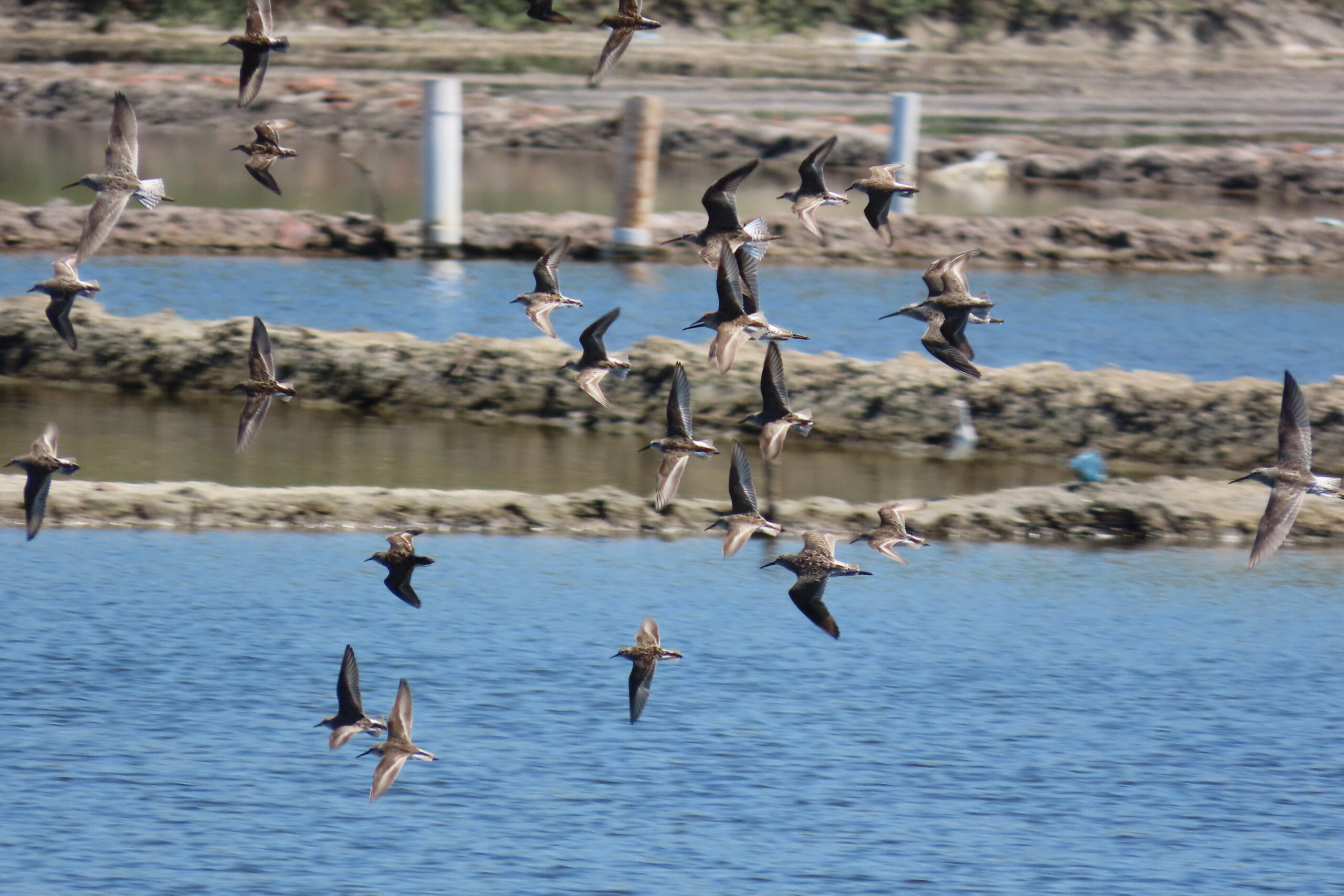
Artisanal solar salt production is increasingly threatened by the effects of climate change. Honduras is currently ranked as the third most climate-vulnerable country globally, while the Gulf of Fonseca, where San Lorenzo Bay is located, is ground zero for climate change impacts in Honduras. The resulting pressures decrease salt quality and production, and the availability of habitats for shorebirds of conservation concern. These changes in a centennial traditional activity result in increased poverty and emigration, declining shorebird populations, and the loss of an activity deeply rooted in the communities of this area.
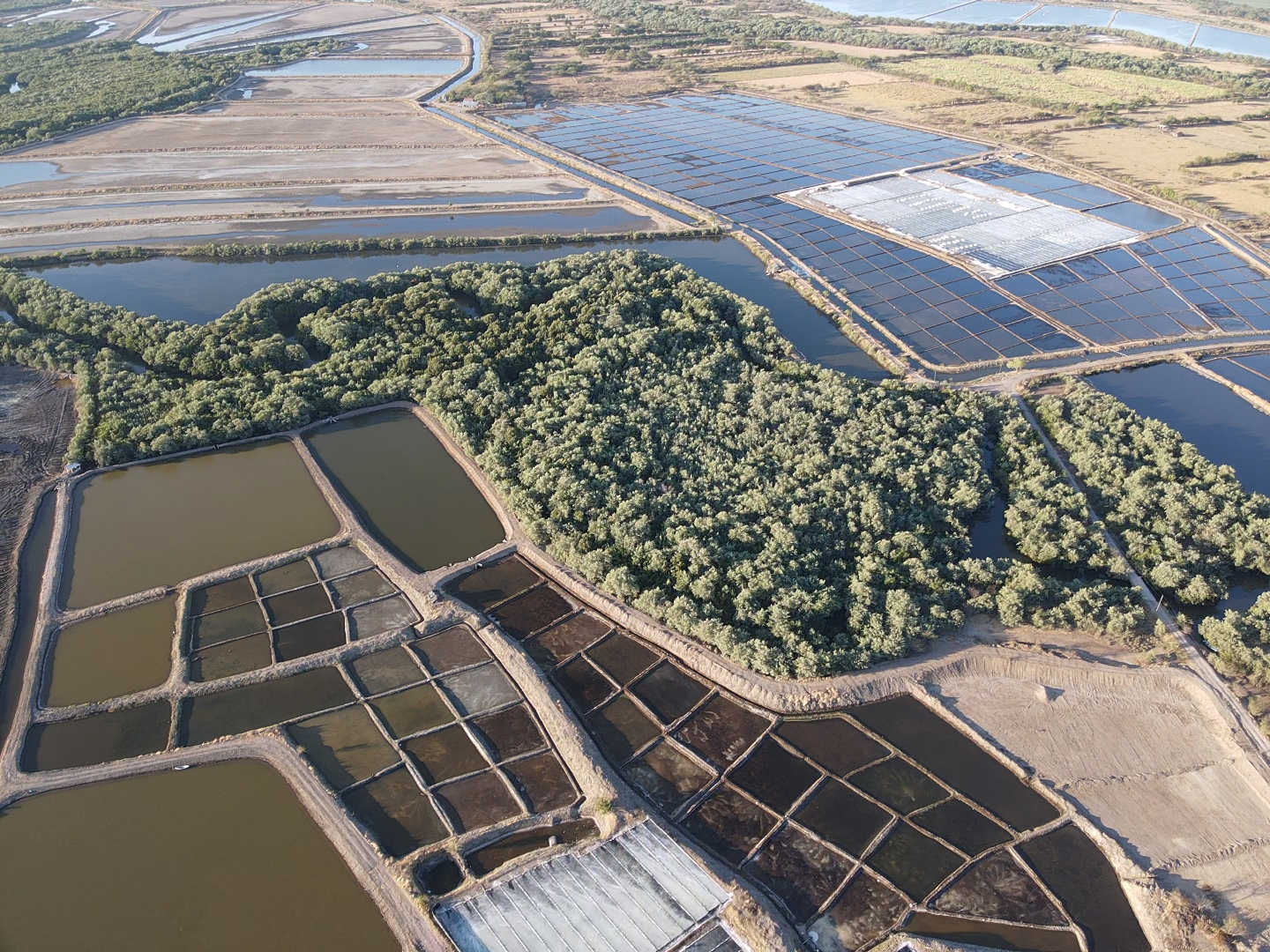
With support from the UK Government’s Darwin Initiative, Manomet Conservation Sciences is helping artisanal salt producers in San Lorenzo Bay, Gulf of Fonseca, adapt to climate change, while reducing poverty, promoting gender equity in a traditionally male-dominated sector, and protecting high-quality shorebird habitat.
This work rests on more than six years of trust-building and fieldwork alongside local producers: walking the farms, exchanging stories, monitoring shorebirds, and recognizing that these salt landscapes do much more than produce salt; they sustain livelihoods, cultures, and migratory birds.
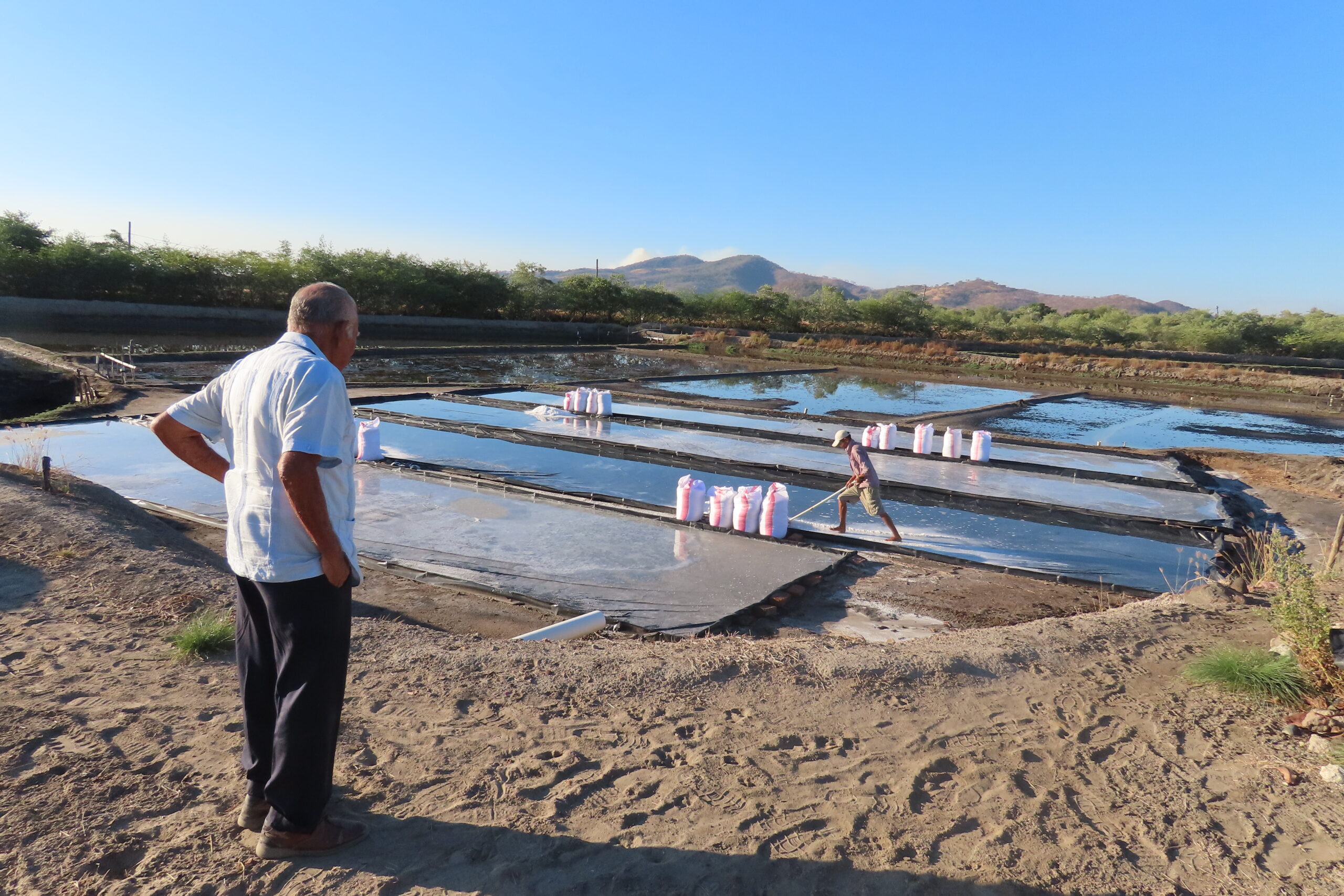
Our approach improves production resiliency to climate change by creating new salt ponds in areas initially reserved for that purpose, but that had not been developed due to economic struggles. The salt farm redesign enables producers to harvest more and higher-quality salt without clearing mangroves and mudflats, which are critical for shorebirds. We are also supporting the adaptation of salt farms to the impacts of climate change by protecting farms from storms and tidal surges. As production and quality of salt increase, more employment opportunities open, thus contributing to the reduction of local poverty by employing local labor. With the increase in salt, quality producers will receive training in marketing and branding salt and its associated products.
This initiative promotes gender equality in the salt-producing sector by empowering women producers to have an equal voice in decision-making and by highlighting their crucial contributions to production and conservation.
Six months into the farm redesigns, progress is visible:
- Ten pilot salt farms have been largely redesigned to increase efficiency while creating dedicated spaces where shorebirds can rest and feed during migration.
- Continued shorebird monitoring shows these changes are expanding and improving available habitat, science directly informing livelihood decisions.
- Producers report on increased local employment, greater preparedness for extreme weather, new complementary income ideas, and renewed confidence that this is an investment in their future.
- Women are becoming avid shorebird observers and guardians.
- Mangrove restoration and mudflat cleanups adjacent to salt farms are about to begin, signaling a shift from resource use to active recovery and protection.
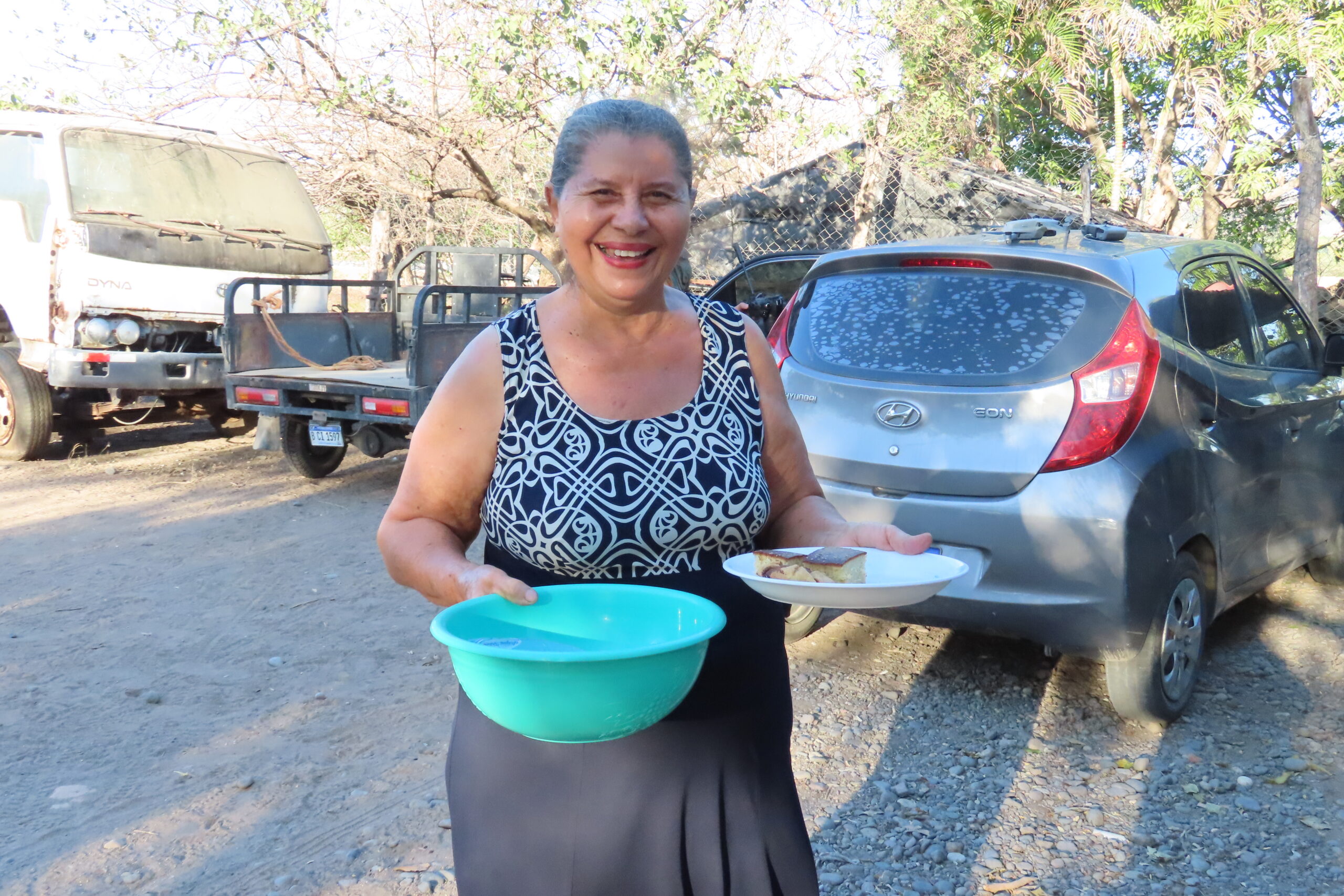
The farms are changing. So is the confidence of the people who work in them. The salt producers who have worked these flats for decades through years of hardship and climate shocks are now at the center of a different kind of story.
This pilot, funded by the UK Government through the Darwin Initiative, is transforming productive landscapes in southern Honduras and is beginning to expand to other geographies where artisanal salt production and shorebird conservation intersect.
