




 Back to all

Andrea Ferreira
Science Communications Manager
If You Were a Bird, What Would Your Courtship Style Be?
From love songs to dance-offs and great architectural skills, birds across the world have mastered many ways to win a mate. Which one fits you best?
Love Songs and Performance
Many birds use specific, intricate mating songs to catch a partner’s attention. In some cases, it’s mainly the males who sing, while in others, both potential mates join in a romantic duet. Singing can also double as a territorial signal, warning rivals to keep their distance.
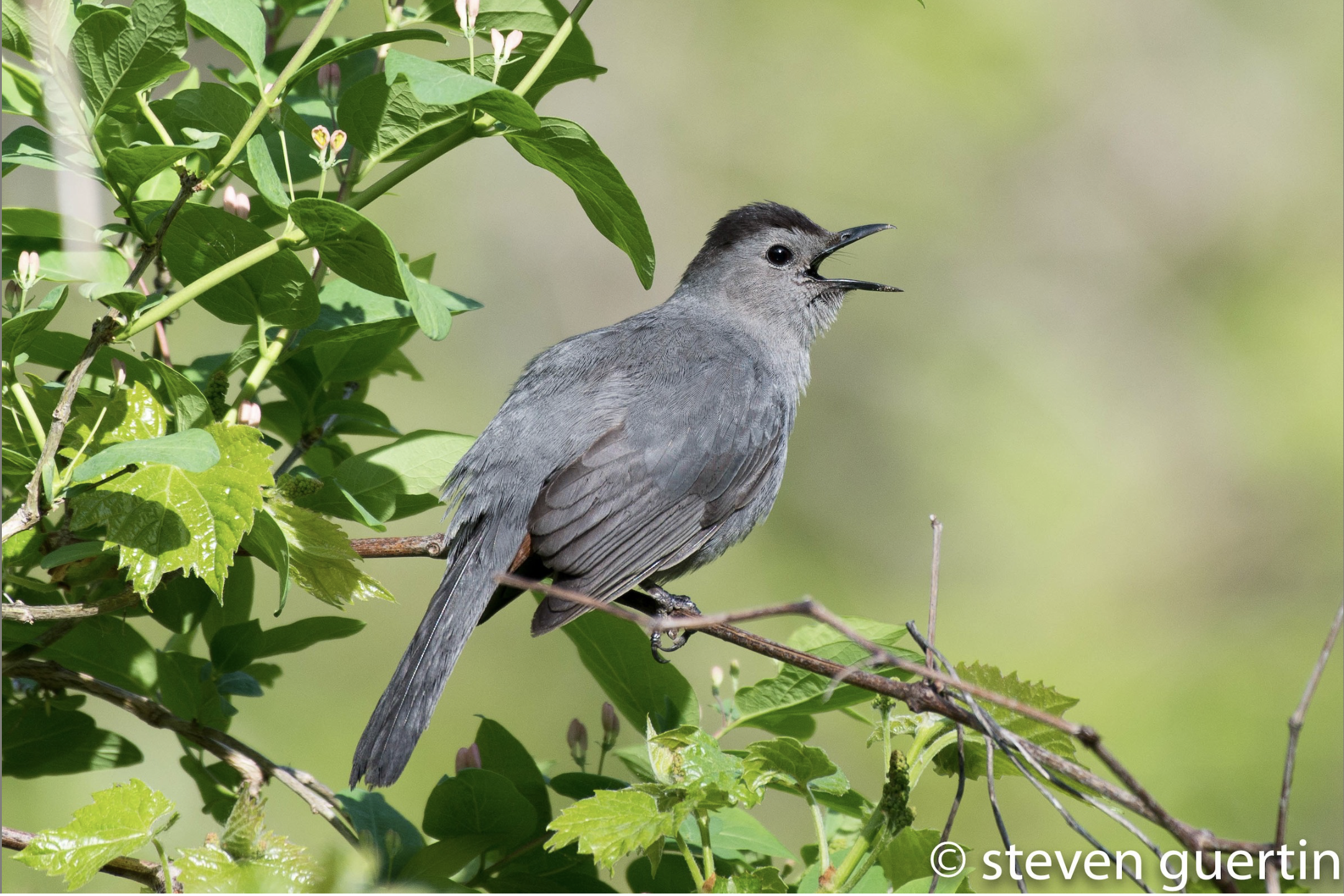
For Gray Catbirds, romance is part concert, part dance, and part visual show. Males lean into their signature vocalizations, filling the air with rich, varied songs and mimicry. But it’s not just about the sound. They pair their music with confident body language – feathers fluffed, tails fanned, and plenty of bold posturing. Some males even turn away briefly to flash the warm chestnut patch beneath the tail as a final flourish.
The Route to Someone’s Heart Is Through Their Stomach
Gifting and Feeding
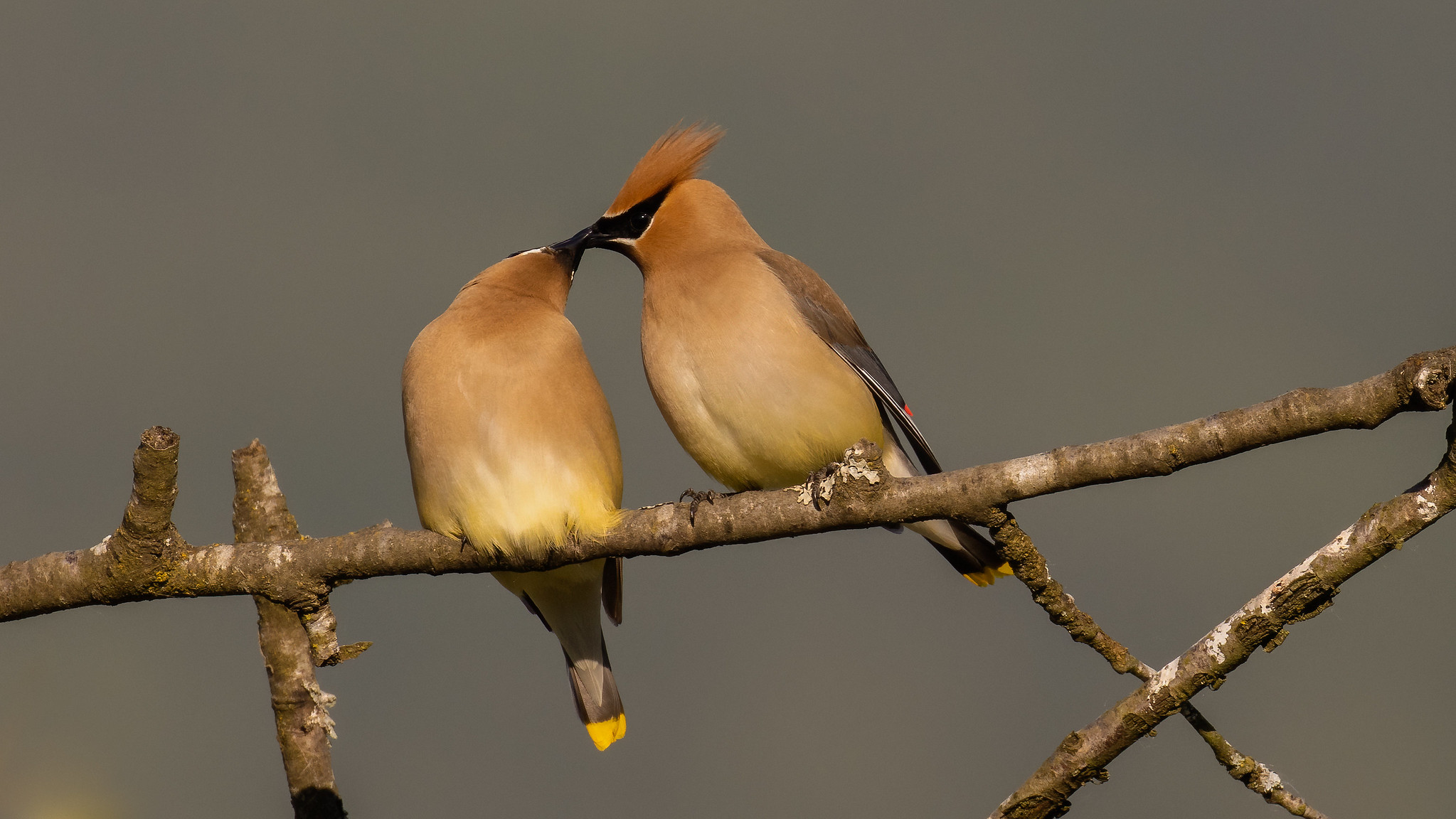
Romance also comes with snacks. Offering food is a common courtship behavior. A male may bring a berry, seed, or insect to a female, demonstrating that he is skilled at finding food and willing to share it.
This behavior shows that he may be able to help provide while she incubates eggs or cares for chicks. In some species, such as Cedar Waxwings and Northern Cardinals, the male places the berries or seeds directly into her mouth, much like he would later feed nestlings.
Astonishing Displays to Conquer
Plumage and display
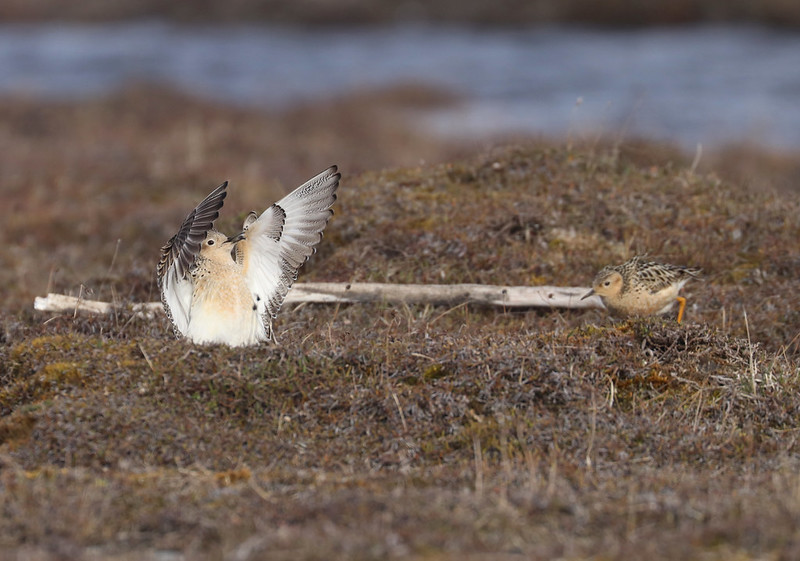
A great variety of species have sexual dimorphism. Males display vibrant plumage to attract mates, often adopting a breeding plumage for the season. Bright feathers, a raised crest, or a puffed-up chest can express “I’m strong and healthy.” Performances may be included in the experience. In some species, males perform while females watch before making a decision. In others (like ducks and grebes), both birds display together. If the male is unsure or the dance looks messy, the female will move on.
Buff-breasted Sandpipers put on a talent show. They’re one of the only shorebirds that form leks: display grounds where males compete, and females roam and choose. A male starts by lifting one wing to flash a bright white patch. If a female comes closer, he raises both wings, puffs his chest, and stands tall.
Calm Enough to Just Be Together
Mutual preening
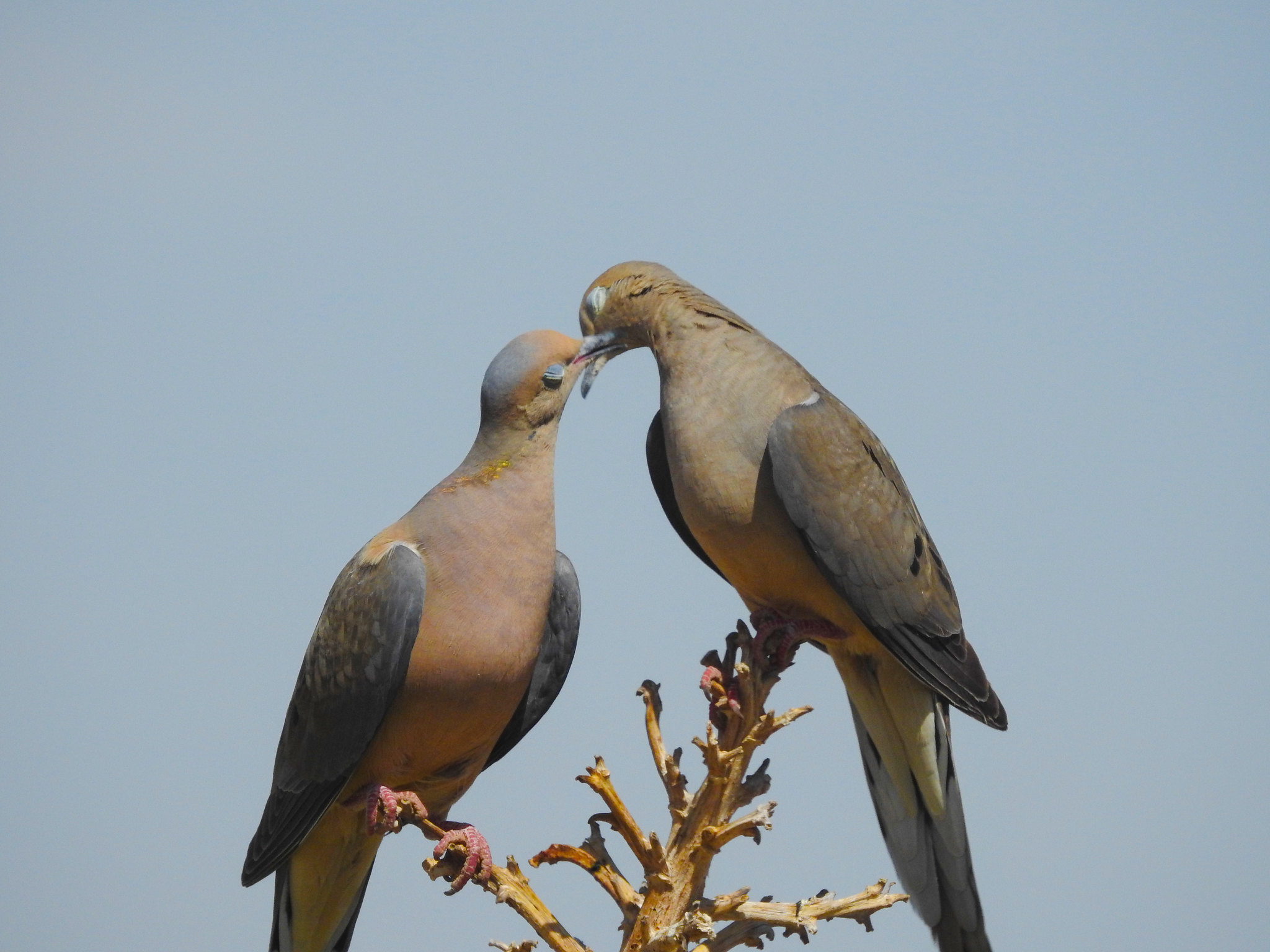
Pairs can strengthen their bond through allopreening, the gentle grooming of each other’s feathers. This behavior helps remove parasites and maintain plumage. When sharing such a small area, it helps both possible mates stay composed and resist the urge to fight or flee.
Mourning Doves are often seen preening one another during the breeding season, quietly maintaining their connection through touch. It’s less “look at me” and more “stay with me.”
Showing Off Craftsmanship
By constructing nests before a female arrives, males can claim territory and demonstrate that they can defend suitable nesting sites. Many also decorate their nests with moss, pebbles, flowers, feathers, or even bits of litter to make them more eye-catching.
Females may inspect several nests, evaluating strength, placement, and craftsmanship before choosing. Even after mating, she may continue modifying the structure herself. Sound familiar?
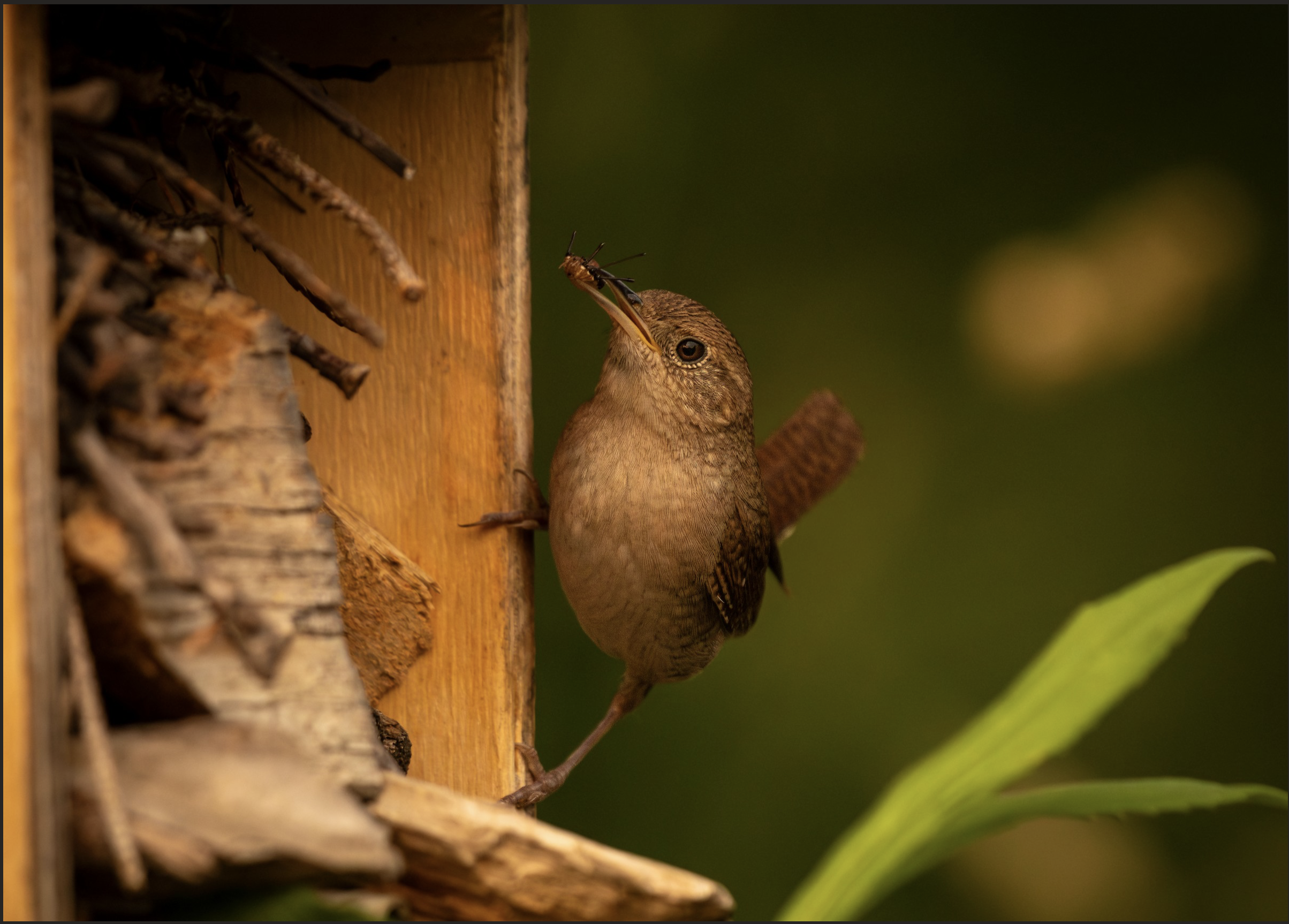
Northern House Wrens, for example, often build multiple “starter homes” filled with sticks. When a female arrives, the male leads her from cavity to cavity while she inspects each one. If she approves, she begins construction, confirming their bond for the season.
Blue-gray Gnatcatchers, meanwhile, create tiny, elegant nests bound with spider silk and camouflaged with lichens. For these birds, love is built—literally.
Birds show us that there is no single “right” way to fall in love.