



 Back to all

Jeisson Zamudio
Pacific South America Coordinator
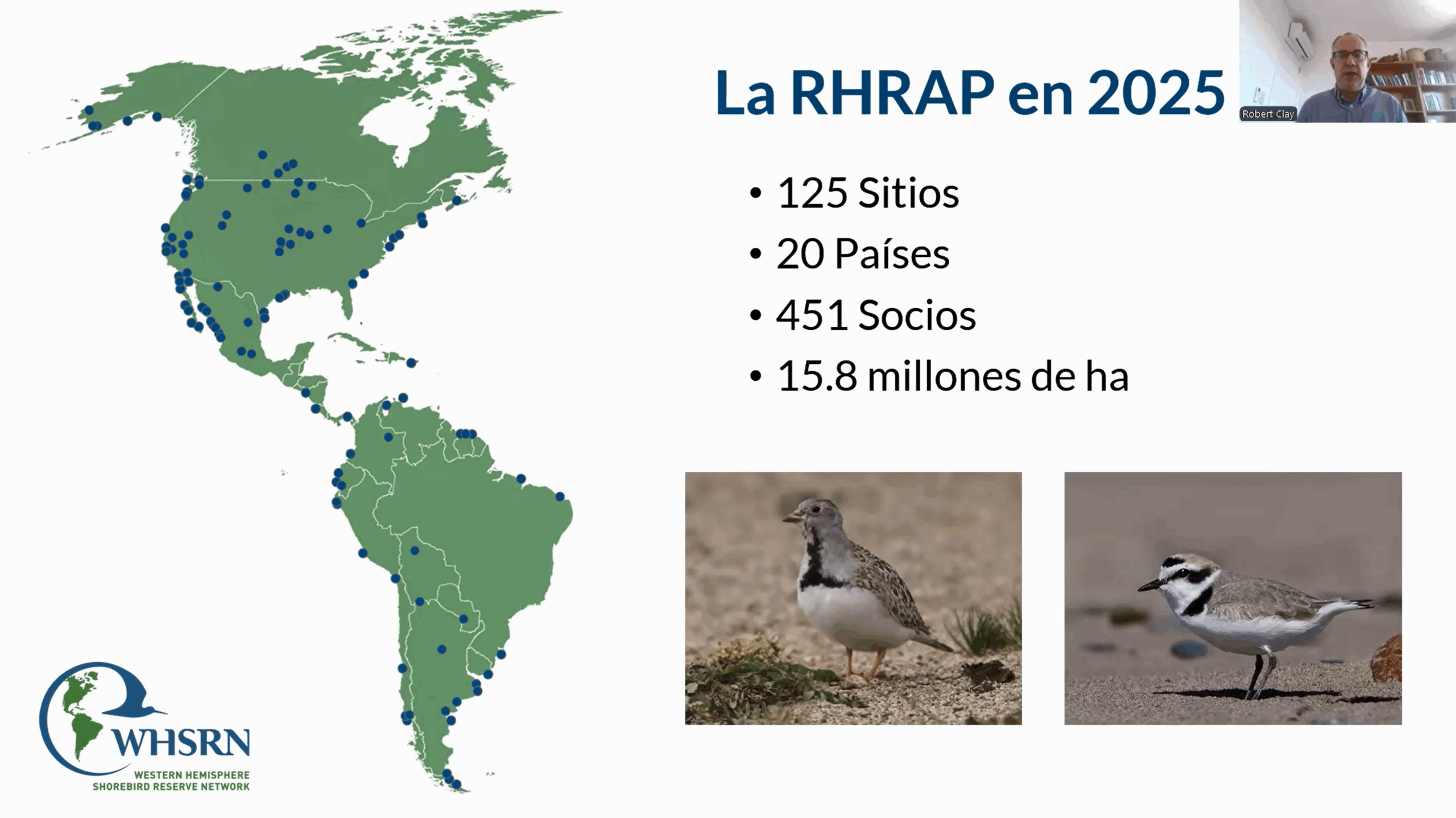
Interest in shorebirds is growing across Latin America—and fast. After the overwhelming response to the 2024 Introductory Training Program for Shorebird Conservation on the Pacific Americas Flyway, it became clear that communities wanted deeper, broader opportunities to learn. With support from Manomet’s Leddy Awards (internal awards given to staff members for their work on sustainability, named in honor of former President Linda E. Leddy), we expanded the effort beyond the Pacific and into a truly hemispheric initiative: the Western Hemisphere Shorebird Reserve Network (WHSRN) Introductory Training Program for Shorebird Conservation in Latin America.
Offered in both Spanish and Portuguese, these training programs are fundamental to shorebird conservation at the site level. They help communities find answers to the challenges and problems of the ecosystems they share with shorebirds and enable them to align their interests with shorebird conservation.
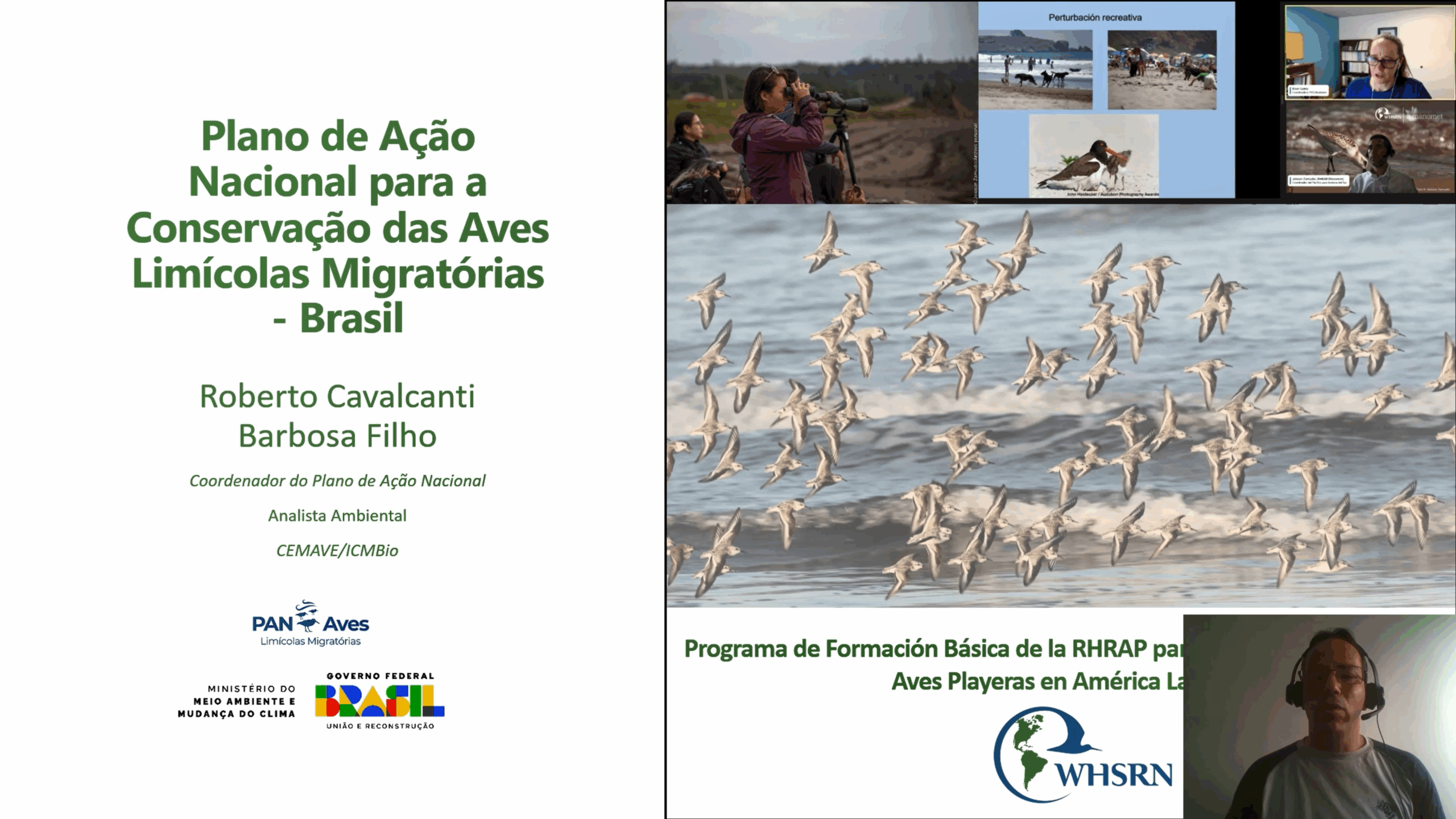
When we opened the call for applications, we never imagined that more than 1,100 people from 20 countries would apply within a single week. Applicants represented all ages, educational backgrounds, and economic sectors. In the end, we were able to accept just over 600 participants and we’re proud to share that 389 completed the program, meeting all requirements to earn their certification.
Throughout the course, participants explored the taxonomy, biology, and ecology of shorebirds, with a strong focus on threats and the conservation actions required to protect them. The curriculum covered topics such as disturbances affecting shorebirds, conservation planning tools, education, community engagement, governance, monitoring, and ecosystem services. All content was delivered through the WHSRN Virtual Campus, a set of 12 modules complemented by recorded lectures from WHSRN partners, whose expertise was essential to the program’s success.
The WHSRN Basic Training Program has just concluded, and we are now analyzing the data that will give us a clearer picture of its overall impact. Our initial impressions point to very positive outcomes, clear evidence that this is an initiative worth continuing. We hope to open a new call for applications in 2026, because Latin America wants to know more about shorebirds, and shorebirds need all the support they can get, from Latin America and beyond.
The Western Hemisphere Shorebird Reserve Network (WHSRN) is a conservation partnership dedicated to protecting key sites across the Americas that are essential to the survival of migratory shorebirds.