

 Back to all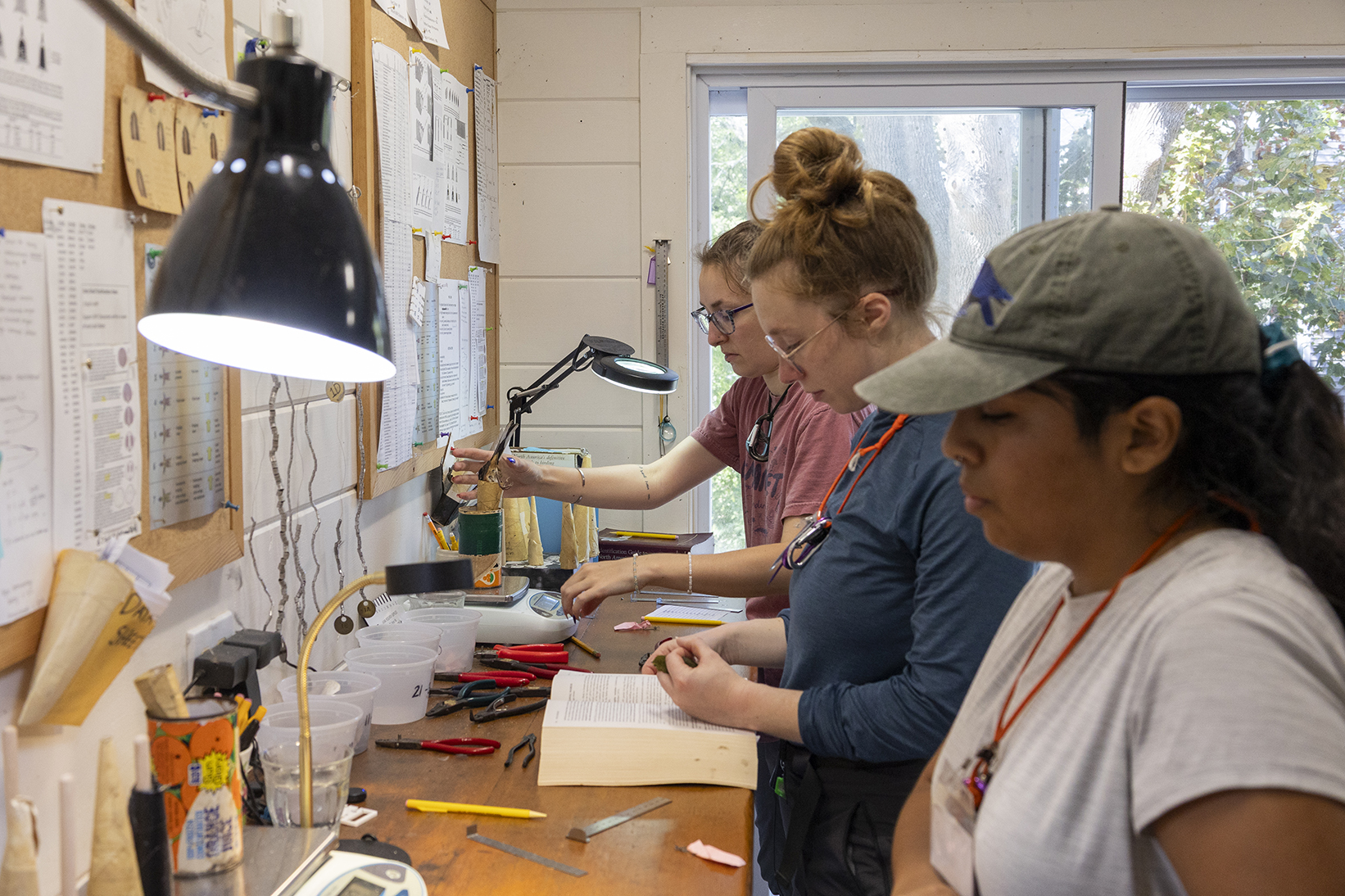
Another banding season is in the books! This fall marked an extraordinary milestone: the 60th year of bird banding and the 57th consecutive season of migration monitoring at the Trevor Lloyd-Evans Banding Lab. Thanks to sustained donor support, the lab continues to be a place where long-term science, education, and inspiration come together. This season, we welcomed a record number of visitors while continuing our core work monitoring the resident and migratory birds that depend on the Manomet property each fall.
Warm Weather Turns Windy
As in recent years, the season began with warm conditions before shifting to periods of fierce north winds. Although northern tailwinds help blow migrating birds south and ensure decent turnover of new birds, when the winds are too strong, our nets move significantly, lowering capture rates and increasing the risk of bird injury. Thus, we close our nets in the face of significant winds.
Birds by the Numbers
Despite frequent closures due to the winds, the team collected 2,025 (what a coincidence!) banding records from 1,379 individual birds. Of these, 1,324 birds came through the lab for the first time and got fresh USGS bands, which allow us to identify recaptured or recovered birds in future encounters.
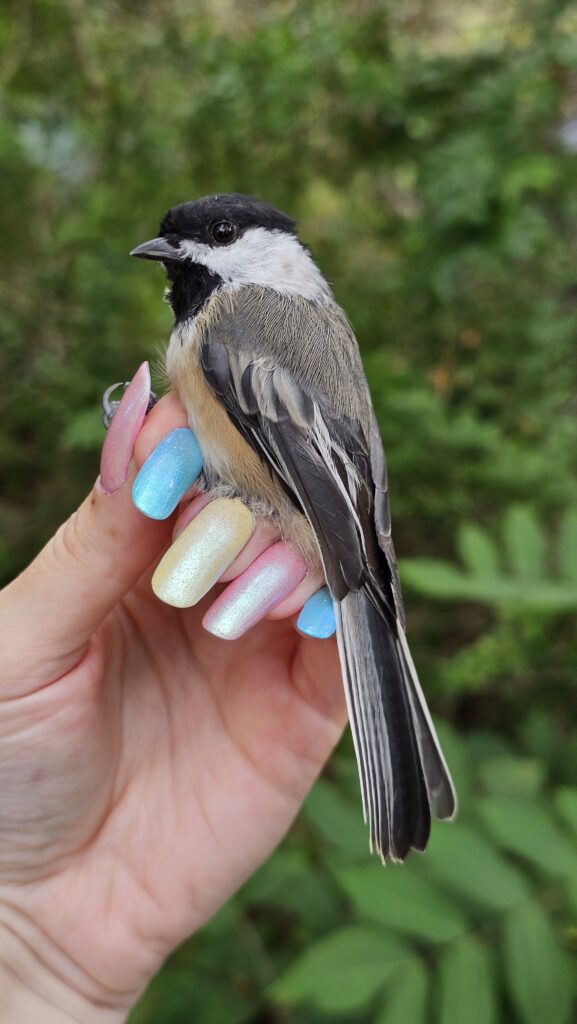
In total, 63 species were banded this fall—the second-lowest total of the past decade, reflecting reduced sampling effort due to wind. Some species, including Veery, Blue-headed Vireo, and American Goldfinch, were notably absent, while several resident species, including Black-capped Chickadee, Tufted Titmouse, Northern Cardinal, and Brown Creeper, appeared in below-average numbers. There were bright spots as well: Gray Catbirds (631) and White-throated Sparrows (124) were recorded in numbers well above their ten-year averages.
Captures of Note
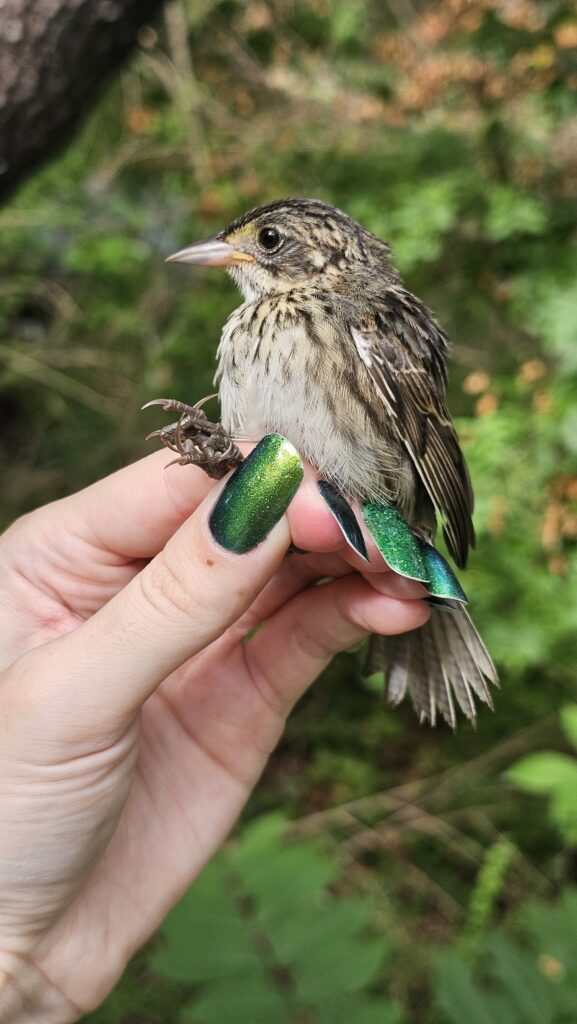
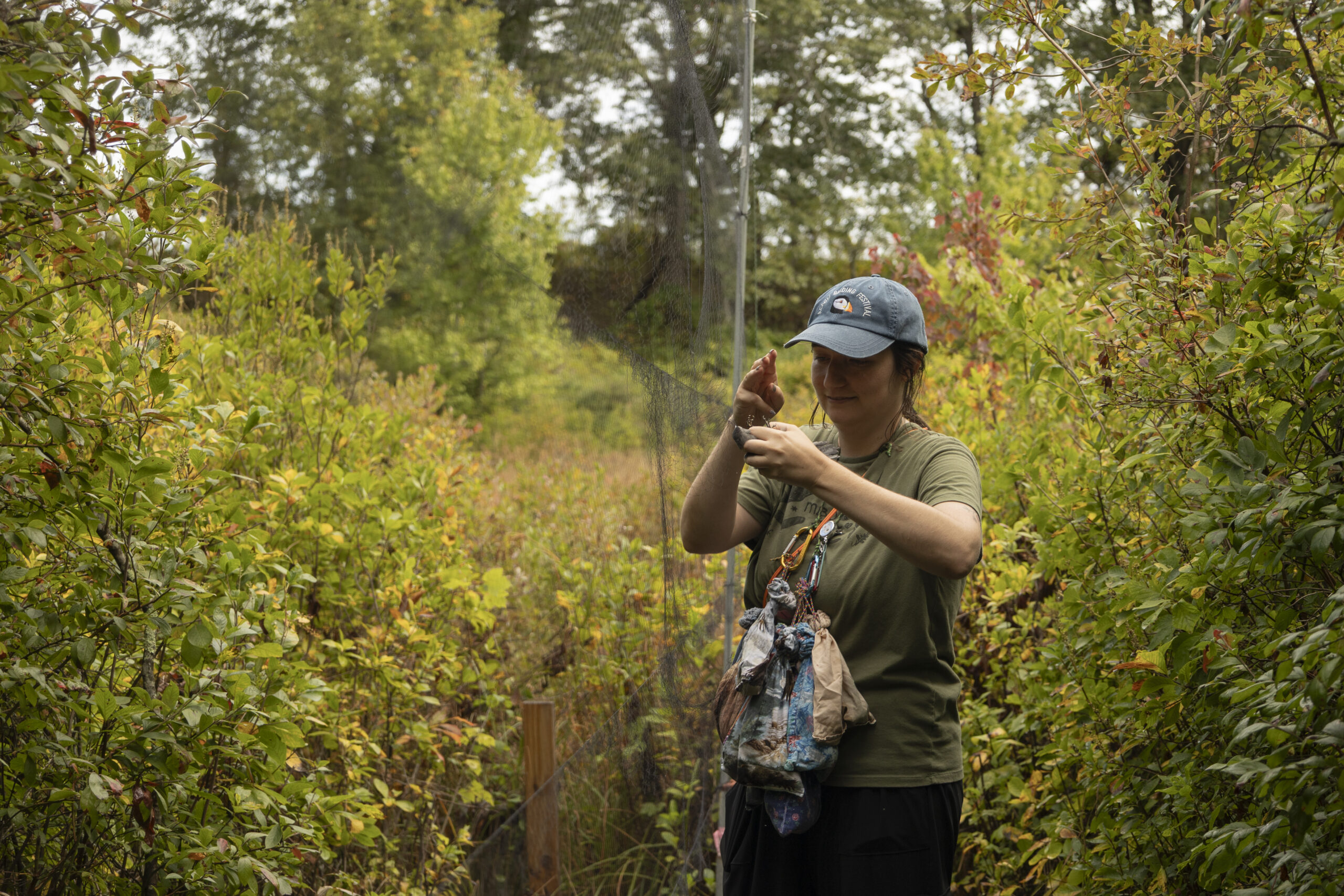
The season included several memorable highlights. A very young Black-billed Cuckoo, identifiable by its scaly juvenile feather fringes, marked the first fall capture of this species at the lab since 2011. A Seaside Sparrow—one of only 19 ever banded here and the first since 2005—was perhaps the rarest capture of the season.
Recaptures also tell powerful stories over time. This fall, we documented a pair of Black-capped Chickadees aged at least five years old, along with a Winter Wren originally banded in 2023—this cryptic species often eludes our nets and sometimes flies right through them!
Visitors and the Next Generation
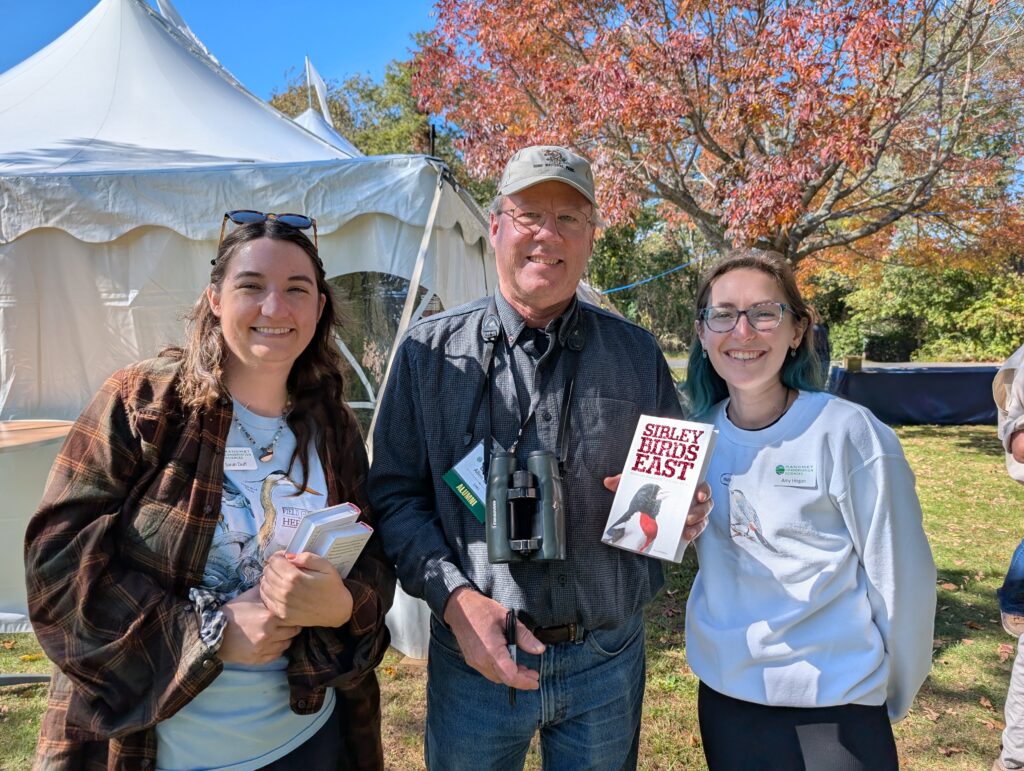
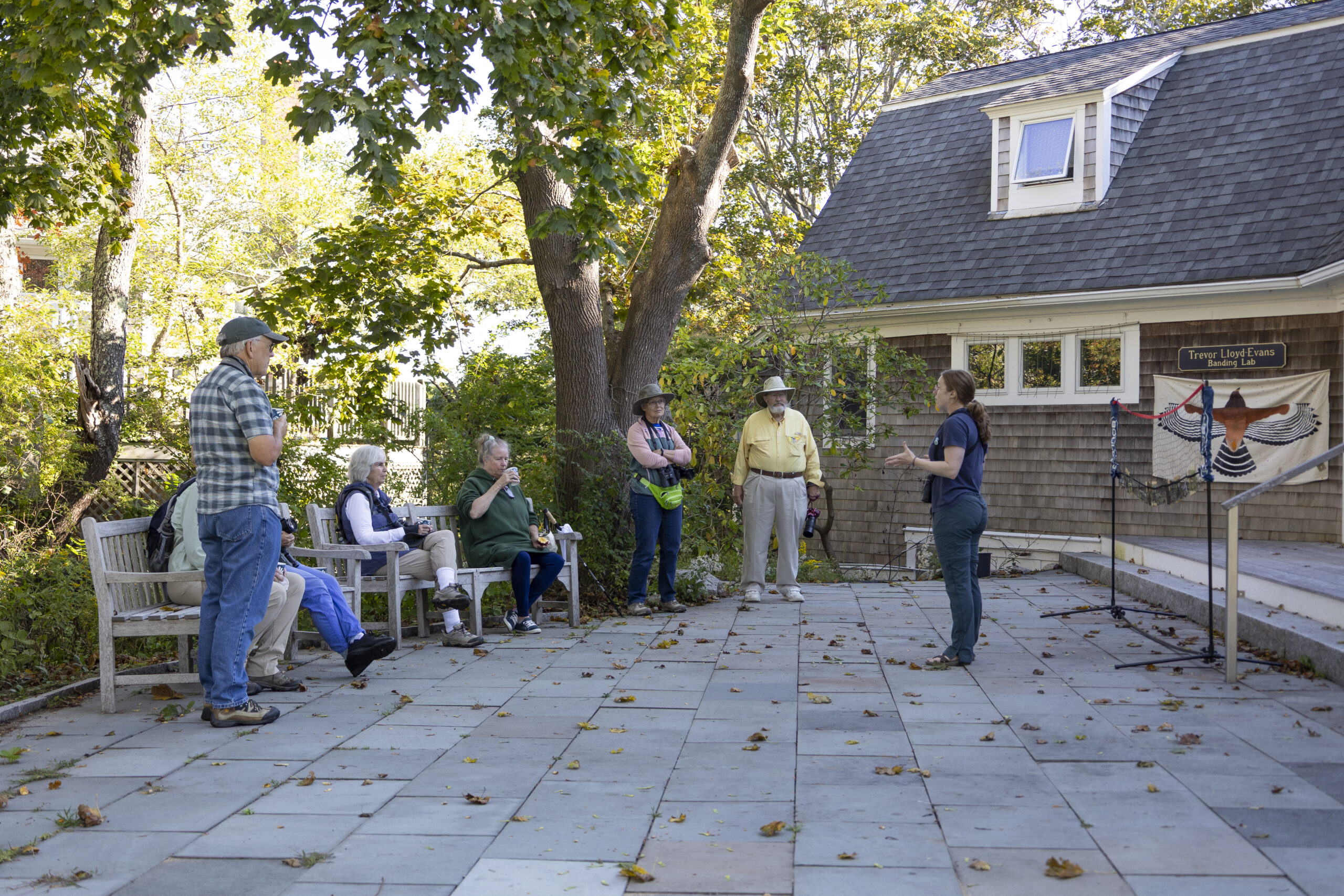
One of the greatest legacies of the Trevor Lloyd-Evans Banding Lab is the people it has shaped. This fall, we hosted our second-ever alumni reunion, welcoming nearly 50 former Manomet interns and staff members back to campus for bird walks, presentations, and shared reflection—an inspiring reminder of how decades of investment in people ripple outward.
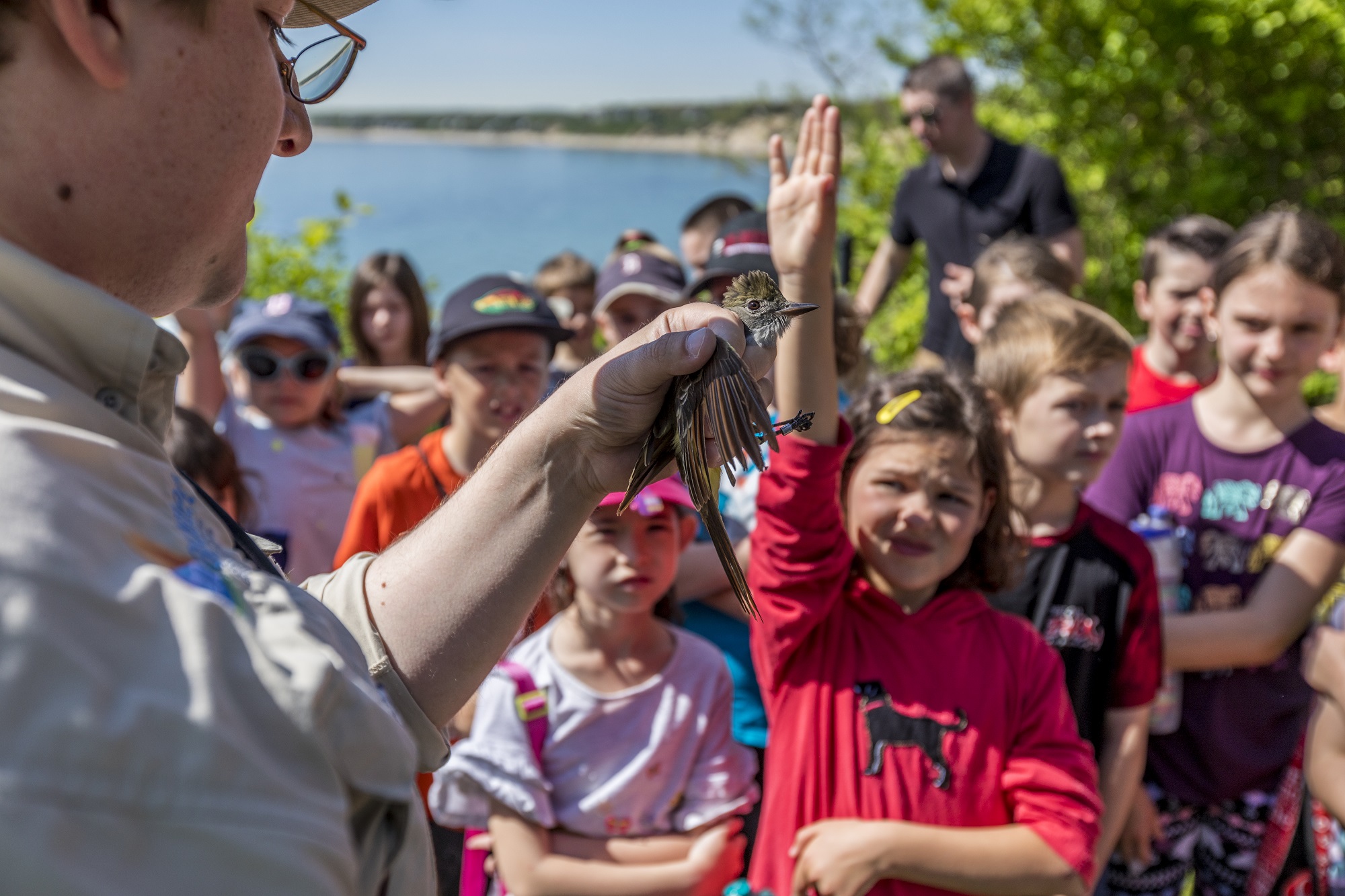
Beyond alumni, we had over 650 visitors to our banding lab for hands-on educational and experiential programming – all designed to help encourage a new generation of enthusiastic naturalists with a connection to the environment. In addition to our K-12 education programs, we also hosted our fourth Ornithology Careers Institute in late August. This program provides training and professional development, and ornithological training opportunities for early-career professionals and students from Latin America. Over the course of a week, this year’s participants banded birds, learned about local conservation initiatives, and built lasting professional connections with Manomet staff and peers.
Why It Matters
For six decades, the Trevor Lloyd-Evans Banding Lab has generated critical data, trained future conservation leaders, and fostered a deep connection between people and birds. This work is only possible because of supporters who believe in the power of long-term science, education, and mentorship. With continued investment, the banding lab will remain a cornerstone of bird conservation and learning for generations to come.
Thank you!
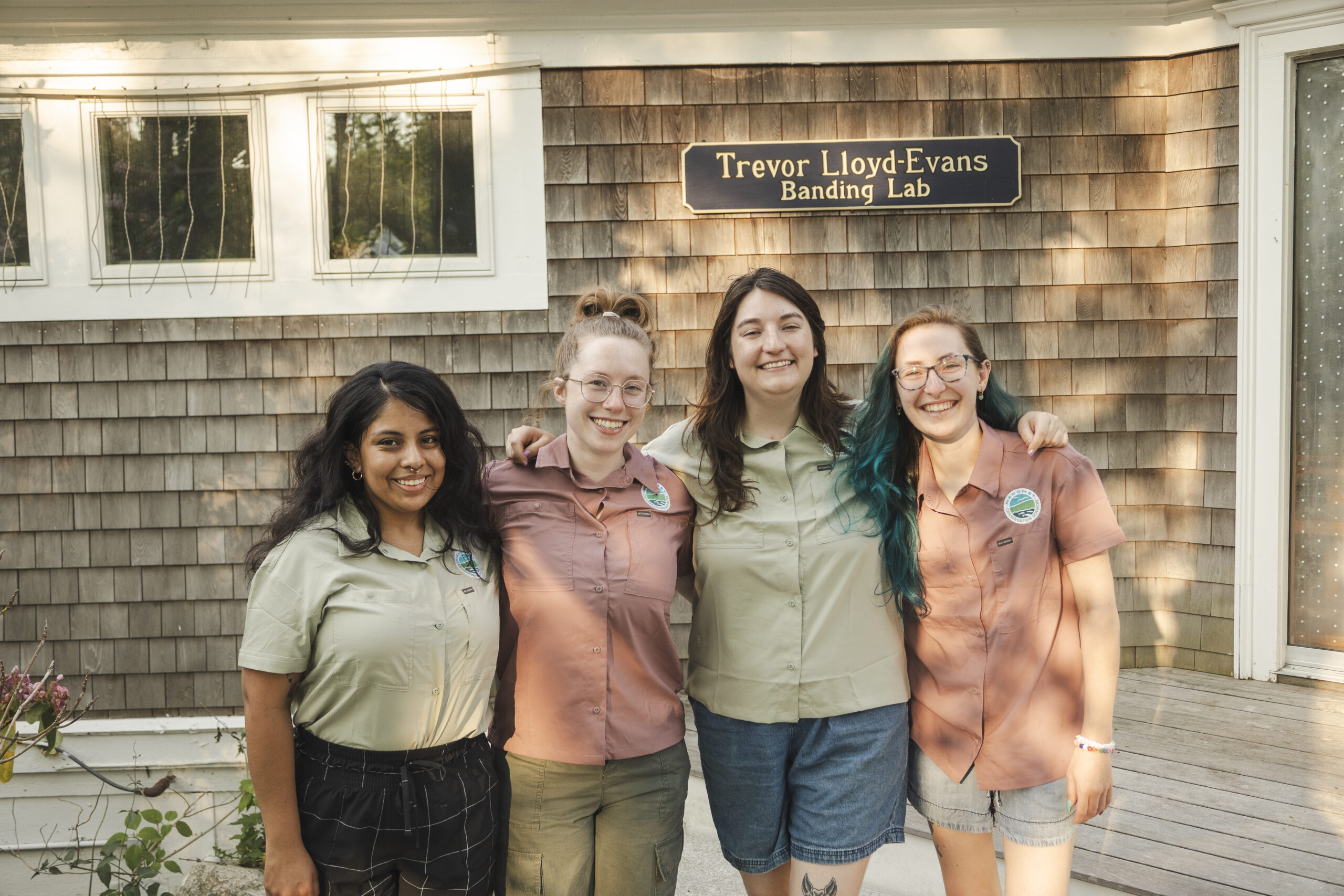
Our banding team included interns Michelle Winfield and Grace Whitten and was led by Sarah Duff and Amy Hogan. We would like to thank the countless donors and supporters of our work over the years, and we look forward to a fruitful winter, the return of northbound songbirds, and the opening of nets to capture them.