


 Back to all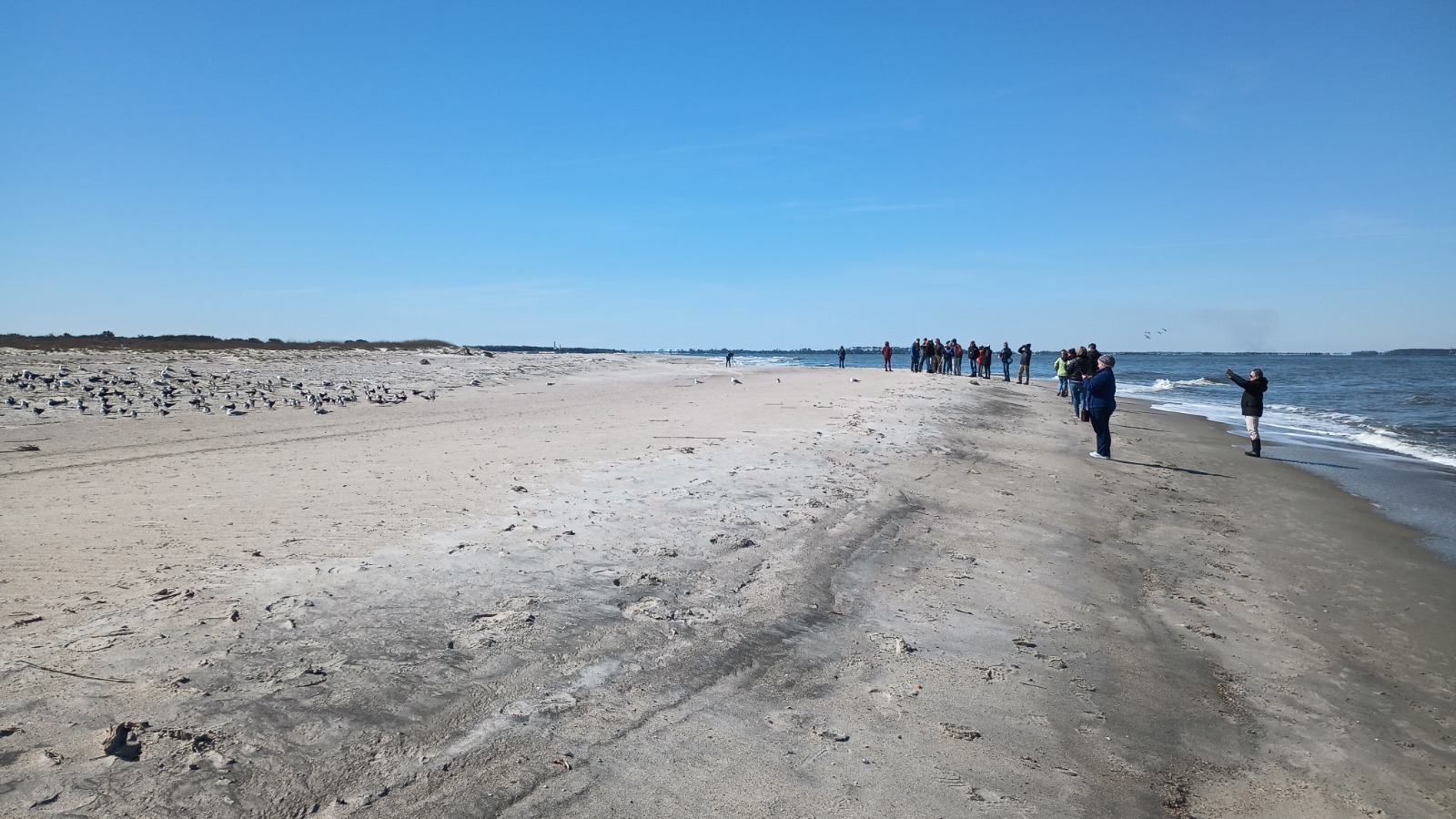
February 19–21, 2026
Each spring, Tybee Island becomes a vital stop along one of the greatest wildlife migrations on Earth. Shorebirds arrive from across the hemisphere to rest, refuel, and raise their young on Georgia’s coast. These birds are our neighbors, sharing the same beaches we love. Some birds travel 5 to 6 days without stopping to eat or rest, constantly flapping their little wings, and even temporarily shrinking parts of their bodies that aren’t needed for flight so they can stay light enough to make the journey.
Sponsored by the City of Tybee Island’s Nonprofit Grant Program and hosted by Tybee Island Marine Science Center and Manomet Conservation Sciences, the Tybee Spring Shorebird Festival invites the community to celebrate the start of migration and learn how to be good friends to the shorebirds who call this coastline home.
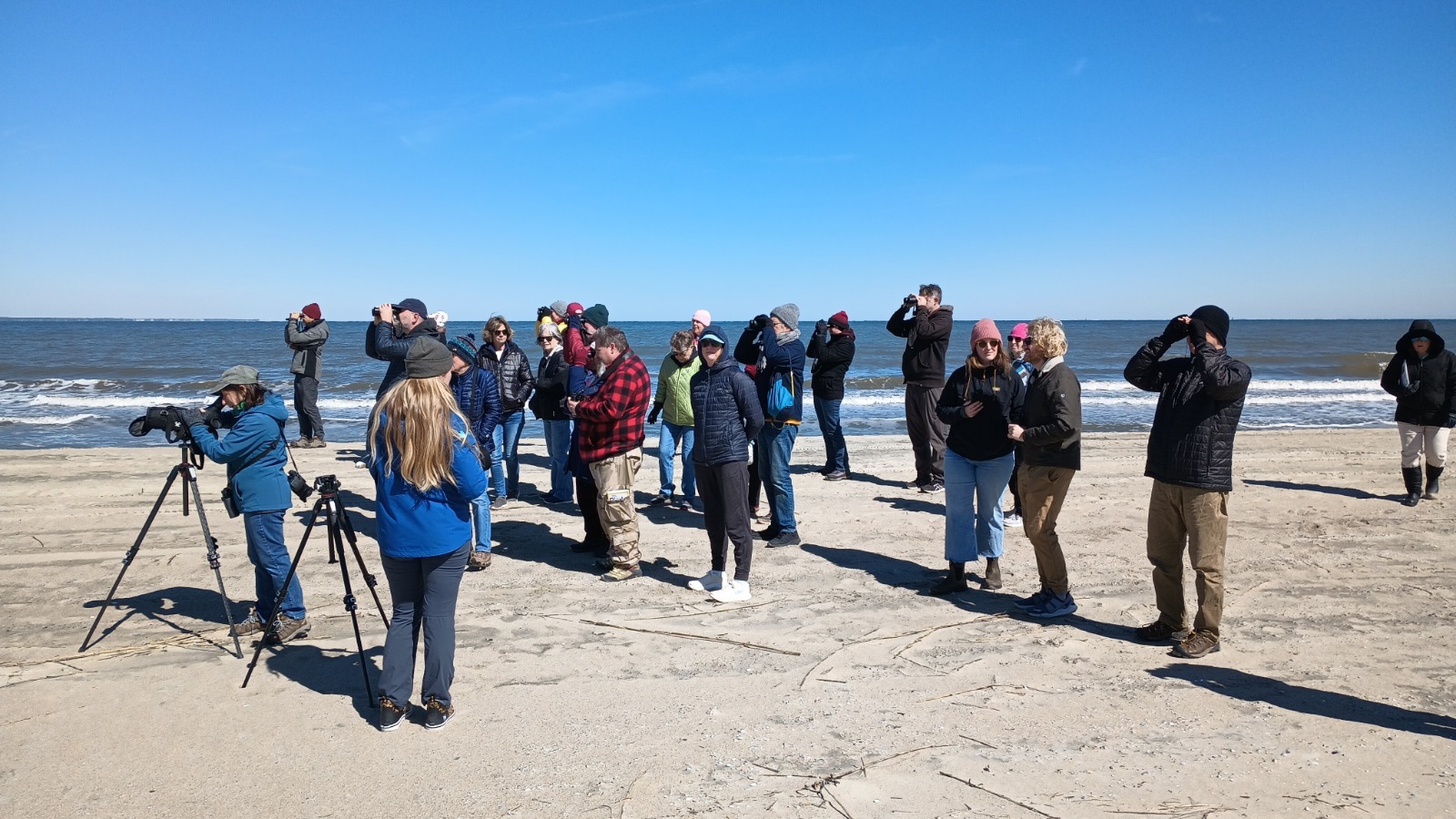
Tybee and its surrounding areas are incredibly important for shorebirds all year long. Each winter, our beaches provide critical habitat for Piping Plovers and dozens of other shorebird species that migrate here to escape harsh northern winters. As spring approaches, those wintering birds are joined by even larger waves of migrants moving north along the Atlantic Flyway. For a few months, Georgia’s coast becomes one of the busiest shorebird highways in the world.
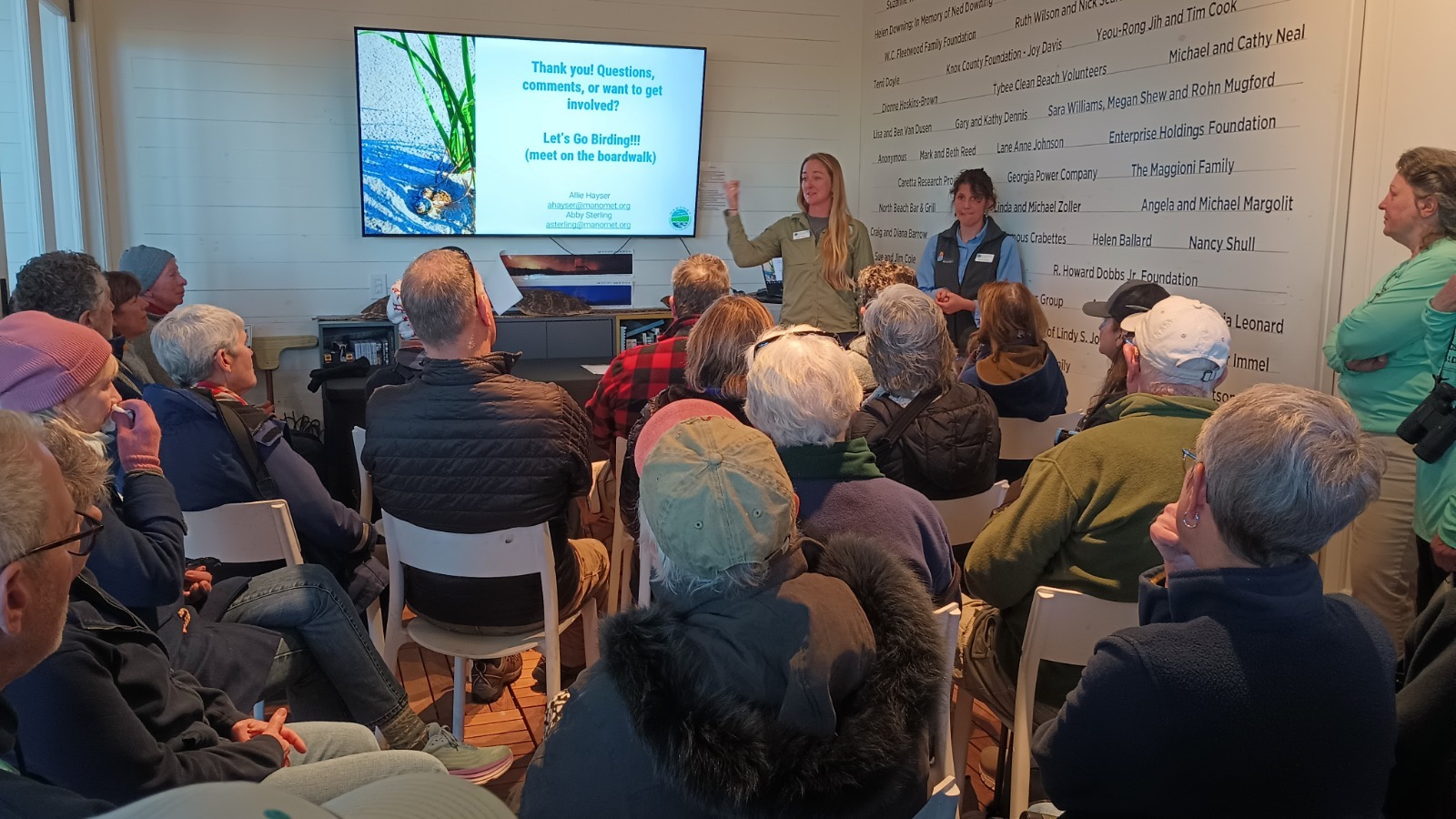
Through guided beach walks, community-based training, a virtual trivia night, a film premiere, and a family-friendly festival on Saturday, attendees will learn how to play a real role in shorebird conservation and make a difference in their communities.
Shorebirds travel incredible distances, many crossing entire continents. These migrations connect ecosystems across the hemisphere and play a key role in maintaining ecological balance. Georgia’s beaches support hundreds of thousands of shorebirds each year, yet more than half of North American shorebird species have declined by over 50 percent since 1980.
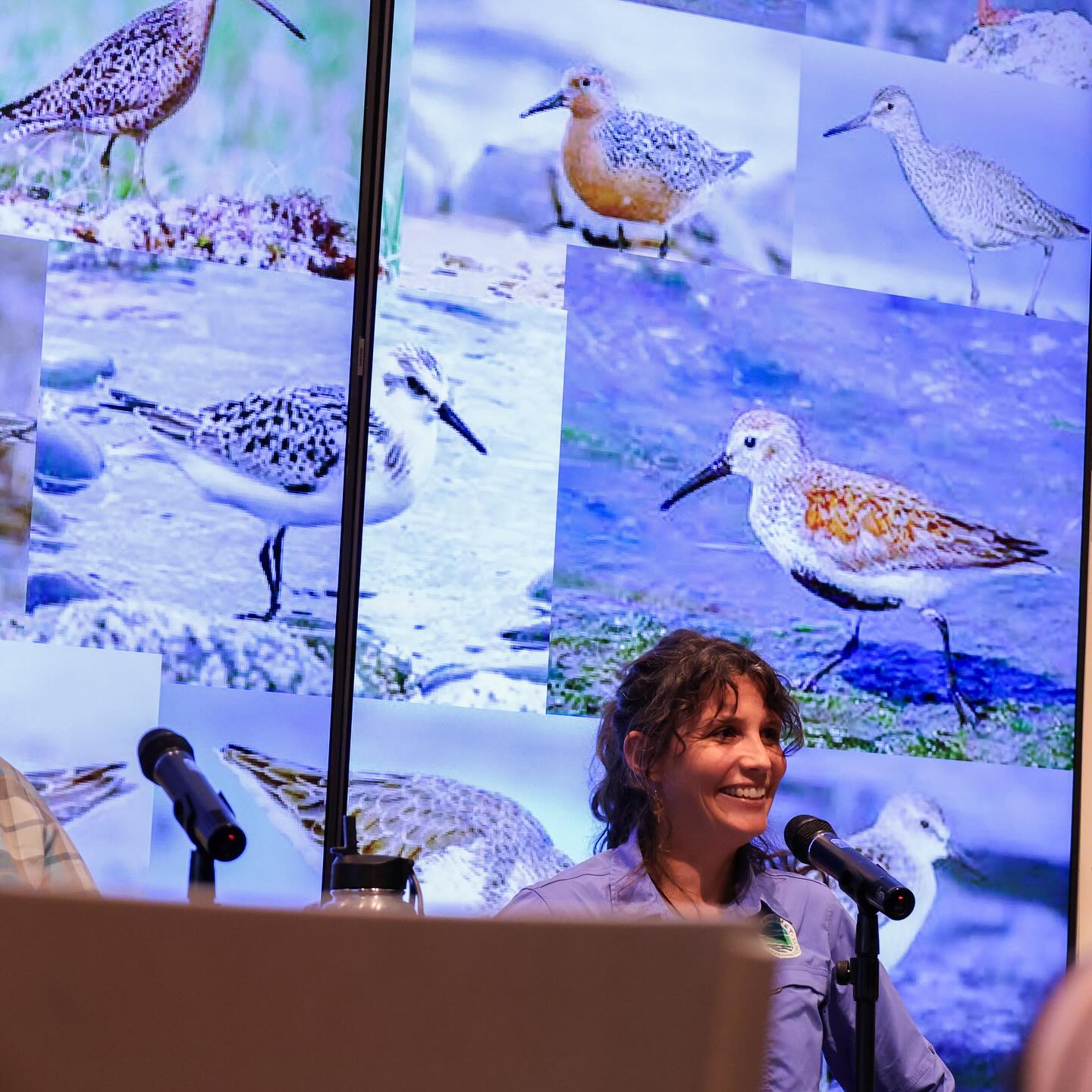
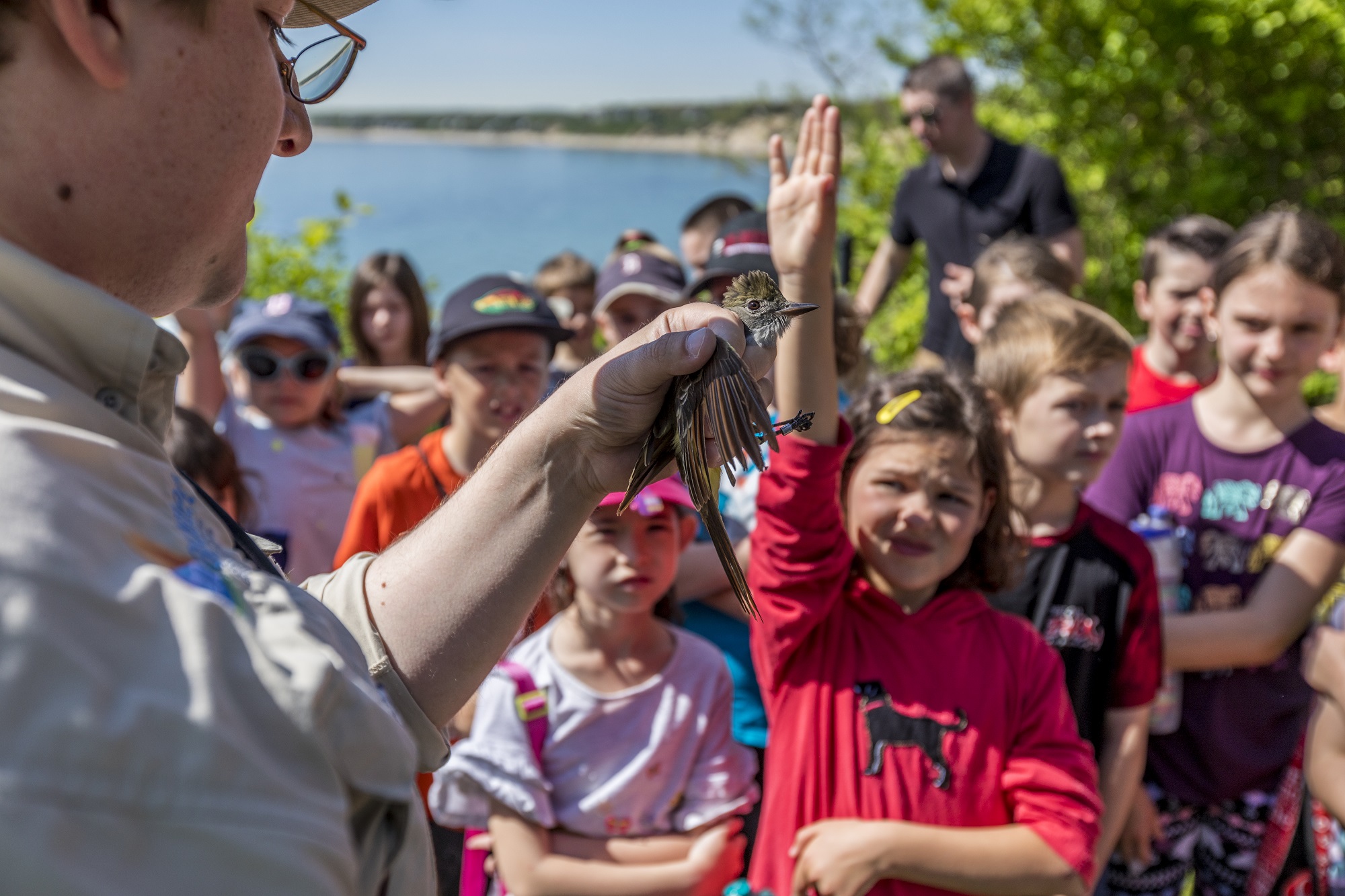
For decades, the Tybee Island Marine Science Center has been a cornerstone of coastal education on Georgia’s coast, inspiring thousands of students, residents, and visitors to better understand and care for the ecosystems that surround them. From hands-on programs and school field trips to public outreach and research, TIMSC connects people directly to the beach beneath their feet, helping build a community that values and protects Tybee’s wildlife.
Through the Georgia Bight Shorebird Conservation Initiative, Manomet Conservation Sciences is working locally to turn awareness into action along Georgia and South Carolina’s coast. Led by shorebird biologists on the ground, this effort focuses on community-based conservation: training volunteers, supporting beach stewards, conducting surveys, and partnering with towns, schools, and local organizations to reduce disturbance and protect critical habitat. The initiative helps ensure that wintering Piping Plovers, nesting skimmers and terns, and migrating shorebirds have safe places to rest, feed, and raise their young.
By learning how to share our beaches thoughtfully, we protect shorebirds and their habitats, safeguard biodiversity, strengthen coastal communities, and support the nature-based tourism that makes Tybee so special.
For more information reach out to Allie Hayser, Shorebird Biologist, Georgia Bight Shorebird Conservation Initiative