


Focused on science, to help protect the birds and places you love.
It is only through the commitment of friends like you that this work continues.
Here are some highlights of our current work:
A New Chapter for the Ruddy Turnstone
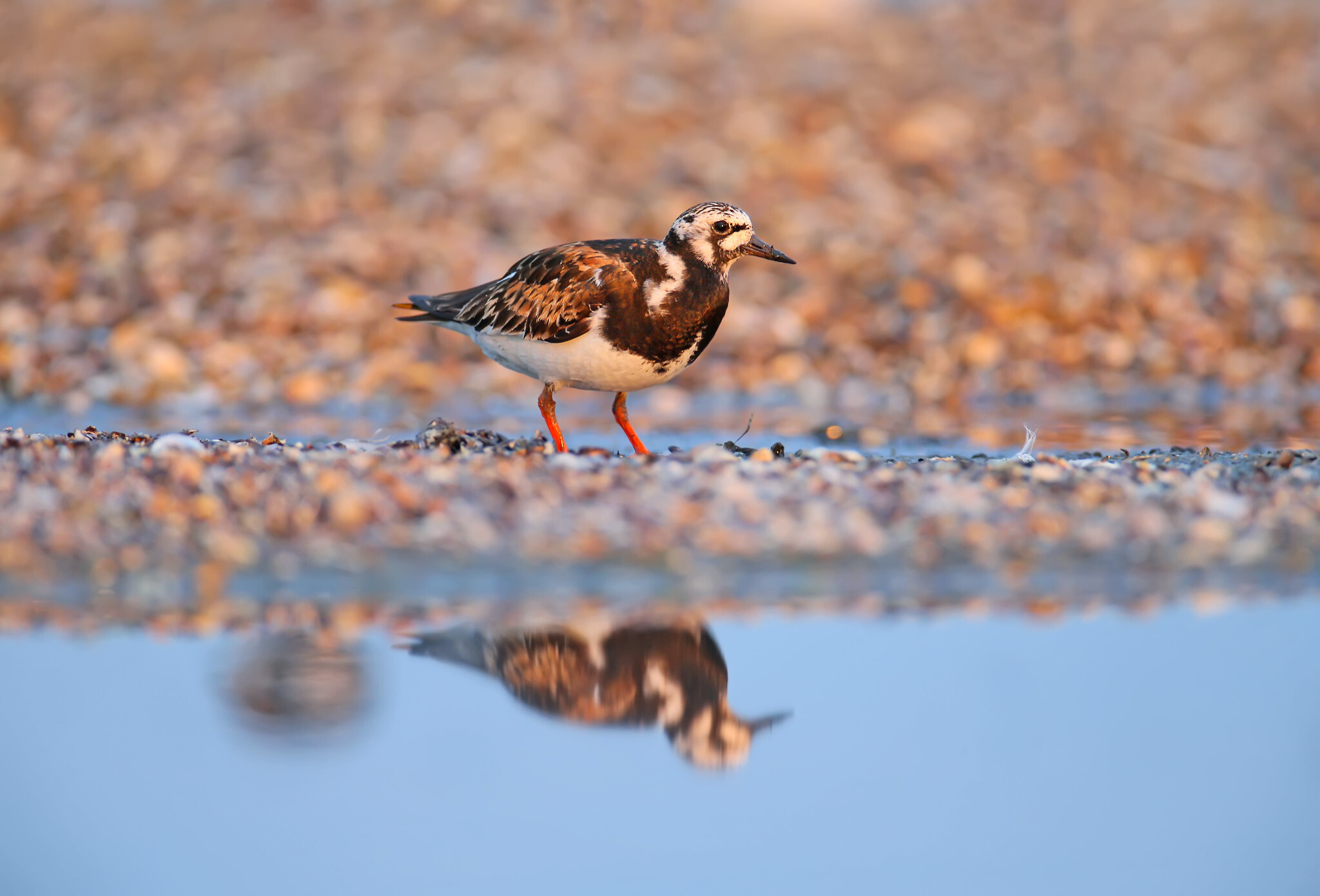
In 2024, we began research with partners in Massachusetts and Rhode Island to better understand the migration, habitat use, and diets of the Ruddy Turnstone. Why? Because their numbers have declined by roughly 75% since 1980, and we don’t know why. This year, we placed twelve transmitters on Ruddy Turnstones so we can follow them across the hemisphere, revealing migration routes and critical stopover sites that have never been documented. Our goal is to recover this species, and these new data will reveal key feeding and resting sites, risks they face, and help us develop a roadmap for their protection.
As you weigh your year-end giving priorities, I hope you’ll consider a tax-deductible gift before December 31 to help ensure we can keep asking and answering the questions that matter most.
 Donate
Working with Shellfish Harvesters to Unravel the Mysteries of Mudflats
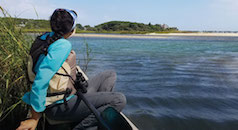
In Maine, the coastal ecosystem is undergoing rapid changes. Municipal shellfish programs and shellfish harvesters are struggling to keep pace as sea level rise and new predators reshape the landscape, threatening their livelihoods. Over the past two years, we have led studies with partners on mudflats in two of the largest shellfish flats to understand how sea level rise is transforming these vital ecosystems—and the people who depend on them. Our approach utilizes diverse forms of knowledge, pairing drone and LiDAR data with historic knowledge of local harvesters. The result is a complete, holistic dataset— something that has never existed, and is the first research to focus on the low-water mark.
The findings are clear and help communities relying upon these ecosystems to make informed decisions. The window of time harvesters have on the flats is shrinking as sea level rises, in some instances resulting in up to 50% less time to harvest clams. Because no two mudflats are the same, we’re expanding this work into Massachusetts, ensuring more communities have the data they need to protect their coast — and the people who rely upon them.
Understanding the Importance of the Brazilian Amazon for Shorebirds
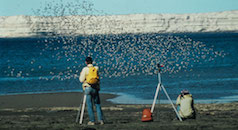
For years, it was thought that shorebirds only flew over the Brazilian Amazon Basin to reach their wintering grounds. But groundbreaking research conducted by our team and partners has completely transformed our understanding of shorebird migration in the region. Having just completed our third year of research, we now know that shorebirds use this remote network of wetlands, islands, and sandbars to feed and rest during their long southbound migration when traveling along the mid-continent flyway.
So far, 32 specialists from 15 organizations have participated in this research. Together, we have traveled more than 750 miles of river and observed nearly 7,700 resident and 10,000 migratory shorebirds, including species that link the Amazon to the Arctic, such as the Hudsonian Godwit, White-rumped Sandpiper, and Lesser Yellowlegs. The Amazon faces mounting threats—from habitat loss and deforestation to dam construction, mining, and extreme drought and flooding. These pressures are impacting the river system and the communities and wildlife that depend on it. Your support helps us turn science into solutions – building the foundation for the development of an Amazon shorebird initiative and bolstering community conservation work across the entire mid-continent flyway.
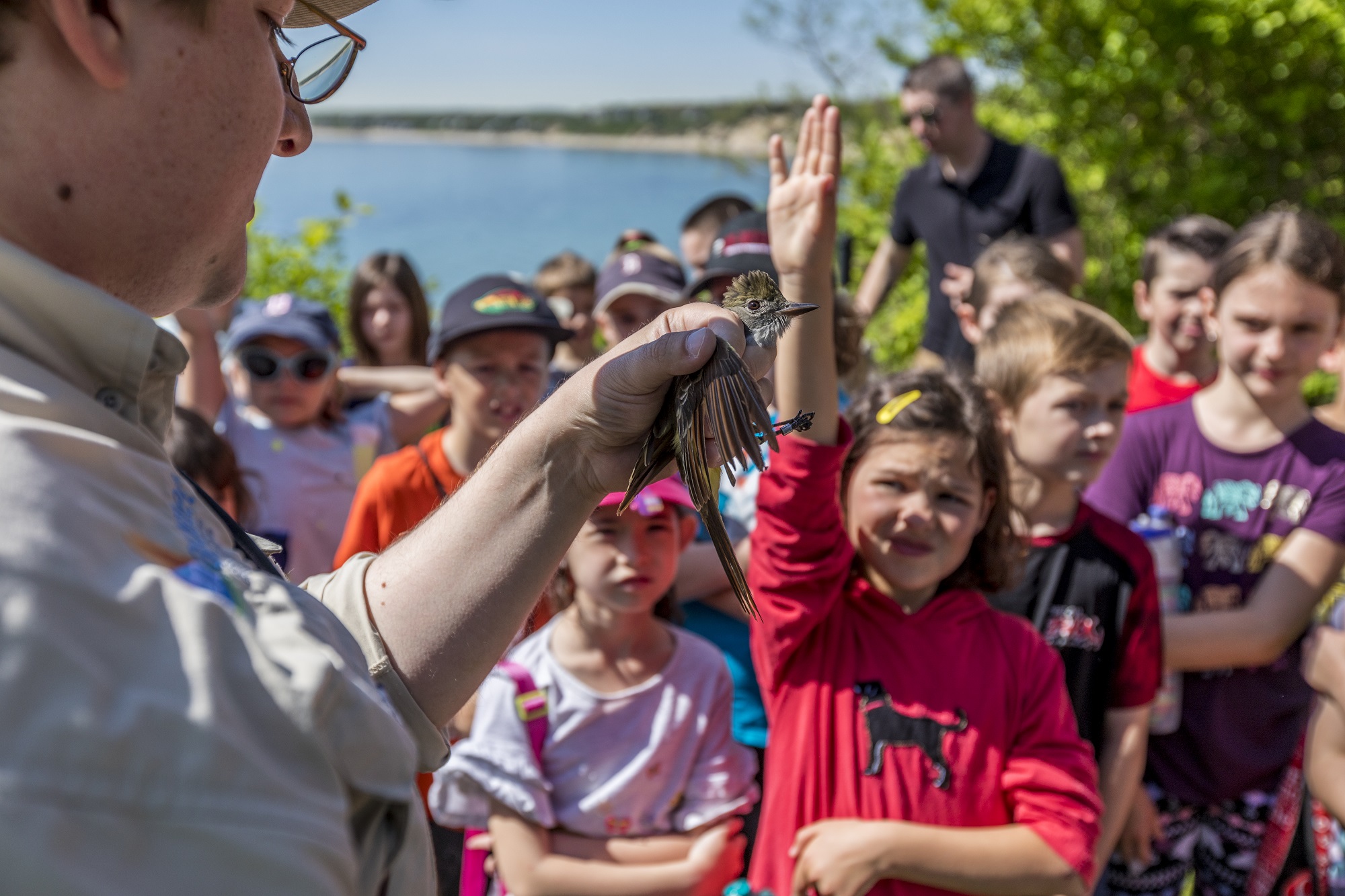
Your generosity powers our work to reverse the decline of shorebirds, build coastal resilience, and inspire the next generation of conservationists. This holiday season, let’s work together to create a better tomorrow.