


 Back to all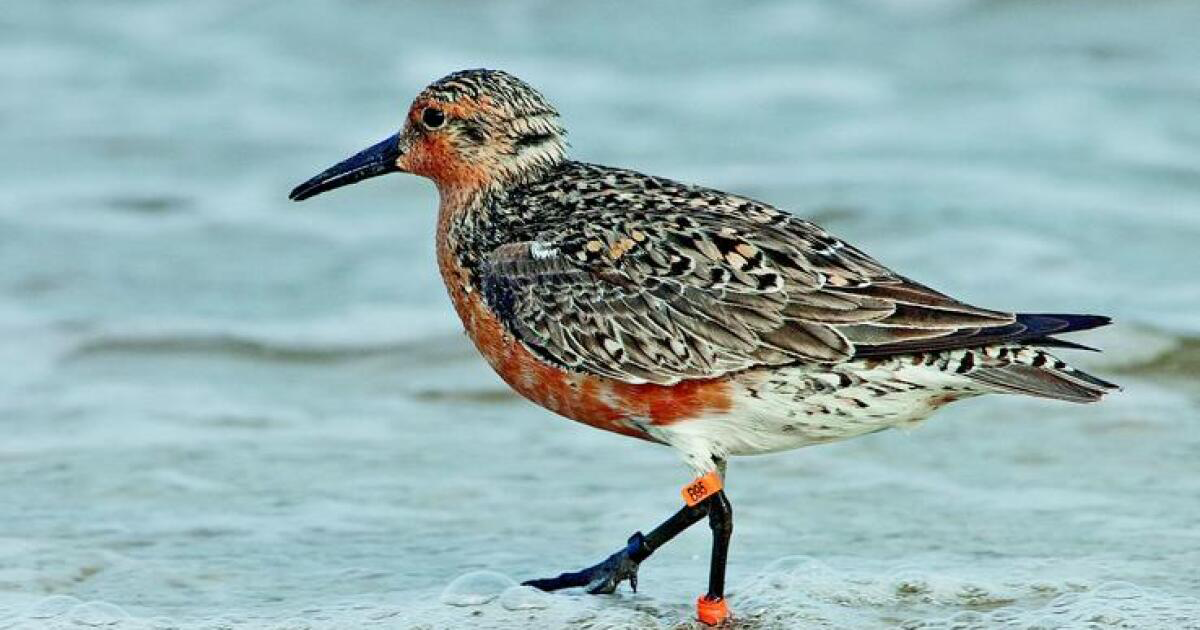
“On April 1, 2026, humans launched Artemis II toward the Moon. But one small bird had already logged that journey on its wings.
In February 1995, on a beach at Río Grande on the Atlantic coast of Tierra del Fuego, Argentina, scientists banded hundreds of Red Knots (Calidris canutus rufa), each with a small, numbered flag. One of them—B95—would become a legend. Banded by Argentine biologist Patricia González, it was resighted many times over the years, from Lagoa do Peixe in Brazil to Delaware Bay, and recaptured at least three times. In 2007, when at least 14 years old, it was described as “as fit as a three-year-old.”
Every year, rufa Red Knots travel nearly 9,000 miles from the southern tip of South America to the Arctic—and back again. B95 kept going. Year after year. Through storms, across continents, in a world that kept changing beneath it.
Over its lifetime, B95 flew more than 400,000 miles—the distance to the Moon and halfway back—earning the nickname Moonbird. Based on sightings through 2014–2015, it was at least 20 years old, one of the oldest known Red Knots at the time.
But Moonbird’s journey depends on more than endurance.
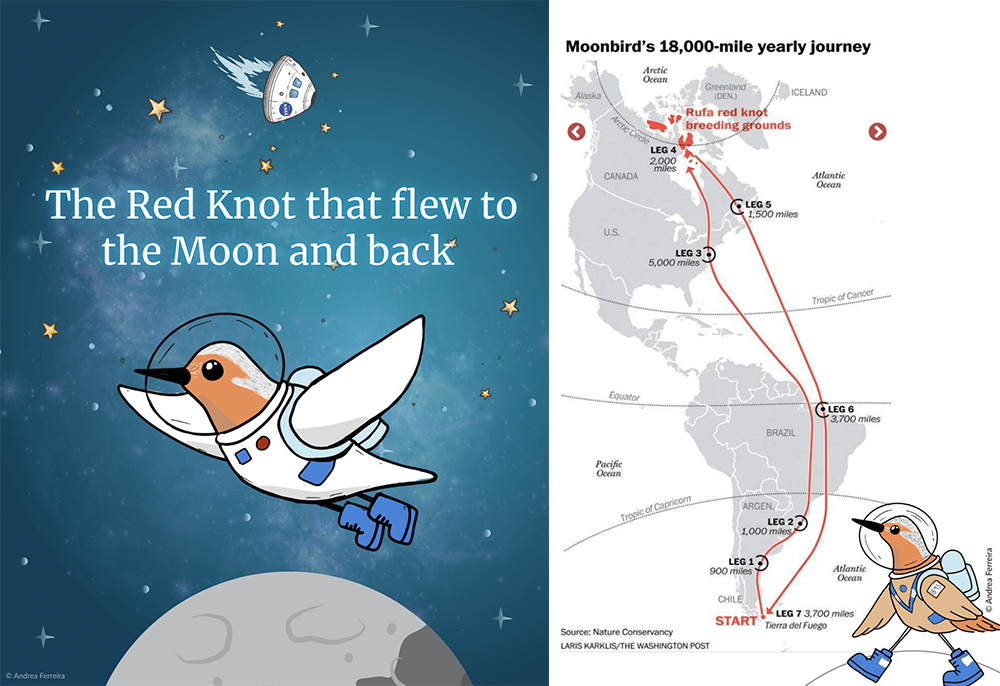
Along the way, Red Knots rely on a network of “launchpads”—staging areas where they can rest and refuel. In places such as Delaware Bay, horseshoe crab eggs become their jet fuel, allowing them to double their weight in days before continuing north.
These sites are critical. If even one fails, the journey can break. When B95 was first banded, there were more than 150,000 rufa Red Knots. Today, their numbers have dropped by about 80%.
That’s why the Western Hemisphere Shorebird Reserve Network (WHSRN) matters, linking key sites across the Americas, so that birds such as Moonbird can keep flying. B95 was first banded at a WHSRN site (Atlantic Coast of Tierra del Fuego, Argentina), and resighted at WHSRN Sites at San Antonio Bay (Argentina), Lagoa do Peixe (Brazil) and Delaware Bay (USA), showing how connected these places are.
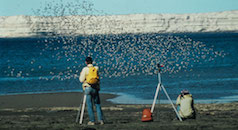
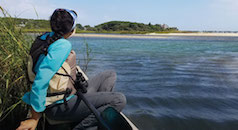
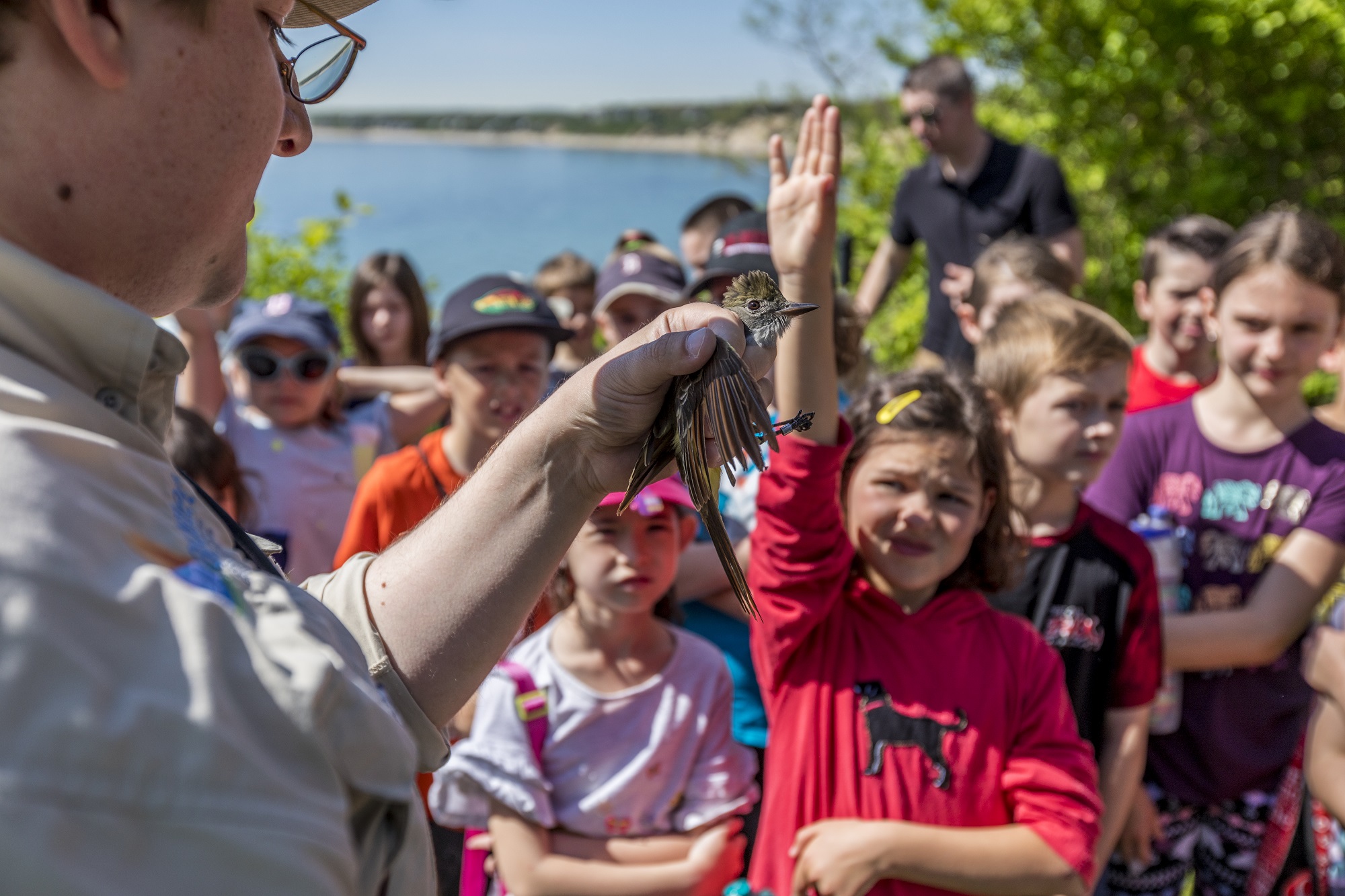
Across the hemisphere, Manomet Conservation Sciences works with partners to help reverse shorebird declines by protecting the places they depend on. On Cape Cod, Massachusetts, for example, Manomet Conservation Sciences is working with the U.S. Fish and Wildlife Service, the University of Rhode Island, and Mass Audubon to study northbound migration of shorebirds at Monomoy National Wildlife Refuge (a WHSRN site) and nearby sites. The focus is on four species: Red Knot, Ruddy Turnstone (Arenaria interpres), Sanderling (Calidris alba), and Dunlin (Calidris alpina).
By tracking birds and measuring the availability of food, especially horseshoe crab eggs, our team is piecing together the story of shorebird survival. To understand how important horseshoe crab eggs are as a food source, our team is digging deeper, literally. By collecting sediment samples along spawning beaches and identifying invertebrates to estimate the total biomass, we are measuring how much food is actually available.
Together, this data offers something we have never had before, a direct link between food availability, diet, and bird condition. And this work does not stop at Cape Cod. By aligning this work with parallel research in Delaware Bay, we are helping to build one of the first directly comparable datasets across major points in the Atlantic Flyway. In collaboration with our partners, this will lead to a flyway scale understanding of migratory connectivity, linking the places birds use with the resources they depend on to survive.
This kind of insight helps explain the remarkable journeys of birds like Moonbird, who was last recorded in May 2014 along Delaware Bay. Moonbird’s story is a powerful reminder that these migrations depend on a chain of healthy, food-rich habitats. As rockets rise toward space, it is worth remembering that some of the most extraordinary journeys on Earth happen quietly on fragile wings —and rely on the conservation of the places that sustain them.