


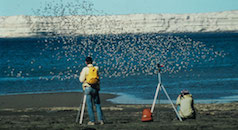
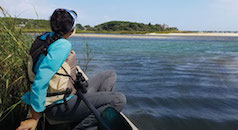
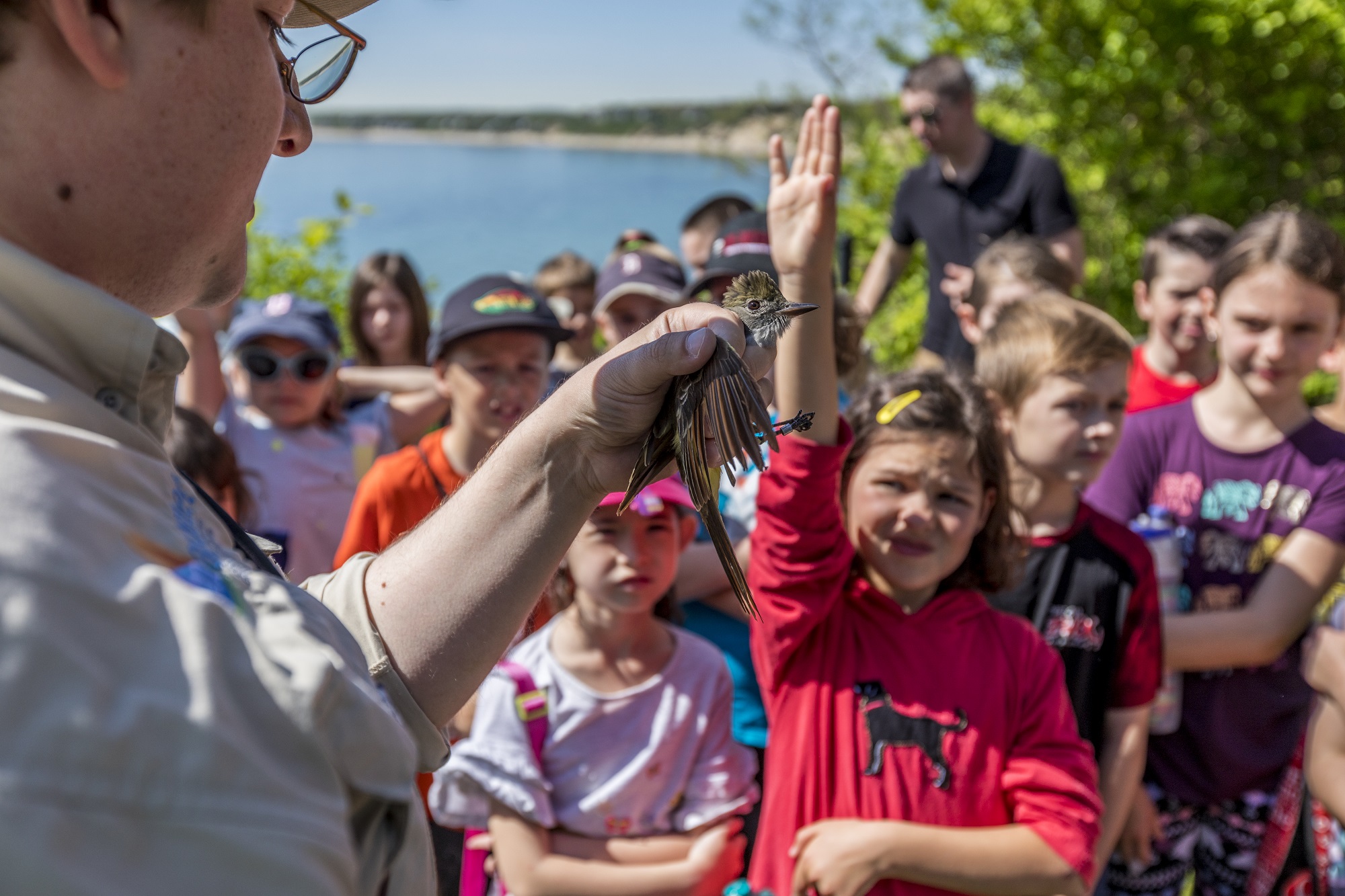
Each fall, shorebirds leave their Arctic breeding grounds and begin journeys that will carry them thousands of miles across the Americas.
Along the way, they depend on a network of coastlines, wetlands, grasslands, and other critical habitats where they can rest and refuel. A single bird may rely on places separated by thousands of miles—but connected by the same migration.
By following shorebirds across seasons and landscapes, Manomet can identify where action is needed most and work with partners and communities to protect and restore critical habitats across the Americas.
This research is demanding. Arctic field seasons are short, conditions are harsh, and the landscapes these birds travel are vast.
That is why your support matters.
Your gift will help sustain Manomet’s shorebird research in the Arctic and across the Americas—providing the knowledge needed to advance conservation and protect the habitats these birds depend on at every stage of their journey.
25 years of research have brought us here. Help make the next 25 possible.
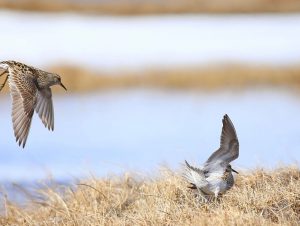
A bird in urgent need of answers
The Hudsonian Whimbrel shows why this work matters.
This remarkable shorebird breeds in the Arctic, winters in South America, and travels thousands of miles between the two each year.
Its population has declined by roughly 80 percent since 1980.
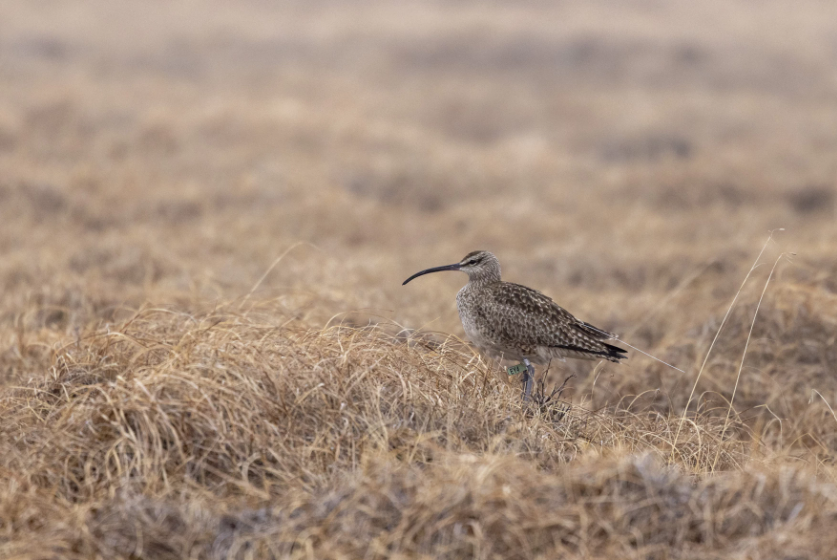
Through satellite tracking, population surveys, and long-term field research, Manomet is building a clearer picture of how many Whimbrels remain, where they travel, and the places they rely on to feed, rest, breed, and survive.
We know, for example, that the Gulf Coast of Texas provides a critical staging area where thousands of Whimbrels gather before making the final push north to their Arctic breeding grounds.
But Texas is only one piece of the journey.
Protecting Whimbrels means understanding—and safeguarding—the entire migration.